01
Makeup Tips
Eyeshadow placement, blending techniques, and common mistakes to avoid for a more open, lifted look.
Explore →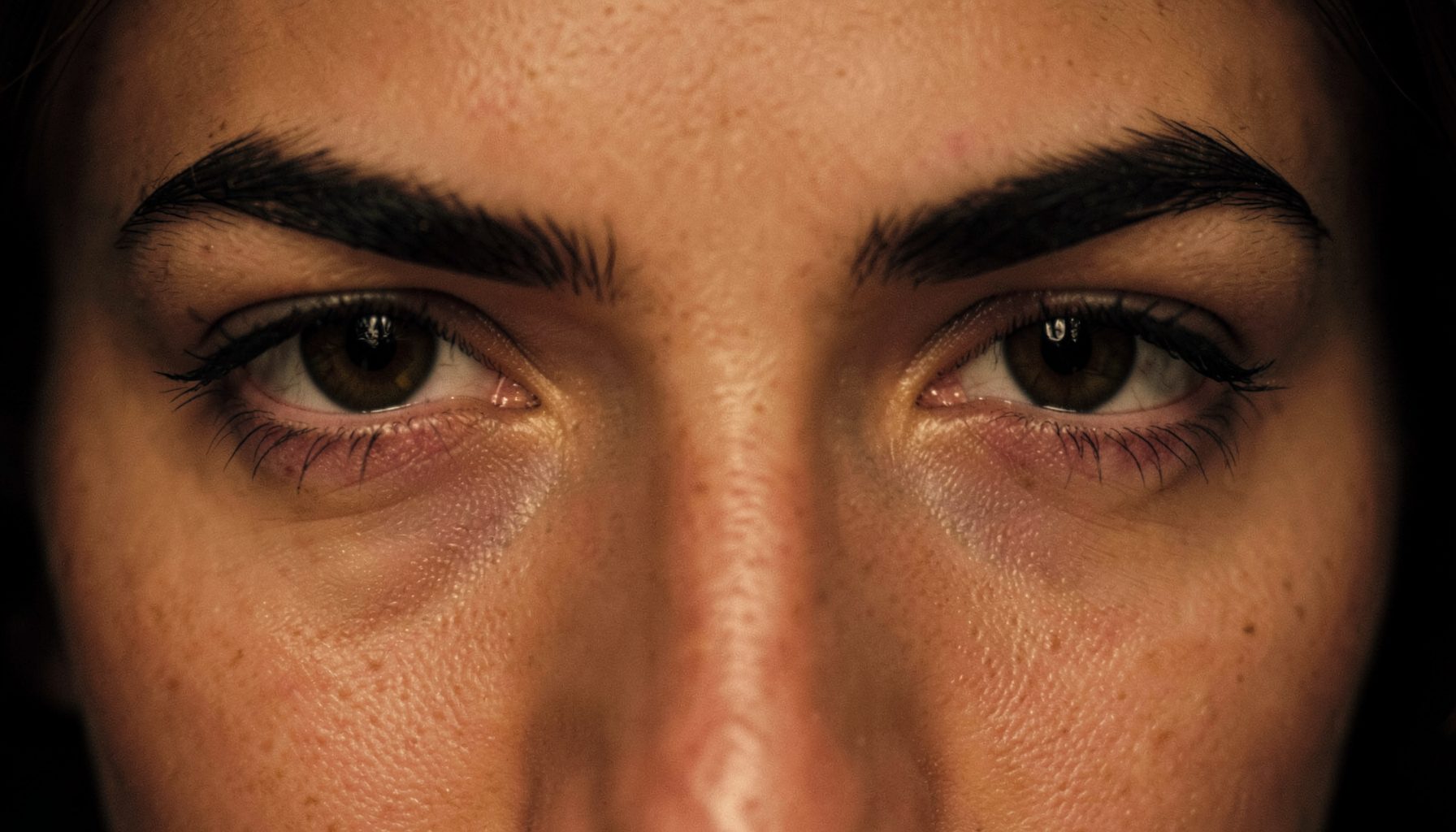
Eye Shape Guide
Understand your eye shape, master makeup techniques, and explore every treatment option — from Botox brow lifts to surgical solutions.
Explore the Site
Eyeshadow placement, blending techniques, and common mistakes to avoid for a more open, lifted look.
Explore →Winged liner, smudge prevention, and techniques that work with hooded lids to make eyes appear larger.
Explore →Non-surgical Botox brow lifts and surgical options including blepharoplasty, explained clearly.
Explore →Five false lash styles suited to hooded eyes, plus curler and mascara guidance for maximum lift.
Explore →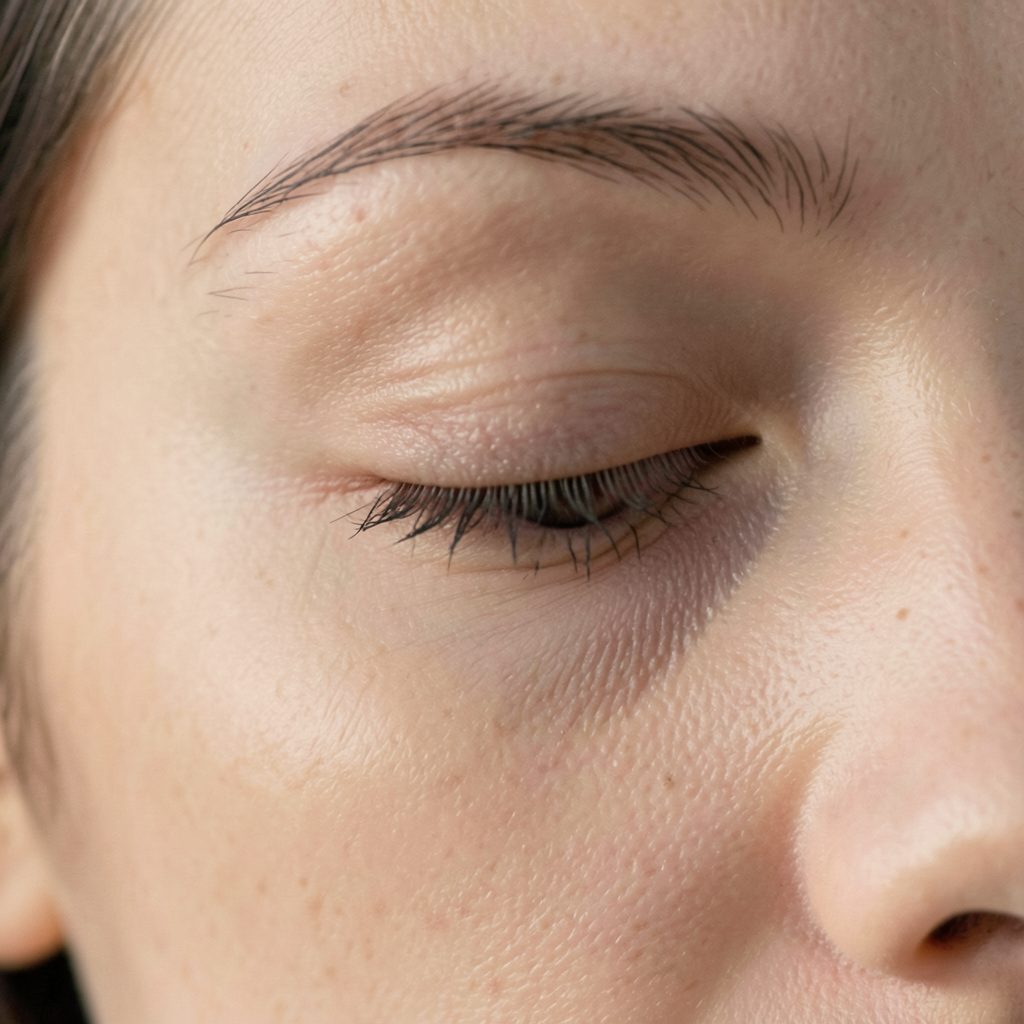
What Are Hooded Eyes?
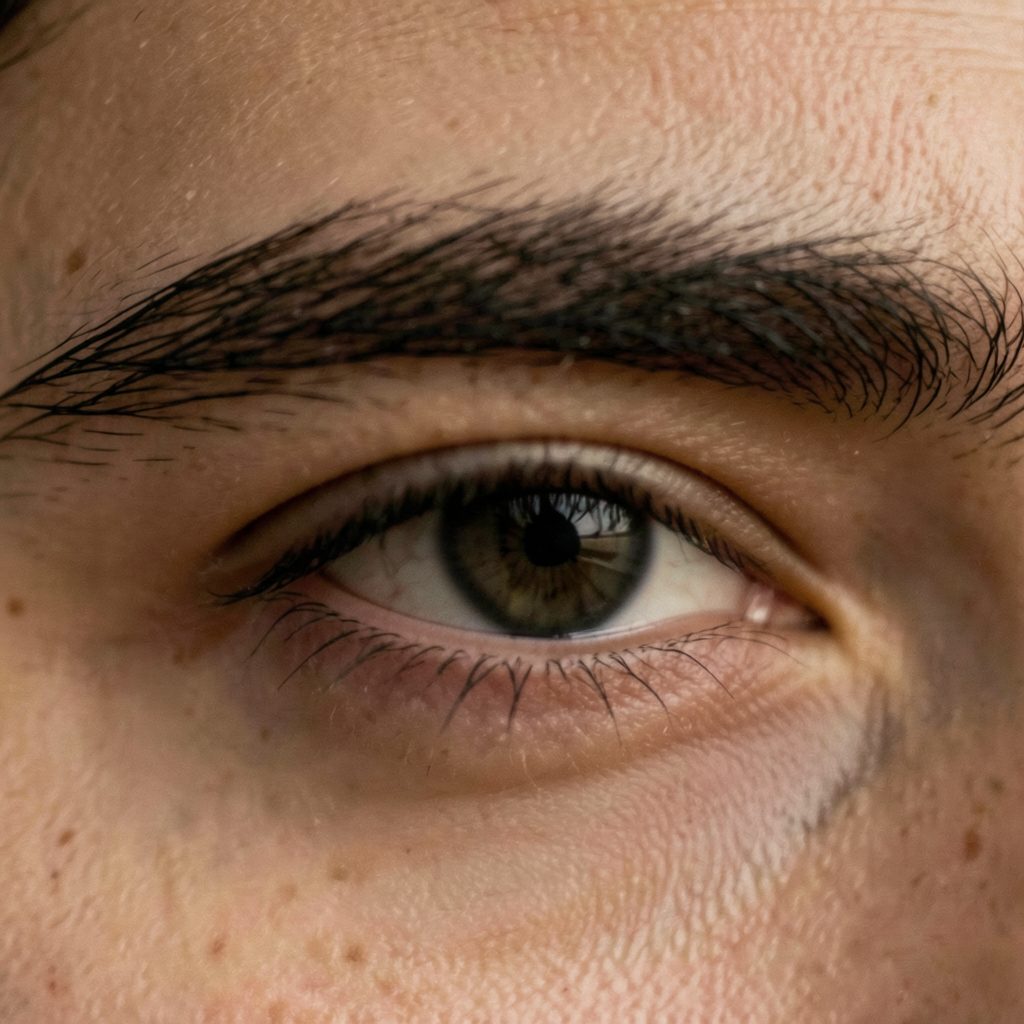
Hooded eyes are a natural eye shape where an excess piece of skin from the brow bone partially or completely covers the eyelid. The result can make eyes appear smaller or more tired than they feel.
This shape can be present from birth due to genetics, or it can develop over time. Known causes include aging, genetic traits, eye rubbing, body fatness, muscle structure, trauma, solar radiation, and sleep apnea.
Hooded eyes have a natural fold of skin, soft tissue, or brow structure that partly covers the mobile eyelid. For some people, the hood is present from youth; for others, ageing, reduced skin elasticity, eyebrow descent, or changes in facial volume make it more noticeable. A treatment that tightens skin may improve the surrounding area, but it cannot completely change the underlying eye shape.
Radiofrequency and ultrasound devices have become popular alternatives to surgery because they aim to firm skin and encourage collagen production without making an incision. They are generally designed for the brow, temple, and upper cheek area rather than the delicate eyelid itself. Results tend to be subtle and gradual, which can suit someone seeking a fresher appearance rather than a dramatic alteration.
The Australian market includes medical clinics, cosmetic practices, beauty businesses, and manufacturer-trained device operators. Their qualifications, equipment, consultation standards, and aftercare can vary considerably. A treatment advertised as “non-surgical” is not automatically risk-free, particularly around the eyes where the skin is thin and important nerves, muscles, and the eyeball are close to the treatment area.
It is also useful to separate eyelid concerns from brow concerns. If a low brow is pushing skin onto the upper lid, lifting the brow area may create more visible lid space. If excess skin or fat is the main cause, energy-based tightening may have limited value, and an ophthalmic plastic surgeon may discuss blepharoplasty instead.
Radiofrequency, often called RF, uses electromagnetic energy to create controlled heat in the deeper layers of the skin. This heating can cause immediate collagen contraction and stimulate new collagen and elastin activity over the following weeks or months. Depending on the device, RF may be delivered as monopolar, bipolar, or multipolar energy, with different depths and heating patterns.
For hooded-looking eyes, a practitioner may treat the forehead, brow, temple, and upper cheek rather than placing energy directly over the moving eyelid. The intention is to improve laxity around the orbital area and produce a modest brow-opening effect. Some clinics use contact cooling or temperature monitoring to protect the surface of the skin.
A single session may create a small tightening effect, while a series is often recommended for gradual improvement. Results depend on age, skin quality, genetics, sun exposure, weight changes, and the extent of hooding. RF cannot remove surplus skin, reposition eyelid muscle, or reproduce the stronger lift associated with surgery. Its effect may also fade as the skin continues to age.
Fractional RF and RF microneedling deserve separate attention. RF microneedling uses needles to deliver energy beneath the skin, so it is minimally invasive rather than truly non-invasive. It can cause pinpoint bleeding, swelling, crusting, pigment changes, and infection if poorly performed. Anyone considering it around the eyes should ask exactly whether needles will enter the skin and who is legally and clinically qualified to perform the procedure.
Microfocused ultrasound, sometimes marketed as HIFU or high-intensity focused ultrasound, delivers focused thermal energy below the skin surface. The heat creates small zones of coagulation that encourage tissue remodelling and collagen formation. Some systems are designed for facial lifting, while others are intended for different body areas, so the device model and approved treatment location matter.
Around hooded eyes, ultrasound may be used on the brow, forehead, or upper cheek to support a mild lifting effect. Treatment depth is selected according to the thickness of the tissue and the intended target. Because the energy is focused beneath the surface, there may be little visible change immediately, with results developing over two to three months and potentially lasting for a year or longer in suitable patients.
The sensation can include heat, prickling, brief sharp pulses, or tenderness. Temporary redness, swelling, sensitivity, bruising, or tingling are possible. Rare but important complications may include burns, nerve irritation, unwanted fat loss, asymmetry, or prolonged pain. The risk is especially relevant when a device is used too close to the eye, at an unsuitable depth, or with excessive energy.
Ultrasound is not a substitute for upper blepharoplasty when redundant skin is resting heavily on the lashes or affecting the visual field. It is also unlikely to correct a deep-set orbital structure or prominent brow bone. A careful assessment should identify whether the visible hood comes from skin, brow position, muscle activity, fat pads, or the person’s natural anatomy. Examples of different brow and lid structures can be viewed among these celebrity eye shapes, although photographs should never be treated as diagnostic evidence.
The main appeal of RF and ultrasound is that they usually involve little or no downtime, no stitches, and no surgical removal of tissue. Many people return to work quickly, which can be convenient in Sydney, Melbourne, Brisbane, or Perth where busy schedules and long commutes make recovery time difficult. The trade-off is a less predictable and less dramatic result than a surgical lift.
Botulinum toxin may be considered when brow position is influenced by strong muscle activity. A carefully placed brow lift treatment can relax muscles that pull the outer brow down, allowing the opposing muscles to raise it slightly. It does not tighten loose eyelid skin and can create heaviness, asymmetry, or a lower-looking brow if placement or dose is unsuitable. It should be assessed as a separate treatment rather than assumed to be interchangeable with RF or ultrasound.
Upper blepharoplasty removes or repositions excess skin and, when needed, addresses muscle or fat. It generally offers the clearest change when eyelid skin is the dominant cause of hooding, but it carries surgical risks such as bleeding, infection, dry eye, scarring, asymmetry, and difficulty closing the eyes. A qualified surgeon should discuss visual symptoms, tear-film issues, medications, and previous eye procedures before recommending it.
Make-up remains useful whether or not someone chooses a procedure. A matte or satin shade placed slightly above the natural crease can make a small lid look more open, while a thin liner and curled lashes help prevent the eye from appearing weighed down. For technique and tool selection, these blending brushes for hooded lids can support a more controlled application without altering anatomy.
In Australia, the Therapeutic Goods Administration regulates therapeutic goods and medical devices, while health practitioners may be registered through the Australian Health Practitioner Regulation Agency. Regulation does not mean every clinic offers the same level of expertise. Before booking, confirm the operator’s profession, registration, training on the exact device, experience near the eyes, and the clinic’s process for managing complications.
Advertising rules also matter. The Australian Health Practitioner Regulation Agency’s advertising guidance restricts misleading claims, unrealistic guarantees, testimonials that create unreasonable expectations, and pressure-based promotions. A clinic promising to “erase” hooded eyes, permanently lift the brow in one session, or deliver surgery-like results without risk should be treated cautiously. Promotional language is not evidence that a treatment is appropriate.
Ask whether the device is approved for the proposed use in Australia and whether the clinic can provide its brand and model. Device clearance or inclusion on the Australian Register of Therapeutic Goods does not guarantee a particular result, and it does not replace an individual consultation. A practitioner should explain expected improvement, alternatives, number of sessions, maintenance, total cost, and what happens if the result is uneven.
Australia’s high UV exposure is another practical consideration. Regular sun exposure can accelerate collagen breakdown and pigmentation, especially for people who spend time outdoors in Queensland, Western Australia, or the Northern Territory. Broad-spectrum SPF 50+, sunglasses, a brimmed hat, and sensible post-treatment sun avoidance support recovery. Heat, sweating, beach visits, and swimming may need to be limited for a short period after treatment, depending on the device and the skin response.
A good consultation should begin with an examination of the entire upper face, not a sales discussion about one machine. The practitioner should compare the brow at rest and during movement, check eyelid closure, ask about dry eye and vision, and consider allergies, autoimmune conditions, active skin disease, pregnancy, implanted electrical devices, and medicines that increase bruising. Photos taken in neutral lighting can help track change more reliably than edited social media images.
Results are usually modest. Someone with early laxity may notice a slightly firmer brow area, smoother texture, or a small increase in visible lid space. Someone with marked dermatochalasis, significant brow descent, or visual obstruction may feel disappointed if a non-invasive treatment is presented as a complete solution. A second opinion from an ophthalmologist, oculoplastic surgeon, or appropriately qualified cosmetic doctor can clarify the difference.
Useful questions to ask before booking include:
A cautious plan may involve starting with one treatment area, using conservative settings, and arranging a review after the skin has settled. Do not judge the final outcome immediately after heat-based treatment, when swelling can temporarily make the brow or lids look different. Keep before-and-after photographs in consistent lighting and avoid comparing your face with heavily filtered images.
Non-invasive RF and ultrasound can be reasonable options for mild laxity when expectations are realistic and treatment is performed by a suitably qualified professional. They are not universal fixes for hooded eyes, and stronger tightening is not always better. The safest choice is the one that matches the actual cause of the hooding, the condition of the eye surface, and the level of change you want.
Arrange a proper consultation with a registered Australian practitioner before paying a deposit or choosing a package. Take a list of medicines and eye conditions, ask for the device details in writing, and allow time to compare energy treatment with make-up techniques, botulinum toxin, and surgical advice. An informed decision can help you preserve your natural eye shape while making any change gradual, proportionate, and medically responsible.
Surgical Option
For those seeking a more lasting result, plastic surgery — including blepharoplasty — is covered as a treatment option for hooded eyes. Surgery addresses the excess skin directly and is considered an alternative to non-surgical approaches like Botox.
The site's surgery guide explains the procedure, what to expect, and how it compares to non-surgical routes, helping readers make informed decisions about their options.
Read the Surgery Guide →Famous Faces
Hooded eyes can enhance facial expressions and contribute to a distinctive, memorable look. These ten well-known figures all share the eye shape.
Jennifer Aniston
Leonardo DiCaprio
Solange Knowles
Taylor Swift
Michelle Williams
Robert Pattinson
Blake Lively
Selena Gomez
Gigi Hadid
Benicio del Toro
Side by Side
False Lash Guide
Varied length spikes create texture and the illusion of depth without weighing down the lid.
Longer outer-corner lashes draw the eye outward and upward, counteracting the hood effect.
A uniform, moderate length that adds definition without overwhelming a hooded lid.
Applied only to the outer half, these open up the eye shape and are easier to manage on hooded lids.
A strong upward curl (D or L curl) lifts lashes away from the hood, keeping them visible throughout the day.
The guide also covers lash curlers, mascara recommendations, and step-by-step instructions for fixing false lashes on hooded eyelids.
Full Lash Guide →Get in Touch
Whether you are just beginning your makeup journey or have been experimenting with different looks for years, we are glad you are here.
General Feedback
Share your thoughts on the site or suggest topics you'd like covered.
Looking for a Specific Tip?
Ask about a particular technique or eye-shape challenge.
Product Questions
Questions about products mentioned across the site.
Human Resources or Business Inquiries
Partnership, collaboration, or business-related correspondence.