01
Makeup Tips
Eyeshadow placement, blending techniques, and common mistakes to avoid for a more open, lifted look.
Explore →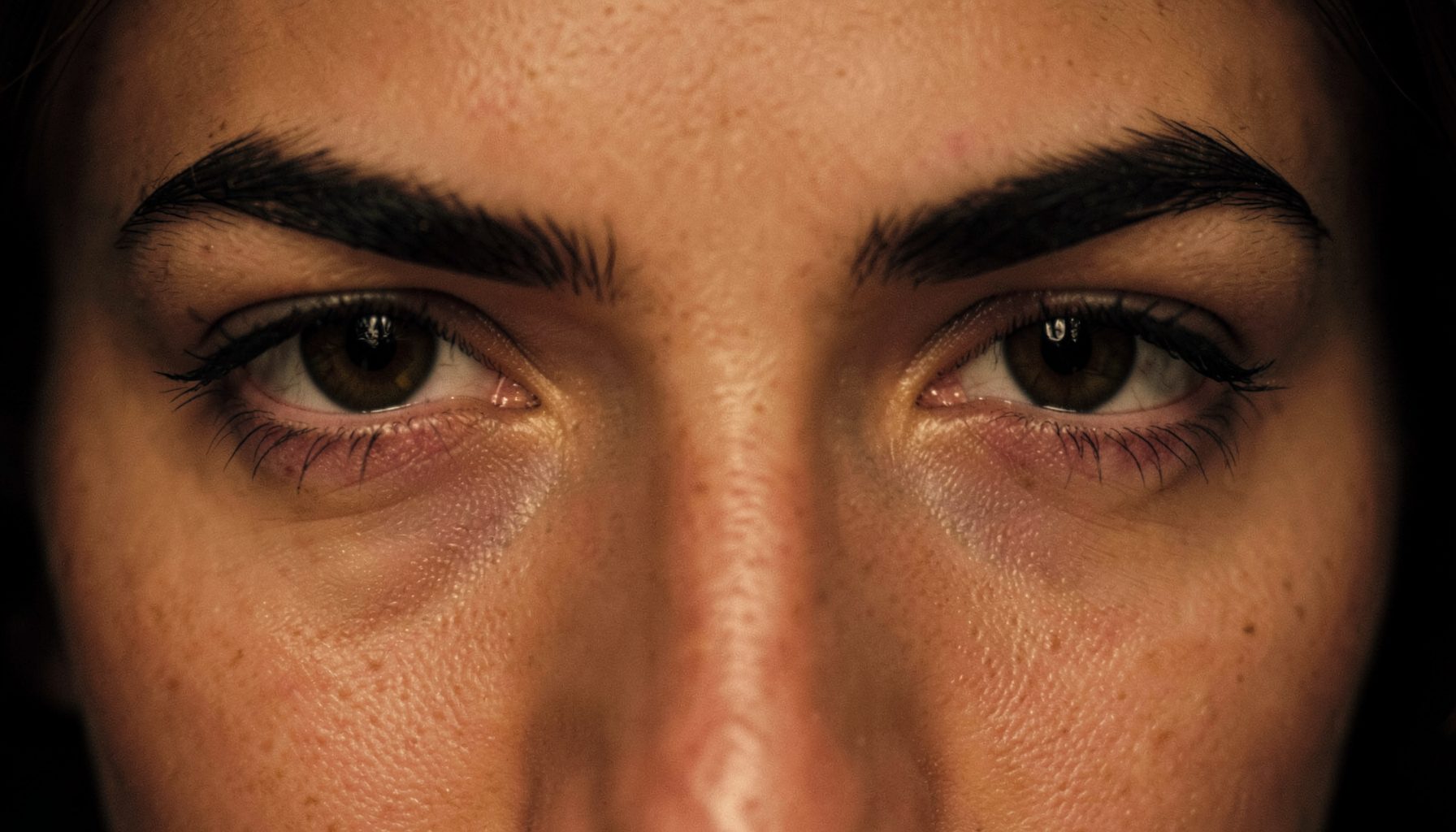
Eye Shape Guide
Understand your eye shape, master makeup techniques, and explore every treatment option — from Botox brow lifts to surgical solutions.
Explore the Site
Eyeshadow placement, blending techniques, and common mistakes to avoid for a more open, lifted look.
Explore →Winged liner, smudge prevention, and techniques that work with hooded lids to make eyes appear larger.
Explore →Non-surgical Botox brow lifts and surgical options including blepharoplasty, explained clearly.
Explore →Five false lash styles suited to hooded eyes, plus curler and mascara guidance for maximum lift.
Explore →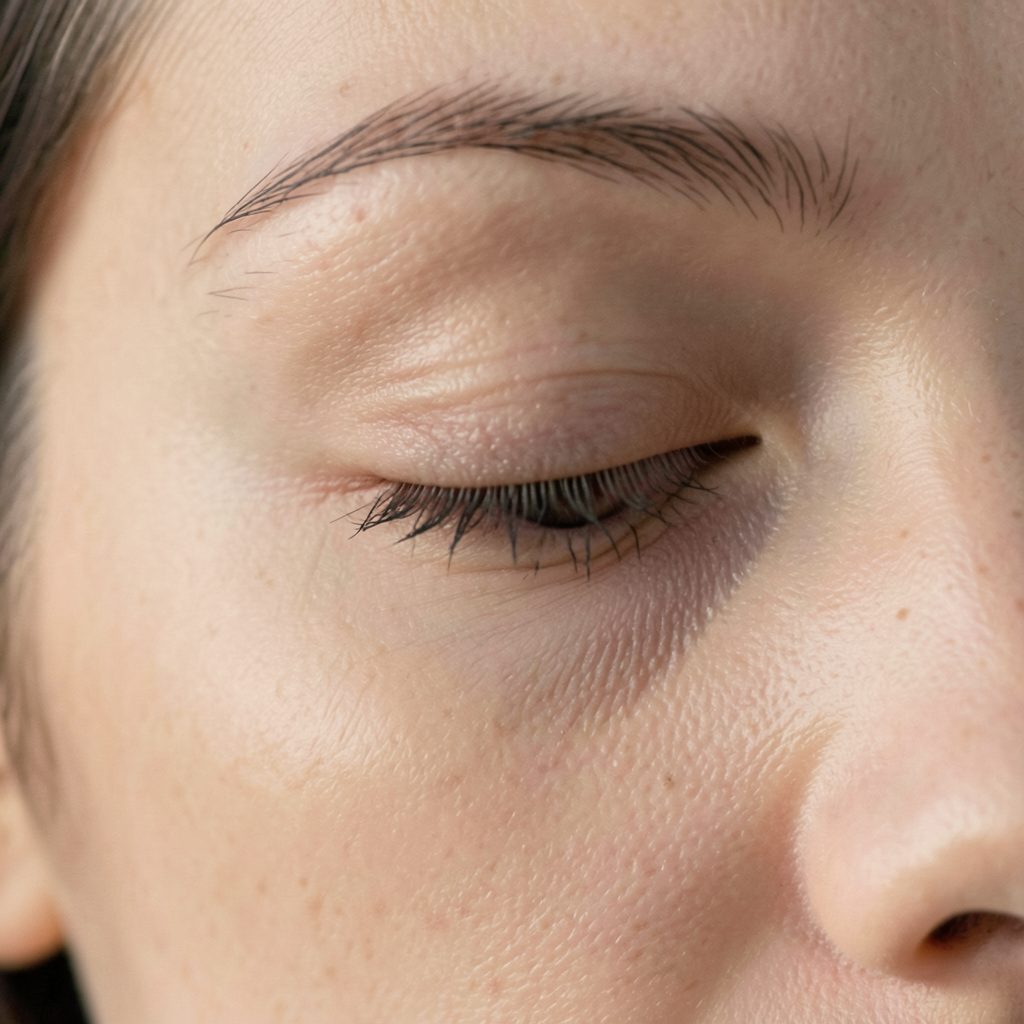
What Are Hooded Eyes?
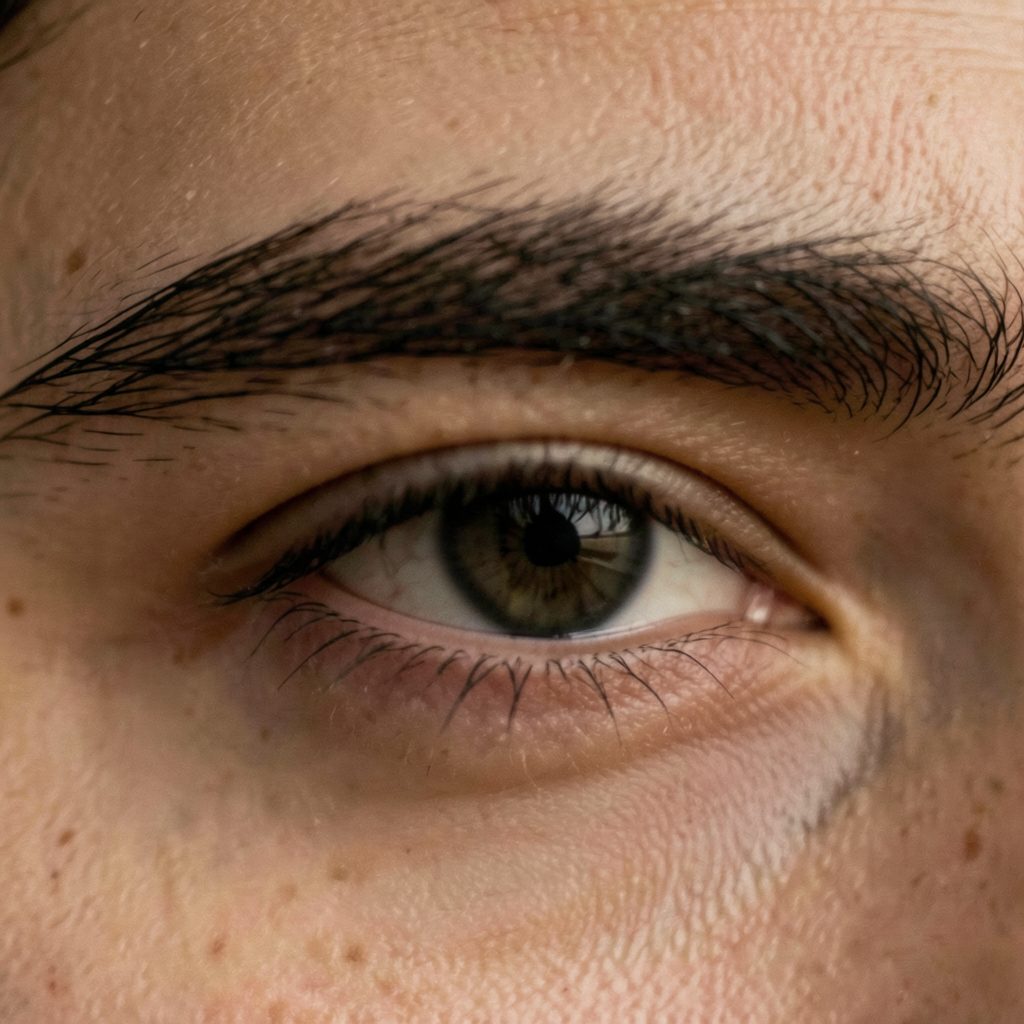
Hooded eyes are a natural eye shape where an excess piece of skin from the brow bone partially or completely covers the eyelid. The result can make eyes appear smaller or more tired than they feel.
This shape can be present from birth due to genetics, or it can develop over time. Known causes include aging, genetic traits, eye rubbing, body fatness, muscle structure, trauma, solar radiation, and sleep apnea.
Blepharoplasty can reshape a heavy upper eyelid or remove excess lower-lid skin, but a hooded appearance may also come from brow position, fat distribution, age-related skin laxity, or true ptosis. These causes require different treatment, so a good surgeon should diagnose the anatomy rather than offer a standard “hooded-eye” operation.
What to look for in a blepharoplasty surgeon in Australia is therefore more important than glossy results: verify specialist credentials, understand the proposed technique, and compare the total cost and aftercare. Your decision should be based on medical suitability and informed consent, not a celebrity transformation, limited-time discount or fear of missing out.
Start with the Australian Health Practitioner Regulation Agency (AHPRA) Register of Practitioners. Confirm the surgeon’s current registration, principal place of practice and any conditions or restrictions. Registration confirms legal authority to practise, but it does not by itself demonstrate extensive eyelid-surgery experience.
For plastic and reconstructive surgery, ask whether the surgeon is a Fellow of the Royal Australasian College of Surgeons in that specialty. Australian Society of Plastic Surgeons membership and its Find a Surgeon directory are useful filters, although membership alone cannot guarantee judgement or outcomes. Clarify the surgeon’s specific eyelid and brow-lift caseload and any hospital appointment.
Oculoplastic experience may also be relevant, particularly if ptosis, thyroid eye disease, previous surgery or a corneal-protection concern is present. Regular experience with upper-lid and lower-lid blepharoplasty matters more than how often the surgeon performs every cosmetic procedure. If the clinician’s qualifications are unclear, that is a reason to pause and verify them.
The consultation should be a medical assessment, not a sales appointment. Expect questions about vision, dry eyes, contact lenses, previous surgery, medications and health conditions, followed by an examination of the brow, eyelid margin, crease and tear film. Standardised photographs should document both the resting appearance and attempted eye closure.
The plan should explain whether it involves upper-lid skin, fat or muscle removal, lower-lid surgery, a brow change, or a combination. Ask why each element is needed and what happens if it is omitted. Upper- and lower-eyelid operations carry different risks; lower-lid surgery can affect eyelid position and corneal exposure, while brow procedures introduce additional recovery and nerve-related risks.
Bring images of your face from different angles and, if makeup defines your current crease, note how cream-to-powder shadow options perform. The surgeon should discuss likely swelling, asymmetry, scarring and revision risk realistically. Sudden drooping, pain, double vision or a change in sight needs prompt medical assessment rather than routine cosmetic booking.
Ask where the operation will occur and who is responsible for every part of care. Private hospitals and day-surgery units can be appropriate, but the facility should be licensed where required, meet recognised Australian accreditation standards and have appropriate emergency arrangements. Day surgery is not inherently risky; a lack of clear governance is the concern.
The anaesthetist should be identified and appropriately credentialled, with the surgeon confirming who reviews you on the day, handles pathology specimens, removes sutures, manages a complication and provides after-hours advice. Obtain a written follow-up schedule covering early checks, later healing review and what to do if pain, bleeding, fever, visual change or a persistently open eyelid occurs.
Think about recovery support before booking, especially if you live outside Sydney, Melbourne or Brisbane. Flying soon after anaesthesia or surgery can complicate care, and regional patients need a clear plan for local follow-up and emergencies. Ask when makeup can resume and how the eyelid will feel; once medically cleared, advice on lasting setting sprays can help you rebuild your routine without assuming the new lid will behave like the old one.
Elective blepharoplasty is usually considered cosmetic, so Medicare rebates generally do not apply. In limited cases, significant visual-field obstruction or another functional problem may qualify for a Medicare-covered assessment or surgery; eligibility is specific, so ask the surgeon and your GP rather than assuming a rebate. Private health policies often exclude elective cosmetic eyelid surgery, and waiting periods may apply even when a policy is active.
Request an itemised written quote covering the surgeon’s fee, anaesthetist, facility, assistant, pathology, medication, sutures and follow-up. Confirm whether revision surgery, hospital stays and after-hours treatment are included. Clinic finance or instalment plans can make a large fee feel manageable, but interest, fees and whether the plan is managed by the clinic or a third-party provider should be clear.
The Australian cosmetic market is competitive, with many clinics across major cities and extensive online advertising. A low package price can reflect fewer included services or a different aftercare pathway, not better surgery. Compare written plans on qualifications, technique, facility, total cost and complication support rather than price or a promotional headline alone.
Use the consultation to test how clearly the surgeon explains the diagnosis and plan. Written answers are more useful than assurances on the day. These are reasonable questions to take into the room or send afterwards:
Take notes or bring a trusted person so the discussion is not compressed by a sales team. Ask for the plan in writing and, for a significant concern, request a second opinion. If answers about credentials, technique or aftercare remain vague, do not treat uncertainty as routine.
Red flags are behaviours and missing safeguards, not simply unconventional aesthetics. Social media can demonstrate skill, but edited images and testimonials cannot replace a medical assessment or verifiable outcome data. Consider leaving a consultation if any of the following appears:
Reviews can be useful when they describe communication, staff, follow-up and how concerns were handled. Look for consistency across independent sources rather than repeating the same marketing phrase. Trust your own assessment too: if the clinician minimises questions, makes you feel unsuitable or will not document the plan, that response matters as much as the photographs.
Shortlist two or three surgeons and compare their diagnoses and written plans using the same categories. Medical stability, eye health, smoking, medication and realistic recovery should be discussed before a date is chosen. Your GP can help coordinate assessment if a functional eyelid or visual-field problem is suspected, while the final choice of cosmetic surgeon remains yours.
A good surgeon should be comfortable with a second opinion and should make it easy for you to understand what will change, what may remain and how complications would be managed. If your desired result is subtle, non-surgical options may be more suitable. Clear expectations protect both the consultation process and the surgical decision.
Use the hooded eyes guide to organise photographs, define what bothers you and separate concerns that surgery can address from those that cannot. Then book in-person consultations with your shortlist, bring your questions and written cost summary, and request the consent and aftercare documents before committing.
Surgical Option
For those seeking a more lasting result, plastic surgery — including blepharoplasty — is covered as a treatment option for hooded eyes. Surgery addresses the excess skin directly and is considered an alternative to non-surgical approaches like Botox.
The site's surgery guide explains the procedure, what to expect, and how it compares to non-surgical routes, helping readers make informed decisions about their options.
Read the Surgery Guide →Famous Faces
Hooded eyes can enhance facial expressions and contribute to a distinctive, memorable look. These ten well-known figures all share the eye shape.
Jennifer Aniston
Leonardo DiCaprio
Solange Knowles
Taylor Swift
Michelle Williams
Robert Pattinson
Blake Lively
Selena Gomez
Gigi Hadid
Benicio del Toro
Side by Side
False Lash Guide
Varied length spikes create texture and the illusion of depth without weighing down the lid.
Longer outer-corner lashes draw the eye outward and upward, counteracting the hood effect.
A uniform, moderate length that adds definition without overwhelming a hooded lid.
Applied only to the outer half, these open up the eye shape and are easier to manage on hooded lids.
A strong upward curl (D or L curl) lifts lashes away from the hood, keeping them visible throughout the day.
The guide also covers lash curlers, mascara recommendations, and step-by-step instructions for fixing false lashes on hooded eyelids.
Full Lash Guide →Get in Touch
Whether you are just beginning your makeup journey or have been experimenting with different looks for years, we are glad you are here.
General Feedback
Share your thoughts on the site or suggest topics you'd like covered.
Looking for a Specific Tip?
Ask about a particular technique or eye-shape challenge.
Product Questions
Questions about products mentioned across the site.
Human Resources or Business Inquiries
Partnership, collaboration, or business-related correspondence.