01
Makeup Tips
Eyeshadow placement, blending techniques, and common mistakes to avoid for a more open, lifted look.
Explore →
Eye Shape Guide
Understand your eye shape, master makeup techniques, and explore every treatment option — from Botox brow lifts to surgical solutions.
Explore the Site
Eyeshadow placement, blending techniques, and common mistakes to avoid for a more open, lifted look.
Explore →Winged liner, smudge prevention, and techniques that work with hooded lids to make eyes appear larger.
Explore →Non-surgical Botox brow lifts and surgical options including blepharoplasty, explained clearly.
Explore →Five false lash styles suited to hooded eyes, plus curler and mascara guidance for maximum lift.
Explore →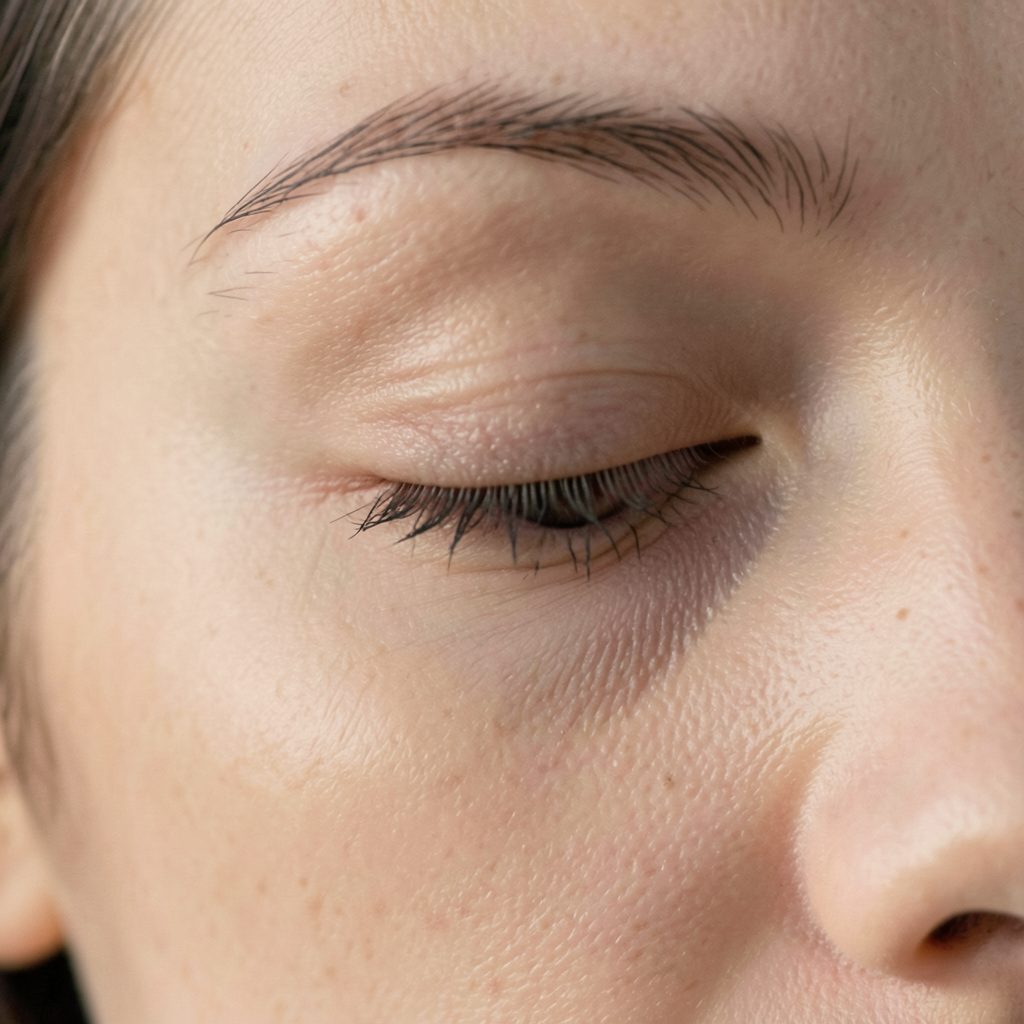
What Are Hooded Eyes?
Hooded eyes are a natural eye shape where an excess piece of skin from the brow bone partially or completely covers the eyelid. The result can make eyes appear smaller or more tired than they feel.
This shape can be present from birth due to genetics, or it can develop over time. Known causes include aging, genetic traits, eye rubbing, body fatness, muscle structure, trauma, solar radiation, and sleep apnea.
Upper eyelids that fold over the lash line are often called hooded, but this appearance can come from several anatomical changes. Two terms are especially important to separate: dermatochalasis describes lax, excess upper-eyelid skin, while ptosis describes a lowered upper-eyelid margin. The distinction helps explain why some people need skin removal, brow treatment or eyelid-lift repair rather than mascara alone.
Correct terminology also separates a cosmetic concern from a possible sight or eye-health issue. A fold can hide the eyelid crease, while ptosis may narrow the opening or cover part of the pupil. In Australia, assessment may involve a GP, optometrist, ophthalmologist or oculoplastic surgeon, with treatment choices shaped by whether the skin, brow, levator muscle or nerve is responsible.
The simplest distinction is tissue versus position. Dermatochalasis is excessive laxity of the skin envelope, often with a soft fold hanging forward over the crease and lash line. Ptosis is a position problem: the upper eyelid margin sits lower than expected because the levator palpebrae superioris, the main lifting muscle, or its nerve supply is not working normally.
Understanding how hooded eye anatomy differs from a drooping margin makes the terminology clearer. In dermatochalasis, the visible fold is usually the main feature, although weighty skin can physically pull the lid down and create apparent or pseudo-ptosis. A patient may therefore have both excess skin and reduced margin height.
Neither label tells the whole story. Brow position, facial movement, eye shape, lighting and makeup can make one condition resemble the other. A clinician checks the lid margin, crease, brow and pupil rather than diagnosing from a photograph or from the term hooded eyes.
Dermatochalasis usually develops with age as collagen and elastine decline, but genetics, weight changes and sun exposure affect how quickly it appears. Australia’s intense UV makes daily sun protection especially relevant: broad-spectrum SPF 50+, a hat and sunglasses help limit photodamage to the thin eyelid skin. Smoking and some connective-tissue conditions can also contribute to laxity.
Typical signs include a compressed or hidden upper-lid crease, a fold resting near the lashes, reduced space for eye makeup and a tired-looking upper eye. The eyebrow may look lower because heavy skin has accumulated in front of it. With marked dermatochalasis, the fold can rub against the lashes, contribute to irritation or trap moisture within the skin folds.
Skin removal is considered for functional problems as well as appearance, such as lashes catching on the fold, recurrent irritation or obstruction of the visual axis. A crease that is simply hidden does not automatically require surgery. The decision depends on symptoms, eyelid position and how much the condition affects daily life.
Ptosis means the upper eyelid margin has descended. The levator palpebrae superioris normally lifts the lid, assisted by Müller’s muscle; weakness, a detached tendon or nerve dysfunction can lower the margin. Severity is described by how far the lid rests relative to the pupil and visual axis. Even without excess skin, a person with ptosis can have a smaller eye opening and reduced upper-lid show.
Causes include age-related levator tendon changes, congenital weakness, trauma, scarring, certain medications and neuromuscular or neurological disease. One or both lids may be affected. Myasthenia gravis, third-nerve palsy and Horner syndrome are important examples clinicians may consider when ptosis is new, unequal or accompanied by changes in eye movement, pupil size or strength.
Sudden ptosis with double vision, unequal pupils, severe headache, weakness, or trouble speaking and swallowing needs urgent medical assessment. New drooping can also signal a condition that affects the whole body rather than an age-related cosmetic change. A routine appearance consultation is not an appropriate substitute for urgent care when those symptoms are present.
A hooded eye is an appearance, not a diagnosis. A low brow can create a visible fold, while a weak levator can create a low margin without much loose skin. Makeup, brow grooming, facial expressions and camera angles alter the apparent lid shape. Celebrity close-ups can be useful visual references, but photographs cannot establish either condition or show a patient’s baseline function.
During an examination, a clinician measures the upper-lid margin against the pupil, checks the crease and brow position, and asks whether the lid has changed over time. Visual acuity, pupils, eye movements and levator function are assessed when indicated. Photography in different gaze positions can reveal whether the opening narrows on looking down or whether one lid is lower than the other.
True ptosis can coexist with dermatochalasis. If the skin is heavy but the levator lifts the lid normally, removing the fold may restore the margin. If the muscle or nerve is affected, skin surgery alone will not correct the true droop. This is why an eyelid specialist’s assessment is more useful than choosing a procedure from images alone.
In Australia, a GP can arrange an ophthalmology referral when a drooping lid affects vision, appears suddenly or causes symptoms. An optometrist may identify a lid-position change during an eye examination, and a qualified ophthalmologist or oculoplastic surgeon can assess function and discuss surgery. Clinics are widely available in Sydney, Melbourne, Brisbane, Adelaide and Perth; regional patients may start by telehealth, although a physical eye examination is still needed.
A botulinum toxin brow lift, often requested as Botox, may suit a hooded look caused by a low brow and overactive brow depressors. It does not remove loose skin and does not repair a weak levator. Temporary eyelid droop can occur if the product spreads into the wrong area, while injection-related bleeding, bruising, headache and eyelid asymmetry are other possible effects. Botulinum toxin is a prescription medicine in Australia, so treatment should be performed by an appropriately qualified clinician using a TGA-approved product; AHPRA registration can be checked.
Upper blepharoplasty removes excess upper-lid skin and may reshape the crease. If true ptosis is present, ptosis repair, such as levator advancement or resection, is generally needed to lift the margin itself. The surgeon may combine procedures. Oculoplastic surgery can improve the aperture and visual axis, but it cannot normalise a pupil, and cosmetic goals should be discussed separately from functional aims.
After surgery, patients usually use prescribed drops or ointment, avoid rubbing and eye makeup, protect the eyes from UV and follow instructions about contacts, exercise and sleeping elevated. Risks include bleeding, infection, scarring, asymmetry, recurrent droop, dry eye, incomplete closure, eyelid turning outward and, rarely, changes in vision. Elective blepharoplasty is generally not covered by Medicare; a Medicare rebate may apply only when surgery is medically necessary under strict criteria. Private health extras policies vary and may exclude eyelid procedures or impose waiting periods, so check the policy before booking.
Makeup can balance a hooded lid without changing its anatomy. A soft matte or satin shadow placed above the visible crease, carefully defined brows and a lightly lined waterline can create more visible lid space. Avoid a thick crease colour that stops at the hidden fold, since it can exaggerate the droop. Waterproof mascara and a clear or dark inner corner can define the eye without adding weight.
Products marketed as eyelid-training tape are also available through Australian beauty retailers and online marketplaces. They may lift a fold temporarily by pulling the skin, but they do not strengthen the levator or treat nerve or muscle problems. Daily pulling can irritate the skin or provoke adhesive dermatitis, and removing strong tape can also damage the delicate eyelid surface. A review of long-term tape effects sets out why temporary correction should not be confused with treatment.
Lash lifts and extensions can make the upper lashes easier to see, yet they do not open the lid margin. They may worsen irritation or create a heavy, closed-eye look, particularly with true ptosis. Patch testing and a conservative lash choice are sensible for sensitive eyes. Anyone with a new droop, visual-field loss or persistent discomfort should have the lid assessed rather than relying on cosmetics.
The most useful starting point is a clear diagnosis and a record of symptoms. Note when the lid began to droop, whether one side differs, how much daylight covers the pupil and whether vision, comfort or the ability to wear makeup has changed. Bring those observations and any photographs to an eye-health or oculoplastic consultation.
Choose a clinician who can assess both skin and lid position, and ask specifically whether dermatochalasis, ptosis, a low brow or a combination is present. Book an in-person assessment before committing to blepharoplasty, brow lifting or toxin, and use gentle eye makeup and daily UV protection while you arrange it.
Surgical Option
For those seeking a more lasting result, plastic surgery — including blepharoplasty — is covered as a treatment option for hooded eyes. Surgery addresses the excess skin directly and is considered an alternative to non-surgical approaches like Botox.
The site's surgery guide explains the procedure, what to expect, and how it compares to non-surgical routes, helping readers make informed decisions about their options.
Read the Surgery Guide →Famous Faces
Hooded eyes can enhance facial expressions and contribute to a distinctive, memorable look. These ten well-known figures all share the eye shape.
Jennifer Aniston
Leonardo DiCaprio
Solange Knowles
Taylor Swift
Michelle Williams
Robert Pattinson
Blake Lively
Selena Gomez
Gigi Hadid
Benicio del Toro
Side by Side
False Lash Guide
Varied length spikes create texture and the illusion of depth without weighing down the lid.
Longer outer-corner lashes draw the eye outward and upward, counteracting the hood effect.
A uniform, moderate length that adds definition without overwhelming a hooded lid.
Applied only to the outer half, these open up the eye shape and are easier to manage on hooded lids.
A strong upward curl (D or L curl) lifts lashes away from the hood, keeping them visible throughout the day.
The guide also covers lash curlers, mascara recommendations, and step-by-step instructions for fixing false lashes on hooded eyelids.
Full Lash Guide →Get in Touch
Whether you are just beginning your makeup journey or have been experimenting with different looks for years, we are glad you are here.
General Feedback
Share your thoughts on the site or suggest topics you'd like covered.
Looking for a Specific Tip?
Ask about a particular technique or eye-shape challenge.
Product Questions
Questions about products mentioned across the site.
Human Resources or Business Inquiries
Partnership, collaboration, or business-related correspondence.