01
Makeup Tips
Eyeshadow placement, blending techniques, and common mistakes to avoid for a more open, lifted look.
Explore →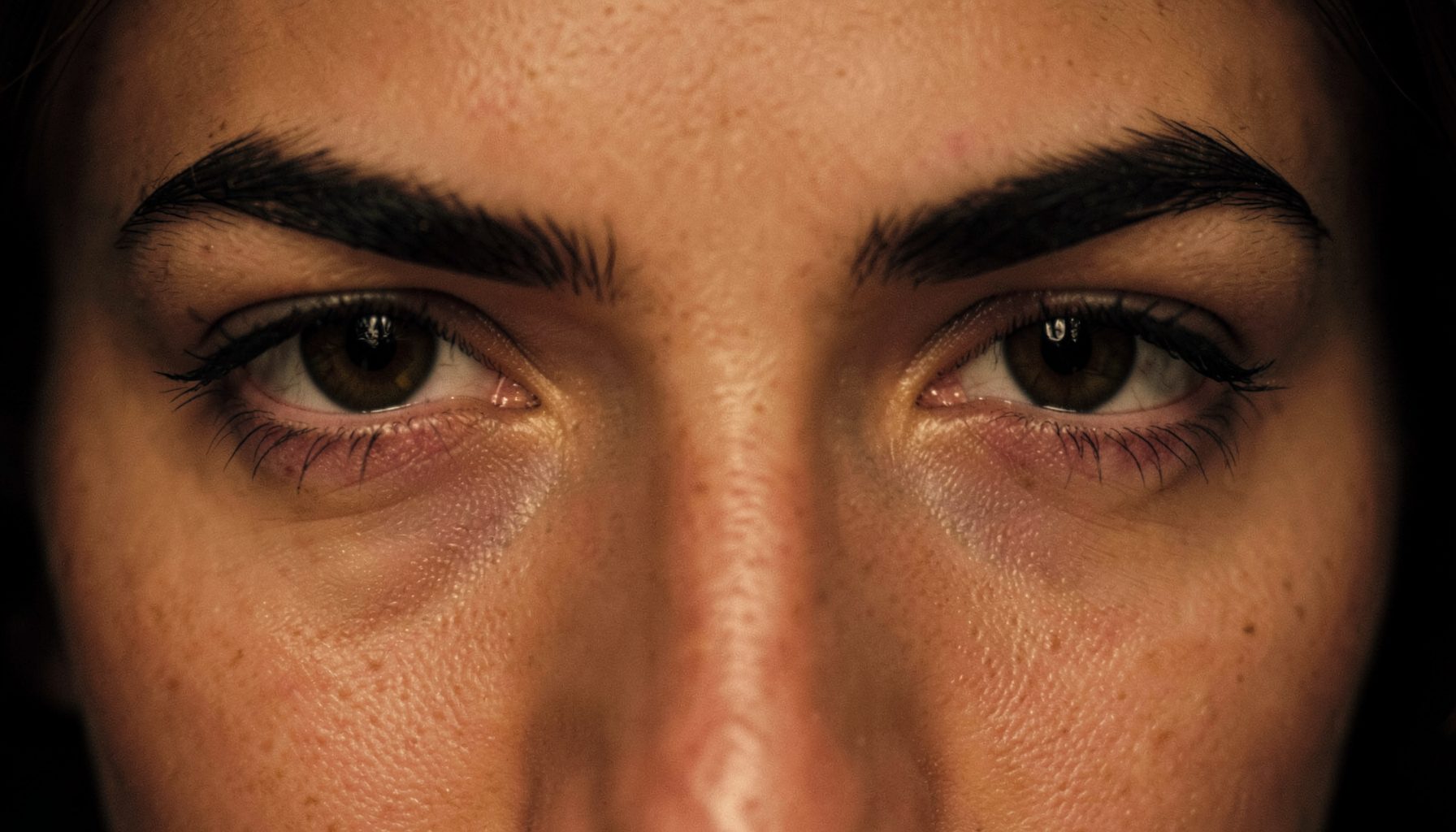
Eye Shape Guide
Understand your eye shape, master makeup techniques, and explore every treatment option — from Botox brow lifts to surgical solutions.
Explore the Site
Eyeshadow placement, blending techniques, and common mistakes to avoid for a more open, lifted look.
Explore →Winged liner, smudge prevention, and techniques that work with hooded lids to make eyes appear larger.
Explore →Non-surgical Botox brow lifts and surgical options including blepharoplasty, explained clearly.
Explore →Five false lash styles suited to hooded eyes, plus curler and mascara guidance for maximum lift.
Explore →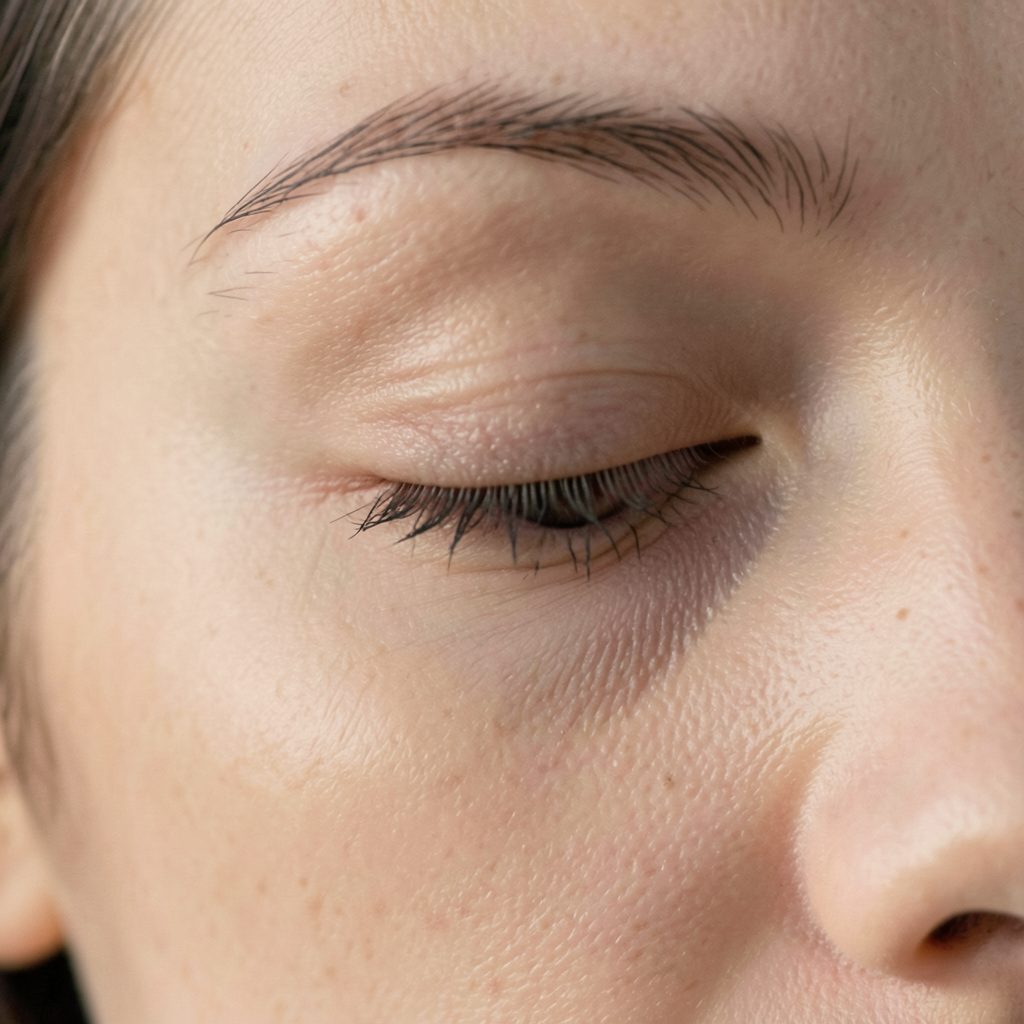
What Are Hooded Eyes?
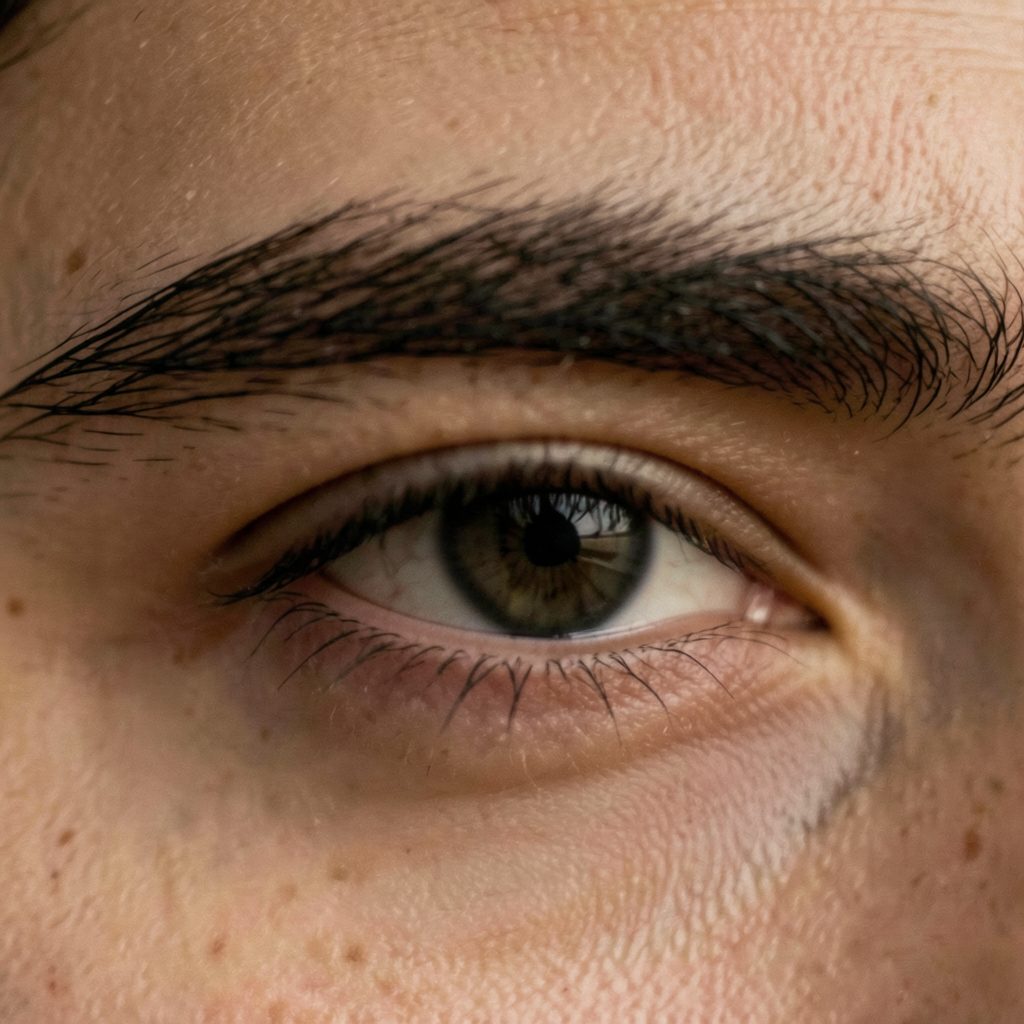
Hooded eyes are a natural eye shape where an excess piece of skin from the brow bone partially or completely covers the eyelid. The result can make eyes appear smaller or more tired than they feel.
This shape can be present from birth due to genetics, or it can develop over time. Known causes include aging, genetic traits, eye rubbing, body fatness, muscle structure, trauma, solar radiation, and sleep apnea.
Eyelid tape can make a hooded eyelid crease look more visible within minutes. The narrow strips sit in the natural fold or slightly above it, gently holding the upper-lid skin in a new position. For many people, that creates a cleaner eyeshadow area, makes eyeliner easier to place and gives the eyes a more open appearance without surgery.
The important detail is that eyelid tape creates a temporary visual change rather than permanently reshaping the eyelid. Long-term results depend on the adhesive, how often it is worn, how it is removed and whether the surrounding skin is prone to eczema, dryness or allergy. People in Australia also need to consider strong UV exposure, hot weather and the range of products sold through chemists, beauty retailers and online marketplaces.
| Approach | Short-term benefit | Possible long-term concern | Best use |
|---|---|---|---|
| Standard eyelid stickers | Quick crease definition | Irritation, pulling and adhesive sensitivity | Occasional wear |
| Fine mesh eyelid tape | Less visible under makeup | Dryness or lifting of delicate skin during removal | Photos or special events |
| Eyelid glue | Flexible placement | Higher risk of contact dermatitis and residue | Infrequent, careful use |
| Eye primer and makeup | No skin traction | Creasing if the formula is too emollient | Daily styling |
| Botox brow lift | Subtle brow-position change | Bruising, asymmetry or temporary drooping | Medical consultation only |
| Blepharoplasty | Structural removal of excess skin | Surgical risks, scarring and recovery time | Functional or long-term concerns |
Eyelid tape works through light mechanical support. When the strip is placed at the point where the upper lid naturally folds, the skin above it rests over the tape and forms a sharper line. Some products are designed as curved stickers, while others are thin mesh strips that become less noticeable once eyeshadow is applied.
This effect is particularly useful for hooded eyes, where the brow bone or upper-lid skin partially covers the mobile lid. Tape may make a small amount of lid space visible, but it does not alter the levator muscle, remove excess skin or change the underlying orbital structure. If the hood is caused by brow position, age-related skin laxity or true eyelid ptosis, the result may be modest.
The crease can also disappear when the tape becomes damp, oily or loose. That is common in Brisbane or Darwin during humid weather, after exercise or on a hot day at the beach. Sweat and sunscreen can reduce adhesion, while rubbing the eyes can move the strip and increase friction.
Tape can be useful for an occasional event, such as a wedding, work presentation or night out, but wearing it every day in the hope of training a permanent fold has limited scientific support. There is no reliable evidence that consumer eyelid tape permanently reshapes adult eyelids.
Upper-eyelid skin is among the thinnest on the face. Repeatedly applying and removing adhesive can disturb the skin barrier, especially when the strip is pulled off quickly or when cleansing oil is not given enough time to loosen the glue. Early signs of trouble include tightness, stinging, redness, flaking and sensitivity when applying moisturiser or eyeshadow.
Some people develop irritant contact dermatitis from friction, sweat or adhesive residue. Others may become sensitised to an ingredient and develop allergic contact dermatitis after repeated exposure. A reaction can appear as itchy, swollen or scaly skin and may spread beyond the exact outline of the tape. Fragrance, rosin-related ingredients, acrylates and preservatives can be triggers, although the formula varies between brands.
Regular traction does not automatically cause permanent eyelid sagging. However, forceful removal may contribute to inflammation and short-term puffiness, and repeated stretching is an unhelpful habit for already lax skin. If the eyelid remains swollen, painful or itchy after the product is removed, stop using it and seek advice from a GP, optometrist or dermatologist.
Australia’s sun can add another layer of concern. UV exposure accelerates collagen breakdown and pigmentation, so protecting the eye area with sunglasses, a broad-spectrum sunscreen suitable for the face and a hat matters more than trying to keep a crease fixed with adhesive. Sunscreen should not be placed directly into the eye or over irritated skin.
Not all eyelid tape is made to the same standard. A product purchased from an established Australian retailer, such as a major pharmacy or beauty chain, may provide clearer ingredient and usage information than an unlabelled marketplace listing. Chemist Warehouse and Priceline stock many beauty products, but shoppers still need to check the package rather than assume a familiar retailer makes every formula suitable for sensitive eyes.
Patch testing can reduce surprises, although the eyelid may react differently from the arm. Place a small amount of the adhesive on an inconspicuous area, such as behind the ear or on the inner forearm, and monitor it for a day or two. Do not test a new tape immediately before an important event, and avoid using it over eczema, broken skin, sunburn or an active rash.
Clean, dry skin generally gives better adhesion, so users may be tempted to skip moisturiser. That can leave the thin eyelid area dry and vulnerable. A gentle, fragrance-free moisturiser can be applied well before taping, allowing it to absorb fully. Avoid combining tape with lash glue, strong retinoids, exfoliating acids or fragranced eye products on the same day.
Removal should be slow and supported. Saturate the strip with a suitable eye-makeup remover or cleansing oil, wait for the adhesive to soften, then peel from the outer edge while holding the skin steady. Never rip it off after a long day. Wash away residue with a mild cleanser, pat dry and apply a bland moisturiser. Avoid using cotton buds aggressively around the lash line, where fibres and pressure can irritate the eye.
Makeup can create a more comfortable version of the same visual effect without daily pulling. A matte or satin eyeshadow placed slightly above the natural crease can give hooded eyes greater depth. Keeping the darkest shade near the outer corner and blending upward, rather than dragging it far across the lid, helps preserve visible space.
A thin, tight-lined eyeliner usually works better than a thick stripe across the mobile lid. Waterproof formulas may last in humid Australian conditions, but they can require more rubbing to remove, so a gentle bi-phase remover is useful. Curling the lashes and applying mascara mainly to the upper lashes can also lift the overall look without adhesive on the skin.
Eye primer can help prevent shadow from transferring into the fold. The formula should be thin and settable rather than oily, particularly for hooded lids. A practical eye primer guide can help compare textures and application methods before buying several products.
For everyday wear, consider these lower-tension habits:
If hooded skin obstructs the field of vision, causes heaviness or changes noticeably with age, tape may be masking a concern rather than addressing it. A qualified GP, optometrist or ophthalmologist can assess whether the issue relates to excess skin, brow descent, eyelid ptosis or normal anatomy. An eye examination is especially important when drooping is sudden, occurs on one side or comes with double vision, pain or other neurological symptoms.
A Botox brow lift is a non-surgical option sometimes discussed when brow position contributes to a hooded appearance. By relaxing selected muscles, treatment may create a small, temporary lift. Results depend heavily on anatomy and injector skill; too much relaxation or uneven placement can produce brow asymmetry, a heavy lid or temporary eyelid drooping. In Australia, cosmetic injections should be performed by an appropriately registered medical practitioner who can explain the product, risks and aftercare.
Blepharoplasty removes or repositions excess eyelid skin and, in some cases, fat. It is a surgical procedure rather than a beauty shortcut, with possible bruising, dry eyes, asymmetry, scarring, infection and changes in eyelid position. A specialist should explain whether surgery is cosmetic, functional or both. Medicare coverage is generally limited to clinically eligible circumstances, so purely cosmetic treatment is usually paid privately and costs vary between clinics and states.
Celebrity images can make a particular crease appear universal, even though lighting, lenses, editing, makeup and brow styling change what viewers see. Comparing different facial structures through celebrity examples can be useful, provided those images are treated as inspiration rather than proof that one technique suits every hooded eyelid.
Use eyelid tape as a styling accessory, not a promise of permanent eyelid transformation. Choose a clearly labelled product, apply it sparingly, remove it gently and give irritated skin time to recover. For persistent discomfort or concerns about vision and drooping, arrange an assessment with an Australian-registered health professional before escalating to stronger adhesives or cosmetic procedures.
Surgical Option
For those seeking a more lasting result, plastic surgery — including blepharoplasty — is covered as a treatment option for hooded eyes. Surgery addresses the excess skin directly and is considered an alternative to non-surgical approaches like Botox.
The site's surgery guide explains the procedure, what to expect, and how it compares to non-surgical routes, helping readers make informed decisions about their options.
Read the Surgery Guide →Famous Faces
Hooded eyes can enhance facial expressions and contribute to a distinctive, memorable look. These ten well-known figures all share the eye shape.
Jennifer Aniston
Leonardo DiCaprio
Solange Knowles
Taylor Swift
Michelle Williams
Robert Pattinson
Blake Lively
Selena Gomez
Gigi Hadid
Benicio del Toro
Side by Side
False Lash Guide
Varied length spikes create texture and the illusion of depth without weighing down the lid.
Longer outer-corner lashes draw the eye outward and upward, counteracting the hood effect.
A uniform, moderate length that adds definition without overwhelming a hooded lid.
Applied only to the outer half, these open up the eye shape and are easier to manage on hooded lids.
A strong upward curl (D or L curl) lifts lashes away from the hood, keeping them visible throughout the day.
The guide also covers lash curlers, mascara recommendations, and step-by-step instructions for fixing false lashes on hooded eyelids.
Full Lash Guide →Get in Touch
Whether you are just beginning your makeup journey or have been experimenting with different looks for years, we are glad you are here.
General Feedback
Share your thoughts on the site or suggest topics you'd like covered.
Looking for a Specific Tip?
Ask about a particular technique or eye-shape challenge.
Product Questions
Questions about products mentioned across the site.
Human Resources or Business Inquiries
Partnership, collaboration, or business-related correspondence.