01
Makeup Tips
Eyeshadow placement, blending techniques, and common mistakes to avoid for a more open, lifted look.
Explore →
Eye Shape Guide
Understand your eye shape, master makeup techniques, and explore every treatment option — from Botox brow lifts to surgical solutions.
Explore the Site
Eyeshadow placement, blending techniques, and common mistakes to avoid for a more open, lifted look.
Explore →Winged liner, smudge prevention, and techniques that work with hooded lids to make eyes appear larger.
Explore →Non-surgical Botox brow lifts and surgical options including blepharoplasty, explained clearly.
Explore →Five false lash styles suited to hooded eyes, plus curler and mascara guidance for maximum lift.
Explore →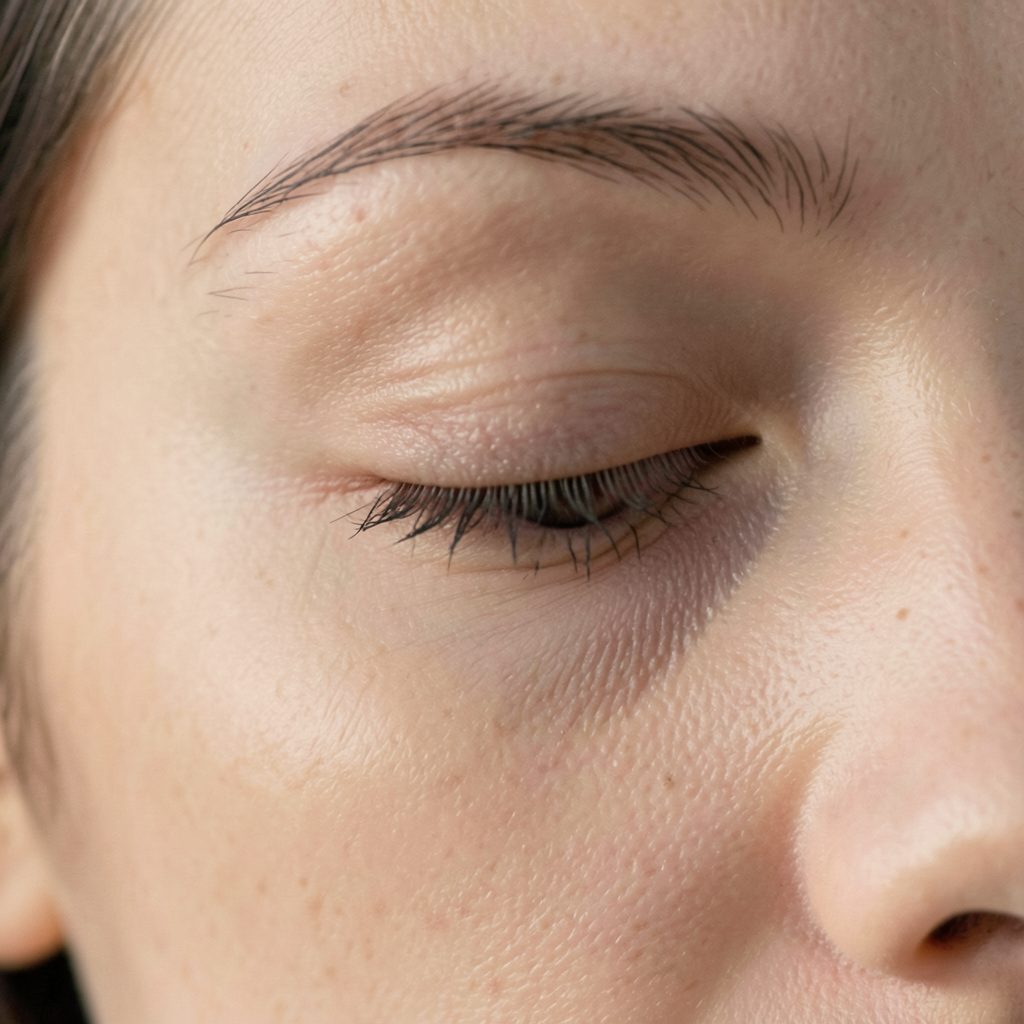
What Are Hooded Eyes?
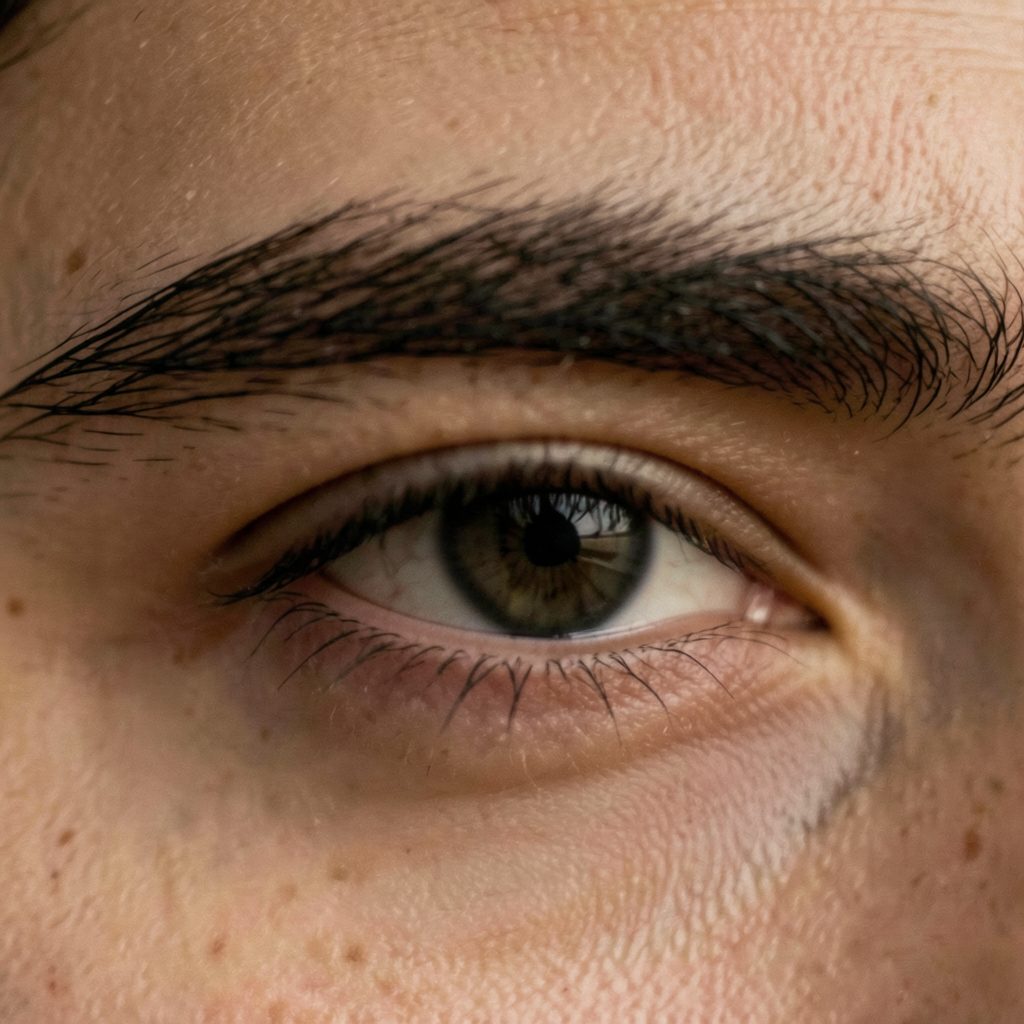
Hooded eyes are a natural eye shape where an excess piece of skin from the brow bone partially or completely covers the eyelid. The result can make eyes appear smaller or more tired than they feel.
This shape can be present from birth due to genetics, or it can develop over time. Known causes include aging, genetic traits, eye rubbing, body fatness, muscle structure, trauma, solar radiation, and sleep apnea.
An epicanthic fold is a vertical crease of skin beside the nose that overlaps the inner corner, or medial canthus, of the eye. It is common in many Asian populations but can occur in anyone. For some people, this extra skin also contributes to a hooded appearance around the upper eyelid.
Hooded eyes are usually defined by the upper eyelid: the crease is hidden, shallow or hard to see because lid skin sits over it. That is different from an epicanthic fold at the inner corner. The two features can occur together, making the eye look narrower and changing where shadow, liner and lashes can be placed.
Makeup can build definition without trying to erase anatomy. Work with the visible space, respect the fold and avoid packing colour into a crease that will disappear. With the right brush angle, cream textures and lash direction, the inner corner can stay soft while the outer eye gains lift.
For Australians, that means accounting for strong sun, humid days in Sydney and Melbourne, long commutes and an eye area that meets sweat and sunscreen. Products stocked by Sephora Australia, JB Hi-Fi, chemists and online marketplaces vary widely, so texture, wear and ingredient labels deserve as much attention as colour.
Also called an epicanthus, the fold extends from the nose toward the inner eyelid and can make the tear duct look less exposed. Its depth ranges from slight overlap to a pronounced web of skin. Some people notice it only in a mirror, while others have a more obvious fold. It is usually congenital, although trauma and age-related laxity can sometimes alter it.
Neither a monolid nor a visible crease is a synonym. A monolid describes little or no upper-lid crease, while an epicanthic fold concerns the medial canthus. You can have a monolid without an inner fold, a defined crease with one, or both features at once.
Genetics influence broad eye shape, but makeup depends on contrast and placement rather than an idealised eye. Notice whether shadow vanishes in the inner fold, liner interrupts the waterline and lashes point toward the nose. Those observations make technique more useful than a universal rule.
| Eye feature | Main area | Visual cue | Makeup response |
|---|---|---|---|
| Epicanthic fold | Inner corner beside the nose | Extra skin overlaps or crowds the tear duct | Keep the inner colour soft and avoid a hard line |
| Hooded upper lid | Upper eyelid | The crease is hidden or covered by lid skin | Place transition colour above the visible fold |
| Monolid | Upper eyelid | Little or no upper-lid crease is visible | Use satin colour and a clearly defined lash line |
| Visible upper crease | Upper eyelid | A distinct lid crease remains open | Define placement within the crease without overloading it |
Map the mobile lid rather than treating the whole socket as one surface. Look forward, then slightly down, and identify where the fold begins and ends. The upper-lid fold may hold a deeper shade, while the exposed area can take brighter colour. A small angled brush gives more control than broad sweeping motions.
An inner fold can leave only a narrow triangle of visible lid near the tear duct. Charcoal or black there can make the nose bridge look heavier and accentuate shadow in the crease. Keep the innermost point pale, especially if you line the waterline, where product can collect, flake or irritate the tear duct.
Shape should follow the outer two-thirds of the eye. Extend shadow beyond the outer canthus in a soft tail for lift, but do not force a wing past the natural lash line. If a fold bothers you, use a lightly concealing tone rather than drawing a hard outline along it.
Preparation matters on Australian mornings because lightweight sunscreen around the eyes can move with sweat. Pat on fragrance-free moisturiser, let it and your sunscreen dry, then use primer only where needed. A waterproof base may suit a beach day, while a breathable formula can be kinder for office air-conditioning.
Choose satin or matte shadow if you want the crease to remain visible. Shimmer can catch on a hooded fold and look textured, although a little liquid shimmer on the centre of the lid may work. Cream colour needs less powder and can move as the lid folds, so press rather than scrub.
Useful base choices
Effective colour choices
Test one base at a time. If the lid folds further during the day, remove primer from the crease and keep only the lash-line area prepared.
Apply the lightest shade with a small flat brush from the inner visible corner toward the centre. Add a slightly deeper transition shade above it, keeping the brush angled so it follows the socket rather than filling the fold. Blend in short, gentle movements; a large fluffy brush can place colour where the lid cannot display it.
Eyeliner needs a deliberate endpoint. A soft pencil or brown-grey line defines the upper lash line without sealing off the inner corner. For lift, start at the outer third and draw a short tail that echoes the brow direction. If your natural line curves downward, a restrained upward flick may help more than extending it far outward.
Some people try massage or at-home eye exercises hoping to open the eye area. Exercises may ease muscle tension or temporarily reduce puffiness, but they cannot remove an epicanthic fold, alter bony anatomy or create a lasting crease. Persistent swelling, pain or asymmetry needs assessment rather than repeated rubbing.
Apply mascara before deciding that lashes need to be extremely long. Curl only the section that holds a clean shape, then coat from the roots in thin layers. A waterproof formula can resist humidity, although it may need careful removal. If inner lashes cross toward the nose, leave them lightly coated to limit irritation.
False lashes can make the visible opening look larger, but the band should follow the natural lash line rather than cross the inner fold. Measure from the outer corner to the centre of the eye and trim from the outer edge. Sparse clusters often sit more easily on a hooded eye than a full strip; compare suitable lash styles before choosing a dramatic set.
Use a precise adhesive and press the band at the outer third first. Let it set before adjusting the inner corner. If your lashes point inward, separate them gently with a clean lash comb after drying. The aim is visible definition, not a dense fringe that changes the eye's proportions.
A Botox brow lift can change the balance above the eye, but it does not remove a fold at the inner corner. Prescription botulinum toxin may relax muscles that pull the brow down when dynamic brow ptosis contributes to hooding. Results are temporary, and a crease may remain. An oculoplastic surgeon can distinguish brow position from excess lid skin or drooping of the lid margin itself. Temporary bruising, brow asymmetry or eyelid droop are possible.
Blepharoplasty is surgery on the upper eyelid. Depending on your anatomy, it may remove excess skin and reshape the upper-lid fold, but it does not automatically remove an epicanthic fold. A medial epicanthoplasty is a separate inner-corner procedure. Ask the surgeon exactly which tissue will be changed and how that change relates to your makeup routine.
Before either treatment, disclose medicines, supplements, allergies and previous eye surgery; do not stop prescribed medicine without advice. After injectables, follow product-specific directions on staying upright, rubbing, alcohol, exercise and makeup. After blepharoplasty, expect prescribed drops, sterile cleaning, swelling control and no rubbing or contact lenses until cleared, plus a written timeline for eye makeup. Risks include infection, scarring, asymmetry, dry eye and incomplete eyelid closure. Vision changes or an eye that cannot close require urgent review.
Australian clinics in Sydney, Melbourne, Brisbane and Adelaide operate under state and territory health and clinical-setting rules. The TGA regulates prescription botulinum toxin and its advertising, while registered practitioners must meet AHPRA professional and advertising standards. Consent should cover likely outcomes, recovery, risks and costs in Australian dollars. A before-and-after image is not proof that another person will receive the same result.
Understanding the distinction makes hooded eye makeup a set of small, repeatable choices. Work in daylight as well as indoor light, photograph the eye without forcing it open, and compare front and side views. These checks reveal whether the inner fold has become muddy or whether liner and lashes have created the lift you wanted.
Keep the routine flexible. A fold can look different after sleep, allergies, contact lenses or a change in brow position, so pencil and cream textures may work better than a heavy fixed wing. Remove colour with a suitable cleanser and cleanse the lash line gently, reducing the need to rub the medial canthus.
Explore the hooded eyes resource for eye-shape guidance, product ideas and treatment information, then build a look that enhances your visible lid without fighting your anatomy. Start with one change at a time, photograph the result and keep the products that make the eye feel open, comfortable and recognisably yours.
Surgical Option
For those seeking a more lasting result, plastic surgery — including blepharoplasty — is covered as a treatment option for hooded eyes. Surgery addresses the excess skin directly and is considered an alternative to non-surgical approaches like Botox.
The site's surgery guide explains the procedure, what to expect, and how it compares to non-surgical routes, helping readers make informed decisions about their options.
Read the Surgery Guide →Famous Faces
Hooded eyes can enhance facial expressions and contribute to a distinctive, memorable look. These ten well-known figures all share the eye shape.
Jennifer Aniston
Leonardo DiCaprio
Solange Knowles
Taylor Swift
Michelle Williams
Robert Pattinson
Blake Lively
Selena Gomez
Gigi Hadid
Benicio del Toro
Side by Side
False Lash Guide
Varied length spikes create texture and the illusion of depth without weighing down the lid.
Longer outer-corner lashes draw the eye outward and upward, counteracting the hood effect.
A uniform, moderate length that adds definition without overwhelming a hooded lid.
Applied only to the outer half, these open up the eye shape and are easier to manage on hooded lids.
A strong upward curl (D or L curl) lifts lashes away from the hood, keeping them visible throughout the day.
The guide also covers lash curlers, mascara recommendations, and step-by-step instructions for fixing false lashes on hooded eyelids.
Full Lash Guide →Get in Touch
Whether you are just beginning your makeup journey or have been experimenting with different looks for years, we are glad you are here.
General Feedback
Share your thoughts on the site or suggest topics you'd like covered.
Looking for a Specific Tip?
Ask about a particular technique or eye-shape challenge.
Product Questions
Questions about products mentioned across the site.
Human Resources or Business Inquiries
Partnership, collaboration, or business-related correspondence.