01
Makeup Tips
Eyeshadow placement, blending techniques, and common mistakes to avoid for a more open, lifted look.
Explore →
Eye Shape Guide
Understand your eye shape, master makeup techniques, and explore every treatment option — from Botox brow lifts to surgical solutions.
Explore the Site
Eyeshadow placement, blending techniques, and common mistakes to avoid for a more open, lifted look.
Explore →Winged liner, smudge prevention, and techniques that work with hooded lids to make eyes appear larger.
Explore →Non-surgical Botox brow lifts and surgical options including blepharoplasty, explained clearly.
Explore →Five false lash styles suited to hooded eyes, plus curler and mascara guidance for maximum lift.
Explore →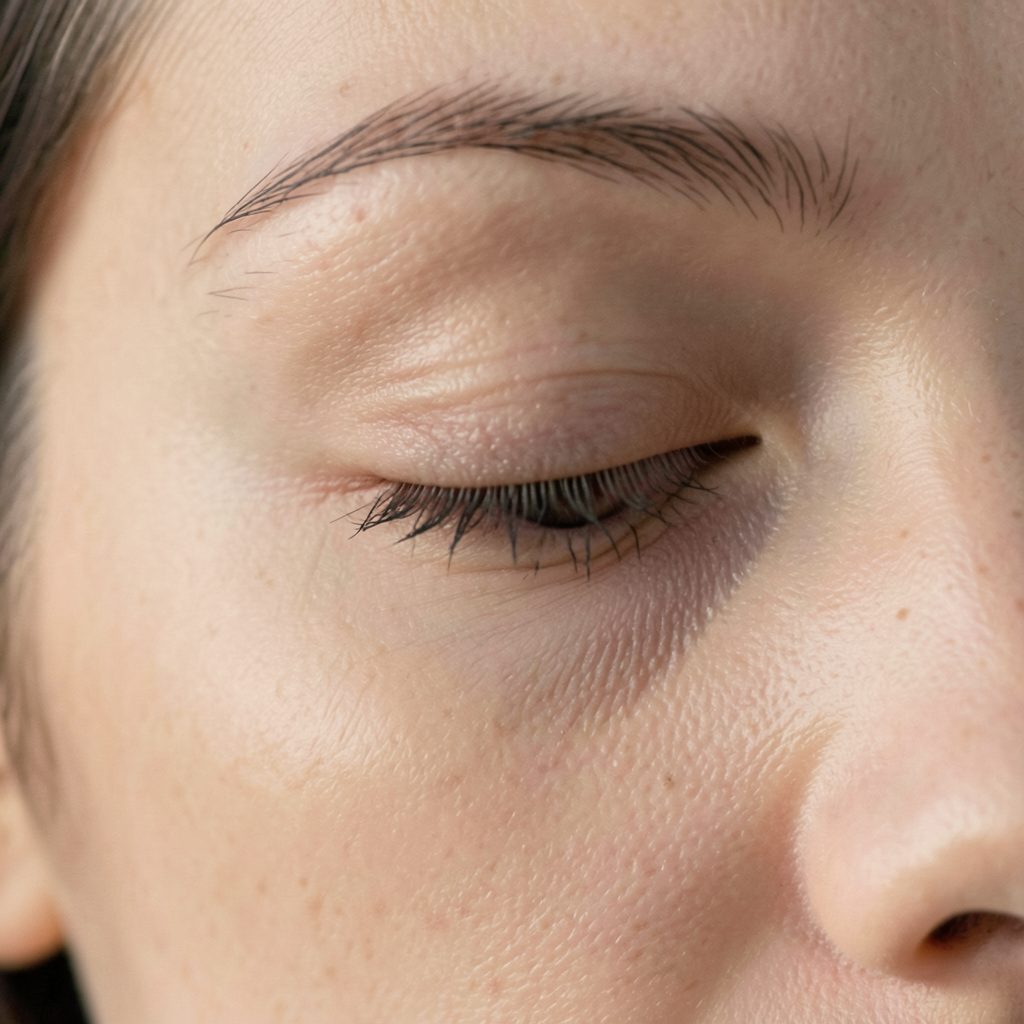
What Are Hooded Eyes?
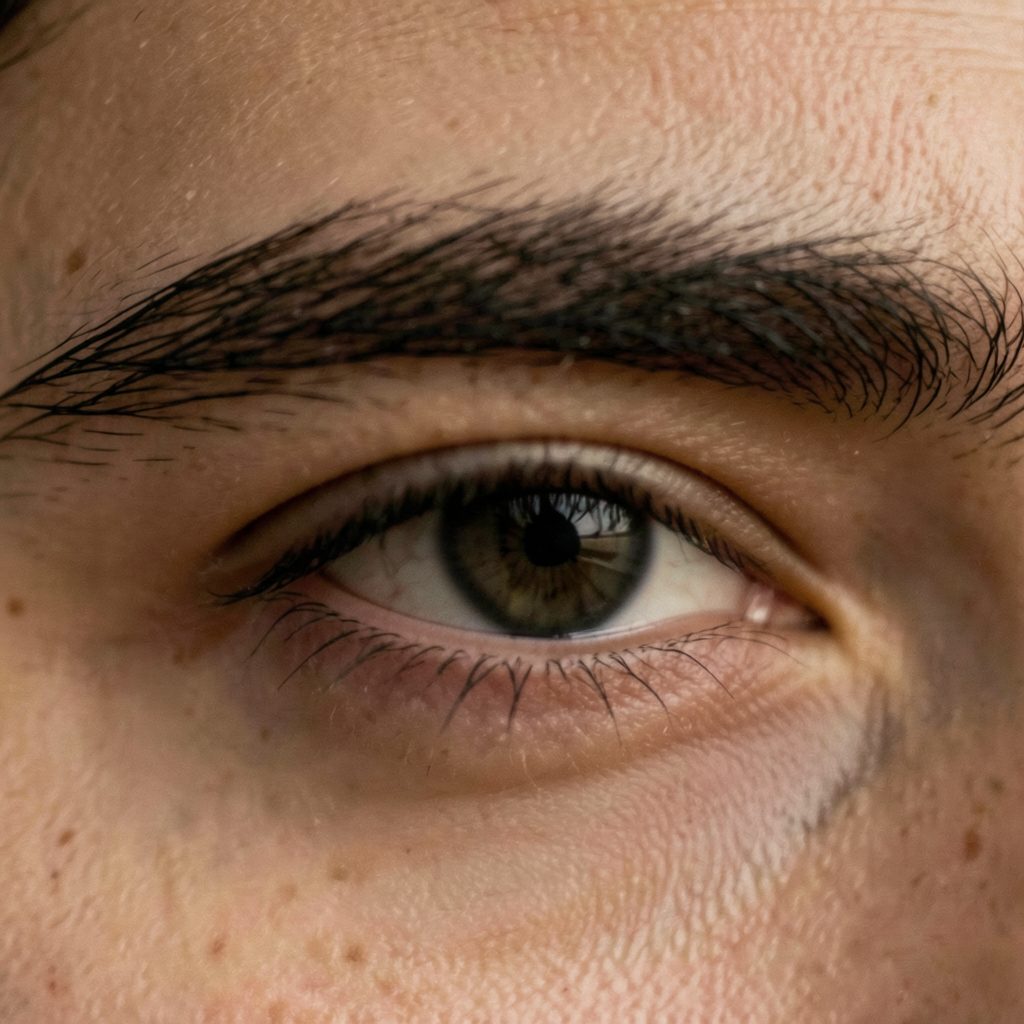
Hooded eyes are a natural eye shape where an excess piece of skin from the brow bone partially or completely covers the eyelid. The result can make eyes appear smaller or more tired than they feel.
This shape can be present from birth due to genetics, or it can develop over time. Known causes include aging, genetic traits, eye rubbing, body fatness, muscle structure, trauma, solar radiation, and sleep apnea.
Hooded eyes have a fold of skin that partially covers the eyelid crease, often creating a heavier-looking upper lid. This shape can be inherited, influenced by brow position, or become more noticeable when the upper eyelid has extra skin or fat. In young adults, the appearance is usually stable and genetic rather than an inevitable sign of ageing.
Eyelid surgery, or upper blepharoplasty, can alter the amount of skin and tissue around the eye, but it is still an operation with permanent effects and real risks. For someone in their twenties or thirties, the decision deserves a careful assessment of anatomy, motivation, future changes and suitable non-surgical options.
“Hooded” describes an appearance rather than a single medical condition. Some people have a low-set brow or a deep orbital structure, while others have mild eyelid skin excess, a genuine drooping eyelid called ptosis, or brows that sit lower than usual. These causes can look similar in photographs but require different treatments.
Makeup difficulty is a common concern. Eyeshadow may disappear when the eyes are open, eyeliner can transfer to the upper lid, and mascara may leave marks beneath the brow. However, a hooded appearance does not automatically mean there is a functional problem. If vision is clear and the eyes feel comfortable, surgery is generally an elective aesthetic decision.
An eye specialist should also check for dry eye, asymmetry, previous trauma and eyelid muscle function. In Australia, a consultation with an ophthalmologist, oculoplastic surgeon or appropriately qualified plastic surgeon can help distinguish cosmetic hooding from ptosis or brow descent. Confirm the practitioner’s registration through the Australian Health Practitioner Regulation Agency before booking.
The main benefit is a more visible upper eyelid area. A surgeon may remove a conservative strip of skin and, where appropriate, adjust small amounts of muscle or fat. The result can make the crease easier to see and create more room for eyeshadow or a fine eyeliner style without relying on heavy makeup.
Some young adults also report a less tired appearance, especially when the hooding is uneven or the lid fold has become increasingly prominent. If excess skin genuinely interferes with the upper field of vision, surgery may improve that issue. Functional improvement should be assessed formally rather than assumed from a selfie or a family member’s opinion.
Results are often long-lasting because removed skin does not grow back in the same way. Ageing, changes in weight, sun exposure and brow movement will continue, though. Australia’s strong ultraviolet exposure makes daily broad-spectrum sunscreen, sunglasses and sensible sun protection especially relevant after healing, even when surgery was performed for appearance alone.
The outcome also depends on restraint. Removing too much skin can produce a hollow, startled or over-tight look, while aggressive fat removal may make the eyes appear older later. A natural result usually preserves enough tissue for normal blinking and future changes.
Blepharoplasty does not transform the entire eye area. It cannot reliably change eye colour, orbital shape or the fundamental position of the brow. If low brows are the principal cause of the hooded look, removing eyelid skin alone may create little improvement or place unwanted tension on the eyelid.
Short-term effects can include swelling, bruising, tightness, mild discomfort, watery eyes and temporary blurred vision. Incisions may remain pink or firm for several weeks. Less common complications include infection, bleeding, asymmetry, visible scarring, difficulty closing the eyes, persistent dry eye and changes to eyelid position.
Rare but serious complications can affect vision and require urgent care. Risks may be higher for people with thyroid eye disease, significant dry eye, clotting problems, uncontrolled medical conditions or previous eye surgery. A complete medical history, medication review and realistic discussion of complications are essential.
Young adults should consider the psychological side as carefully as the physical side. Surgery may improve a specific concern, but it cannot guarantee greater confidence or solve pressure created by social media filters. Be cautious if a clinic promises “perfect” symmetry, uses urgency to secure a deposit or recommends multiple procedures before explaining simpler options.
A suitable candidate usually has stable concerns, healthy eyes, realistic expectations and enough emotional maturity to accept an imperfect result. The best reason is a persistent personal preference after learning what the operation can and cannot change. Pressure from a partner, trend or online beauty standard is a weak foundation for an irreversible procedure.
Ask the surgeon to explain whether the issue is excess skin, fat, brow position, eyelid ptosis or a combination. Request front-facing and side photographs of comparable patients, while remembering that healing and anatomy vary. It is reasonable to obtain a second opinion, particularly when surgery is suggested at a young age.
Useful points to discuss during consultations include:
In Australia, cosmetic surgery is usually paid privately, and Medicare generally does not cover an operation performed solely to change appearance. Private health insurance may apply only when strict functional criteria are met, so ask for an itemised quote covering the surgeon, anaesthetist, hospital, medication and follow-up appointments.
Preparation begins well before the operation. Bring a list of medicines, supplements, allergies, previous procedures and eye symptoms. Tell the surgeon about contact lenses, migraines, eczema around the eyes and any tendency to form raised scars. Do not stop prescribed medication without medical advice, even if a clinic provides general instructions about blood-thinning drugs.
Before committing, check the cooling-off and cancellation terms, the accreditation of the facility and who will provide after-hours assistance. A trustworthy clinic should explain consent documents in plain English and allow time to decide. In Sydney, Melbourne, Brisbane, Perth and regional centres, costs and waiting times can vary considerably, so a cheaper quote may reflect differences in facility or aftercare rather than a bargain.
Practical planning can make recovery less stressful. Arrange transport home, time away from work or study, chilled compresses and someone to help during the first night. Avoid scheduling surgery just before a wedding, long-haul flight, major exam or a hot beach holiday.
A preparation checklist can include:
Most people experience the most swelling and bruising during the first several days, followed by gradual improvement. Gentle walking may be encouraged, while strenuous exercise, swimming and bending may need to wait until the surgeon approves them. Stitches, if used, are removed or reviewed according to the technique and healing pattern.
Do not rub the eyes or apply cosmetics until the wound is sufficiently healed. Follow the prescribed cleaning and lubrication instructions exactly. Vision that becomes suddenly worse, severe pain, increasing redness, heavy bleeding or an inability to close the eye requires prompt medical attention rather than waiting for a routine appointment.
The final appearance can take several months to settle. Early asymmetry is common because each side swells differently. Scars often soften with time, but their visibility depends on genetics, skin tone, incision placement and sun exposure. Sunglasses and SPF around, but not directly on, healing incisions can help protect the area once approved by the clinician.
For people comparing procedures, this thread lift comparison explains why a temporary brow or skin-lifting approach is different from removing eyelid tissue. It should not replace an in-person assessment, especially where ptosis or dry eye may be involved.
Makeup remains a low-risk way to work with hooded eyes. A matte transition shade placed slightly above the natural fold can remain visible when the eyes are open, while a thin, lifted liner and curled lashes can open the appearance. Waterproof products may reduce transfer, although persistent irritation or dermatitis is a reason to stop and seek medical advice.
A Botox brow lift may create a subtle change by relaxing selected muscles, but the effect is temporary and technique-sensitive. Incorrect placement can cause brow heaviness or eyelid drooping. Fillers and threads around the eye also have limitations, and the thin, highly vascular skin in this area makes injector experience particularly important. This overview of non-surgical options can help separate temporary camouflage from structural surgery.
Non-surgical treatments are not automatically safer. Infection, vascular complications, asymmetry, migration, allergic reactions and unwanted swelling are possible, especially with injectable products. Ask what product is being used, whether it is approved for the intended purpose, how complications are managed and what happens if the result is unsatisfactory.
A young adult may reasonably choose to wait, use makeup techniques or revisit the decision later. Stability over time can clarify whether the concern is persistent and whether a subtle brow adjustment, ptosis assessment or no treatment at all is the most appropriate path.
Arrange a consultation with a qualified Australian eye or plastic surgery professional, bring clear goals and ask for a complete explanation of benefits, limitations, costs and risks. Take time to compare advice before signing consent, and choose the option that protects comfortable eye function as carefully as it considers appearance.
Surgical Option
For those seeking a more lasting result, plastic surgery — including blepharoplasty — is covered as a treatment option for hooded eyes. Surgery addresses the excess skin directly and is considered an alternative to non-surgical approaches like Botox.
The site's surgery guide explains the procedure, what to expect, and how it compares to non-surgical routes, helping readers make informed decisions about their options.
Read the Surgery Guide →Famous Faces
Hooded eyes can enhance facial expressions and contribute to a distinctive, memorable look. These ten well-known figures all share the eye shape.
Jennifer Aniston
Leonardo DiCaprio
Solange Knowles
Taylor Swift
Michelle Williams
Robert Pattinson
Blake Lively
Selena Gomez
Gigi Hadid
Benicio del Toro
Side by Side
False Lash Guide
Varied length spikes create texture and the illusion of depth without weighing down the lid.
Longer outer-corner lashes draw the eye outward and upward, counteracting the hood effect.
A uniform, moderate length that adds definition without overwhelming a hooded lid.
Applied only to the outer half, these open up the eye shape and are easier to manage on hooded lids.
A strong upward curl (D or L curl) lifts lashes away from the hood, keeping them visible throughout the day.
The guide also covers lash curlers, mascara recommendations, and step-by-step instructions for fixing false lashes on hooded eyelids.
Full Lash Guide →Get in Touch
Whether you are just beginning your makeup journey or have been experimenting with different looks for years, we are glad you are here.
General Feedback
Share your thoughts on the site or suggest topics you'd like covered.
Looking for a Specific Tip?
Ask about a particular technique or eye-shape challenge.
Product Questions
Questions about products mentioned across the site.
Human Resources or Business Inquiries
Partnership, collaboration, or business-related correspondence.