01
Makeup Tips
Eyeshadow placement, blending techniques, and common mistakes to avoid for a more open, lifted look.
Explore →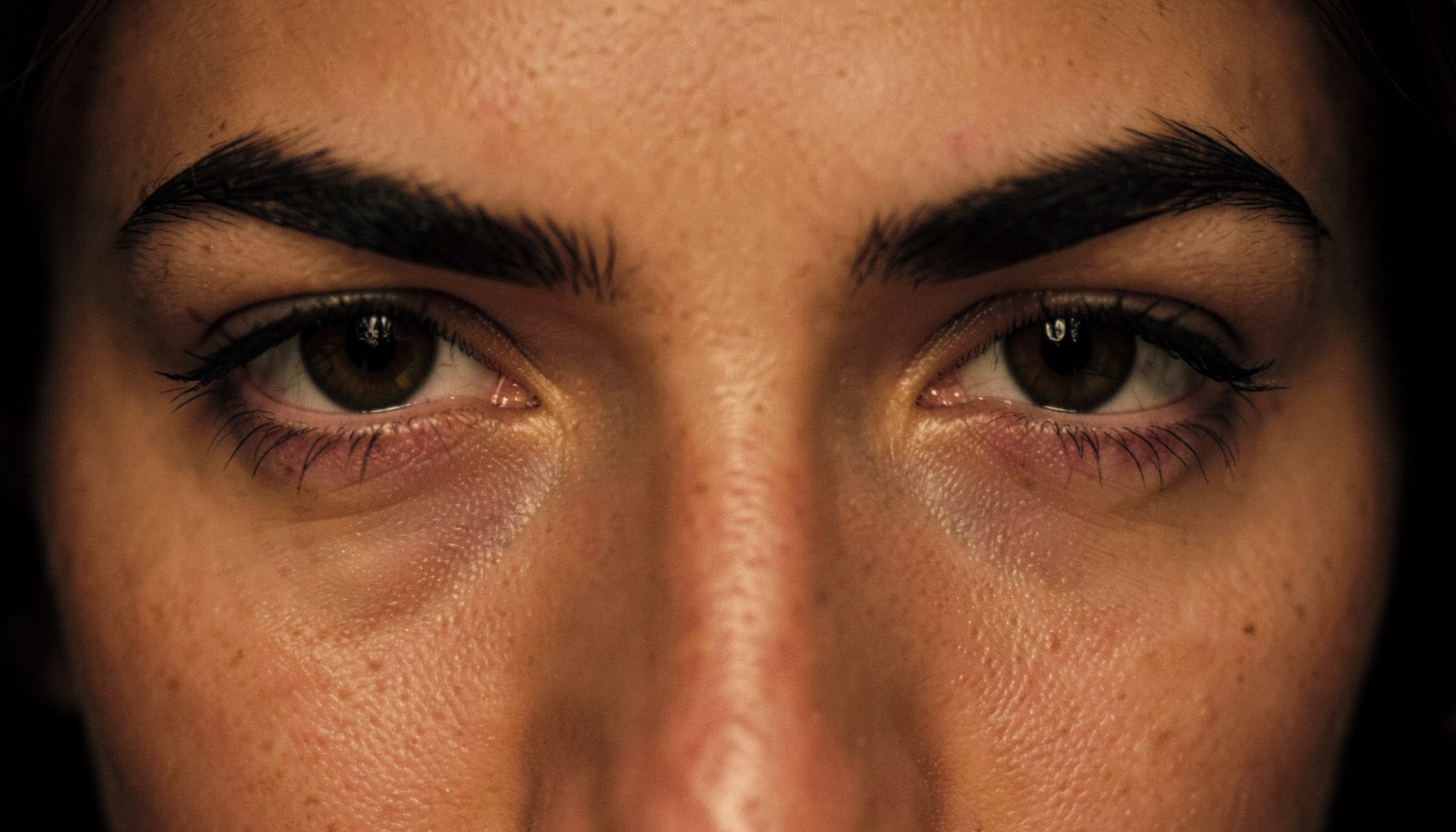
Eye Shape Guide
Understand your eye shape, master makeup techniques, and explore every treatment option — from Botox brow lifts to surgical solutions.
Explore the Site
Eyeshadow placement, blending techniques, and common mistakes to avoid for a more open, lifted look.
Explore →Winged liner, smudge prevention, and techniques that work with hooded lids to make eyes appear larger.
Explore →Non-surgical Botox brow lifts and surgical options including blepharoplasty, explained clearly.
Explore →Five false lash styles suited to hooded eyes, plus curler and mascara guidance for maximum lift.
Explore →
What Are Hooded Eyes?
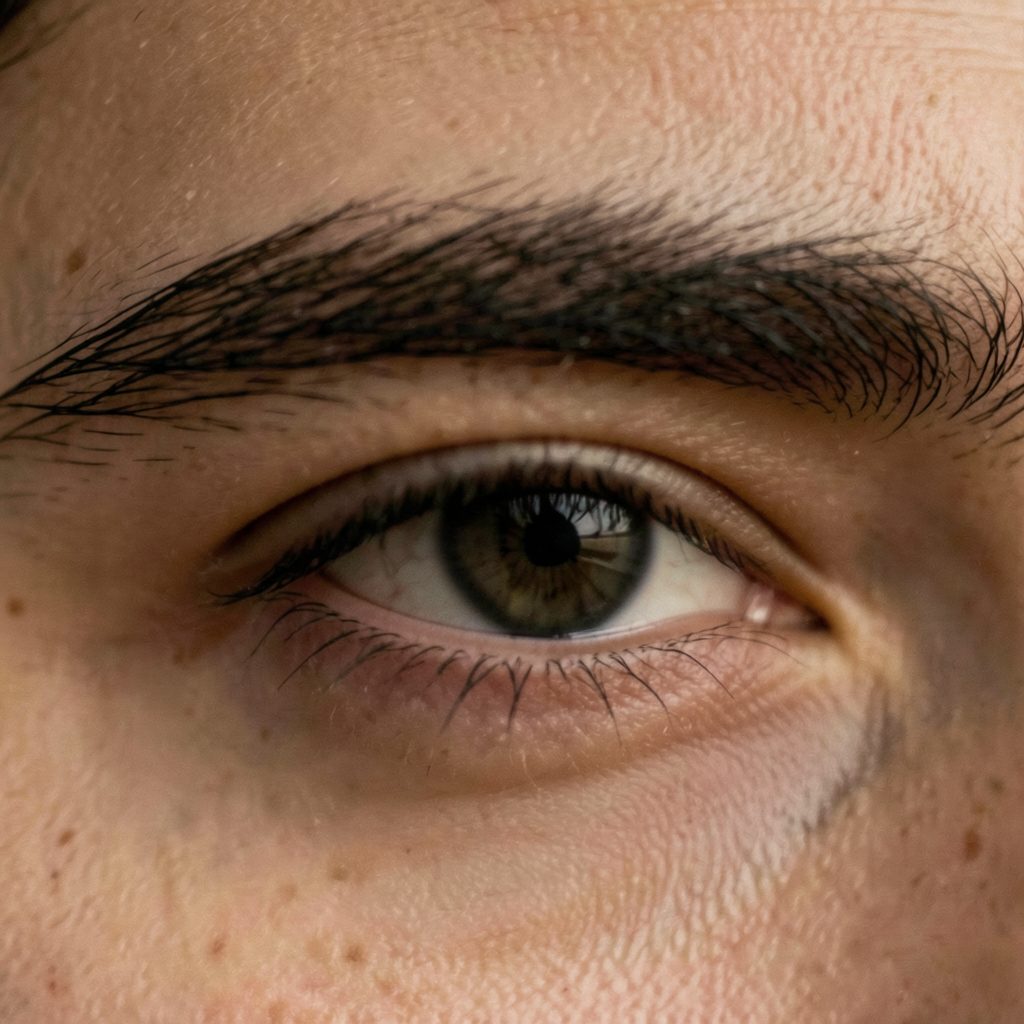
Hooded eyes are a natural eye shape where an excess piece of skin from the brow bone partially or completely covers the eyelid. The result can make eyes appear smaller or more tired than they feel.
This shape can be present from birth due to genetics, or it can develop over time. Known causes include aging, genetic traits, eye rubbing, body fatness, muscle structure, trauma, solar radiation, and sleep apnea.
Hooded eyes occur when excess skin and soft tissue fold down from the brow bone, partially covering the upper lid crease. The shape can be inherited or develop gradually as collagen and elastin levels decline with age. Many Australians first notice the change in their late thirties or forties, often while applying makeup and finding that their usual eyeshadow simply disappears into the fold.
In cities like Sydney, Melbourne and Brisbane, awareness of eye-area rejuvenation has grown alongside the broader boom in non-invasive cosmetic work. Local clinics report steady interest from people who want a refreshed look without the downtime of surgery, particularly those with busy professional lives. The Australian sun also plays a role, since long-term UV exposure accelerates skin laxity around the eyes more noticeably than in cooler climates.
Three approaches dominate the non-surgical conversation: dermal fillers, thread lifts and energy-based skin tightening. Each works through a different mechanism, suits different stages of hooding, and carries its own profile of cost, longevity and risk. Understanding the distinctions helps you walk into a consultation with realistic expectations and a sense of what to ask.
This guide walks through the science, the practical differences, and what to look for when booking a treatment in Australia. It also covers aftercare in our specific climate and the credentials that separate reputable practitioners from the rest.
The upper eyelid is supported by the levator muscle, the orbital septum and a thin layer of skin. When the brow descends slightly, or when the skin above the crease loses elasticity, the visible lid space shrinks. Some people are born with a low-set brow or a deep-set socket that creates a hooded appearance from childhood. Others acquire it through repeated squinting, dehydration, or years of unprotected sun exposure, which is particularly relevant across most of Australia.
Smoking, poor sleep and significant weight loss can all thin the supporting fat pads around the eye. The result is a heavier fold and a less defined crease, which in turn changes how light hits the lid and how makeup performs. Readers weighing up their options often find it helpful to compare eyeshadow choices once they understand their own lid shape, since the right finish can flatter the eye area even before any clinical treatment.
Non-surgical options aim to address the structural contributors rather than simply hide the hood. Fillers can restore volume that has shifted away from the temple and brow tail. Threads can mechanically lift the deeper tissues. Energy-based tightening can remodel collagen in the skin envelope itself. Each treatment works on a different layer, which is why combination plans are common.
Hyaluronic acid fillers are most often placed in the temple hollow and along the lateral brow, not directly in the lid. Replenishing volume in the temple lifts the tail of the brow indirectly, opening the outer corner of the eye. Some practitioners also use a thin, firm filler along the brow bone to add subtle structure, although this is technically advanced and not appropriate for every anatomy.
Results appear immediately and settle over two weeks. In Australian clinics, pricing for temple and brow-tail filler typically ranges from AUD 800 to AUD 1,400 per session depending on the product and the practitioner’s experience. The effect generally lasts twelve to eighteen months, although metabolism, exercise habits and sun exposure all influence longevity.
The main risks include bruising, asymmetry, and in rare cases vascular occlusion. Choosing a clinician trained in advanced facial anatomy and equipped with hyaluronidase reduces these concerns significantly. Most patients return to desk work the same day, though strenuous exercise is usually postponed for forty-eight hours.
Thread lifts use fine absorbable sutures with tiny cones or barbs that grip the deeper soft tissue. When the threads are pulled, they lift the brow tail and the cheek slightly, which softens the heaviness over the outer eye. The threads dissolve over six to nine months, but the collagen they stimulate can maintain some lift for up to two years.
The procedure takes roughly forty-five minutes under local anaesthetic. Downtime is typically three to five days of mild swelling and tightness, which fits well with a long weekend. Costs in Sydney and Melbourne sit between AUD 1,800 and AUD 3,500 for a brow-focused lift, reflecting both the materials and the time required.
Threads are best suited to mild to moderate hooding with good skin quality. They are not a substitute for surgery when significant excess skin is present, and an experienced injector will tell you honestly whether you fall into that category. Patients should also expect some asymmetry during the first few weeks as tissues settle, which usually resolves without intervention.
Energy-based devices such as Ultherapy and various radiofrequency platforms deliver controlled heat into the deeper dermal layers. This stimulates collagen contraction and new collagen formation, gradually firming the skin above the eye. A single session can produce visible tightening over two to three months, with continued improvement for up to six months.
These treatments appeal to people who want no needles, no downtime and a very natural progression. Sessions last thirty to ninety minutes, and most people resume normal activity straight away. Australian pricing for a full eye-area protocol generally falls between AUD 1,200 and AUD 2,500, depending on the device and whether a single or stacked approach is recommended.
Skin tightening works best for early hooding, or as a maintenance treatment after fillers or threads. It cannot replace lost volume, and it has less impact on deeper tissue descent. Combining it with a thread lift or strategic filler placement is common in well-planned treatment plans developed over several visits.
| Treatment | Primary mechanism | Typical cost in Australia | Downtime | Best suited for | Longevity |
|---|---|---|---|---|---|
| Dermal fillers | Restore volume in temple and brow tail | AUD 800 to AUD 1,400 | 1 to 2 days | Volume loss and mild descent | 12 to 18 months |
| Thread lifts | Mechanical lift via absorbable sutures | AUD 1,800 to AUD 3,500 | 3 to 5 days | Mild to moderate hooding with good skin quality | 1 to 2 years |
| Skin tightening | Collagen stimulation via heat | AUD 1,200 to AUD 2,500 | Minimal | Early hooding and skin laxity | 1 to 2 years |
Each option has a place, and many patients benefit from a layered plan that addresses volume, position and skin quality in sequence rather than all at once. The order usually matters: volume is restored first, threads are placed next, and tightening refines the result once swelling has settled.
After any of these procedures, the Australian environment introduces specific considerations. High UV indexes, particularly between October and March, mean that broad-spectrum SPF 50 sunscreen and physical sunglasses are non-negotiable. Treated skin is more photosensitive while it heals, and unprotected sun exposure can compromise results and increase pigmentation risk.
Heat is the other factor. Saunas, hot yoga and intense outdoor exercise in places like Darwin or inland Queensland can prolong swelling and should be avoided for the first week after fillers or threads. Air-conditioned indoor recovery is comfortable and predictable, which is one reason many Australians book these treatments during the cooler months.
Bruising is usually manageable with arnica and a cool compress. Sleeping with the head slightly elevated for two nights helps reduce swelling after threads. Makeup can often be applied within twenty-four to forty-eight hours, depending on the treatment and the practitioner’s instructions. During the quieter first day of downtime, some patients enjoy settling in with a relaxed online distraction such as crypto casino games while they let any numbness or swelling pass.
Credentials matter more than marketing. Look for practitioners registered with AHPRA, the Australian Health Practitioner Regulation Agency, and ideally members of the Cosmetic Physicians College of Australasia or the Australian Society of Plastic Surgeons. A thorough consultation should include a medical history, a discussion of realistic outcomes and a clear breakdown of costs.
Ask to see before-and-after photos of patients with similar eye shapes to yours. Avoid clinics that rush the consultation, push package deals before assessing your face, or are vague about which product or device they are using. The Therapeutic Goods Administration regulates devices and injectables in Australia, and your clinician should be able to explain exactly what is being placed and why.
Finally, trust your instincts during the consultation. A good practitioner will sometimes recommend doing less rather than more, and will tell you when a non-surgical approach is unlikely to meet your goals. Saving a surgical option for later is sometimes the smartest path of all.
Practical pointers before booking
Ready to take the next step toward a more open, rested eye area? Explore the rest of our hooded-eyes library for in-depth guides on eyeshadow choices, recovery tips, and real patient stories. Our team is here to help you compare options, ask better questions in your consultation, and feel confident about whichever path you choose for your hooded eyes.
Surgical Option
For those seeking a more lasting result, plastic surgery — including blepharoplasty — is covered as a treatment option for hooded eyes. Surgery addresses the excess skin directly and is considered an alternative to non-surgical approaches like Botox.
The site's surgery guide explains the procedure, what to expect, and how it compares to non-surgical routes, helping readers make informed decisions about their options.
Read the Surgery Guide →Famous Faces
Hooded eyes can enhance facial expressions and contribute to a distinctive, memorable look. These ten well-known figures all share the eye shape.
Jennifer Aniston
Leonardo DiCaprio
Solange Knowles
Taylor Swift
Michelle Williams
Robert Pattinson
Blake Lively
Selena Gomez
Gigi Hadid
Benicio del Toro
Side by Side
False Lash Guide
Varied length spikes create texture and the illusion of depth without weighing down the lid.
Longer outer-corner lashes draw the eye outward and upward, counteracting the hood effect.
A uniform, moderate length that adds definition without overwhelming a hooded lid.
Applied only to the outer half, these open up the eye shape and are easier to manage on hooded lids.
A strong upward curl (D or L curl) lifts lashes away from the hood, keeping them visible throughout the day.
The guide also covers lash curlers, mascara recommendations, and step-by-step instructions for fixing false lashes on hooded eyelids.
Full Lash Guide →Get in Touch
Whether you are just beginning your makeup journey or have been experimenting with different looks for years, we are glad you are here.
General Feedback
Share your thoughts on the site or suggest topics you'd like covered.
Looking for a Specific Tip?
Ask about a particular technique or eye-shape challenge.
Product Questions
Questions about products mentioned across the site.
Human Resources or Business Inquiries
Partnership, collaboration, or business-related correspondence.