01
Makeup Tips
Eyeshadow placement, blending techniques, and common mistakes to avoid for a more open, lifted look.
Explore →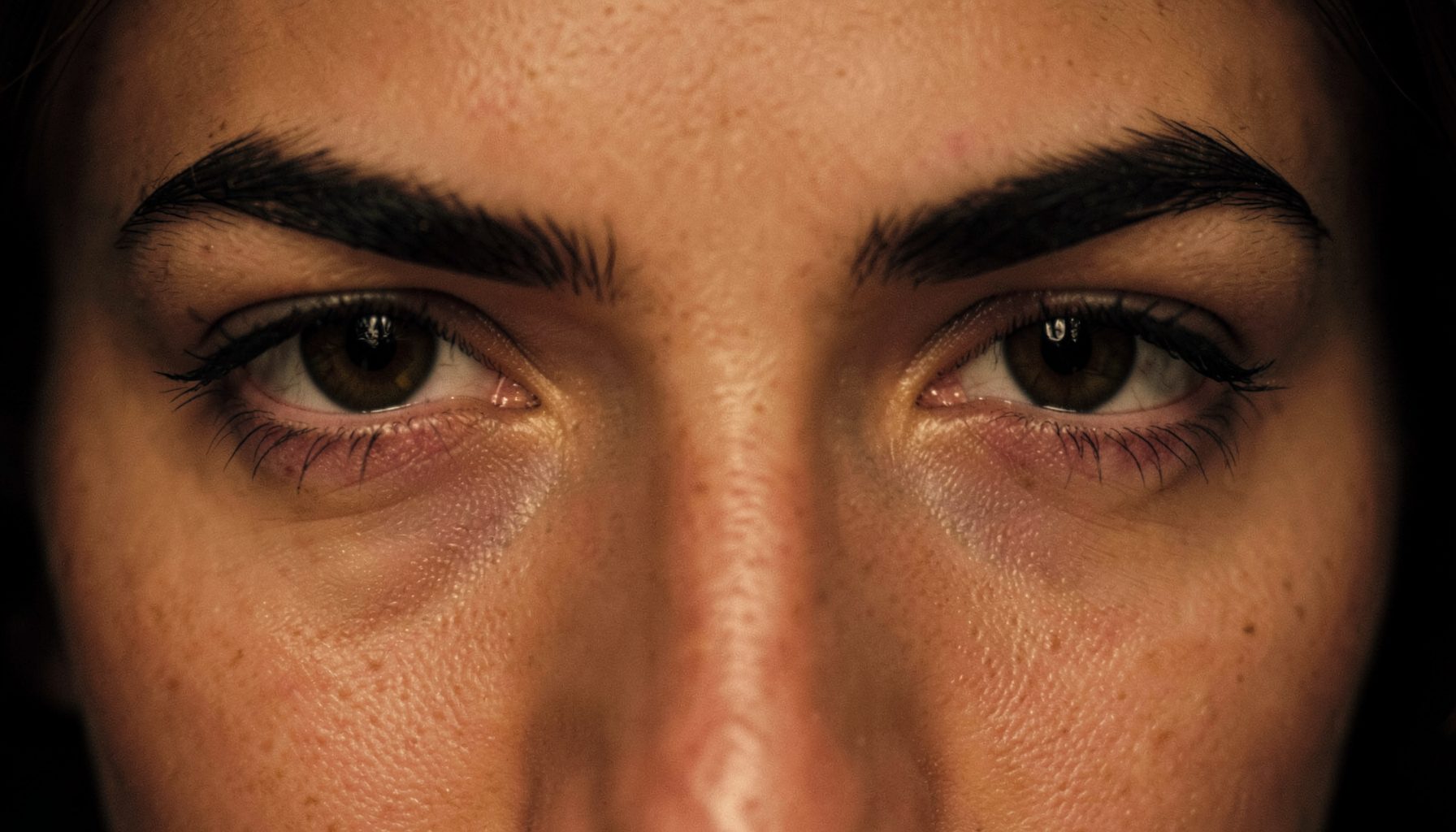
Eye Shape Guide
Understand your eye shape, master makeup techniques, and explore every treatment option — from Botox brow lifts to surgical solutions.
Explore the Site
Eyeshadow placement, blending techniques, and common mistakes to avoid for a more open, lifted look.
Explore →Winged liner, smudge prevention, and techniques that work with hooded lids to make eyes appear larger.
Explore →Non-surgical Botox brow lifts and surgical options including blepharoplasty, explained clearly.
Explore →Five false lash styles suited to hooded eyes, plus curler and mascara guidance for maximum lift.
Explore →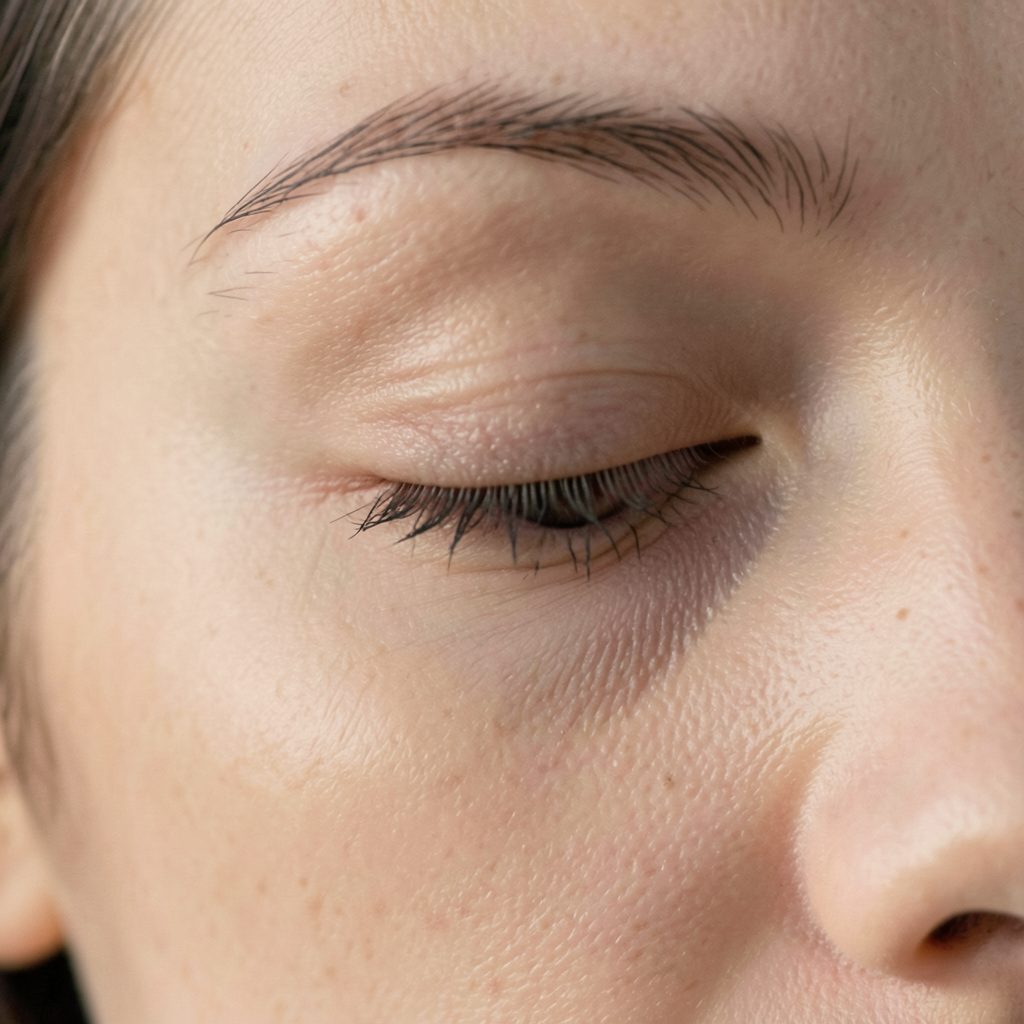
What Are Hooded Eyes?
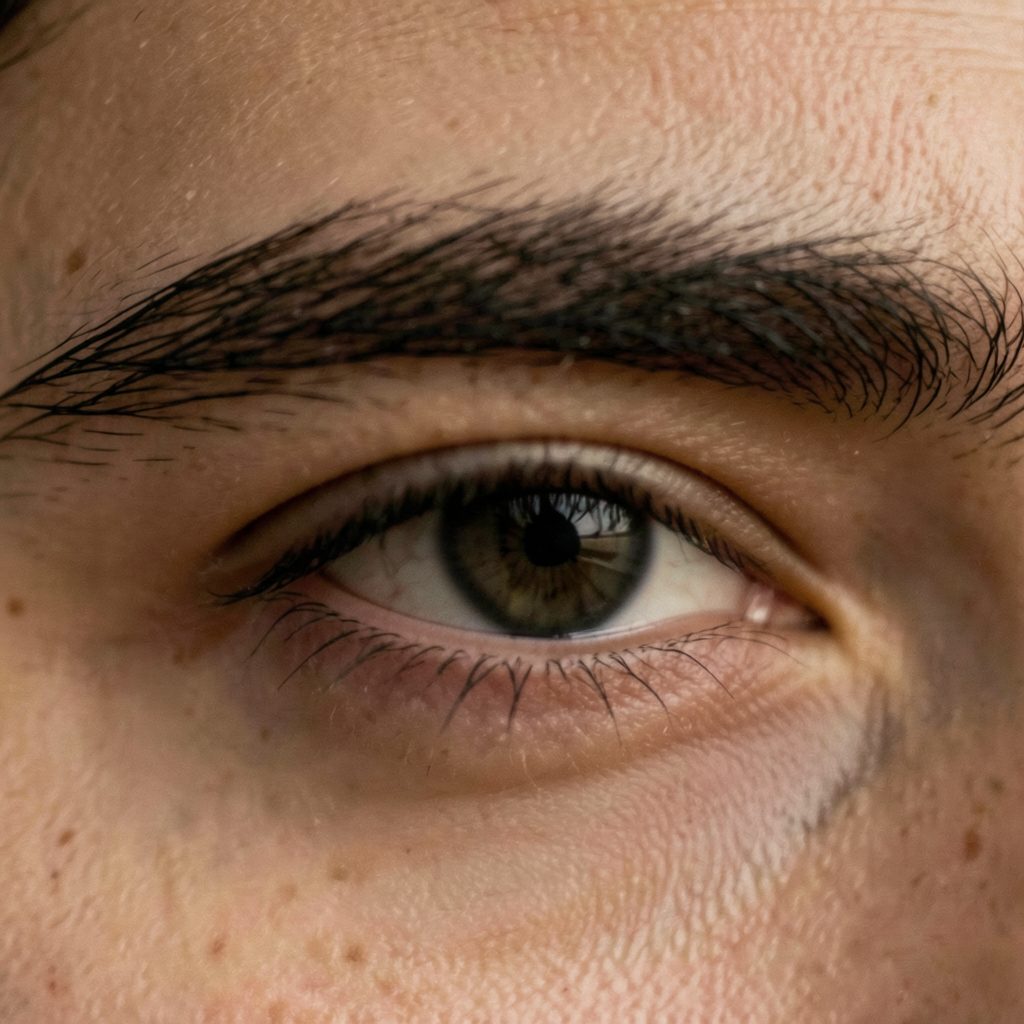
Hooded eyes are a natural eye shape where an excess piece of skin from the brow bone partially or completely covers the eyelid. The result can make eyes appear smaller or more tired than they feel.
This shape can be present from birth due to genetics, or it can develop over time. Known causes include aging, genetic traits, eye rubbing, body fatness, muscle structure, trauma, solar radiation, and sleep apnea.
Small hooded lids can make eyeshadow blending feel unusually precise. When the brow bone sits close to the lash line, the mobile lid may appear smaller, and colour placed in the natural crease can vanish when the eyes are open. The right brush helps you control placement, soften edges and build definition without covering the entire lid in muddy colour.
Brush size matters as much as bristle softness. A large, fluffy blending brush can be excellent for spacious eyes, yet overwhelm a compact hooded lid. Smaller tapered tools allow you to work above the fold, blend in short movements and keep shimmer, depth and transition shades in their intended zones.
Australian conditions can affect how brushes perform. Humidity in Brisbane or Darwin may make cream products set more slowly, while dry indoor air in Melbourne or Canberra can emphasise patchiness. A clean, well-shaped brush gives you a more reliable result across changing weather, long workdays and makeup that needs to last through a Sydney commute.
The aim is not to disguise hooded eyes or force them into a different shape. It is to make the visible lid look balanced and lifted while keeping the finish soft. For broader guidance about eye anatomy, makeup and treatment information, you can read about the guide before choosing tools.
Hooded eyes often have a fold of skin that overlaps part or all of the mobile lid. That fold can transfer colour, blur the crease and reduce the visible space available for blending. A brush with a compact head lets you apply pigment exactly where the eye remains visible, rather than depositing it high on the brow bone.
The ideal tool is usually smaller than expected. Look for a short-to-medium handle that feels easy to steady, with bristles that taper to a controlled point. Dense bristles deposit more colour, while airy bristles diffuse it. Having both types prevents you from asking one brush to apply, blend and erase every shade.
Natural hair brushes can feel especially pleasant with powder eyeshadow because they pick up pigment readily and soften edges efficiently. Synthetic fibres are useful for cream, liquid and metallic formulas, and they are often easier to wash thoroughly. A mixed set gives flexibility, particularly if you move between powder shadows from Mecca or Sephora Australia and cream pots from smaller local brands.
A small tapered blending brush is the most versatile option for compact lids. Its pointed tip can place transition colour just above the fold, while the wider base blends the outer edge. Use a windscreen-wiper motion sparingly; small circles and short back-and-forth strokes are easier to control on a hooded eye.
A pencil brush is useful for deepening the outer corner, smudging shadow beneath the lower lashes and connecting upper and lower definition. Choose one that is pointed but not scratchy. A very stiff pencil brush can disturb concealer or irritate sensitive eyes, especially when used close to the tear duct.
A flat shader brush has a different job. Press it over the centre of the visible lid to place shimmer or satin shadow without spreading the product into the hood. For a soft daytime look, use a small flat synthetic brush rather than a broad packing brush. The smaller surface helps you avoid making the eye appear more closed.
A short, firm angled brush can apply gel liner, dark shadow or a softly lifted outer flick. This is often easier than using a thick liquid liner, which can take up valuable lid space. Keep the line thin where the eye opens and allow slightly more depth at the outer third.
When comparing eye makeup brushes, pay attention to the ferrule as well as the bristles. A narrow ferrule gives you better visibility while working near the crease. A rounded or tapered head is generally more useful than a wide dome for small hooded lids, because it can fit into the outer corner without dragging colour too high.
Softness should be balanced with resilience. Bristles that are too floppy may scatter pigment across the hood, while bristles that are too firm can leave harsh patches. Run the brush lightly across the inside of your wrist before buying when possible, and check that no fibres shed with gentle handling.
Australian shoppers can find suitable options at department-store beauty counters, Mecca, Sephora Australia and professional suppliers. Budget tools from Chemist Warehouse may work well for packing and blending, provided the fibres hold their shape after washing. A more expensive brush is worthwhile when its cut, density and comfort solve a specific problem; price alone does not guarantee precision.
A practical brush collection does not need to be large. The following shapes cover most small-lid techniques:
Begin with a matte transition shade that is close to your skin tone or only slightly deeper. Place the brush where the eye appears to fold when open, rather than automatically following the anatomical crease with the eye closed. Look straight ahead in a relaxed expression and apply colour in small sections, checking the effect as you go.
Keep the deepest colour toward the outer third. A compact tapered brush can build depth gradually, allowing you to stop before the shadow reaches the centre of the hood. If the eye area becomes crowded, wipe the brush on a tissue or use a clean blending brush to remove excess rather than adding more skin-coloured powder.
For shimmer, press rather than sweep. A small synthetic flat brush gives a clean edge and limits fallout. Place the brightest point slightly above the centre of the visible lid, where it can catch light when your eyes are open. Avoid taking metallic shadow high into the fold, where it may transfer or emphasise texture.
If your crease disappears when you open your eyes, adjust the placement instead of endlessly increasing intensity. This layering guide explains how to build colour in a way that remains visible. It is particularly helpful when you are learning to work with the eye open.
Brush hygiene is essential around the eyes. Wash frequently used brushes about once a week, or more often if you use cream products, glitter or waterproof formulas. Use lukewarm water and a gentle brush cleanser, keeping the ferrule from sitting submerged. Water trapped near the glue can loosen the head over time.
In Australia’s warmer regions, allow brushes to dry completely in an airy place rather than leaving them in a closed makeup bag. Avoid drying them upright with water running toward the ferrule. Lay them flat on a clean towel, with the bristles extending slightly beyond the edge so air can reach all sides.
A good everyday routine can be built from a few dependable tools:
When travelling from Perth to cooler Melbourne weather, or spending a long day outdoors in Queensland, pack a compact brush guard and a small cleansing spray. These protect the shape of tapered bristles and reduce the chance of transferring old pigment into a lighter look. Store brushes away from direct sun, especially in a car or near a bright bathroom window.
Consider your eye sensitivity as well. Fragrance in cleansers, scratchy fibres and glitter particles can cause watering, which makes precise blending much harder. If your eyes react easily, choose smooth synthetic bristles, avoid applying powder directly into the inner corner and replace brushes that become rough or permanently misshapen.
For an office look, use a small tapered brush with a matte taupe or soft brown transition shade. Add a slightly deeper neutral to the outer corner using the same brush, then soften the border with a clean version. This creates dimension without requiring a dramatic cut crease or a thick band of eyeliner.
For evening makeup, add a dense packing brush for richer pigment and a small pencil brush for the lower lash line. Apply dark shadow in thin layers, looking forward between applications. This prevents the outer corner from becoming heavy when the eye is open and helps maintain a lifted shape.
A soft angled brush can turn almost any eyeshadow into a flexible liner. Dampen it very lightly for stronger colour, or use it dry for a diffused effect. Keep the inner half of the line fine and concentrate the flick at the outer corner, where a hooded lid usually has more room.
False lashes and mascara also influence how your brushwork appears. Curl lashes before mascara, especially if the hood presses down on them, and choose a lightweight formula that does not transfer onto the brow bone. If you wear strip lashes, select a shorter, flexible style that follows the natural eye rather than hiding the blending work underneath.
Replace a brush when the fibres splay, shed into the eye or no longer distribute pigment evenly. A small, carefully chosen kit will usually outperform a large collection of neglected tools. The best eyeshadow brushes for blending on small hooded lids are those that match your lid size, your formulas and the amount of control you need.
Choose one small tapered blender, one petite shader and one pencil brush first. Practise with a neutral palette in natural daylight, checking the result with your eyes open rather than relying only on a closed-eye application. With clean, well-shaped tools and deliberate placement, hooded lids can carry soft definition, colourful looks and polished evening makeup without losing their natural character.
Surgical Option
For those seeking a more lasting result, plastic surgery — including blepharoplasty — is covered as a treatment option for hooded eyes. Surgery addresses the excess skin directly and is considered an alternative to non-surgical approaches like Botox.
The site's surgery guide explains the procedure, what to expect, and how it compares to non-surgical routes, helping readers make informed decisions about their options.
Read the Surgery Guide →Famous Faces
Hooded eyes can enhance facial expressions and contribute to a distinctive, memorable look. These ten well-known figures all share the eye shape.
Jennifer Aniston
Leonardo DiCaprio
Solange Knowles
Taylor Swift
Michelle Williams
Robert Pattinson
Blake Lively
Selena Gomez
Gigi Hadid
Benicio del Toro
Side by Side
False Lash Guide
Varied length spikes create texture and the illusion of depth without weighing down the lid.
Longer outer-corner lashes draw the eye outward and upward, counteracting the hood effect.
A uniform, moderate length that adds definition without overwhelming a hooded lid.
Applied only to the outer half, these open up the eye shape and are easier to manage on hooded lids.
A strong upward curl (D or L curl) lifts lashes away from the hood, keeping them visible throughout the day.
The guide also covers lash curlers, mascara recommendations, and step-by-step instructions for fixing false lashes on hooded eyelids.
Full Lash Guide →Get in Touch
Whether you are just beginning your makeup journey or have been experimenting with different looks for years, we are glad you are here.
General Feedback
Share your thoughts on the site or suggest topics you'd like covered.
Looking for a Specific Tip?
Ask about a particular technique or eye-shape challenge.
Product Questions
Questions about products mentioned across the site.
Human Resources or Business Inquiries
Partnership, collaboration, or business-related correspondence.