01
Makeup Tips
Eyeshadow placement, blending techniques, and common mistakes to avoid for a more open, lifted look.
Explore →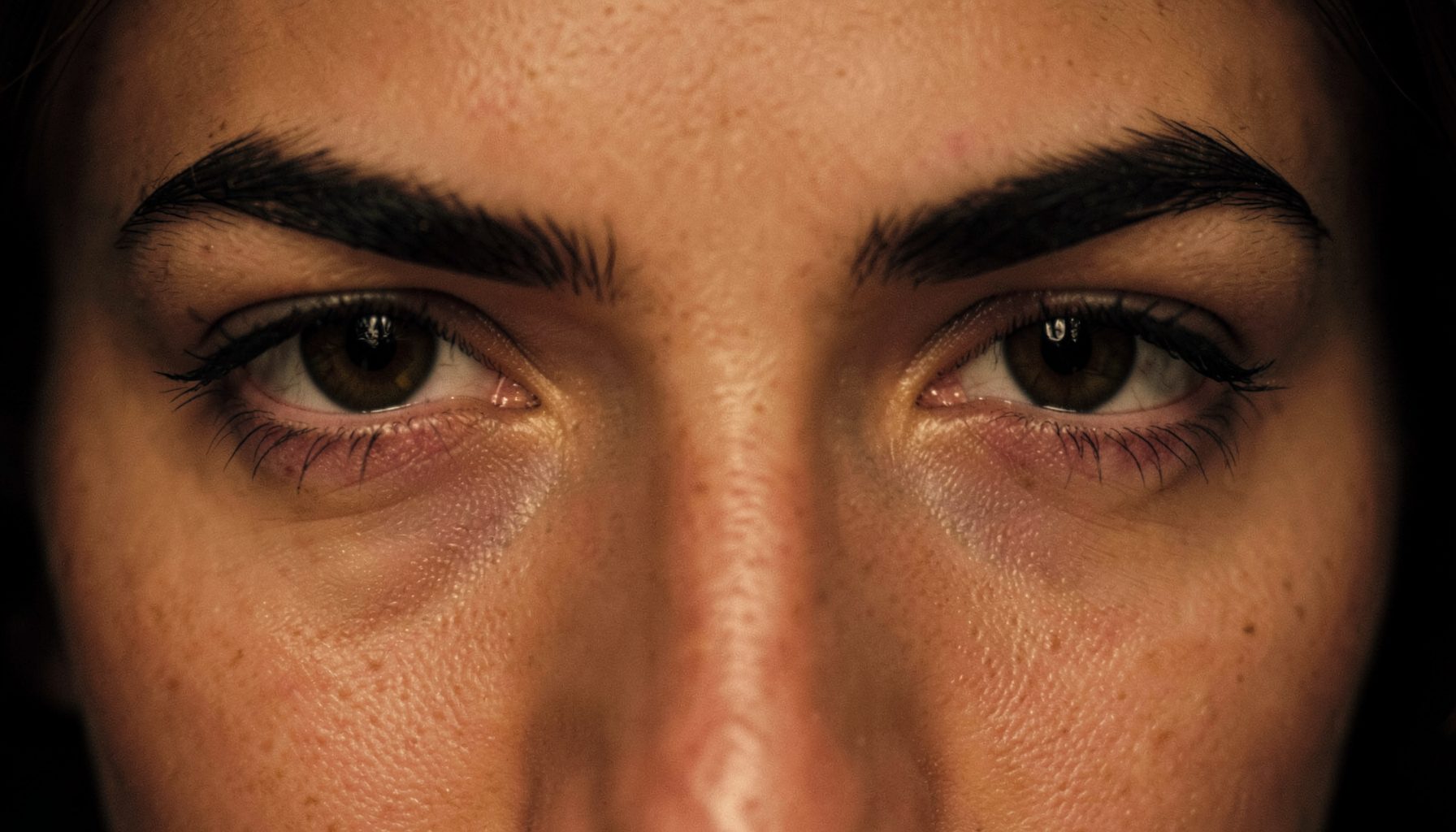
Eye Shape Guide
Understand your eye shape, master makeup techniques, and explore every treatment option — from Botox brow lifts to surgical solutions.
Explore the Site
Eyeshadow placement, blending techniques, and common mistakes to avoid for a more open, lifted look.
Explore →Winged liner, smudge prevention, and techniques that work with hooded lids to make eyes appear larger.
Explore →Non-surgical Botox brow lifts and surgical options including blepharoplasty, explained clearly.
Explore →Five false lash styles suited to hooded eyes, plus curler and mascara guidance for maximum lift.
Explore →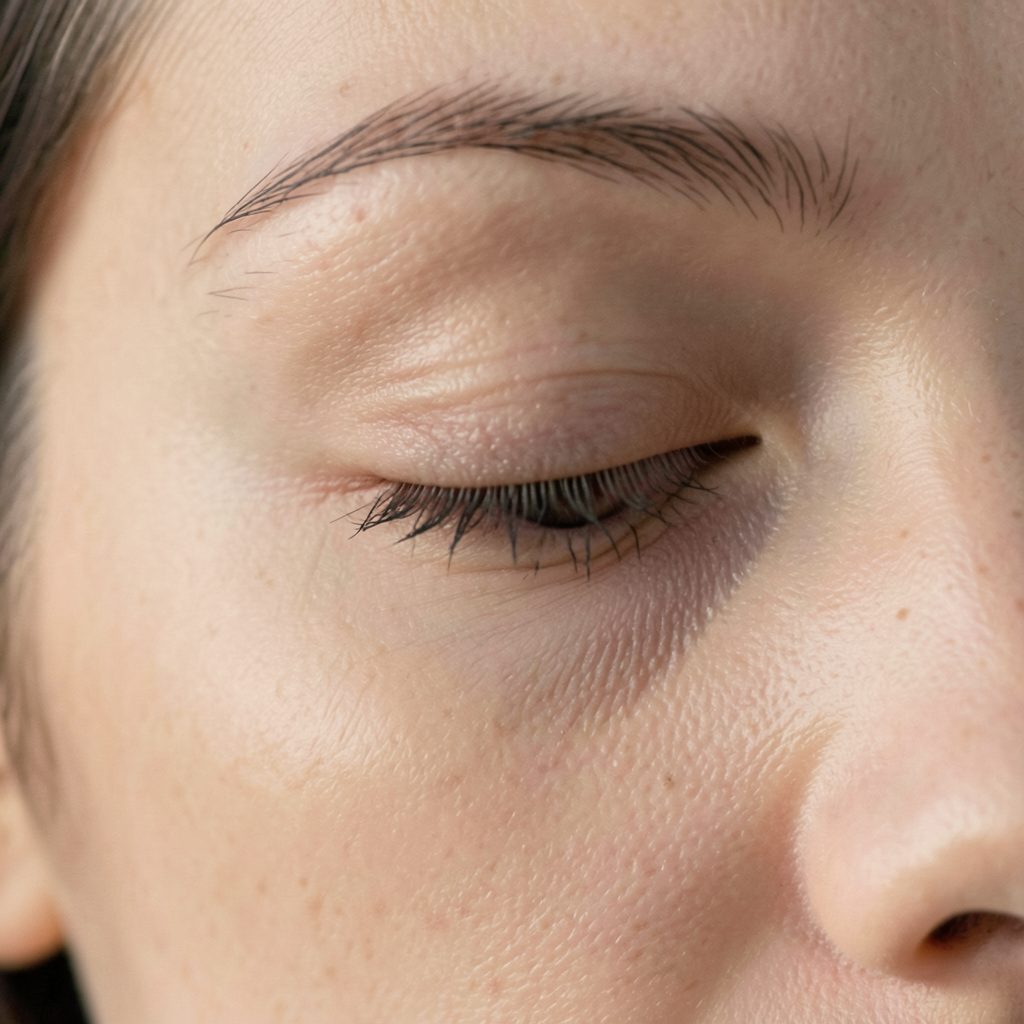
What Are Hooded Eyes?
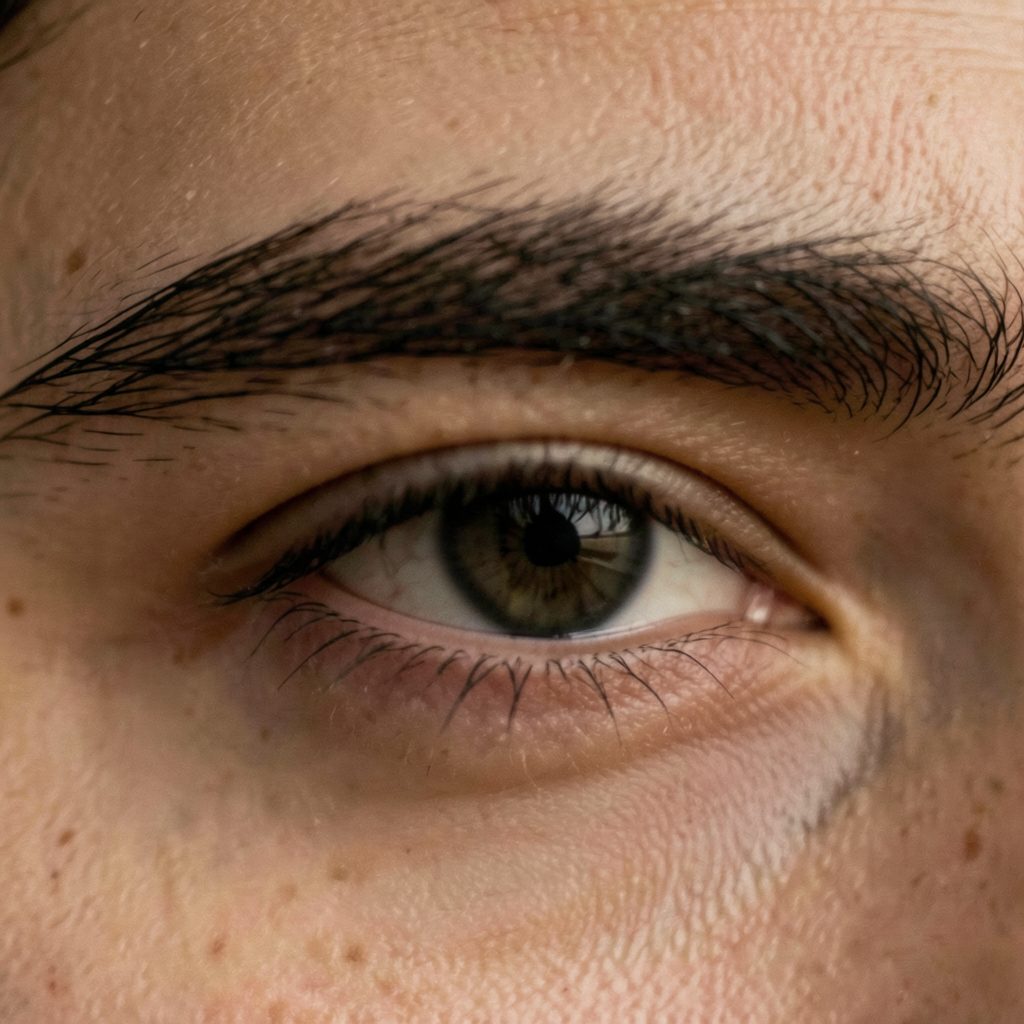
Hooded eyes are a natural eye shape where an excess piece of skin from the brow bone partially or completely covers the eyelid. The result can make eyes appear smaller or more tired than they feel.
This shape can be present from birth due to genetics, or it can develop over time. Known causes include aging, genetic traits, eye rubbing, body fatness, muscle structure, trauma, solar radiation, and sleep apnea.
Hooded eyes have a deep crease and little visible mobile lid, so shadow, liner and concealer can seem to vanish when the upper lid folds over them. Powder can slow that transfer, but the finish also needs to respect the fold rather than exaggerating it with a pale, chalky patch. The right powder helps the lid look smoother and keeps makeup in place without creating a new visual edge.
The best setting powders to keep eye makeup on hooded lids all day are not chosen by formula alone. Their grain, opacity, finish and compatibility with primer and concealer matter as much as the price. A finely milled powder that blends into a warm complexion may outperform a highly advertised shimmer, while a pressed powder may be kinder to someone who prefers speed.
Think of powder as the final seal on a coordinated eye look, not a substitute for preparation. Primer keeps colour from moving, thin concealer creates a smooth base, and a small amount of powder handles shine and transfer. In a warm climate, that layered approach also reduces the need for a heavy lunchtime top-up.
A hooded lid is different from a monolid or a protruding eye because the skin above the mobile lid partly covers it. A shadow that looks visible when the eye is open may disappear into the fold, and a thick line of powder can collect along the crease. The result can make the eye look smaller, even when the underlying makeup is still there.
Powder is most useful on the small area of visible lid, the inner corner and the under-eye where concealer is prone to moving. It is less useful on the deepest part of the crease, where excess product can create a noticeable ridge. Compared with deep-set eyes, hooded lids generally need less product because there is already a natural shadow cast by the fold.
Powder cannot stop watery mascara, rubbing or an oily eyelid, so it should not be asked to solve every wear problem. Photos of celebrity hooded eyes, including Anne Hathaway’s, also demonstrate how easily strong contrast can disappear beneath the crease. A soft, low-contrast finish generally survives the changing angle of the lid better.
Loose powder gives more control over quantity and is often the better choice when a fully open lid needs a barely visible veil. Pressed powder is convenient for travel and quick touch-ups, but it should be tapped on rather than dragged across the lid. In either format, a soft brush, clean sponge or fingertip can create a more natural finish than a large fluffy brush loaded with powder.
Finish matters as much as colour. A satin or soft-matte powder can reflect a little light without forming a hard edge, whereas a completely flat matte finish may emphasise texture. Very pale shades can look ashy, and translucent powder can develop a white cast on deeper or olive skin tones.
Powder and skin matches worth testing
Formats and finishes to approach carefully
Start with an eye primer that suits the eyelid texture. Watery primers tend to grip colour well but can increase creasing when too much is applied, while creamy primers may slide on a hooded lid. Use a thin layer and allow it to set before adding shadow or concealer. This reduces the amount of corrective work required later.
Concealer should be used sparingly over the mobile lid if the goal is a smooth surface. Applying it as though the entire lid will remain visible can create a pale area that disappears when the lid lowers. A slightly warmer, finely blended shade usually works better than a very light highlight across the whole lid.
Eyeliner also affects how powder performs. If the wing disappears into the fold, eyeliner for hooded eyes can make the eye look more open before any setting powder is added. Keep the liner thin where it meets the crease so the lid does not become overloaded.
Use the smallest amount that can perform the job. For loose powder, tap a small amount onto the back of the hand first, then lightly press it onto the mobile lid with a small brush or sponge. Pressing distributes the product more evenly than sweeping, and it reduces the amount that enters the fold.
Do not sweep a heavily loaded brush along the crease. This is a common reason a hooded eye looks cakey by midday: powder gathers in the fold and forms a visible line. Apply a whisper-thin veil to the visible lid, then use any remaining product under the eye or at the inner corner. Let each area dry before moving to the next.
Baking with a thick layer of loose powder can be excessive on many hooded lids. Heat, natural oils and eyelid movement may cause the powder to patch or crack, especially after several hours. A light layer under the eye is more useful, and any baking should be brief and limited to an area where the concealer genuinely creases.
If a setting spray is part of the routine, check that it is compatible with the powder and makeup. Some watery formulas reactivate cream products and can make the powder look uneven. A fine, controlled mist is safer than spraying directly onto the eye. Let the face dry fully before adding mascara so the lashes do not pull through wet concealer.
Australian conditions can change quickly. Sydney and coastal areas often bring humidity and sunscreen, Brisbane adds intense heat, while Melbourne can shift between dry wind and warmer afternoons. Air-conditioned offices then remove moisture again. A lightweight, finely milled powder usually copes better with those changes than a dense layer intended to control heavy oil.
Daily habits matter as much as the forecast. A long commute, lunch outside, an air-conditioned office and an evening in a bar can all affect eye makeup differently. Keep a pressed powder or blotting paper at work, but remove excess oil gently rather than rubbing the lid. Reapply sunscreen carefully with a sponge or a product suitable for use over makeup, and avoid dragging a brush through the eye area.
The Australian beauty market makes it easy to compare both prestige and mass-market formulas. Sephora Australia stocks options from brands such as MAC, Laura Mercier and Make Up For Ever, while Priceline and Chemist Warehouse carry widely available alternatives. Read the ingredient list rather than assuming a higher price means better performance, and check the batch information and open-jar symbol before using an older powder.
Cosmetics in Australia are regulated by the Therapeutic Goods Administration. Manufacturers and importers are responsible for product safety, ingredient labelling and compliant claims, while consumers should follow the listed warnings and directions. Patch testing a new product is sensible, particularly for sensitive eyes, and sharing mascara or eye products is best avoided.
Sunglasses can provide useful UV protection, but the frame can also draw attention to a narrow visible lid. When choosing a pair for everyday Australian wear, sunglasses for hooded eyes can help balance the face and keep attention away from the crease.
A successful powder choice should look almost invisible while still improving wear. Test one formula for a full workday, checking the lid at lunchtime, after a commute and again at night. This simple comparison is more useful than judging the finish immediately after application, because the mobile lid moves differently throughout the day.
If no powder can create the desired openness, the limiting factor may be structural rather than cosmetic. A heavy brow, age-related skin changes or a naturally deep fold can conceal the lid regardless of the product. Our Botox brow lift guide explains the temporary brow-lift approach, while blepharoplasty is a surgical option with its own preparation, recovery and risks. In Australia, Botox is a prescription medicine and should be discussed and administered by an appropriately qualified, AHPRA-registered clinician.
Choose one powder from the options above, patch test it, and use the application method for seven days before changing products. Take a small before-and-after note at the same time each afternoon, paying attention to shine, creasing and whether the fold looks softer. A reliable all-day finish should remain visible in the mirror without requiring repeated layers or a harsh outline.
Surgical Option
For those seeking a more lasting result, plastic surgery — including blepharoplasty — is covered as a treatment option for hooded eyes. Surgery addresses the excess skin directly and is considered an alternative to non-surgical approaches like Botox.
The site's surgery guide explains the procedure, what to expect, and how it compares to non-surgical routes, helping readers make informed decisions about their options.
Read the Surgery Guide →Famous Faces
Hooded eyes can enhance facial expressions and contribute to a distinctive, memorable look. These ten well-known figures all share the eye shape.
Jennifer Aniston
Leonardo DiCaprio
Solange Knowles
Taylor Swift
Michelle Williams
Robert Pattinson
Blake Lively
Selena Gomez
Gigi Hadid
Benicio del Toro
Side by Side
False Lash Guide
Varied length spikes create texture and the illusion of depth without weighing down the lid.
Longer outer-corner lashes draw the eye outward and upward, counteracting the hood effect.
A uniform, moderate length that adds definition without overwhelming a hooded lid.
Applied only to the outer half, these open up the eye shape and are easier to manage on hooded lids.
A strong upward curl (D or L curl) lifts lashes away from the hood, keeping them visible throughout the day.
The guide also covers lash curlers, mascara recommendations, and step-by-step instructions for fixing false lashes on hooded eyelids.
Full Lash Guide →Get in Touch
Whether you are just beginning your makeup journey or have been experimenting with different looks for years, we are glad you are here.
General Feedback
Share your thoughts on the site or suggest topics you'd like covered.
Looking for a Specific Tip?
Ask about a particular technique or eye-shape challenge.
Product Questions
Questions about products mentioned across the site.
Human Resources or Business Inquiries
Partnership, collaboration, or business-related correspondence.