01
Makeup Tips
Eyeshadow placement, blending techniques, and common mistakes to avoid for a more open, lifted look.
Explore →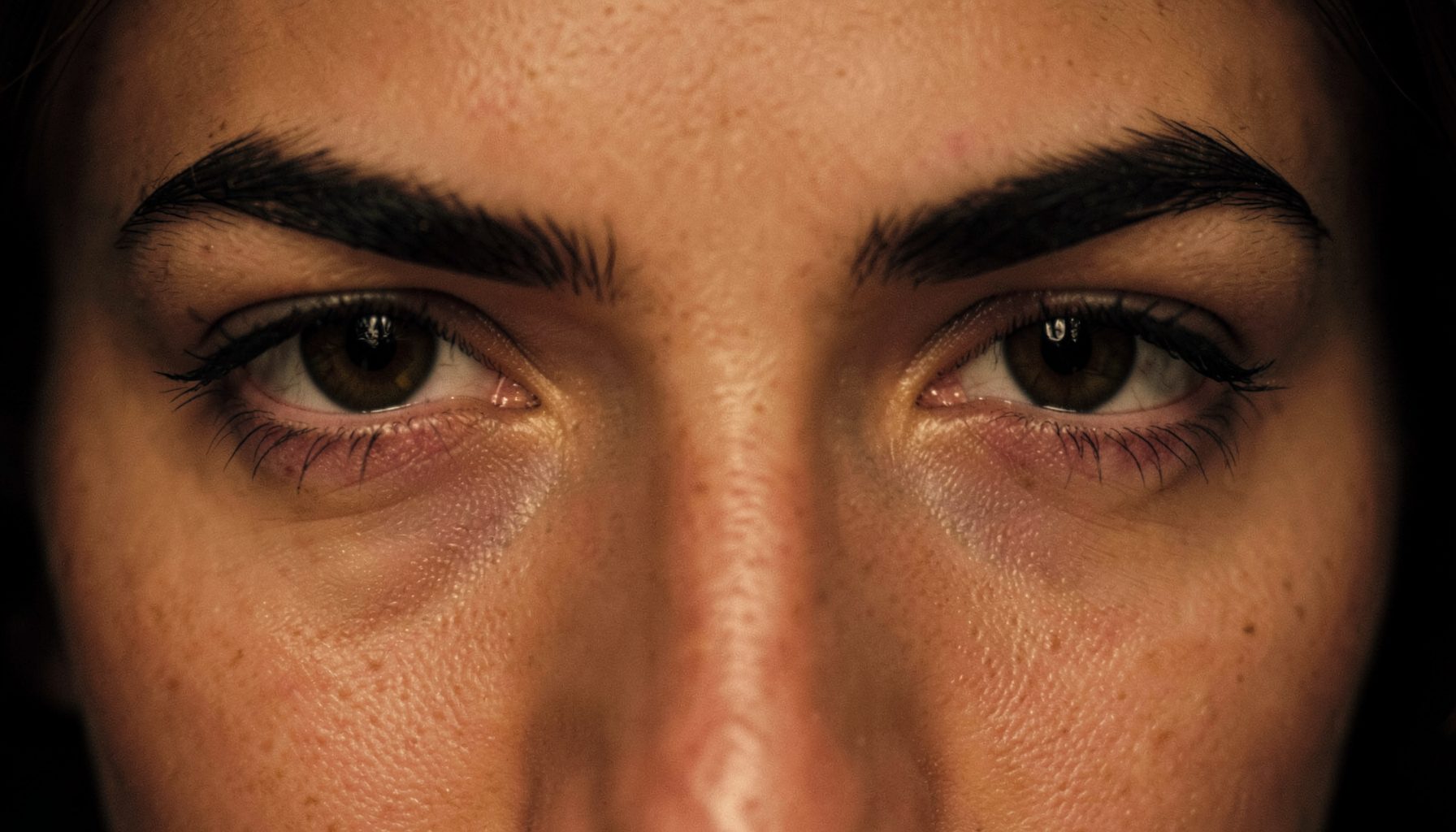
Eye Shape Guide
Understand your eye shape, master makeup techniques, and explore every treatment option — from Botox brow lifts to surgical solutions.
Explore the Site
Eyeshadow placement, blending techniques, and common mistakes to avoid for a more open, lifted look.
Explore →Winged liner, smudge prevention, and techniques that work with hooded lids to make eyes appear larger.
Explore →Non-surgical Botox brow lifts and surgical options including blepharoplasty, explained clearly.
Explore →Five false lash styles suited to hooded eyes, plus curler and mascara guidance for maximum lift.
Explore →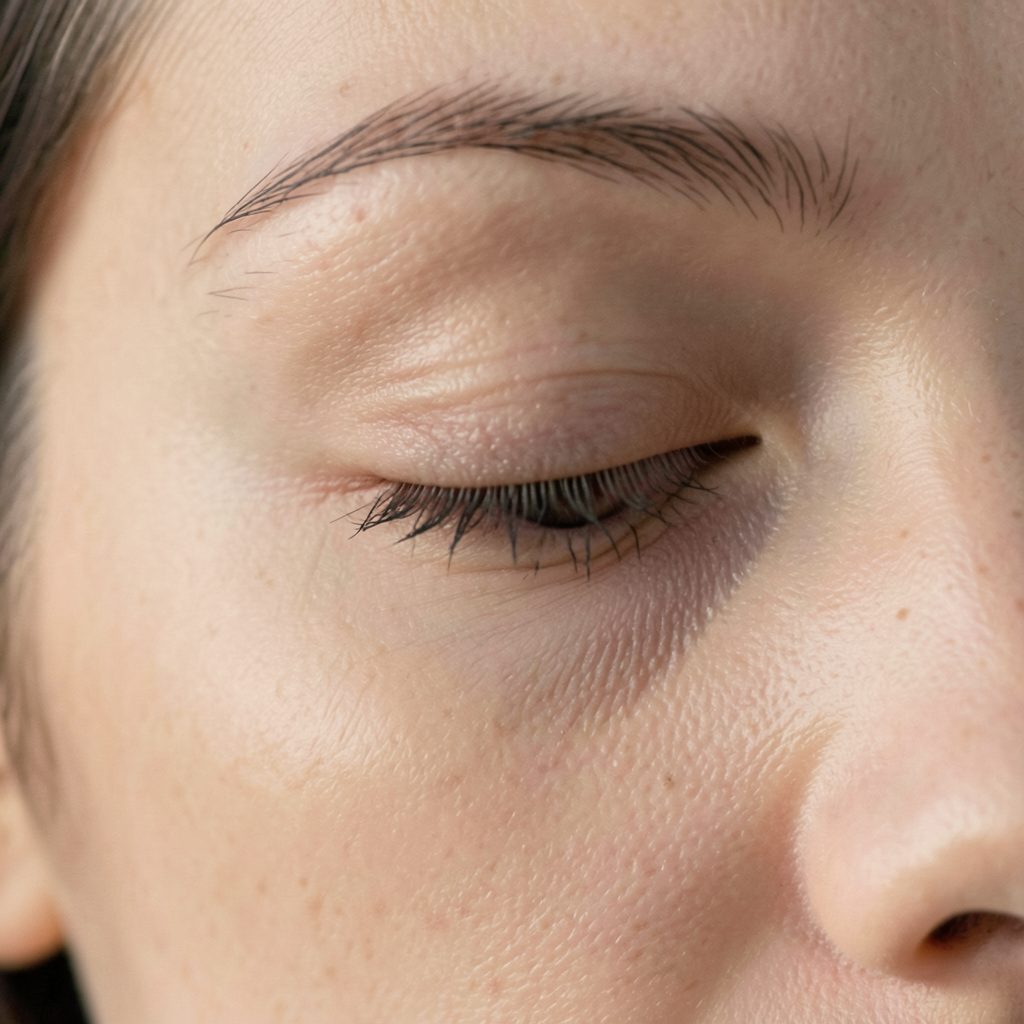
What Are Hooded Eyes?
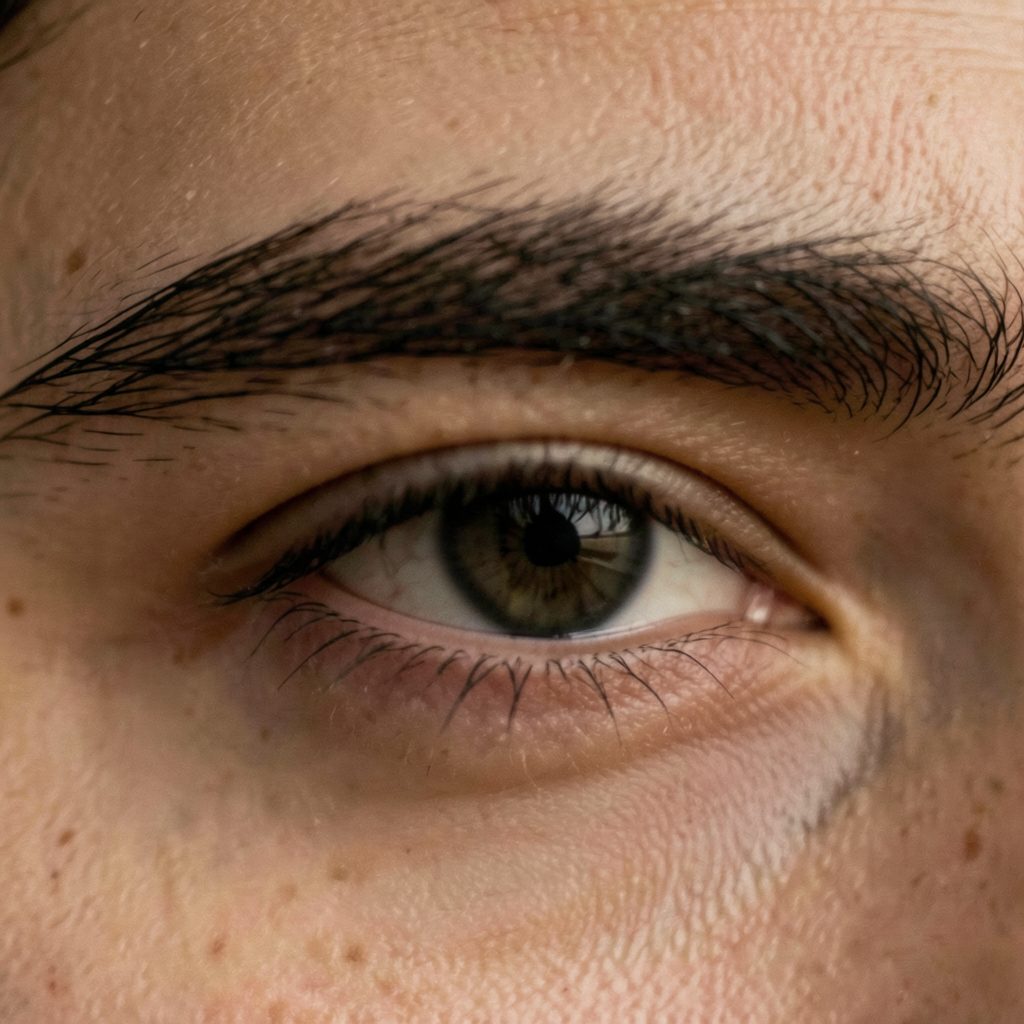
Hooded eyes are a natural eye shape where an excess piece of skin from the brow bone partially or completely covers the eyelid. The result can make eyes appear smaller or more tired than they feel.
This shape can be present from birth due to genetics, or it can develop over time. Known causes include aging, genetic traits, eye rubbing, body fatness, muscle structure, trauma, solar radiation, and sleep apnea.
Hooded eyes can make even a beautiful false lash look flat, overly dramatic or slightly misplaced. The upper lid folds over part of the lash line, hiding the base of the lashes and often swallowing the visible effect of eyeliner. A strong traditional curl may also disappear beneath that fold, leaving you with more product than visible definition.
The solution is not necessarily a heavier lash or a more aggressive clamp. It is the right combination of lash shape, gentle shaping and careful placement. Understanding hooded eye anatomy helps explain why some curlers create a noticeable lift while others seem to do almost nothing.
A hooded eye has a crease that may appear when the brow lifts, but the upper lid covers the base of the lashes when the eye opens normally. This differs from a monolid, where a visible crease is usually absent. Deep-set eyes can also have a hood, but the two terms describe different features, so choosing techniques for one does not automatically suit the other.
That fold affects every part of eye makeup. Eyeliner placed directly at the lash line may vanish beneath it, while mascara makes the lashes longer without necessarily making them visible. The apparent lash line also sits closer to the lid than it does on an eye with a pronounced crease, which changes where a false lash should be attached.
A useful curl should lift the fibres upwards and slightly outwards rather than create an exaggerated, circular shape. On hooded eyes, an overly round curl can look compressed against the lid. A soft upward sweep usually integrates more naturally with the fold and creates a clearer open-eye effect without making the lashes look stuck on.
In this guide, a false eyelash curler means a tool for shaping a loose strip lash or cluster before it is attached. It is not a regular eyelash curler clamped onto a lash that is already glued down. Tools designed for false lashes are less common than heated eyelash curlers made for natural lashes, so read the instructions carefully and never assume a heated wand is suitable for synthetic fibres.
The barrel shape matters more than an impressive temperature range. A smooth, gently curved barrel supports the lash without crimping it, while a narrow barrel can create a tighter bend. A fine-toothed heated comb offers more control over individual fibres but requires patience. Look for a low or adjustable heat setting, an automatic shut-off, a non-stick surface and a resting place where the heated barrel cannot touch your hands or worktop.
You should also consider how the tool handles the lash band. A false lash needs support across its middle without being crushed at the edges. Some clamps are specifically designed to hold a loose strip; others are only intended to grip natural lashes. If the tool leaves a flattened mark or the fibres begin to look shiny and compressed, it is applying too much heat or pressure.
Shopping locally makes comparison easier. Beauty counters at Sephora, Mecca and Priceline, along with specialist Australian retailers such as Beauty Bay, stock varying selections of heated lash tools in Sydney, Melbourne and Brisbane. Compare prices in Australian dollars, check local return policies and confirm that the seller supplies suitable Australian instructions. For mains-powered models, look for RCM compliance information and compatibility with Australia’s 220–240V supply; overseas safety badges are not a substitute. Imported adhesives may need an ARTG listing or exemption, so check the packaging and local supplier details.
Begin with a lightweight strip or half lash rather than the most dramatic pair in the box. Wispy fibres, a flexible band and moderate length tend to blend more easily with a hooded eye. If your eyes are asymmetrical, trim the inner corner of the wider lash before application rather than trying to correct the imbalance with extra glue.
Lash adhesive also deserves attention. Choose a formula suited to the amount of hold you need, and check the ingredients if you have a known sensitivity. “Latex-free” does not automatically mean suitable for every person, so follow the application instructions and avoid using a product near the eye if it causes irritation. Have a gentle oil-based remover ready before you begin.
To shape a loose false lash, place it on a heat-safe surface and use the manufacturer’s recommended low setting. Apply the heated wand or comb to the fibres rather than the glued band, working in short sections from the base towards the tips. Test a spare lash first, let the shape cool and inspect the fibres for shine, flattening or a sticky edge. Never heat a lash after it has been attached to your eye.
A clean, dry eyelash curler can still play an important role by curling your natural lashes before the false lash goes on. Create a supportive base with one gentle clamp, then add mascara before the adhesive. Let the mascara dry completely so it cannot transfer onto the new band. If your own lashes are particularly fine, a clean spoolie and a small amount of lash primer can improve grip without creating heavy build-up.
The gallery of Blake Lively’s red-carpet lashes offers useful inspiration for lash placement, although a styled photograph cannot establish someone’s underlying eye anatomy. The recurring lesson is to support the outer edge without creating excessive weight at the inner corner.
Apply a thin line of adhesive along the false lash band and wait until it becomes tacky. Press the middle of the band onto your natural lash line first, then secure the inner and outer thirds. The lash should meet the lashes, not stick to the skin above them. Use a clean pair of tweezers to press the band at several points, and avoid dragging it into the crease.
Before the adhesive sets, check the result with your eye fully open and looking straight ahead. If the outer corner has disappeared beneath the fold, lift it slightly rather than attaching the entire lash higher. A shorter outer extension or a small upward adjustment will usually look more convincing than a thick band forced into an unnatural position.
Australian daily routines make this open-eye check especially valuable. Air-conditioned offices can dry a lash line, while Brisbane’s humidity and a day at the beach can test a water-resistant hold. For a wedding, gym session or long commute, choose an adhesive and removal method that suit the environment. Waterproof formulas need more careful removal, and glue should never be shared. If adhesive enters the eye, rinse it away with clean lukewarm water and seek medical attention if pain, redness or blurred vision continues.
There is no universal winner because lash density, fibre type and your tolerance for heat differ. These useful designs are easier to assess than a brand name, particularly when shopping for a new false eyelash curler for hooded eyes.
Choose one design based on the lashes you already own, then test it on a spare strip. Compare the result with your eye open, adjust the curl rather than adding extra heat, and repeat the placement until the outer edge remains visible. Try the complete method with one lash first, then wear the finished look through your normal day before committing to it.
Surgical Option
For those seeking a more lasting result, plastic surgery — including blepharoplasty — is covered as a treatment option for hooded eyes. Surgery addresses the excess skin directly and is considered an alternative to non-surgical approaches like Botox.
The site's surgery guide explains the procedure, what to expect, and how it compares to non-surgical routes, helping readers make informed decisions about their options.
Read the Surgery Guide →Famous Faces
Hooded eyes can enhance facial expressions and contribute to a distinctive, memorable look. These ten well-known figures all share the eye shape.
Jennifer Aniston
Leonardo DiCaprio
Solange Knowles
Taylor Swift
Michelle Williams
Robert Pattinson
Blake Lively
Selena Gomez
Gigi Hadid
Benicio del Toro
Side by Side
False Lash Guide
Varied length spikes create texture and the illusion of depth without weighing down the lid.
Longer outer-corner lashes draw the eye outward and upward, counteracting the hood effect.
A uniform, moderate length that adds definition without overwhelming a hooded lid.
Applied only to the outer half, these open up the eye shape and are easier to manage on hooded lids.
A strong upward curl (D or L curl) lifts lashes away from the hood, keeping them visible throughout the day.
The guide also covers lash curlers, mascara recommendations, and step-by-step instructions for fixing false lashes on hooded eyelids.
Full Lash Guide →Get in Touch
Whether you are just beginning your makeup journey or have been experimenting with different looks for years, we are glad you are here.
General Feedback
Share your thoughts on the site or suggest topics you'd like covered.
Looking for a Specific Tip?
Ask about a particular technique or eye-shape challenge.
Product Questions
Questions about products mentioned across the site.
Human Resources or Business Inquiries
Partnership, collaboration, or business-related correspondence.