01
Makeup Tips
Eyeshadow placement, blending techniques, and common mistakes to avoid for a more open, lifted look.
Explore →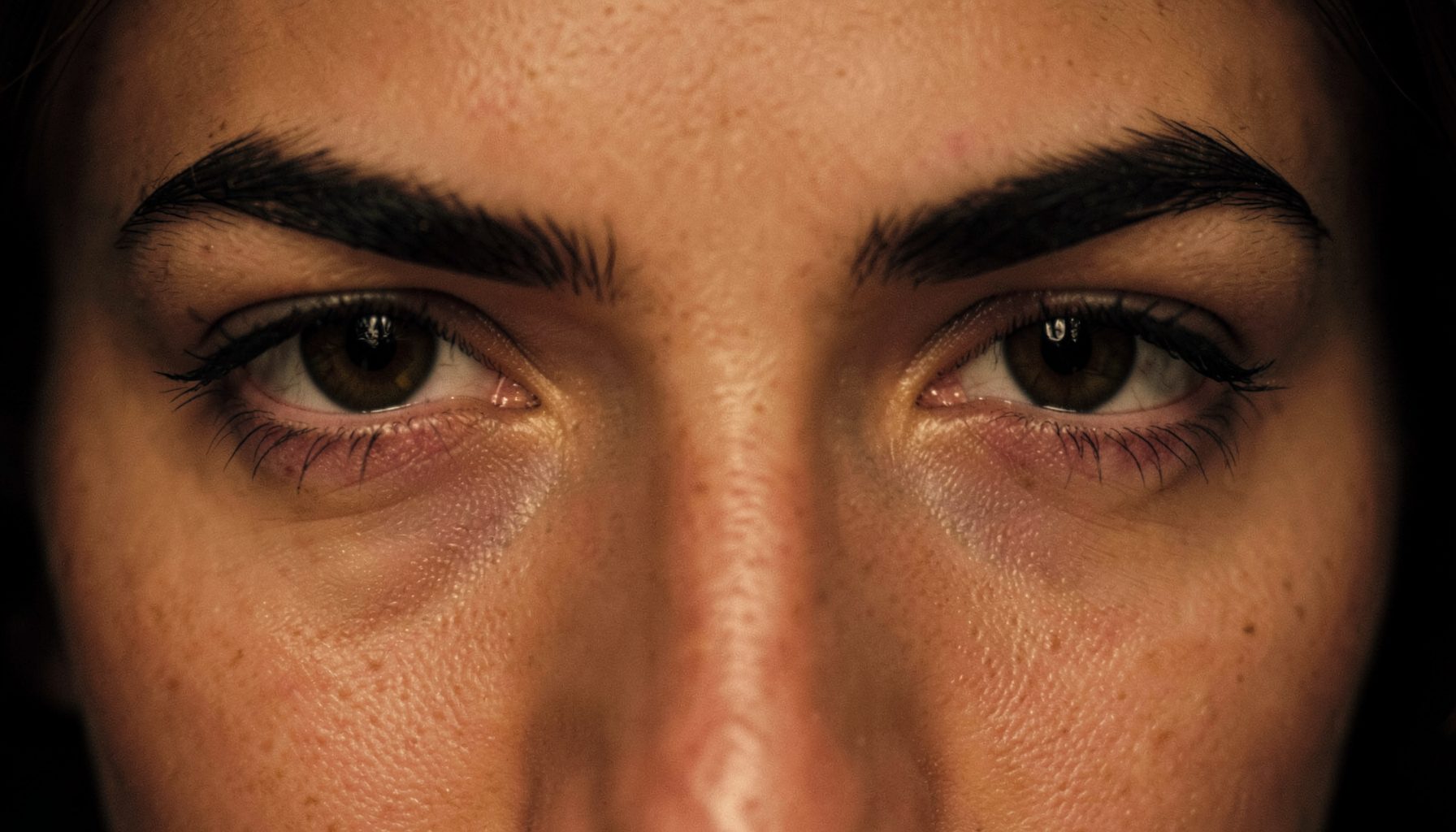
Eye Shape Guide
Understand your eye shape, master makeup techniques, and explore every treatment option — from Botox brow lifts to surgical solutions.
Explore the Site
Eyeshadow placement, blending techniques, and common mistakes to avoid for a more open, lifted look.
Explore →Winged liner, smudge prevention, and techniques that work with hooded lids to make eyes appear larger.
Explore →Non-surgical Botox brow lifts and surgical options including blepharoplasty, explained clearly.
Explore →Five false lash styles suited to hooded eyes, plus curler and mascara guidance for maximum lift.
Explore →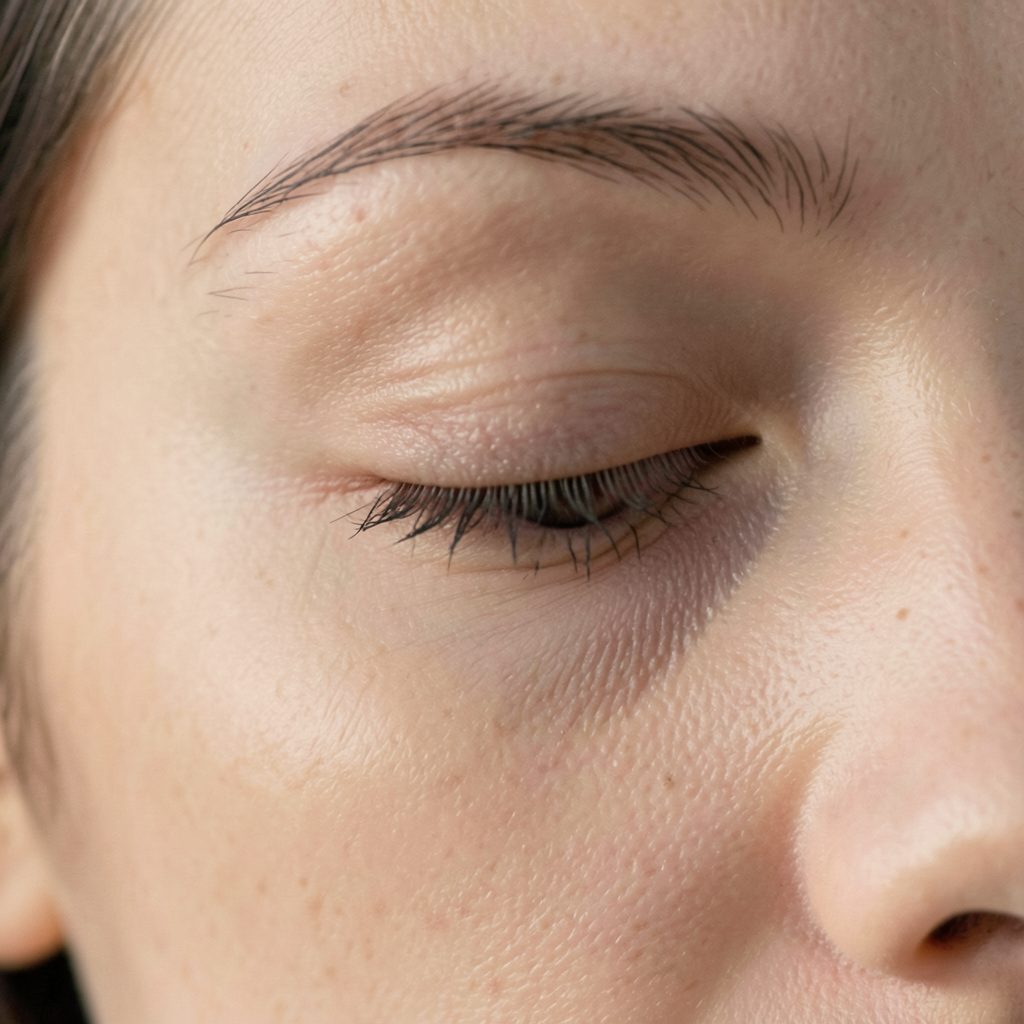
What Are Hooded Eyes?
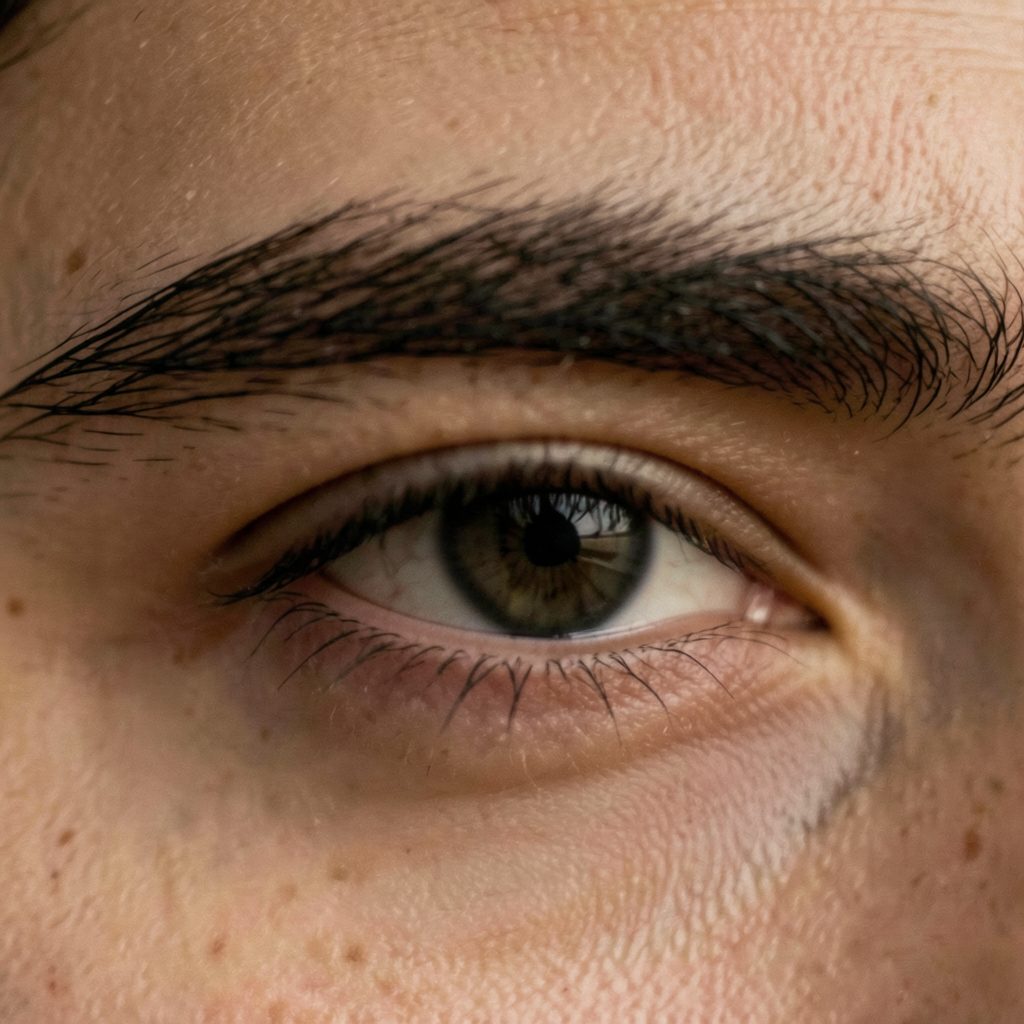
Hooded eyes are a natural eye shape where an excess piece of skin from the brow bone partially or completely covers the eyelid. The result can make eyes appear smaller or more tired than they feel.
This shape can be present from birth due to genetics, or it can develop over time. Known causes include aging, genetic traits, eye rubbing, body fatness, muscle structure, trauma, solar radiation, and sleep apnea.
Lively is a useful celebrity with hooded eyes to study because her red carpet beauty looks often appear effortless while relying on precise placement. A hooded eye has a smaller visible upper lid, with the crease, skin or brow overlapping the mobile lid above the lashes. That geometry makes shadow and liner disappear more easily than on a round or deeply set eye, yet it can create elegant upward movement when the makeup is kept light and controlled.
Across premieres, award nights and fashion events, Lively has varied the balance between soft romance and polished definition. Her choices have included warm peach and bronze shadow, a slim dark lash line, softly extended lashes and a groomed, lifted brow. The strength comes from contrast rather than quantity: depth stays close to the lashes and inner corner, while the crease work remains diffused. A photograph can therefore look dimensional even when little mobile lid is visible.
For Australian readers, that approach has to work beyond a salon mirror. Humid Brisbane afternoons, Sydney summer humidity and air-conditioned Melbourne offices each create different makeup conditions: cream formulas may move, powder can look dry, and long-wear products still need careful removal. Australian beauty counters, online retailers and independent artists also mean a look can be built at different budgets, so the useful lesson is placement rather than buying every prestige product Lively wears.
Reading the look in photographs requires some caution because lighting, camera angle and retouching can exaggerate a crease or hide the mobile lid. Still, several recurring choices are visible in Lively’s best red carpet work: skin-toned shadow gives the eye bed without creating a flat block, the darkest pigment hugs the lashes, and the outer corner is restrained rather than heavily extended. The result supports her lashes without trying to manufacture a large area of lid that is not there.
| Celebrity | Visible impression in photographs | Signature contrast | Hooded-eye lesson |
|---|---|---|---|
| Blake Lively | Warm, softly blended shadow with a defined upper lash line | A balanced lift created by subtle contrast | Keep the shadow halo compact and let lashes provide the height |
| Emily Blunt | Often richer smoke with a more pronounced outer corner | Fuller lower-lash definition | Borrow the depth, but place it below the visible edge to avoid crowding |
| Anne Hathaway | Frequently photographed with a crisp black wing and clear lid contrast | Graphic, high-impact definition | Match the wing to the real outer corner, not an imagined crease |
| Zendaya | Long lashes and elongated wings stretch the eye line | Scale and directional drama | Extend farther only when the eye can support the added length |
These comparisons concern visible styling rather than medical diagnoses. Lively’s approach falls between Emily Blunt’s smoky drama and Anne Hathaway’s graphic black, while Zendaya demonstrates how direction changes an eye without changing its hood. The key difference is intent: Lively usually makes the eye look softly awake, so a thick, sharply squared wing or dense shadow ring can undermine the openness she creates.
For an Australian event, test the balance under both daylight and the warm, direct light used in many event photographs. A little champagne at the inner corner can keep a shadowed look fresh, but it should not become a bright stripe. If the lid is barely visible, use the lashes and brow to supply the lift rather than filling every millimetre of the crease with pigment.
Begin with a clean, matte base and groom the brows upward before applying colour. Hooded lids benefit from definition kept slightly above the perceived lash line, but the transition shade should follow the visible crease rather than an imagined one. Lively’s peach, rose and soft bronze tones often work because they brighten the remaining lid without requiring a dramatic cut crease. A small amount of matte brown or taupe in the outer crease can add depth; too much turns the fold into a muddy patch.
Eyeline shape matters more than eyeliner weight. Run a thin dark line from the upper lash base, filling tiny gaps, then lift the tip just beyond the natural outer corner. On a hooded eye, an aggressive wing can disappear under the fold, so start with two to four millimetres and check it from the front. A short, softened wing echoes Lively’s polished finish better than a long graphic flick, while smudged pigment at the outer lower lash line adds balance without a heavy under-eye block.
For a step-by-step method, the hooded-eye makeup tips on this guide are a useful companion to celebrity analysis. The reliable sequence is primer, soft transition shade, concentrated inner-corner and lash-line colour, then liner. Finish with a light concealer only where needed, because excessive concealer on the mobile lid can highlight the very skin fold you are trying to soften.
Mascara supplies visible length more effectively when it is applied to the upper lashes from the root with a zig-zag motion, then separated with a clean spoolie. A brown or deep brown mascara can soften definition for daytime, while black gives stronger contrast in flash photography. In humid climates, choose a tested long-wear formula and let each coat dry before pressing, since rubbing damp lashes downward creates the droopy effect Lively generally avoids.
False lashes can help, but the hooded-eye lash guide is more relevant than a generic dramatic lash menu. Short, wispy, graduated styles or small clusters place lift where the natural lashes are visible; very long, heavy styles can attach to the brow-facing edge and read as too much from certain angles. Truncate the band at the outer corner if needed, curl the natural lashes first, and anchor the centre before pressing the ends into place.
The brow completes the illusion. Lively’s red carpet brows are neat, brushed through and slightly extended, giving the upper face an upward line without looking sharply drawn. Brow gel is enough for many faces; a fine pencil can strengthen the tail where the brow appears sparse. Local pricing varies widely, with independent Australian studios commonly charging about AU$70 to AU$220 for a brow shape, tint or lash service, while counter cosmetics and pharmacies provide more affordable brush-on alternatives.
Treatment is a separate decision from makeup, and it should never be inferred from a celebrity photograph. Botox may create a temporary lift by relaxing the muscles that pull the brow down, while blepharoplasty is surgery that adjusts eyelid tissue to change the crease or fold. The cosmetic surgery overview explains the distinction in more detail. In Australia, patients should verify a clinician’s registration with AHPRA and seek a surgeon experienced specifically in eyelid and brow surgery.
For a brow-lift Botox consultation, ask the injector to assess brow position, forehead movement and the heaviness of the upper lid. Good preparation includes bringing reference images, listing medicines and discussing whether the desired change is achievable without freezing the forehead. After treatment, follow the clinician’s advice about rubbing, heat, alcohol, exercise and sleeping position. Temporary effects can last several months, but headache, brow heaviness, eyelid droop, double vision or marked asymmetry require prompt medical advice.
Upper blepharoplasty, the relevant form of blepharoplasty for a hooded upper lid, may involve reshaping the skin and fat that create the fold, but it cannot guarantee a crease and it carries greater downtime and risk. Preparation generally includes a medical review, photographs, a medication list and instructions about prescribed medicines, transport home and time away from work. After surgery, expect swelling, bruising, a period of eye dryness and directions about cleaning, sunglasses, sun protection and when to resume lenses or makeup. Possible complications include infection, bleeding, scarring, poor closure, dry eye, drooping of the lid and revision.
Elective blepharoplasty is usually self-funded in Australia, with broad public estimates placing costs from several thousand dollars to well above AU$10,000 depending on the surgeon, facility and complexity; Medicare generally does not cover a cosmetic eyelid procedure. A staged approach—trying makeup and non-prescription options first, then seeking a medical opinion if function or appearance remains a concern—offers time to compare clinicians. During recovery, wide-brimmed hats, UV-protective sunglasses and SPF on the surrounding skin, once cleared by the surgeon, are especially useful in strong Australian sun.
Use Lively’s work as a reference system rather than a template to copy exactly. The proportions of your brow, bone structure and visible lid determine which parts will work, so build from the lightest version and add one contrast element at a time.
A Lively-inspired result should feel bright, balanced and recognisably polished rather than visibly heavy. Save a clear photograph of the reference look, note the products you already own, and use one appointment for the technique you cannot create alone.
Choose one red carpet reference, book any brow or lash appointment you need, and build your look around the contrast that suits your eye. Practice it in the climate you will wear it, photograph it under flash, and adjust the wing and lash density accordingly. Celebrate your hooded eyes with a finish that feels polished, camera-ready and distinctly your own.
Surgical Option
For those seeking a more lasting result, plastic surgery — including blepharoplasty — is covered as a treatment option for hooded eyes. Surgery addresses the excess skin directly and is considered an alternative to non-surgical approaches like Botox.
The site's surgery guide explains the procedure, what to expect, and how it compares to non-surgical routes, helping readers make informed decisions about their options.
Read the Surgery Guide →Famous Faces
Hooded eyes can enhance facial expressions and contribute to a distinctive, memorable look. These ten well-known figures all share the eye shape.
Jennifer Aniston
Leonardo DiCaprio
Solange Knowles
Taylor Swift
Michelle Williams
Robert Pattinson
Blake Lively
Selena Gomez
Gigi Hadid
Benicio del Toro
Side by Side
False Lash Guide
Varied length spikes create texture and the illusion of depth without weighing down the lid.
Longer outer-corner lashes draw the eye outward and upward, counteracting the hood effect.
A uniform, moderate length that adds definition without overwhelming a hooded lid.
Applied only to the outer half, these open up the eye shape and are easier to manage on hooded lids.
A strong upward curl (D or L curl) lifts lashes away from the hood, keeping them visible throughout the day.
The guide also covers lash curlers, mascara recommendations, and step-by-step instructions for fixing false lashes on hooded eyelids.
Full Lash Guide →Get in Touch
Whether you are just beginning your makeup journey or have been experimenting with different looks for years, we are glad you are here.
General Feedback
Share your thoughts on the site or suggest topics you'd like covered.
Looking for a Specific Tip?
Ask about a particular technique or eye-shape challenge.
Product Questions
Questions about products mentioned across the site.
Human Resources or Business Inquiries
Partnership, collaboration, or business-related correspondence.