01
Makeup Tips
Eyeshadow placement, blending techniques, and common mistakes to avoid for a more open, lifted look.
Explore →
Eye Shape Guide
Understand your eye shape, master makeup techniques, and explore every treatment option — from Botox brow lifts to surgical solutions.
Explore the Site
Eyeshadow placement, blending techniques, and common mistakes to avoid for a more open, lifted look.
Explore →Winged liner, smudge prevention, and techniques that work with hooded lids to make eyes appear larger.
Explore →Non-surgical Botox brow lifts and surgical options including blepharoplasty, explained clearly.
Explore →Five false lash styles suited to hooded eyes, plus curler and mascara guidance for maximum lift.
Explore →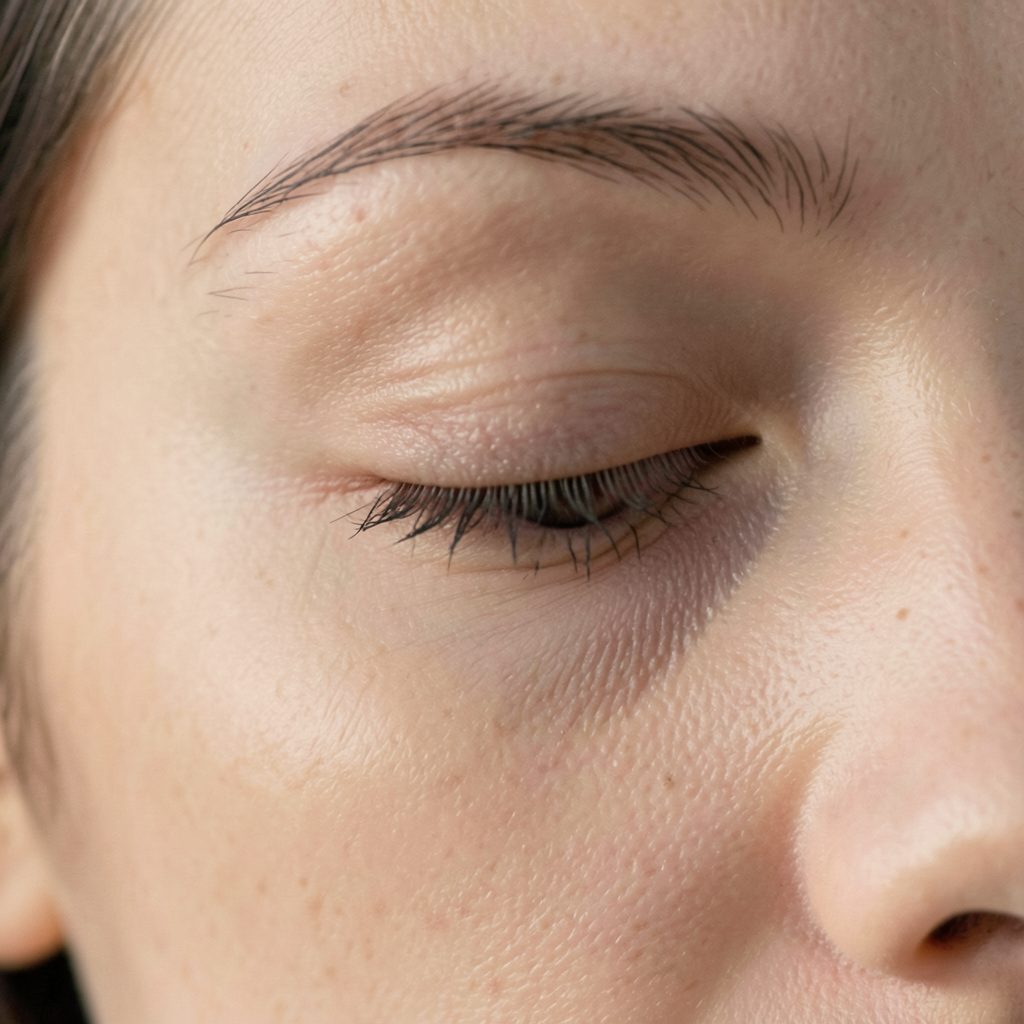
What Are Hooded Eyes?
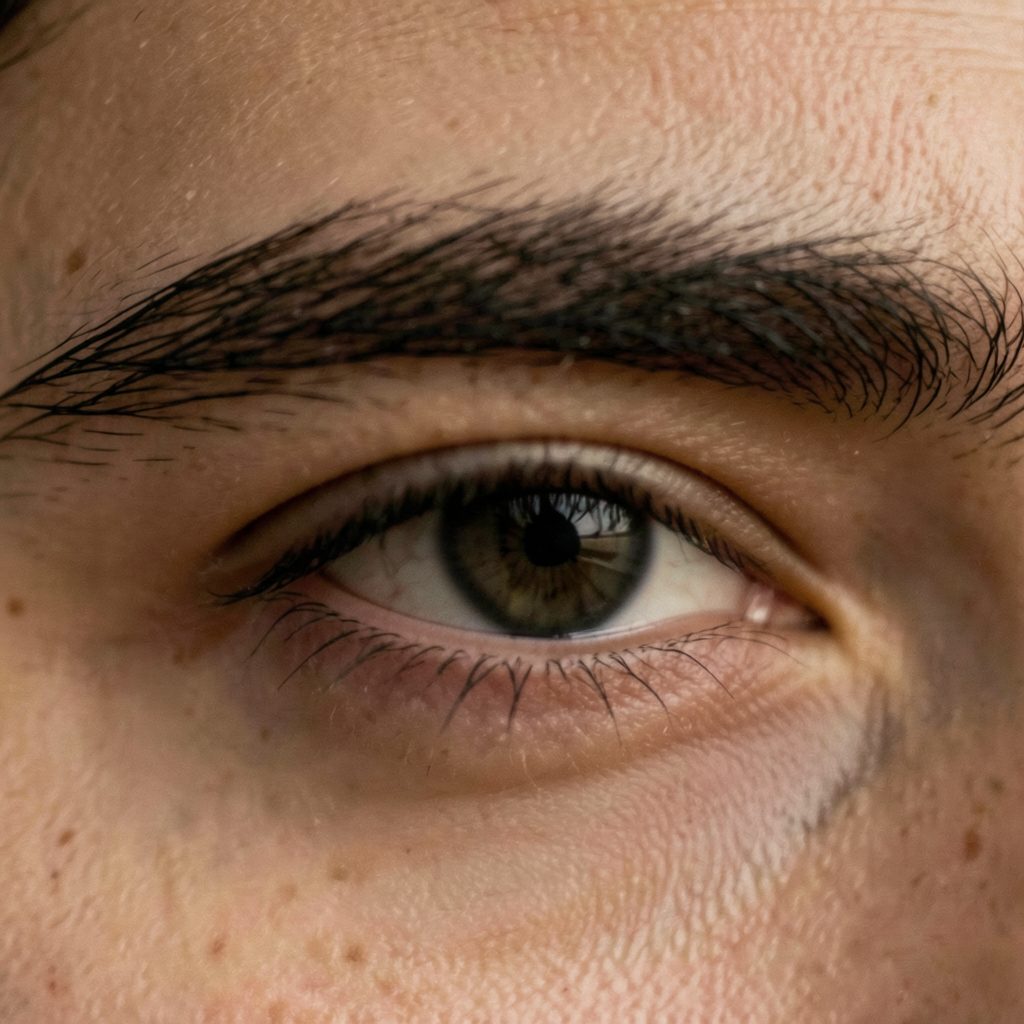
Hooded eyes are a natural eye shape where an excess piece of skin from the brow bone partially or completely covers the eyelid. The result can make eyes appear smaller or more tired than they feel.
This shape can be present from birth due to genetics, or it can develop over time. Known causes include aging, genetic traits, eye rubbing, body fatness, muscle structure, trauma, solar radiation, and sleep apnea.
Monolid and hooded eyes are related, but they describe different features. A monolid usually has little or no visible crease when open, while a hooded eye has upper-lid skin covering part of the mobile lid. A monolid can also be hooded, although a hooded eye can sit above a distinct crease. Liner should therefore follow your visible lid space, lashes and eye shape rather than a generic rule.
The best eyeliner styles for monolid hooded eyes add definition without forcing an artificial opening. Tightlining, softened wings and controlled lower accents can clarify the lash line while leaving room for the brow. Australian conditions also matter: summer heat, sunscreen, beach days and air-conditioned offices affect formulas differently. The site's eyeliner tips offer useful preparation advice, but the essential starting point is knowing how much lid space you have.
The upper-lid space lies between the crease and upper lashes. On a hooded lid it may be nearly invisible at rest and appear only when the eye opens wide or the brow lifts. A thick band can seem to vanish, leaving a heavy outer corner without balanced definition. Following the exposed lash edge gives a cleaner result.
Hooded is not automatically the same as deep-set. Deep-set eyes often show a pronounced crease, while hooded eyes are defined by upper-lid overlap. You may have both. Check how much skin covers the lashes in daylight and compare your eyes, since hooding can differ slightly. This observation is more useful than assuming every lid needs one wing shape.
Keep the visible area open by concentrating colour along the lashes rather than far above them. A narrow line, soft crease shading and small gap between wing and brow can make the eye look awake. If a wing disappears when you open your eye, its inner end is probably too pale or its outer end too heavy. Adjust thickness before adding more product.
Tightlining fills narrow gaps between upper lashes so the base looks fuller. Use a fine waterproof pencil or slim liquid pen, rest the tip against the roots and make short strokes instead of dragging it along the lid. Define the outer corner first, join the centre and check with your eye fully open. The goal is an uninterrupted base, not a thick strip sitting on the skin.
For a softer wing, trace the upper lash line in brown-grey or muted plum, extend a short tail and smudge before it sets. Creamy pencils glide over the lid; hard pencils give a crisper edge but can catch on dry skin. Keep the tail low to medium, pointing toward the temple and following the natural lift of the lower lash line rather than aiming steeply toward the brow.
Celebrity looks offer comparison, not templates. Maggie Cheung's restrained upper definition and Korean singer IU's clean lash line show how little distance from the lashes a polished style can require. Compare visible lid area and line weight, not colour alone. A look that reads dramatic on a celebrity may overwhelm a smaller exposed area, so scale the proportions to your own eye.
A crisp wing works best when its tail begins within the outer corner and extends beyond it by a controlled amount. Imagine a straight line from the lower iris through that corner; a modest upward angle often feels balanced on a hooded eye. Test with your eye open, because a wing that looks visible while looking down may sit hidden beneath the lid in normal forward gaze.
Graphic styles need careful placement. A thick-to-thin wing, slim gap between two strokes or short negative-space wing can work when the heaviest area sits in the outer third, where it stays visible. Avoid a broad stripe across the whole lid. Keep the inner half light, leave space above a visible crease and use your brow shape to guide how far the tail travels.
Liquid liner creates the cleanest graphic edge, but it needs a steady hand and a weather-suitable formula. During a humid Melbourne or Sydney summer, quick-drying liquid can outperform a pencil that has no time to set before shadow. Brisbane's subtropical climate can create the same issue for much of the year. Apply liner after primer and powder, not before them, and keep the wand away from damp skin.
A lower accent can balance a defined upper line without adding weight to the hooded area. Smudge brown or plum just beneath the lower lashes, stopping before the outer third if the eye looks heavy. For more definition, place tiny strokes between lower lashes like a half-lash effect rather than painting a solid strip. The lower line should support the upper line, not compete with it.
At the inner corner, a small amount of liner can sharpen the tear duct, but restraint is crucial. Tightline the upper and lower waterline with a waterproof pencil for a continuous frame, or place one deliberate dot beside the nostril instead of filling the whole corner. Loose glitter can migrate towards the eye, especially for contact-lens wearers, so use a fine adhered pencil or cream product rather than brushing particles into the area.
Water-resistant formulas suit beach and pool days, but careful removal still matters. Salt, chlorine and sunscreen can prompt rubbing, which is more likely to irritate the eye than the liner itself. Rinse gently, remove with an oil-based cleanser and let the area dry before another coat. Stop using the product if the eye becomes painful, red or persistently watery.
Shade matching starts with your lashes and desired effect. Soft black can suit naturally dark lashes, while brown, charcoal or plum gives definition without stark contrast. For fair complexions, warm taupe may look polished in daylight; on deeper complexions, deep brown, ink blue or rich plum can provide equally striking contrast. Test liner in natural light and compare it with mascara, brows and shadow rather than judging it on a pale hand.
Australian weather changes how a formula behaves. Broad-spectrum sunscreen is a daily essential and should be fully set before liner goes near the lashes; makeup applied over tacky SPF can smudge. A hat and sunglasses reduce the need to crowd the lash line with dark colour. Commuting on a crowded Sydney or Melbourne train, then working in strong air-conditioning, can create oily skin alongside dryness, so a light primer and precision pencil may work best.
The local market offers broad choice. Maybelline, Revlon, Rimmel and L'Oréal liners are common at Priceline, Chemist Warehouse and supermarkets, while prestige options appear at Sephora and Myer. Australian labels such as Luna by Lisa and Kombi provide locally developed choices. Prices are in Australian dollars, and sales make it useful to compare cost per use.
Cosmetics sold in Australia must comply with the Therapeutic Goods (Cosmetic Goods) Regulations, overseen by the Therapeutic Goods Administration. Ingredients should appear on the pack under standard names. These rules are not individual pre-market approval for every cosmetic, so buy from reputable sellers, check seals and expiry dates, and treat unlabelled marketplace products cautiously.
Some people notice more hooding as the upper brow descends with age. A lower brow position can reduce visible lid space and make a familiar eyeliner style seem to disappear. The relationship is explained in this brow ptosis guide, which distinguishes a drooping brow from ordinary hooded anatomy. A sudden one-sided change is different from gradual ageing and deserves an eye doctor's assessment rather than a new liner colour.
A Botox brow lift may raise the brow slightly and reveal more lid in suitable cases, but results are temporary and depend on anatomy, muscle strength and dose. Temporary effects can include bruising, headache, eyelid heaviness, a drooping eyelid or an uneven smile. A clinician should review your medical history, explain alternatives and provide aftercare, including which products to avoid while injection sites settle. Makeup can usually return once the area is clean and no longer tender.
Blepharoplasty is the surgical option for removing excess skin that genuinely crowds the eye area. It requires medical assessment, preparation instructions, time away from work and specific aftercare, with possible scarring, dry eye, swelling, infection or changes in eyelid position. In Australia, confirm that the surgeon is registered with the Australian Health Practitioner Regulation Agency and works in an accredited facility. Cosmetic procedures cannot make every hooded eye look alike, so realistic expectations and medical advice come before makeup.
Choose one adaptable style for your first attempt: a tightlined upper line with a short tail, then add either a smudged lower accent or one inner-corner detail. Photograph it in daylight and with your brow raised, since the raised view shows whether the line remains visible in a natural forward gaze. Compare the result with other hooded-eye examples and cosmetic options through the hooded eyes resource, then choose a technique that fits your visible lid space, climate and everyday habits. The right balance of definition and softness will let eyeliner accentuate your eyes while remaining comfortable, wearable and recognisably your own.
Surgical Option
For those seeking a more lasting result, plastic surgery — including blepharoplasty — is covered as a treatment option for hooded eyes. Surgery addresses the excess skin directly and is considered an alternative to non-surgical approaches like Botox.
The site's surgery guide explains the procedure, what to expect, and how it compares to non-surgical routes, helping readers make informed decisions about their options.
Read the Surgery Guide →Famous Faces
Hooded eyes can enhance facial expressions and contribute to a distinctive, memorable look. These ten well-known figures all share the eye shape.
Jennifer Aniston
Leonardo DiCaprio
Solange Knowles
Taylor Swift
Michelle Williams
Robert Pattinson
Blake Lively
Selena Gomez
Gigi Hadid
Benicio del Toro
Side by Side
False Lash Guide
Varied length spikes create texture and the illusion of depth without weighing down the lid.
Longer outer-corner lashes draw the eye outward and upward, counteracting the hood effect.
A uniform, moderate length that adds definition without overwhelming a hooded lid.
Applied only to the outer half, these open up the eye shape and are easier to manage on hooded lids.
A strong upward curl (D or L curl) lifts lashes away from the hood, keeping them visible throughout the day.
The guide also covers lash curlers, mascara recommendations, and step-by-step instructions for fixing false lashes on hooded eyelids.
Full Lash Guide →Get in Touch
Whether you are just beginning your makeup journey or have been experimenting with different looks for years, we are glad you are here.
General Feedback
Share your thoughts on the site or suggest topics you'd like covered.
Looking for a Specific Tip?
Ask about a particular technique or eye-shape challenge.
Product Questions
Questions about products mentioned across the site.
Human Resources or Business Inquiries
Partnership, collaboration, or business-related correspondence.