01
Makeup Tips
Eyeshadow placement, blending techniques, and common mistakes to avoid for a more open, lifted look.
Explore →
Eye Shape Guide
Understand your eye shape, master makeup techniques, and explore every treatment option — from Botox brow lifts to surgical solutions.
Explore the Site
Eyeshadow placement, blending techniques, and common mistakes to avoid for a more open, lifted look.
Explore →Winged liner, smudge prevention, and techniques that work with hooded lids to make eyes appear larger.
Explore →Non-surgical Botox brow lifts and surgical options including blepharoplasty, explained clearly.
Explore →Five false lash styles suited to hooded eyes, plus curler and mascara guidance for maximum lift.
Explore →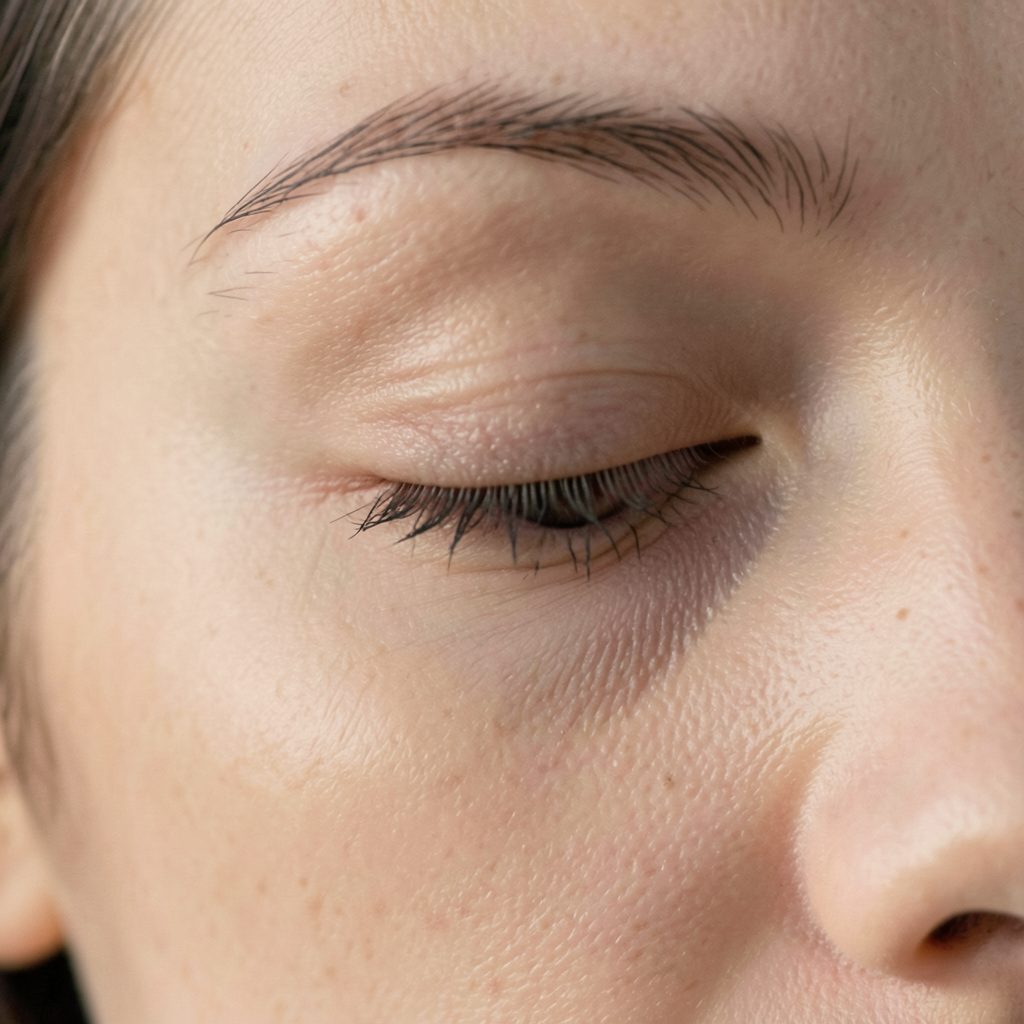
What Are Hooded Eyes?
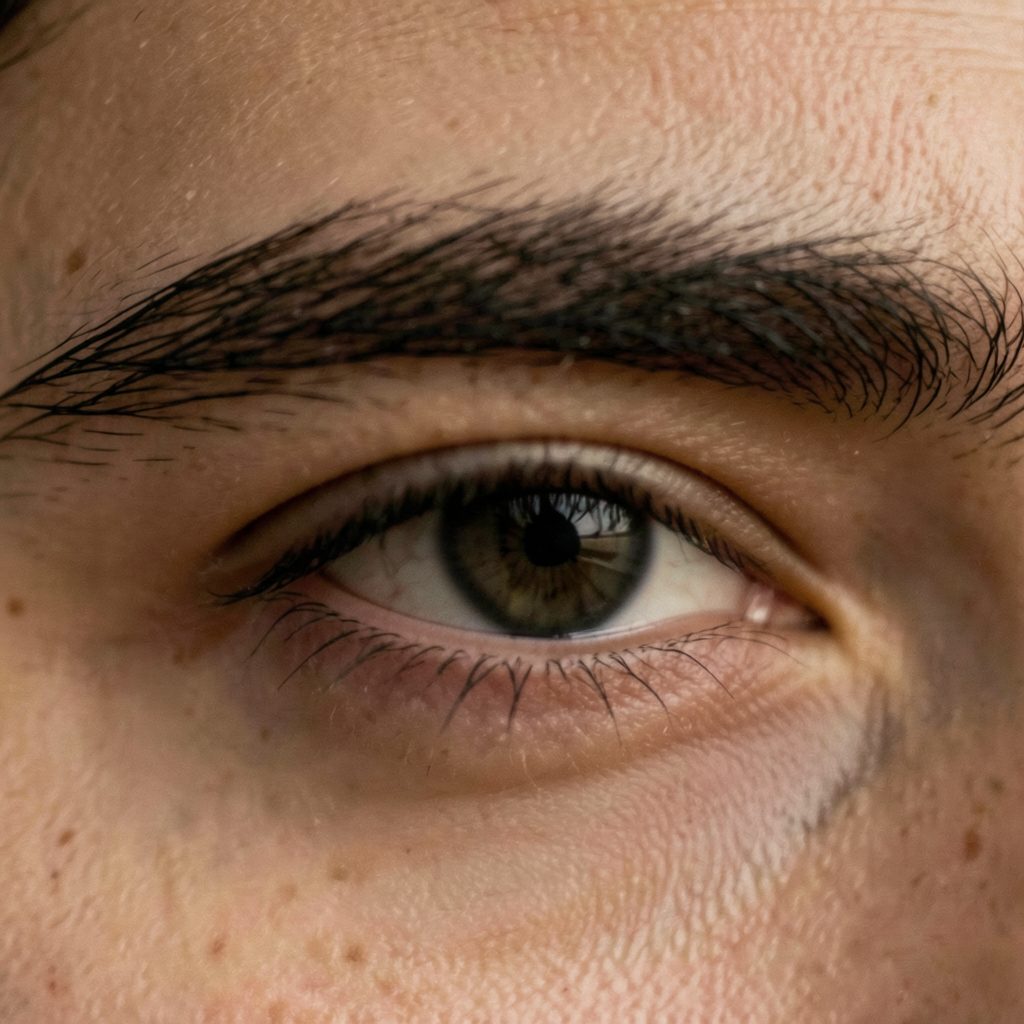
Hooded eyes are a natural eye shape where an excess piece of skin from the brow bone partially or completely covers the eyelid. The result can make eyes appear smaller or more tired than they feel.
This shape can be present from birth due to genetics, or it can develop over time. Known causes include aging, genetic traits, eye rubbing, body fatness, muscle structure, trauma, solar radiation, and sleep apnea.
Hooded eyes have a low or partially hidden upper-lid fold, so the mobile skin above the lashes meets the crease at an angle. Shadow and liner can collect there, creating the appearance of a new crease even when the fold is entirely natural. The right eyelid primer can reduce that build-up by giving colour a more stable base, but it cannot remove the fold or change the structure of the lid.
Because many Australians contend with heat, humidity, sunscreen and air-conditioning, a primer also needs to cope with changing conditions rather than simply adding moisture. Think of it as a thin, flexible base that helps colour stay where you place it. The result should look smoother and wear evenly, not flatter in a way that makes the eye appear heavy.
The crease you see may be an anatomical fold, a shadow line created by makeup, or a combination of both. With a hooded eye, the upper lid may cover part of the mobile lid, leaving less visible space for colour. When shadow, liner or excess powder gathers along the fold, it creates a sharper line that looks deeper than the natural crease.
Ageing can reduce support beneath the brow or introduce puffiness, while genetics determine the basic shape of the fold. Brows that sit lower can also make the upper lid appear more hooded. These changes affect how the skin moves when you blink or look down, so a product that stays put on a flat eyelid may behave differently on yours.
A useful primer creates a thin, flexible film that improves adhesion and reduces oil transfer. It helps shadow and liner migrate less, but it cannot prevent the skin itself from folding. If a primer dries into a patchy, powdery layer, it may emphasise fine lines instead. The goal is an even surface that supports makeup without adding visible weight.
Choose a lightweight formula with a matte or soft-satin finish, minimal transfer and a flexible finish after drying. When comparing the best eyelid primers for preventing creasing on hooded eyes, prioritise how the product wears on the mobile lid rather than relying on broad “all-day” claims. Test it with the shadow and liner you normally use, since primers and colour formulas may not always cooperate.
Texture matters as much as the finish listed on the bottle. A thin gel may disappear into the skin and feel weightless, while a cream primer can offer more slip on a dry lid. Silicone-feeling primers often smooth the surface well, but a greasy formula can encourage colour to slide. If your lid is oily, a matte primer is usually more useful than a rich moisturising one. Tinted options can help conceal discoloration, although the shade should remain subtle on medium and deep skin tones.
Read the ingredient list and avoid strongly fragranced products if your eyelids are sensitive. Patch-test a new formula and stop using it if irritation develops. Under Australian rules, products making therapeutic claims may require listing on the Australian Register of Therapeutic Goods and an AUST L number. The TGA’s Australian Ingredients Directory can help you check listing details. Australian beauty retailers such as Sephora, Priceline and Chemist Warehouse carry many primers, while online marketplaces may also list imported products, so check the Australian supplier and label information carefully.
Begin with clean eyelids, then apply a light moisturiser if the skin feels dry. If you use sunscreen around the eyes, allow it to set without rubbing; pilling sunscreen can undermine the primer base. Use an eye-area product formulated for the sensitive orbital area rather than treating the lid like ordinary facial skin. Cleansing, moisturising and priming take only a few minutes but give the rest of your routine a more stable starting point.
Use less primer than you think you need. Warm a rice-grain-sized amount between clean fingertips, then press or sweep it over the mobile lid rather than dragging it back and forth. Begin near the lash line and move towards the fold without packing colour into the deepest crease. Follow the product’s drying instructions, and resist adding more while it appears shiny. Some formulas become matte only after a minute, whereas others need immediate application.
Translucent powder can help set a primer on an oily lid, but use it sparingly. Heavy concealer or prolonged “baking” can settle inside the fold and make it look more pronounced. In Sydney, Melbourne and Brisbane, summer humidity and perspiration can soften a base, while air-conditioned offices can dry the surface and encourage rubbing. Blotting rather than rubbing helps, and a well-set primer should remain comfortable through a warm day and a crowded train or bus commute.
Once the primer has set, use a matte shadow in a shade close to your skin tone to soften the transition of the fold. Avoid placing a bright highlight directly inside it, as reflective particles catch attention and exaggerate the crease. If your hooding includes an epicanthic fold, the site’s Asian hooded eye guidance explains placement that works with the shape rather than attempting to create a high crease where there is little visible lid.
For eyeliner, keep the upper line thin and close to the lashes, especially where the lid folds over it. Tightlining can create a defined edge without adding a visible strip of colour, but avoid applying liner to the lower waterline if you are prone to irritation. A water-resistant formula may help during humid weather or an emotional day, though it still needs careful removal. For more shape-specific placement, browse the eye-shape guides before experimenting with wings or strong contrast.
Mascara should define and separate the lashes rather than create a dense fringe that transfers onto the lid. Apply it from the middle length downwards, keeping the roots relatively light, and use a separate clean wand to remove clumps. If you wear mascara on the upper lashes, allow it to set before applying additional product over the lid. Primer cannot correct structural hooding. Persistent hooding that affects your vision deserves an assessment from an optometrist or ophthalmologist, while a botulinum toxin brow lift or blepharoplasty should be discussed with an appropriately registered clinician because both carry risks and require individual planning.
Treat your first purchase as a trial rather than a permanent solution. Test a small amount on one eye, wear it through a normal day and check the fold after several hours. Photograph your eye in daylight and under office lighting, as artificial light can hide changes that become obvious outdoors. Gentle removal is just as important as application: residue in the crease can create the very build-up you were trying to prevent.
Use this checklist when comparing primers and building your routine:
Choose one primer, test it through a full workday and adjust the application before changing the entire routine. Give the fold a clean, lightly powdered base, keep colour above the deepest crease and let your own lid shape remain visible. That balance creates the smooth, crease-resistant finish you want without making hooded eyes look heavier than they are.
Surgical Option
For those seeking a more lasting result, plastic surgery — including blepharoplasty — is covered as a treatment option for hooded eyes. Surgery addresses the excess skin directly and is considered an alternative to non-surgical approaches like Botox.
The site's surgery guide explains the procedure, what to expect, and how it compares to non-surgical routes, helping readers make informed decisions about their options.
Read the Surgery Guide →Famous Faces
Hooded eyes can enhance facial expressions and contribute to a distinctive, memorable look. These ten well-known figures all share the eye shape.
Jennifer Aniston
Leonardo DiCaprio
Solange Knowles
Taylor Swift
Michelle Williams
Robert Pattinson
Blake Lively
Selena Gomez
Gigi Hadid
Benicio del Toro
Side by Side
False Lash Guide
Varied length spikes create texture and the illusion of depth without weighing down the lid.
Longer outer-corner lashes draw the eye outward and upward, counteracting the hood effect.
A uniform, moderate length that adds definition without overwhelming a hooded lid.
Applied only to the outer half, these open up the eye shape and are easier to manage on hooded lids.
A strong upward curl (D or L curl) lifts lashes away from the hood, keeping them visible throughout the day.
The guide also covers lash curlers, mascara recommendations, and step-by-step instructions for fixing false lashes on hooded eyelids.
Full Lash Guide →Get in Touch
Whether you are just beginning your makeup journey or have been experimenting with different looks for years, we are glad you are here.
General Feedback
Share your thoughts on the site or suggest topics you'd like covered.
Looking for a Specific Tip?
Ask about a particular technique or eye-shape challenge.
Product Questions
Questions about products mentioned across the site.
Human Resources or Business Inquiries
Partnership, collaboration, or business-related correspondence.