01
Makeup Tips
Eyeshadow placement, blending techniques, and common mistakes to avoid for a more open, lifted look.
Explore →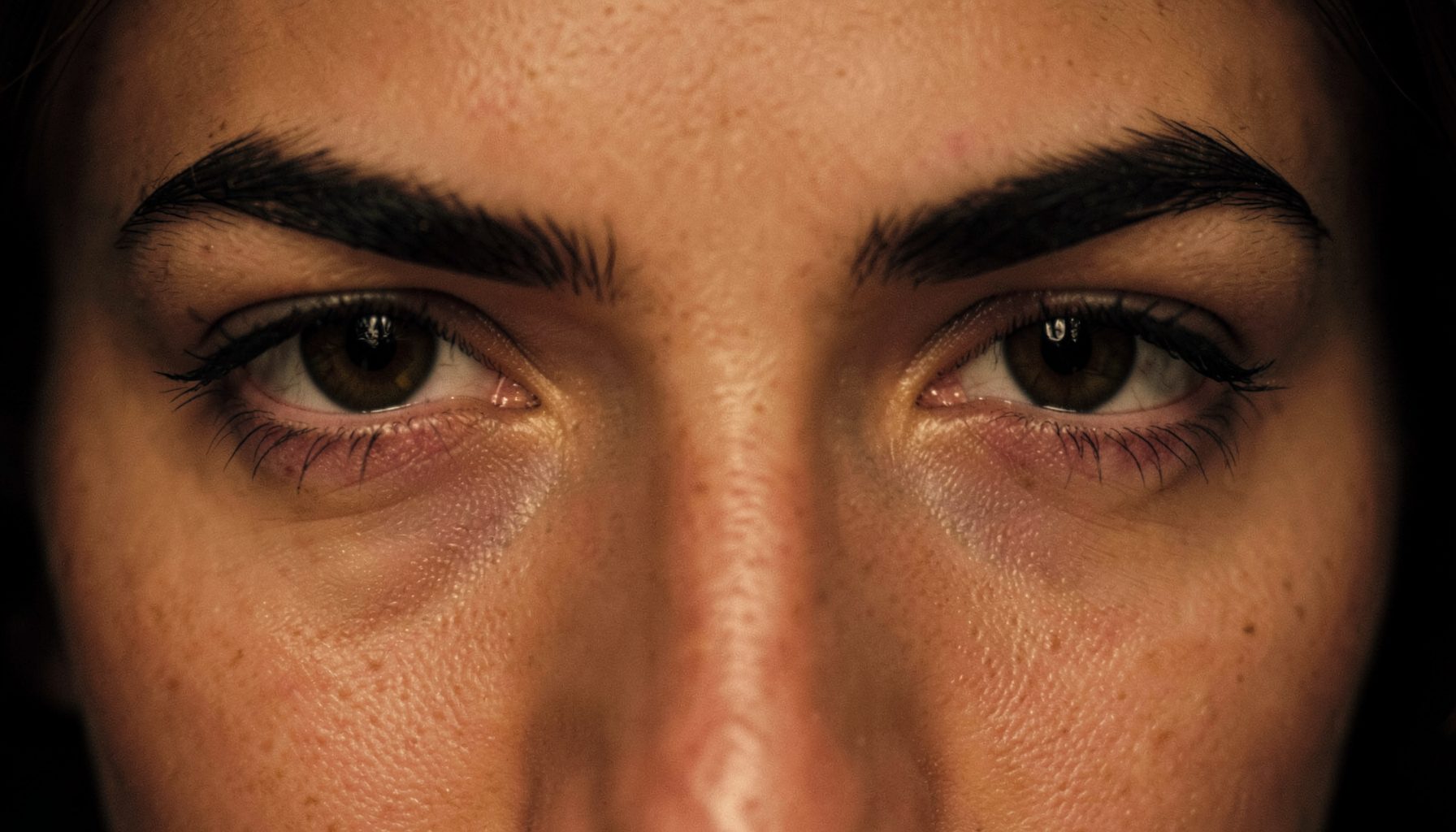
Eye Shape Guide
Understand your eye shape, master makeup techniques, and explore every treatment option — from Botox brow lifts to surgical solutions.
Explore the Site
Eyeshadow placement, blending techniques, and common mistakes to avoid for a more open, lifted look.
Explore →Winged liner, smudge prevention, and techniques that work with hooded lids to make eyes appear larger.
Explore →Non-surgical Botox brow lifts and surgical options including blepharoplasty, explained clearly.
Explore →Five false lash styles suited to hooded eyes, plus curler and mascara guidance for maximum lift.
Explore →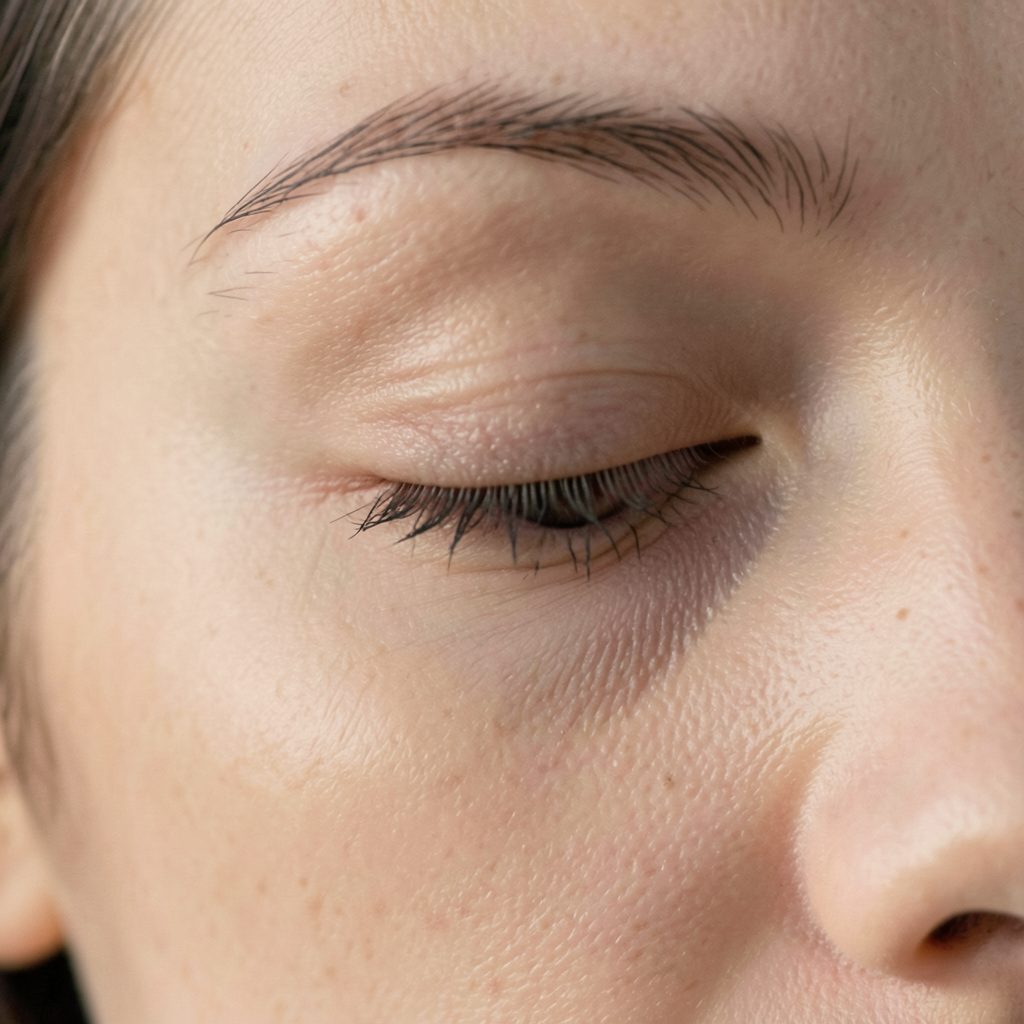
What Are Hooded Eyes?
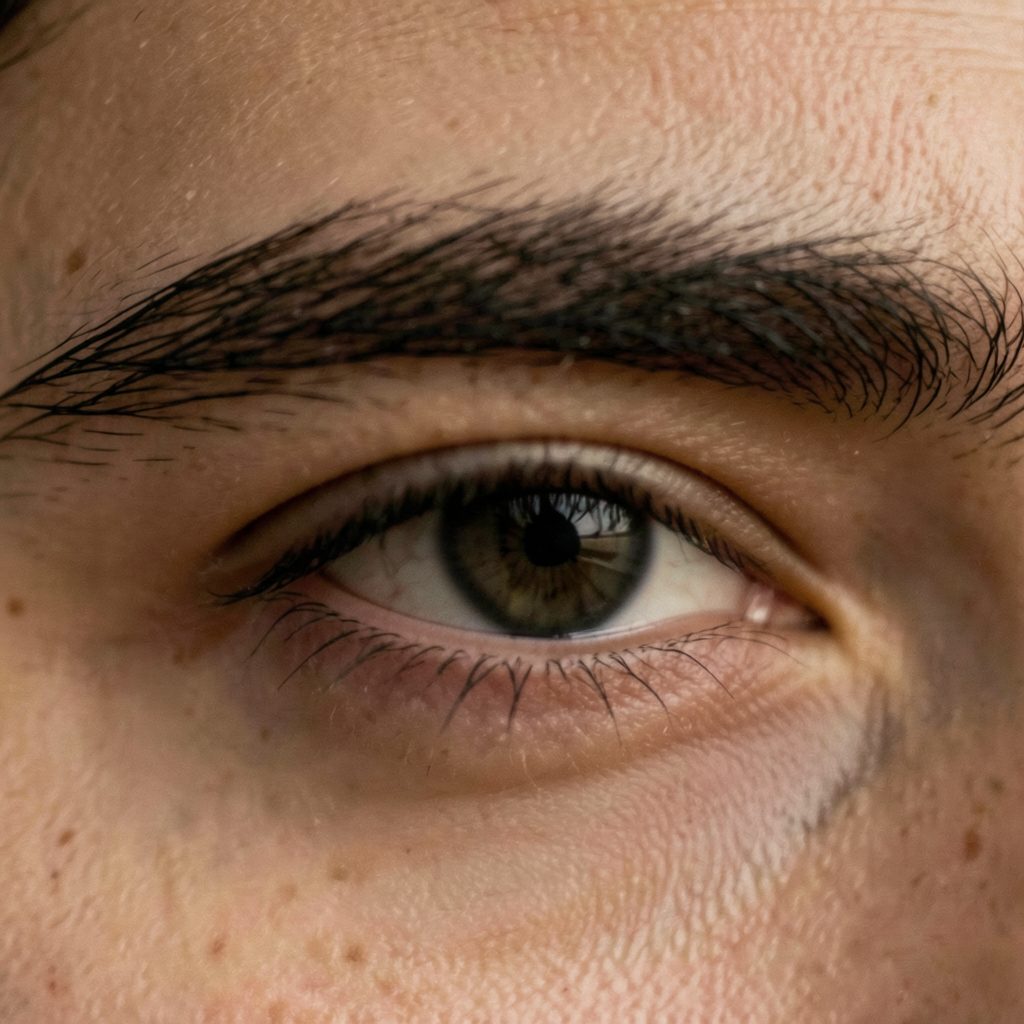
Hooded eyes are a natural eye shape where an excess piece of skin from the brow bone partially or completely covers the eyelid. The result can make eyes appear smaller or more tired than they feel.
This shape can be present from birth due to genetics, or it can develop over time. Known causes include aging, genetic traits, eye rubbing, body fatness, muscle structure, trauma, solar radiation, and sleep apnea.
Asian hooded eyes with an epicanthic fold can have a softly covered crease, a smaller visible lid area and an inner corner partly concealed by skin. The fold may extend from the upper eyelid towards the nose, changing how eyeshadow, eyeliner and false lashes appear when the eyes are open. There is no single “Asian eye” shape, so the amount of hooding, lid space and crease definition varies widely.
The most flattering palette is usually one that offers control rather than excessive sparkle. Matte and satin shadows can create visible dimension without transferring onto the upper lid, while carefully placed shimmer brings light to areas that remain visible. Shade depth, undertone and placement matter more than following a rigid makeup rule.
A successful look should be judged with the eyes open, in natural light and from a normal conversational distance. This is especially useful when shopping in Australia, where strong outdoor light in cities such as Sydney, Melbourne and Perth can make a soft look appear much more intense than it did under a store’s lighting.
An epicanthic fold covers part of the inner corner and can make the upper lash line look shorter. Hooding may also reduce the amount of mobile lid visible when the eyes are relaxed. If you would like to compare the anatomy more closely, this guide to hooded and non-hooded eyes explains how the overhanging skin changes the visible crease and lid area.
The fold does not need to be disguised. It is a natural feature that can give the eyes a smooth, elongated appearance. Makeup works best when it follows the eye’s structure instead of trying to force a high, rounded Western-style crease. Place colour where it can be seen with the eyes open, then blend the edges softly so the result remains balanced when the eyes close.
Some people have a shallow hood with plenty of lid space, while others have a deeper fold and almost no visible mobile lid. Monolids, tapered creases and asymmetrical hooding can occur within the same family. Test your shape individually rather than assuming that a technique described for one Asian eye shape will suit every face.
Medium matte browns are reliable transition shades because they create structure without making the eye look heavy. Neutral taupe, soft cocoa, muted beige and grey-brown are especially useful for fair to medium complexions. Deeper complexions can explore espresso, plum-brown, aubergine, terracotta and rich bronze, provided the pigment is built gradually.
Warm shades can look beautiful, although very orange or red eyeshadow may emphasise redness around the eyes. If your undertone is olive or neutral, try khaki, antique bronze, mushroom, muted rose and brown-plum shades. Cool undertones often suit mauve, slate, smoky lavender, pewter and cool chocolate. A palette with both warm and cool neutrals is more useful than one containing several near-identical beige shades.
Shimmer is most effective when it is selective. Champagne, soft gold, rose gold and pale bronze can brighten the centre of the lid or the inner portion that remains visible around the fold. Foiled metallics and chunky glitter may migrate into the crease, particularly in humid Brisbane or Darwin weather, so use an eye primer and press the product on rather than sweeping it across the lid.
A compact palette for this eye shape should contain a light matte, a transition shade, a mid-tone lid colour, a deep definition shade and one refined shimmer. This combination supports everyday makeup, evening looks and quick application before work. Australian retailers such as Mecca, Adore Beauty, Priceline and Chemist Warehouse commonly stock palettes across these price ranges, making it possible to compare formulas without relying on one brand.
Look for shadows that blend without becoming patchy and that can be layered over primer. Very powdery formulas may fall onto the cheeks, while overly creamy shadows can crease where the hood touches the lid. Pressing a small amount onto the brush and tapping off excess gives better control, especially with deep brown, navy or burgundy pigments.
| Makeup purpose | Useful shades | Best placement | Finish to consider |
|---|---|---|---|
| Brighten | Soft ivory, champagne, pale peach | Inner corner or visible inner lid | Satin or fine shimmer |
| Create transition | Taupe, beige-brown, muted caramel | Slightly above the natural fold | Matte |
| Add lid colour | Rose brown, bronze, mauve, olive | Mobile lid that remains visible | Satin or soft shimmer |
| Define the outer eye | Cocoa, plum, espresso, charcoal | Outer corner and upper lash line | Matte or satin |
| Add evening depth | Deep chocolate, aubergine, navy | Outer third, used sparingly | Matte |
| Soften the brow area | Skin-matched beige or muted tan | Under the brow and around edges | Matte |
For a simple daytime look, use the transition shade above the fold, apply the lid colour only where it can be seen, and deepen the outer corner with a small tapered brush. A pale satin shade at the inner corner can make the eyes appear more awake without placing light directly on the entire lid.
Begin with the eyes open and relaxed. Mark the area just above the fold with a matte transition colour, keeping the shape slightly elongated rather than making a large circular arc. This creates the impression of depth without hiding the colour when the eye opens. Blend towards the temple, but keep the outer edge lifted and controlled.
Apply the strongest lid shade to the visible mobile lid, concentrating it near the lash line. On a smaller lid, a thin layer of satin colour often looks more polished than an opaque block of metallic pigment. If the inner fold covers much of the inner lid, leave that area lighter and place the deeper colour from the middle towards the outer corner.
A softly smoked lower lash line can balance the upper lid, but keep it narrow. Use the same mid-tone or definition shade on the outer half of the lower lashes, then blur the edges with a clean brush. Connecting upper and lower shadow at the outer corner can elongate the eye, while carrying dark colour all the way around may make the eyes appear smaller.
For a lifted result, angle the outer shadow towards the end of the brow rather than straight sideways. Stop before the colour reaches the deepest part of the hood. This placement gives definition when the eyes are open and prevents the outer corner from looking weighed down.
A thick black wing can disappear under a hood or compete with the epicanthic fold. Tightline the upper lashes with dark brown, espresso or black, then draw a short, thin line that follows the natural lash direction. Keep the inner corner narrow, since a heavy line across the folded area can reduce visible lid space.
Mascara should provide lift without creating a rigid, spidery fringe. Curl the lashes, concentrate product at the roots and use a lengthening formula on the upper lashes. Waterproof mascara is practical for humid Queensland summers, beach days and long commutes, although it should be removed gently with a bi-phase cleanser to avoid rubbing the delicate eye area.
Lash styles with a shorter inner section and gradual length towards the outer corner often complement an epicanthic fold. Choose flexible bands and avoid a very dense strip that covers the eyeshadow. If you enjoy a more dramatic finish, these false lash styles offer useful ideas for selecting a shape that does not overwhelm a covered lid.
Cream shadows can be convenient, but set them lightly with a compatible powder if your lids become oily. Glitter adhesive should be formulated for the eye area, and loose cosmetic glitter should never be applied close to the tear duct. On hot days, store makeup away from direct sunlight and check the product’s recommended use period.
A polished daytime look for an office in Melbourne or a university day in Canberra might use taupe, soft rose and brown liner. These shades are understated under fluorescent lighting but still give definition outdoors. For a relaxed weekend in Sydney, try bronze or olive on the lid with a softly smoked outer corner and a satin highlight on the inner eye.
Australian light can be unforgiving, particularly during a bright summer afternoon. Check the finished look near a window before adding more pigment. If you are attending a wedding, festival or evening event, take a small matte brown for touch-ups rather than layering additional shimmer over a crease that has already begun to wear.
Skin and beauty preferences are also diverse across Australia’s Asian communities. A shade marketed as “universal” may appear pale, ashy or overly warm depending on your complexion. Swatch colours on the inner forearm for texture, but assess the actual undertone near the eye whenever possible. Online shoppers using Adore Beauty or other Australian sites should check return policies, ingredient information and reviews from people with similar skin tones.
For mature hooded eyes, finely milled mattes and satins generally sit more smoothly than chunky sparkle. Use fewer layers, keep the transition shade softly diffused and place brightness at the inner corner or centre of the visible lid. If hooding has changed over time and affects your vision or causes persistent irritation, an optometrist or qualified medical practitioner can assess the issue; eyeshadow cannot correct functional concerns.
For an understated look, sweep a skin-toned matte across the lid, add taupe above the fold and press muted rose or bronze onto the visible lid. Deepen only the outer third, then apply brown mascara. This technique defines the eyes while preserving their natural shape and works well for daily wear, work meetings and warm-weather outings.
A smoky evening style can use plum, espresso or charcoal instead of solid black. Place the darkest colour at the upper lash roots and outer corner, then blend it slightly above the fold with a medium matte shade. Add a fine metallic layer to the centre of the lid, keeping the inner fold and outermost edge relatively matte for contrast.
Graphic colour can be flattering when it follows the eye’s natural direction. Navy, emerald, burgundy and deep purple create interest without requiring a large visible lid. Press the colour close to the lashes, extend it gently outward and leave the surrounding transition area neutral. This keeps a bold shade intentional rather than making the hood appear darker.
Remove eye makeup thoroughly at night with a gentle cleanser or micellar product followed by water if required by the formula. Avoid pulling at the fold, lashes or outer corners. Clean brushes regularly, replace mascara according to its label and stop using any product that causes stinging, swelling or persistent redness.
Choose a palette with a matte transition, a dependable deep shade and one refined shimmer, then practise placement with your eyes open. Shop from Australian retailers that provide clear ingredient and return information, and photograph the result in daylight before an important event. With the right textures and controlled colour, the epicanthic fold becomes part of a distinctive eye look rather than a limitation. Get started with one dependable neutral palette and build your technique one visible layer at a time.
Surgical Option
For those seeking a more lasting result, plastic surgery — including blepharoplasty — is covered as a treatment option for hooded eyes. Surgery addresses the excess skin directly and is considered an alternative to non-surgical approaches like Botox.
The site's surgery guide explains the procedure, what to expect, and how it compares to non-surgical routes, helping readers make informed decisions about their options.
Read the Surgery Guide →Famous Faces
Hooded eyes can enhance facial expressions and contribute to a distinctive, memorable look. These ten well-known figures all share the eye shape.
Jennifer Aniston
Leonardo DiCaprio
Solange Knowles
Taylor Swift
Michelle Williams
Robert Pattinson
Blake Lively
Selena Gomez
Gigi Hadid
Benicio del Toro
Side by Side
False Lash Guide
Varied length spikes create texture and the illusion of depth without weighing down the lid.
Longer outer-corner lashes draw the eye outward and upward, counteracting the hood effect.
A uniform, moderate length that adds definition without overwhelming a hooded lid.
Applied only to the outer half, these open up the eye shape and are easier to manage on hooded lids.
A strong upward curl (D or L curl) lifts lashes away from the hood, keeping them visible throughout the day.
The guide also covers lash curlers, mascara recommendations, and step-by-step instructions for fixing false lashes on hooded eyelids.
Full Lash Guide →Get in Touch
Whether you are just beginning your makeup journey or have been experimenting with different looks for years, we are glad you are here.
General Feedback
Share your thoughts on the site or suggest topics you'd like covered.
Looking for a Specific Tip?
Ask about a particular technique or eye-shape challenge.
Product Questions
Questions about products mentioned across the site.
Human Resources or Business Inquiries
Partnership, collaboration, or business-related correspondence.