01
Makeup Tips
Eyeshadow placement, blending techniques, and common mistakes to avoid for a more open, lifted look.
Explore →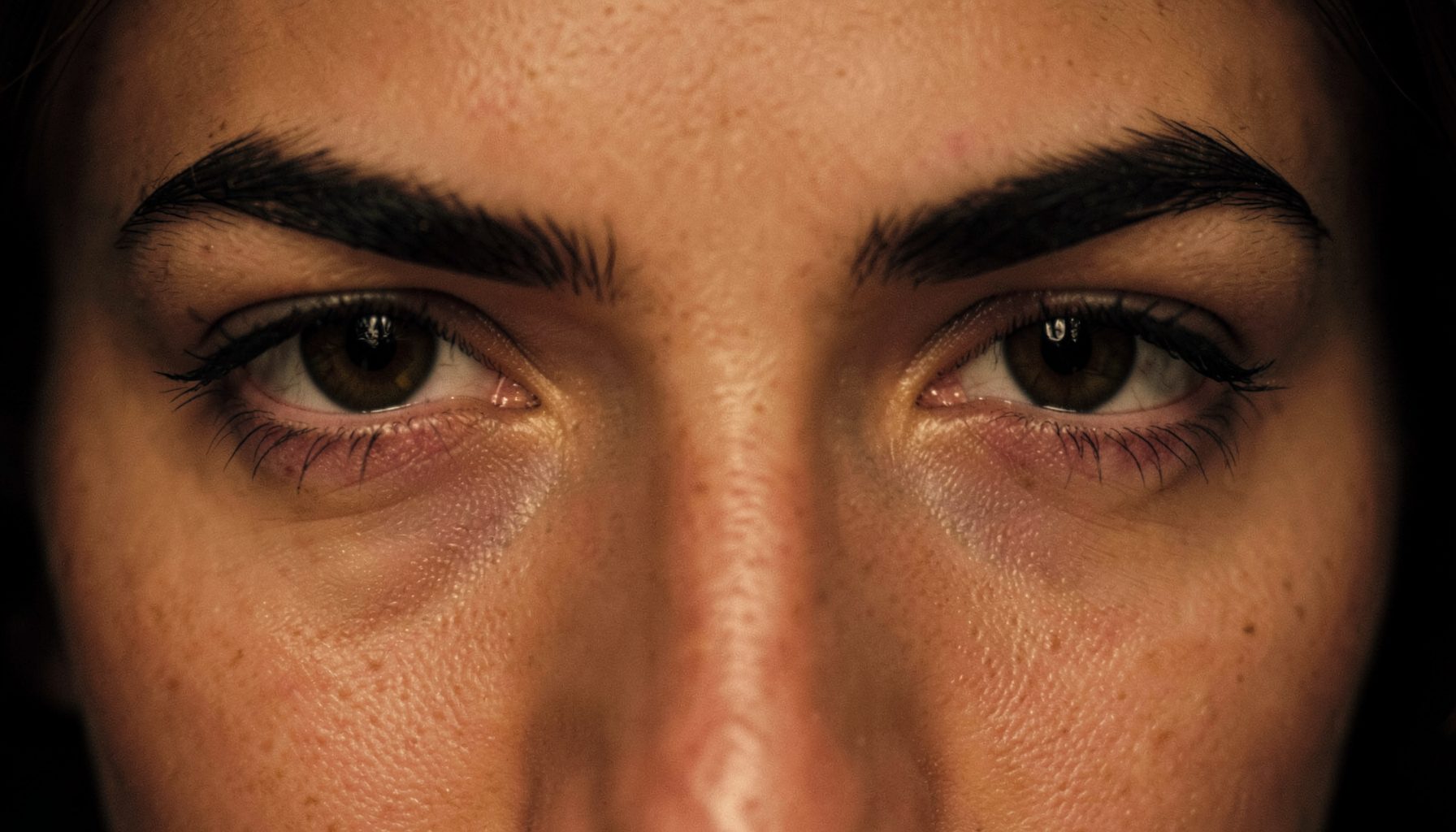
Eye Shape Guide
Understand your eye shape, master makeup techniques, and explore every treatment option — from Botox brow lifts to surgical solutions.
Explore the Site
Eyeshadow placement, blending techniques, and common mistakes to avoid for a more open, lifted look.
Explore →Winged liner, smudge prevention, and techniques that work with hooded lids to make eyes appear larger.
Explore →Non-surgical Botox brow lifts and surgical options including blepharoplasty, explained clearly.
Explore →Five false lash styles suited to hooded eyes, plus curler and mascara guidance for maximum lift.
Explore →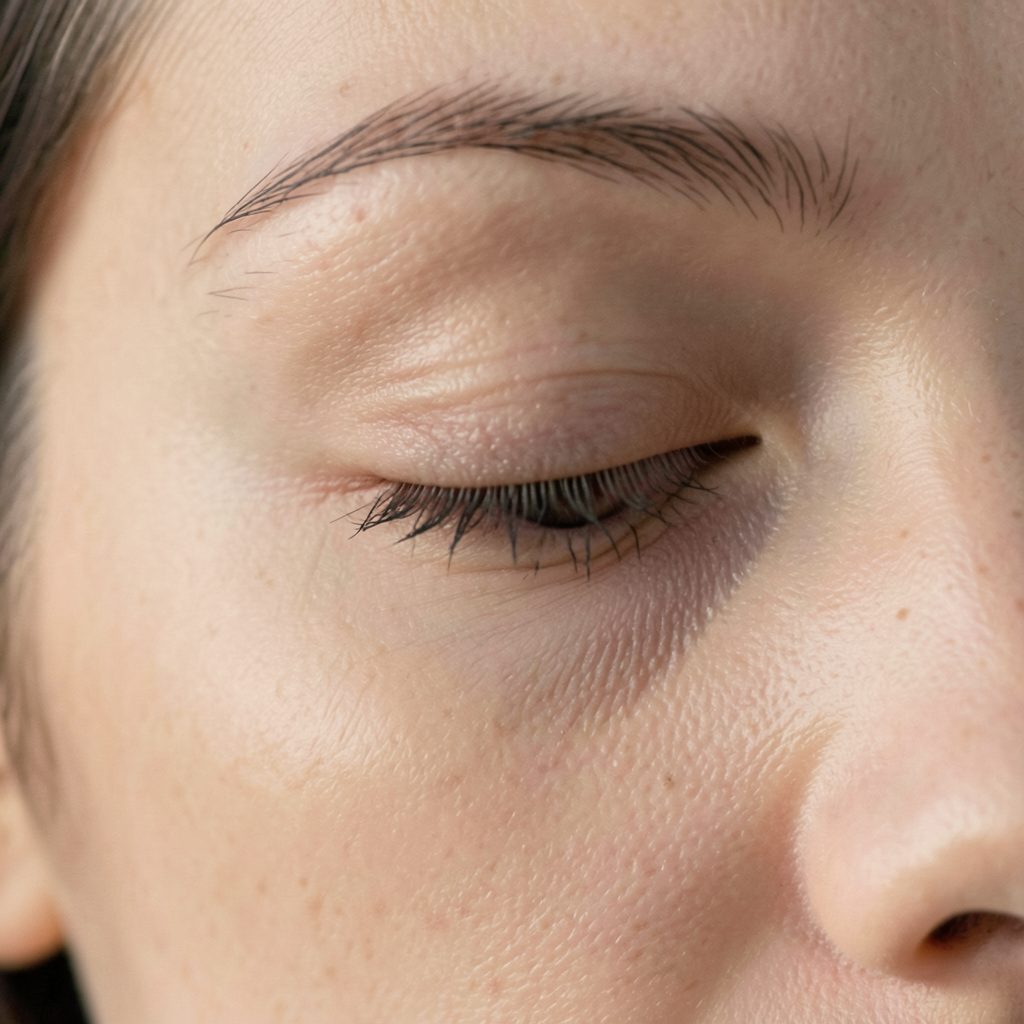
What Are Hooded Eyes?
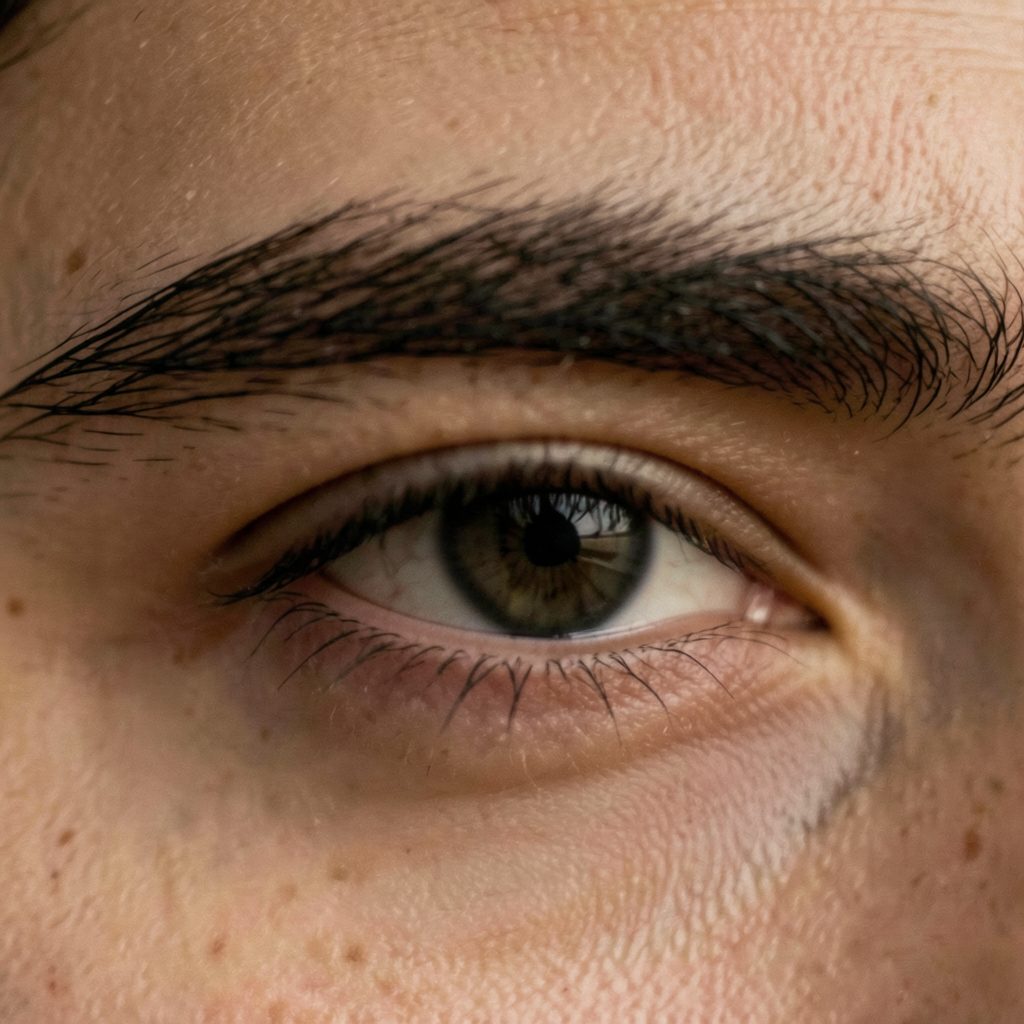
Hooded eyes are a natural eye shape where an excess piece of skin from the brow bone partially or completely covers the eyelid. The result can make eyes appear smaller or more tired than they feel.
This shape can be present from birth due to genetics, or it can develop over time. Known causes include aging, genetic traits, eye rubbing, body fatness, muscle structure, trauma, solar radiation, and sleep apnea.
Hooded eyes happen when the skin fold above the eye droops over the base of the lashes, so the visible lid line sits lower than it would on an almond or round eye. The lashes still grow, but they grow forward and slightly downward into the shadow of that fold, hiding the crease. Grasping what hooded eyes mean matters here, because a hooded lid behaves nothing like a deep-set eye, and the difference changes the entire approach to curling.
Most lash advice assumes a visible crease and a flat lid surface to work against. On a hooded lid that assumption fails, and a standard clamp curler can leave you with a crimp that reads as flat, tired lashes rather than a lifted fringe. The technique below works with the hood instead of against it: heat, a controlled pinch and a light set, followed by the small habits that keep the shape through a humid Melbourne afternoon or a long commute on a Sydney bus.
When you squeeze a classic curler, the barrel presses the lashes against the metal band and rolls them toward the lid. On a hooded eye, that band meets skin already folded over the lash base, so the crimp points downward and disappears inside the shadow of the hood. You gain a sharp bend at the very bottom of the lash where nobody can see it, while the mid-length sticks out straight. The result looks flat no matter how much mascara you add.
Heat on its own will not rescue this, because heat sets the direction the hair already has rather than changing it. Other daily habits work against the curl too: sleeping on your side, rubbing your eyes at the bus stop, handling contact lenses, and water-based mascara that smudges under the fold and recreates the same shadowed appearance. A lash base that has been flattened for years also needs coaxing, not just clamping.
The fix is to think about direction before size. On a hooded lid, an upward and outward curve reads better than a tight spiral, and a shallow bend beats a deep crimp. That points toward tools that lift the hair while they set it, such as heated wands and heated combs, paired with a very light pinch at the base rather than a hard clamp across the whole lash.
Most curlers on the market are built for deep-set eyes with a visible crease, which is why so many people with hooded lids reach for one and feel disappointed. Weight and barrel shape matter: a slim barrel reaches the inner corner without knocking against the fold, and a lightly coated or open barrel grip lets you guide the lashes upward instead of letting them slide sideways.
| Tool | Effect on hooded lashes | How to use it | Typical Australian price |
|---|---|---|---|
| Heated wand curler | Lifts the mid-length upward without crimping the base flat | Sweep from base to tip for 5 to 8 seconds, three passes | $20 to $60 |
| Classic clamp curler | Creams a deep fold into the base that disappears under the hood | Pinch at the base in short pulses, then brush upward | $10 to $30 |
| Steam curler | Softens and sets a natural bend, subtler than a hot wand | Hold 3 to 5 seconds over each lash section | $15 to $35 |
| Heated lash comb | Comb-and-lift finish suited to short, straight lashes | Comb upward at a 45 degree angle while warm | $25 to $70 |
| False eyelash curlers | Curves strip, magnetic and cluster lashes without glue | Curl before application, never after | $10 to $25 |
| DIY lash lift kit | Semi-permanent curl with a keratin bond, weeks of wear | Patch test and follow the kit timing exactly | $15 to $40 |
A heated wand usually delivers the fastest change on a hooded lid, because it lifts the hair along its length rather than folding it at one point. Steam curlers are gentler and suit sensitive lids, though the effect fades sooner. For strip lashes and clusters, we compared the options in our false eyelash curlers guide, where the key rule is to curl before the adhesive goes anywhere near the band. You will find these tools at Priceline, Chemist Warehouse and Ulta Beauty Australia in Sydney, Melbourne, Brisbane and Adelaide, usually boxed with a replaceable pad or a cleaning wipe.
Start with clean, bare lashes. Residue from eye cream, oil-based cleanser and yesterday's mascara will block the heat and let the barrel slide, so wipe the area with an oil-free makeup remover and pat the skin around the eye dry. A cotton swab dipped in micellar water is useful for the inner corner, where most people forget to clean properly. If you wear contact lenses, take them out first. The skin must also be free of moisturiser, because cream on the lid will seal the warmth in and turn the wand into a curling iron.
Heat the wand to its lowest comfortable setting and check it against your inner wrist. Sweep the warm tip under the lash line, from the base upward and slightly outward, holding for five to eight seconds before lifting away. Work in small sections rather than the whole eye at once, and repeat each section twice. The warmth relaxes the hair so it can be redirected without a metal band dragging it sideways, which is what creates the crimp on a hooded lid.
Now add a light pinch with a slim-barrel clamp, if you want extra lift. Close the clamp at the very base of the lashes for one or two seconds only, then release and sweep upward with a spoolie to guide the hairs into the direction you want. Deep clamping is the mistake to avoid. You want a gentle bend close to the root, because a hooded lid will hide a strong crimp and exaggerate a visible kink.
Set the shape with cool air from a handheld fan or a chilled metal spoon held a few centimetres away, then dust a small amount of translucent powder over the lashes so they stay separated and lifted. Apply waterproof mascara at the end, holding the brush vertically and pushing gently upward rather than wiggling it at the root, and remove it later with an oil-free balm so you do not have to rub the lid. Give the curl a chance to hold, and most people find the difference is immediate rather than gradual.
Local weather does most of the undoing. Melbourne summers bring humidity that softens a set curl, while Sydney afternoons bring heat, sweat and salt from a morning swim at Bondi or a weekend at St Kilda. Air-conditioned offices and heated homes in winter swing the moisture level again, and dry air makes lashes brittle, so they break rather than curl. A long ride on a Melbourne tram or a Sydney train also means rubbing your eyes in a warm carriage, which flattens the base faster than any curler can lift it.
Eyeliner changes the geometry of a hooded lid, and a lined lash base can swallow the curl entirely. Keep any pencil or gel line thin and slightly above the lash line, leave the inner corner open, and never draw a dark line across the fold itself. If you tightline, use a fine waterproof product that will not bleed into the hood by lunchtime. Our practical eyeliner tips cover the angles that suit a low lid line and the ones that create a smudged shadow.
Where a lift cannot be achieved with makeup, a brow lift is the conservative next step. Injecting the corrugator and the tail of the brow raises the fold and often opens the eye more clearly than any lash product. Botulinum toxin is a Schedule 4 prescription medicine in Australia, so it has to be prescribed and administered by an AHPRA-registered practitioner, and some lash-growth serums containing bimatoprost are prescription-only here as well. Expect a mild forehead ache, temporary swelling and a possible heaviness of the eyelid in the first week. It usually settles within two weeks, and the effect lasts around three to four months. Choosing a nurse practitioner working under medical oversight or a doctor through a clinic means your history and any products you use will be considered before anything is injected.
Blepharoplasty is the permanent option, and it is the only one that changes the fold itself. In Australia, upper eyelid surgery typically costs between $4,000 and $12,000 depending on the surgeon, the anaesthetic and whether fat removal is involved, and Medicare rebates are limited to cases with a documented functional problem such as skin obscuring the vision, so a purely cosmetic procedure is usually paid in full. Recovery takes one to two weeks before you can wear light makeup, with swelling, dryness and a numb outer lid common at first, and you would avoid swimming and heavy rubbing for several weeks. Risks include dry eye, an uneven lid line, ectropion where the lid turns outward and scarring that takes months to soften. As with any procedure in this category, going in with realistic expectations and a clear understanding of what can and cannot be changed will serve you better than chasing a particular celebrity result.
Pick up a heated wand this week, run through the warm-then-pinch method on clean lashes tonight, and note how long the set holds by midday tomorrow. If a good curler and a fine liner still leave the fold sitting low, book a consultation with an AHPRA-registered injector or a plastic surgeon in your nearest city, and ask them specifically how your lid fold would respond to a brow lift before you commit to anything permanent.
Surgical Option
For those seeking a more lasting result, plastic surgery — including blepharoplasty — is covered as a treatment option for hooded eyes. Surgery addresses the excess skin directly and is considered an alternative to non-surgical approaches like Botox.
The site's surgery guide explains the procedure, what to expect, and how it compares to non-surgical routes, helping readers make informed decisions about their options.
Read the Surgery Guide →Famous Faces
Hooded eyes can enhance facial expressions and contribute to a distinctive, memorable look. These ten well-known figures all share the eye shape.
Jennifer Aniston
Leonardo DiCaprio
Solange Knowles
Taylor Swift
Michelle Williams
Robert Pattinson
Blake Lively
Selena Gomez
Gigi Hadid
Benicio del Toro
Side by Side
False Lash Guide
Varied length spikes create texture and the illusion of depth without weighing down the lid.
Longer outer-corner lashes draw the eye outward and upward, counteracting the hood effect.
A uniform, moderate length that adds definition without overwhelming a hooded lid.
Applied only to the outer half, these open up the eye shape and are easier to manage on hooded lids.
A strong upward curl (D or L curl) lifts lashes away from the hood, keeping them visible throughout the day.
The guide also covers lash curlers, mascara recommendations, and step-by-step instructions for fixing false lashes on hooded eyelids.
Full Lash Guide →Get in Touch
Whether you are just beginning your makeup journey or have been experimenting with different looks for years, we are glad you are here.
General Feedback
Share your thoughts on the site or suggest topics you'd like covered.
Looking for a Specific Tip?
Ask about a particular technique or eye-shape challenge.
Product Questions
Questions about products mentioned across the site.
Human Resources or Business Inquiries
Partnership, collaboration, or business-related correspondence.