01
Makeup Tips
Eyeshadow placement, blending techniques, and common mistakes to avoid for a more open, lifted look.
Explore →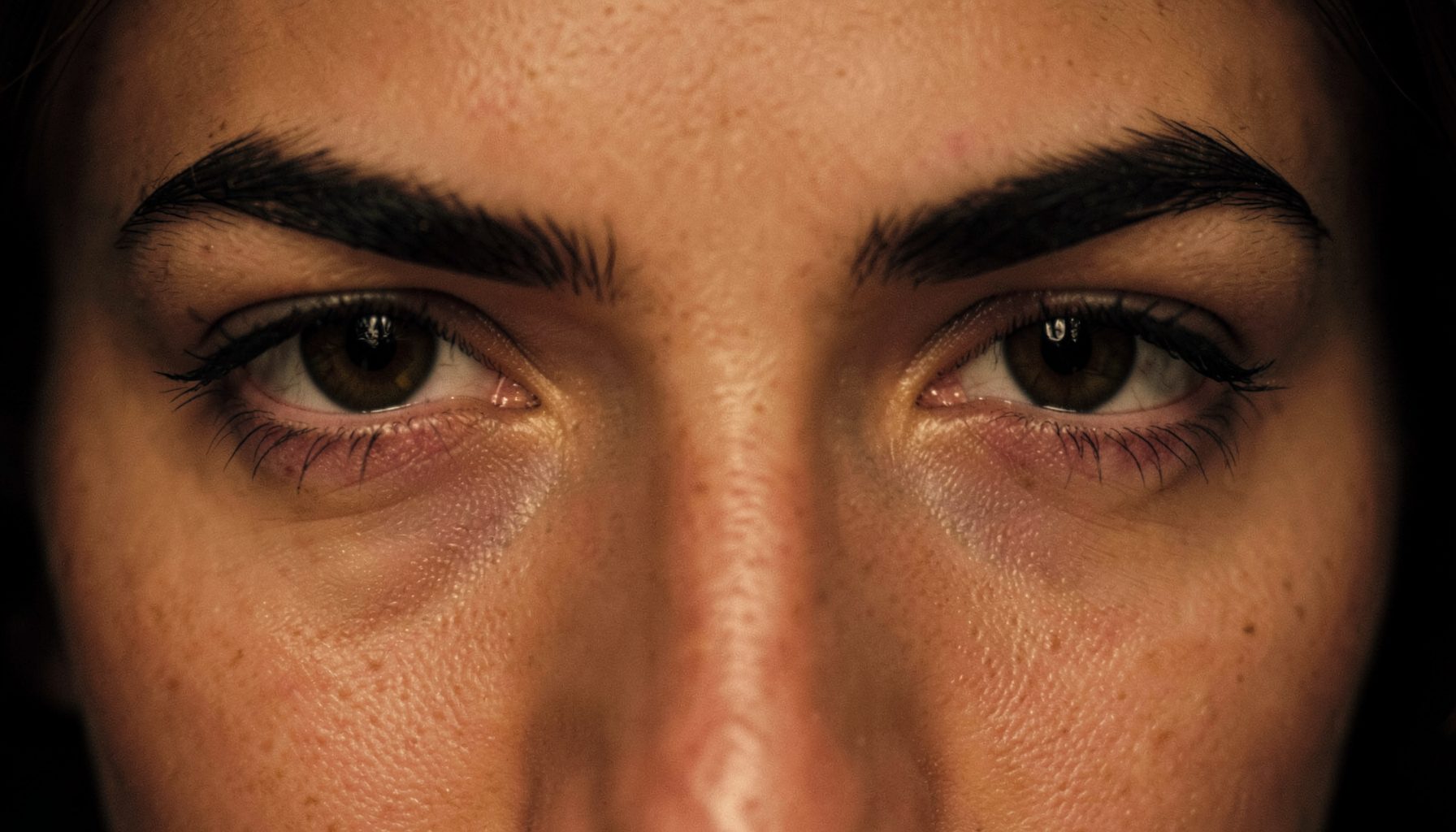
Eye Shape Guide
Understand your eye shape, master makeup techniques, and explore every treatment option — from Botox brow lifts to surgical solutions.
Explore the Site
Eyeshadow placement, blending techniques, and common mistakes to avoid for a more open, lifted look.
Explore →Winged liner, smudge prevention, and techniques that work with hooded lids to make eyes appear larger.
Explore →Non-surgical Botox brow lifts and surgical options including blepharoplasty, explained clearly.
Explore →Five false lash styles suited to hooded eyes, plus curler and mascara guidance for maximum lift.
Explore →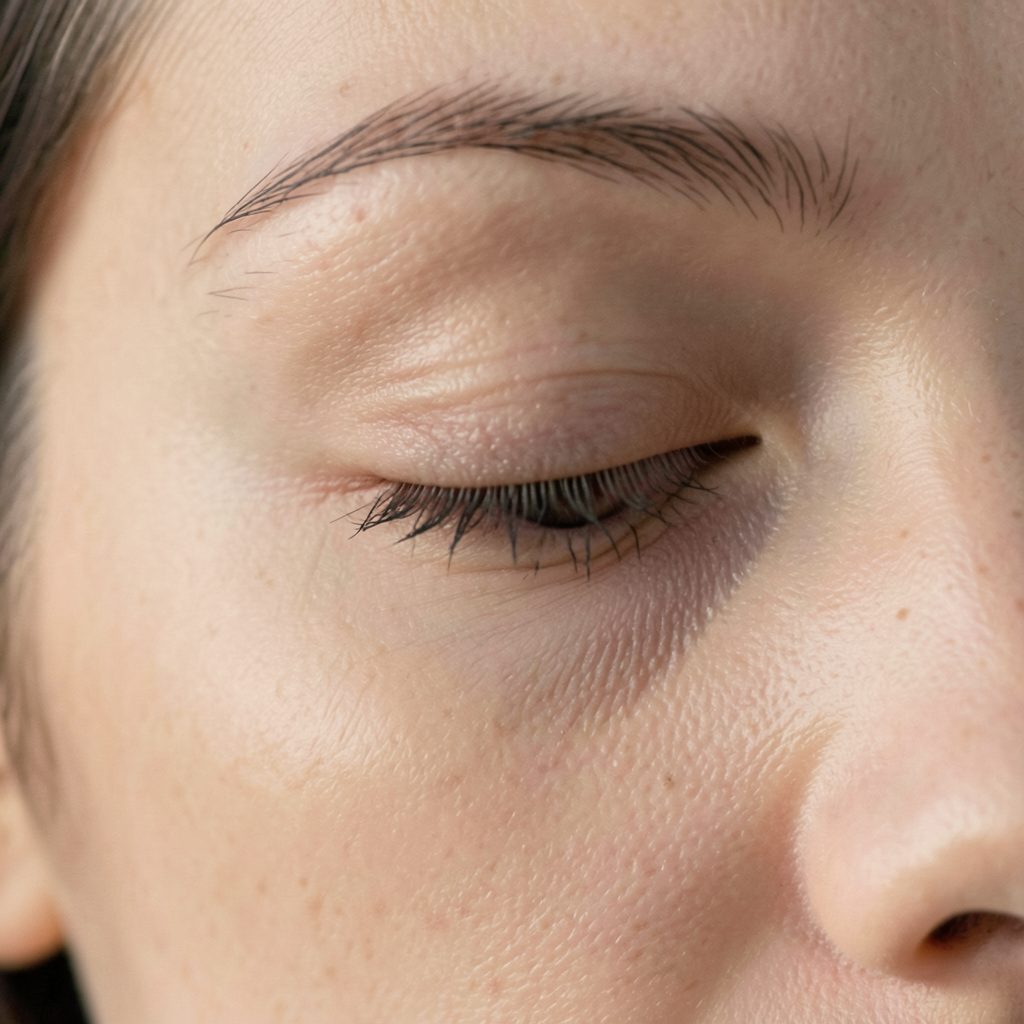
What Are Hooded Eyes?
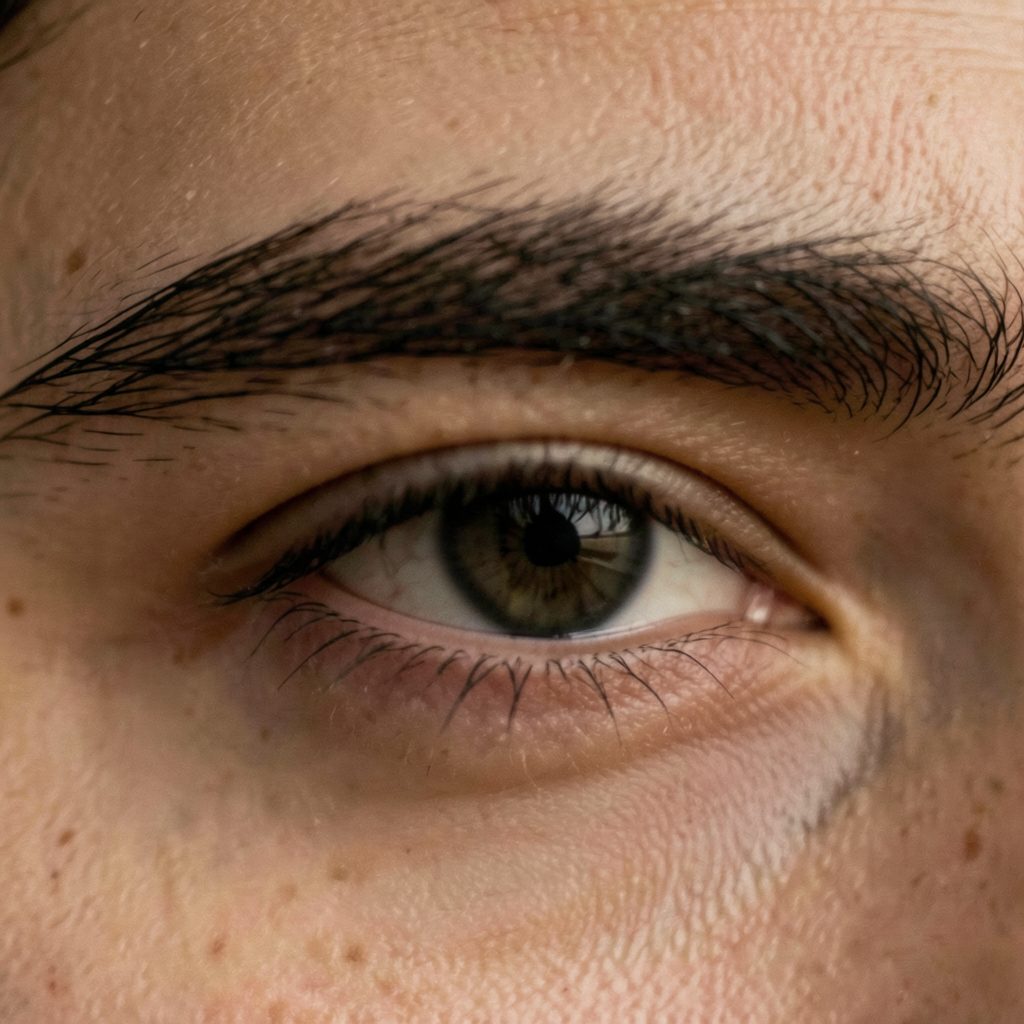
Hooded eyes are a natural eye shape where an excess piece of skin from the brow bone partially or completely covers the eyelid. The result can make eyes appear smaller or more tired than they feel.
This shape can be present from birth due to genetics, or it can develop over time. Known causes include aging, genetic traits, eye rubbing, body fatness, muscle structure, trauma, solar radiation, and sleep apnea.
Hooded eyes have a natural upper-lid fold that overlaps the crease, so much of the mobile lid disappears when the eye is open. A dense charcoal wash across that hidden space can make the eye look smaller or tired. This step-by-step guide to a smokey eye that doesn't close off hooded lids builds depth below and around the visible lid instead.
The aim is not to erase your anatomy. It's to make the eye read as deep and defined while leaving enough lid space for light, shadow and mascara to move. The method works best when you treat the upper lid as a limited canvas and place the smokey effect along the lash lines and outer corner. Start with less pigment than you think you need, then build only where the eye remains visible.
Start by identifying the visible mobile lid, the strip of skin that actually shows when you look straight ahead. The crease may be deeper than the fold, but it is not the only place shadow can sit. A natural hood differs from ptosis, which involves the upper-lid margin sitting lower, and hooded eyelid anatomy explains why beginners often confuse the two.
Take a front-facing photo in daylight and note how much lid space remains when you look down or nearly close your eye. If there is only a narrow window, keep the smokey colour below the upper lashes and around the outer corner. If more lid shows, extend a soft gradient above the lashes without filling the entire surface. Check your proportions each time you change position because the fold shifts as you look up or down.
Work on each eye separately because one hood can sit lower than the other. Avoid using a sharp line to invent a crease that isn't visible; it usually creates a harsh seam. Your brow shape, lash direction and natural fold should guide placement, while a lightly powdered brow keeps the upper half of the face calm and defined. Check the result with your eyes fully open, partly closed and looking slightly upward.
Cleanse, moisturise and use a small amount of primer only where needed. A thin layer can improve shadow adhesion, but too much primer may look dry, emphasise fine lines or prevent the lid fold from sitting softly. Let each layer settle before adding the next, and avoid dragging a stiff brush repeatedly over the mobile lid. Patch-test the primer rather than assuming a strong finish will suit every hood.
If you want more visible lid space, a narrow strip of skin-toned concealer in the hidden crease can soften its shadow. Blend upward with a damp sponge and set it lightly rather than painting a bright bar. Match the shade to your complexion; Australian skin tones are varied, and a formula that looks right on the hand may look pale around the eye. A thin layer of eye primer beneath the concealer can improve wear without creating a rigid mask.
Most of the brushes, pencils and primers needed are readily available at Priceline, Chemist Warehouse and Sephora Australia, so you can compare formulas before committing to a full kit. In humid weather in Brisbane or Sydney, and in air-conditioned Melbourne offices, choose a long-wear formula and blot gently rather than adding more powder. A small fan brush or blotting paper can remove excess shine without flattening the lid fold.
Start with a light taupe or soft brown across the mobile lid. Use a slightly deeper taupe at the outer corner, then a charcoal or deep brown at the outer V and lower lashline. Keep the darkest pigment at the lash line and outer edge rather than dragging it across the centre of the lid. Deep brown creates believable depth, while pure black works best in small accents when a stronger contrast is wanted.
Blend the transition with a clean, slightly angled brush, working from the outer corner towards the temple and just into the fold. Fade the edge where it meets the crease, but leave the centre of the mobile lid clear. That narrow halo of colour frames the lid without burying it. Use a flat brush to press pigment into place rather than sweeping it repeatedly, then clean the outer edge with a fluffy brush.
Texture matters as much as placement. Satin and soft-matte shades give dimension without forming a dense mask, while fine shimmer at the inner corner can reflect light towards the tear duct. Avoid chunky glitter over the fold, and skip a stark white highlight, which can look chalky on many complexions. If the visible lid is particularly small, use a tiny detail brush and apply shimmer sparingly to the inner corner.
For upper liner, use a soft pencil or a fine liquid tip to trace the upper lashline from the outer corner towards the centre. Stay close to the lashes rather than filling every millimetre of the mobile lid. Tightlining can define gaps, but a thick line across the top of the eye will shrink the visible opening. Keep the tip clean, and replace felt-tip products when they become dull to avoid dragging pigment across the lid.
Build the wing from the outer corner while your eye is open, using the point where the lid meets the lashes as your guide. Extend it horizontally or slightly upward, then check it with your eye open and in a side profile. A steep angle may disappear under the fold when you blink, so test before making it longer. A short, softly rounded wing often gives a modern finish while remaining visible throughout the day.
Carry the smokey finish around the outer lower lashline and join it to the upper corner for a soft frame. Keep the lower line less dense than the upper one to avoid a downward pull. Smudge the edge with a small brush and use a waterproof formula if your commute or the day involves heat, wind or a swim. Skipping the lower waterline keeps the look softer and reduces transferred pigment.
Brows set the visible frame, so fill sparse gaps gently and keep the tail defined without making it too sharp. Brush the hairs upward and outward, but avoid an exaggerated high arch that competes with the lid. Tinted brow gel can soften the finish and hold the shape through humid weather. If your natural brow already has a strong arch, concentrate definition at the tail and leave the front flexible.
For mascara, curl the upper lashes at the roots first, hold the curl briefly, then wiggle the wand from the base to the tips. Two light coats create more separation than one heavy coat. Keep the wand away from the mobile lid, and check that the lashes do not droop into the fold after drying. Brown mascara can soften a dark smokey effect, while black gives sharper definition without requiring extra product.
If you prefer false lashes, compare hooded-eye lash options before buying a thick strip with a long visible band. Wispy lashes with a short or invisible band usually blend more naturally with a hooded eye. Apply adhesive away from the lash line, let it become tacky, then press the lashes into place and remove them gently that night. Patch-test the glue and stop if irritation develops. A lash lift can provide curl without a strip, but use a reputable salon and disclose any adhesive allergies.
Wear the full look in daylight and take a front-facing photo before leaving home. If the lid looks heavy, remove a little colour from the centre rather than adding more shadow. A touch-up at midday can refresh the outer corner without recreating the whole eye, and a clean brow brush can reset the lashes through the crease. Given Australia's strong UV, keep UV-filtering sunglasses in your routine and do not treat eye makeup as protection from sun exposure.
Makeup changes the look, not the underlying eyelid structure. If a low fold causes significant obstruction or affects vision, seek medical advice rather than increasing the powder. Botulinum toxin is a prescription medicine in Australia, and an appropriately qualified registered practitioner should assess brow-lift injections and discuss blepharoplasty, recovery and risks. The TGA regulates advertising involving therapeutic claims, while the Australian Consumer Law and its enforcement by the ACCC and state bodies help prevent misleading cosmetic claims.
Use this sequence for your next evening event: map the visible lid, lay down the base, place the gradient at the outer corner and lower lashline, define the eyes, then finish with brows and lashes. Save the steps on your phone and repeat them with the products you already own. A well-placed smokey shadow should add depth to a hooded eye without swallowing it.
Surgical Option
For those seeking a more lasting result, plastic surgery — including blepharoplasty — is covered as a treatment option for hooded eyes. Surgery addresses the excess skin directly and is considered an alternative to non-surgical approaches like Botox.
The site's surgery guide explains the procedure, what to expect, and how it compares to non-surgical routes, helping readers make informed decisions about their options.
Read the Surgery Guide →Famous Faces
Hooded eyes can enhance facial expressions and contribute to a distinctive, memorable look. These ten well-known figures all share the eye shape.
Jennifer Aniston
Leonardo DiCaprio
Solange Knowles
Taylor Swift
Michelle Williams
Robert Pattinson
Blake Lively
Selena Gomez
Gigi Hadid
Benicio del Toro
Side by Side
False Lash Guide
Varied length spikes create texture and the illusion of depth without weighing down the lid.
Longer outer-corner lashes draw the eye outward and upward, counteracting the hood effect.
A uniform, moderate length that adds definition without overwhelming a hooded lid.
Applied only to the outer half, these open up the eye shape and are easier to manage on hooded lids.
A strong upward curl (D or L curl) lifts lashes away from the hood, keeping them visible throughout the day.
The guide also covers lash curlers, mascara recommendations, and step-by-step instructions for fixing false lashes on hooded eyelids.
Full Lash Guide →Get in Touch
Whether you are just beginning your makeup journey or have been experimenting with different looks for years, we are glad you are here.
General Feedback
Share your thoughts on the site or suggest topics you'd like covered.
Looking for a Specific Tip?
Ask about a particular technique or eye-shape challenge.
Product Questions
Questions about products mentioned across the site.
Human Resources or Business Inquiries
Partnership, collaboration, or business-related correspondence.