01
Makeup Tips
Eyeshadow placement, blending techniques, and common mistakes to avoid for a more open, lifted look.
Explore →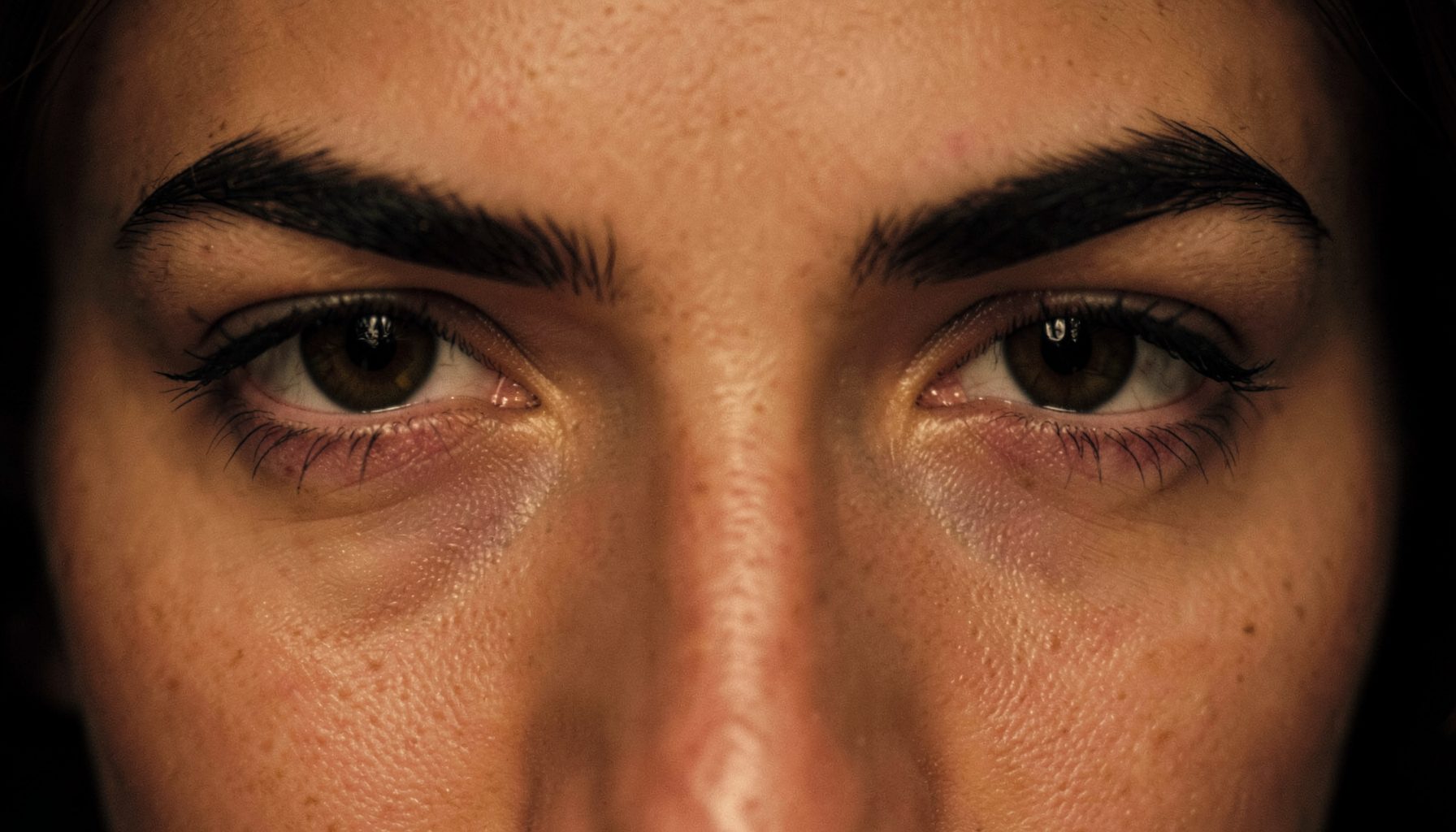
Eye Shape Guide
Understand your eye shape, master makeup techniques, and explore every treatment option — from Botox brow lifts to surgical solutions.
Explore the Site
Eyeshadow placement, blending techniques, and common mistakes to avoid for a more open, lifted look.
Explore →Winged liner, smudge prevention, and techniques that work with hooded lids to make eyes appear larger.
Explore →Non-surgical Botox brow lifts and surgical options including blepharoplasty, explained clearly.
Explore →Five false lash styles suited to hooded eyes, plus curler and mascara guidance for maximum lift.
Explore →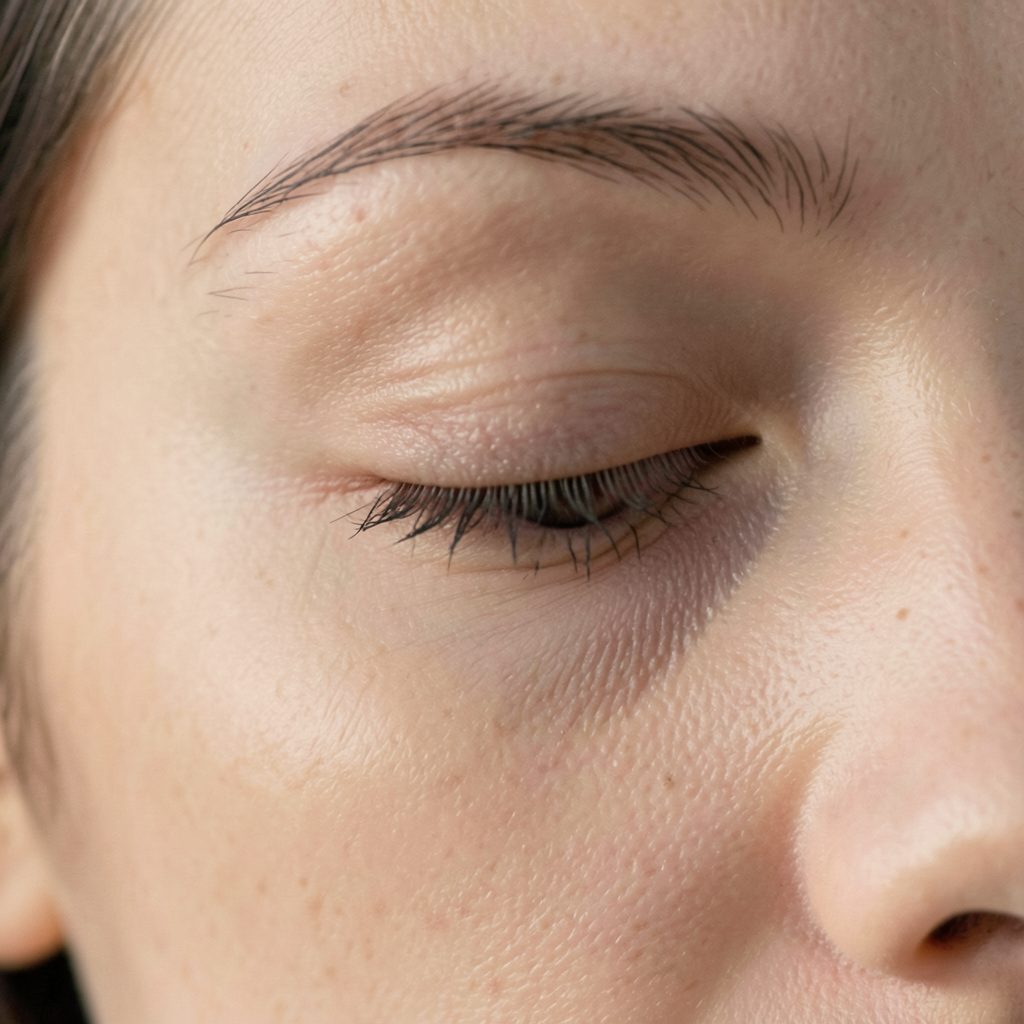
What Are Hooded Eyes?
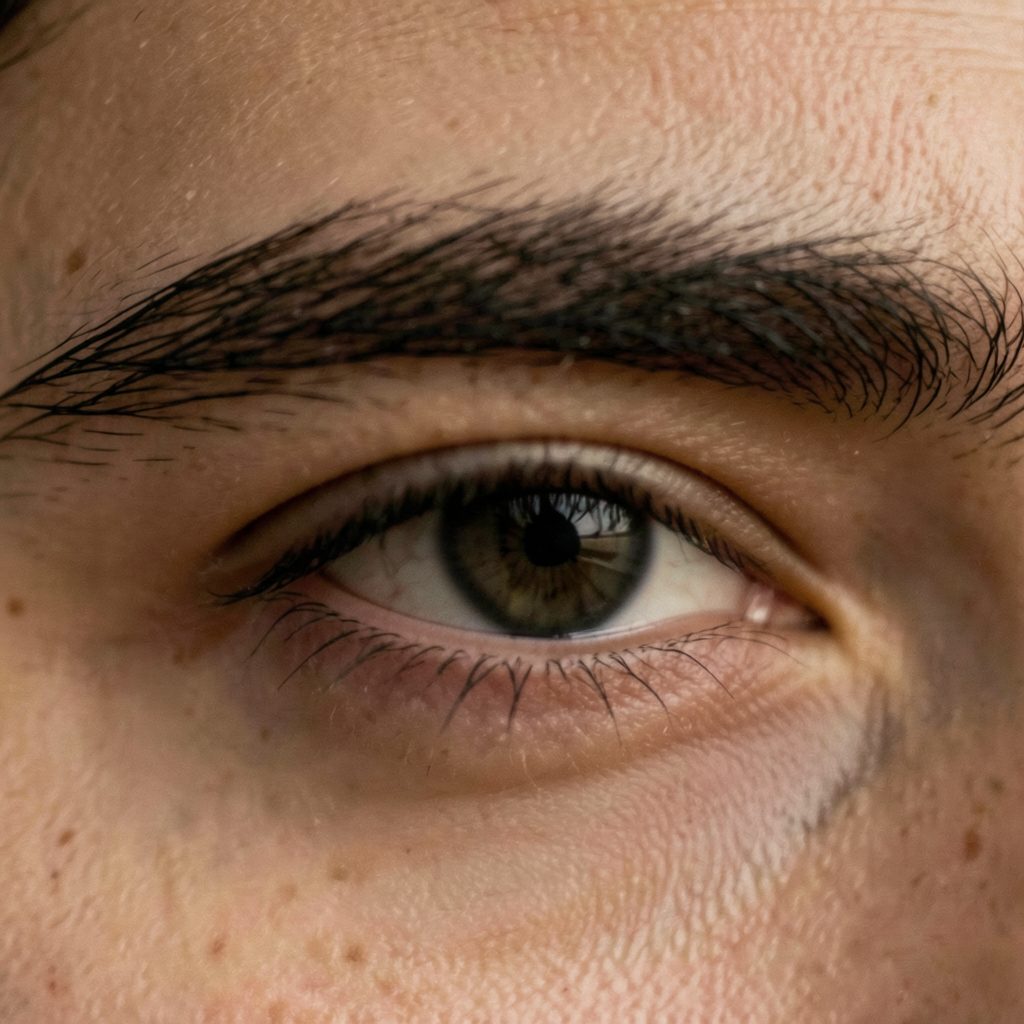
Hooded eyes are a natural eye shape where an excess piece of skin from the brow bone partially or completely covers the eyelid. The result can make eyes appear smaller or more tired than they feel.
This shape can be present from birth due to genetics, or it can develop over time. Known causes include aging, genetic traits, eye rubbing, body fatness, muscle structure, trauma, solar radiation, and sleep apnea.
Hooded eyes and ptosis can look almost identical in a mirror, yet they describe different anatomical features. A hooded upper eyelid has little or no visible crease because the skin fold sits close to or covers the upper lid margin. Ptosis means the upper eyelid margin itself sits lower than expected, narrowing the vertical opening of the eye. This is why hooded eyes are often misdiagnosed as ptosis by beginners: the overall impression is “droopy,” while the underlying lid position is not examined closely.
Confusing the two can lead to unrealistic expectations about makeup, Botox or blepharoplasty. A brow-lift injection may be recommended for someone whose actual problem is a naturally low crease, while eyelid surgery may be discussed without checking whether the lid margin has truly dropped. The better route begins with observing the anatomy, recording symptoms and obtaining an eye-specialist assessment when the distinction matters.
Hooding is mainly a description of crease and fold geometry. In many faces, the crease is shallow, the fold extends farther across the lid, or the brow sits low enough to reduce the visible lid surface. The lashes may still sit at a normal height, and the eye can open widely when the brow is raised. Makeup that hides the crease can change the look without changing any underlying structure.
Ptosis is a clinical term for downward displacement of the upper eyelid margin. A clinician may assess this with the margin-reflex distance, commonly called MRD1: the distance between the upper lid margin and the pupil light reflex at its centre. A reduced measurement can suggest true ptosis, but measurements vary with eyelid position, gaze and expression. It also needs interpretation alongside brow height, levator function and the amount of visible crease.
The everyday mistake is to call every concealed crease “droopy.” Extra skin, a heavy fold and true ptosis can occur together, so “hooded” and “ptotic” are not mutually exclusive labels. A useful comparison is to look at photographs taken without expression changes, then check whether the margin itself has descended or whether the skin above it simply covers more of the lid.
The upper eyelid is a layered structure, and this guide to hooded eyelid anatomy explains how skin, connective tissue, muscle and fat interact. The skin crease is not the same thing as the fold visible when the eye opens. Orbital fat, the levator complex, lid-retracting tendons and soft-tissue attachments all influence whether a crease remains visible or a fold gathers over the lid.
In typical hooding, the upper-lid fold descends or spreads across the mobile lid. The lid margin may remain in its usual position, leaving the lashes and opening relatively unaffected. Heavy upper-lid skin, known as dermatochalasis, can also create a pseudo-ptotic appearance without true margin descent. With age-related involutional ptosis, by contrast, the margin descends and the eye aperture becomes smaller. A very low brow can create apparent hooding by pushing the fold downward, even when the eyelid margin has not dropped.
Several causes can resemble one another at a glance. Heavy brows, excess upper-lid skin, age-related fat changes and a weak levator tendon may all produce a smaller-looking eye. Congenital ptosis usually appears from childhood, while acquired ptosis may follow ageing, trauma, neurological disease or certain medications. Trauma and neurological causes require a different assessment, so the history matters as much as the photograph.
An oculoplastic surgeon or ophthalmologist experienced in eyelid position can examine the brow, crease, lid margin and pupil in primary gaze and upgaze. Measurements such as MRD1, MRD2, levator function and palpebral fissure height help distinguish margin descent from skin overhang. Photographs from different angles and an older photo of the same person can also reveal whether the appearance is stable, variable or progressive.
Symptoms guide urgency and priority. A longstanding, symmetrical appearance with no visual symptoms may be cosmetic, while persistent eyelid descent can expose the cornea or block the upper visual field. Sudden drooping, double vision, pain, a small or irregular pupil, reduced vision or onset in a child needs prompt medical review. These features do not establish a diagnosis by themselves, but they change how quickly the issue should be assessed.
In Australia, a GP can document the concern and refer you to an ophthalmology service, although waiting times for non-urgent public appointments can be long. Private consultation fees and treatment costs are commonly discussed separately, and cosmetic upper-lid blepharoplasty is generally self-funded. Medicare may assist with medically necessary surgery that meets strict criteria, such as documented visual-field impairment, so the medical versus cosmetic purpose should be established before surgery is planned.
At-home observation can help you describe the difference without trying to diagnose it yourself. Compare the eye open and relaxed, then again with the brow gently raised; note whether more lid margin becomes visible or mainly more crease disappears. The hooded-eye makeup techniques guide offers ways to test how fold placement changes the apparent eye shape, which can clarify what an oculoplastic specialist should examine.
If the lid margin is unchanged, makeup techniques can work with the anatomy. A soft matte base placed below the visible fold, rather than aggressively across it, can reduce the shadow that reads as droopiness. Tightlining the waterline may add definition without demanding extra lid space, while mascara and lash curling focus attention on the lashes. For true ptosis, forcing liner or shadow into the hidden area can create irritation, smudging and an uneven result.
Beauty counters across Australia, from Chemist Warehouse and Priceline to department-store studios, carry primers, pigments and lash products that people often describe as being suited to “hooded lids.” Product labels are useful, yet online tutorials and celebrity close-ups cannot show levator function or distinguish all forms of ptosis. Makeup may suit one person’s anatomy and fail another’s, so judge techniques by eye shape, skin texture and comfort rather than by the creator’s result.
Botox is most useful here for selected cases of dynamic brow depression or a low brow that makes the lid look hooded. It relaxes muscles that pull the brow downward and may improve the opening slightly. It does not repair a dropped lid margin, and its effect is temporary, commonly lasting several months. Bruising, headache, unwanted brow elevation or a heavy upper lid are possible, so dosing and the patient’s brow position matter greatly.
Upper-lid blepharoplasty removes or reshapes excess skin and may address the crease or fold. If true ptosis is present, levator or tendon repair may be needed instead of relying on skin removal alone. The goals should be clarified as improved field or vision, reduced skin load or a defined cosmetic change. Surgery carries risks including asymmetry, scarring, recurrence, dry eye, incomplete blink, corneal exposure and changes in eyelid position.
Preparation in Australia follows the same broad pathway as elsewhere: medical history, medication review, photographs and discussion of goals with an AHPRA-registered clinician and a surgeon experienced in oculoplastic surgery. Private cosmetic eyelid procedures are usually not covered by Medicare or standard health insurance, and quotes may change after examination. Patients travelling from regional areas to Sydney or Melbourne should factor in follow-up access, since early complications may require local review.
After surgery, the surgeon’s instructions take priority over general advice. Cold compresses may be recommended during the first 48 hours, while rubbing, strenuous exercise, swimming and contact-lens use are managed according to the operation. Australian sun exposure makes broad-spectrum sunscreen, a hat and sunglasses particularly practical during healing. Report increasing pain, blurred vision, marked redness, one eye unable to close or persistent double vision promptly.
Before consenting to any procedure, use a simple checklist that separates appearance, function and risk. It helps to know which findings have been measured, which treatment is being proposed and which outcome is genuinely achievable.
Book a GP review or an oculoplastic consultation if the appearance is changing, affects your vision or causes distress, and bring your symptom notes and photographs to that appointment.
Surgical Option
For those seeking a more lasting result, plastic surgery — including blepharoplasty — is covered as a treatment option for hooded eyes. Surgery addresses the excess skin directly and is considered an alternative to non-surgical approaches like Botox.
The site's surgery guide explains the procedure, what to expect, and how it compares to non-surgical routes, helping readers make informed decisions about their options.
Read the Surgery Guide →Famous Faces
Hooded eyes can enhance facial expressions and contribute to a distinctive, memorable look. These ten well-known figures all share the eye shape.
Jennifer Aniston
Leonardo DiCaprio
Solange Knowles
Taylor Swift
Michelle Williams
Robert Pattinson
Blake Lively
Selena Gomez
Gigi Hadid
Benicio del Toro
Side by Side
False Lash Guide
Varied length spikes create texture and the illusion of depth without weighing down the lid.
Longer outer-corner lashes draw the eye outward and upward, counteracting the hood effect.
A uniform, moderate length that adds definition without overwhelming a hooded lid.
Applied only to the outer half, these open up the eye shape and are easier to manage on hooded lids.
A strong upward curl (D or L curl) lifts lashes away from the hood, keeping them visible throughout the day.
The guide also covers lash curlers, mascara recommendations, and step-by-step instructions for fixing false lashes on hooded eyelids.
Full Lash Guide →Get in Touch
Whether you are just beginning your makeup journey or have been experimenting with different looks for years, we are glad you are here.
General Feedback
Share your thoughts on the site or suggest topics you'd like covered.
Looking for a Specific Tip?
Ask about a particular technique or eye-shape challenge.
Product Questions
Questions about products mentioned across the site.
Human Resources or Business Inquiries
Partnership, collaboration, or business-related correspondence.