01
Makeup Tips
Eyeshadow placement, blending techniques, and common mistakes to avoid for a more open, lifted look.
Explore →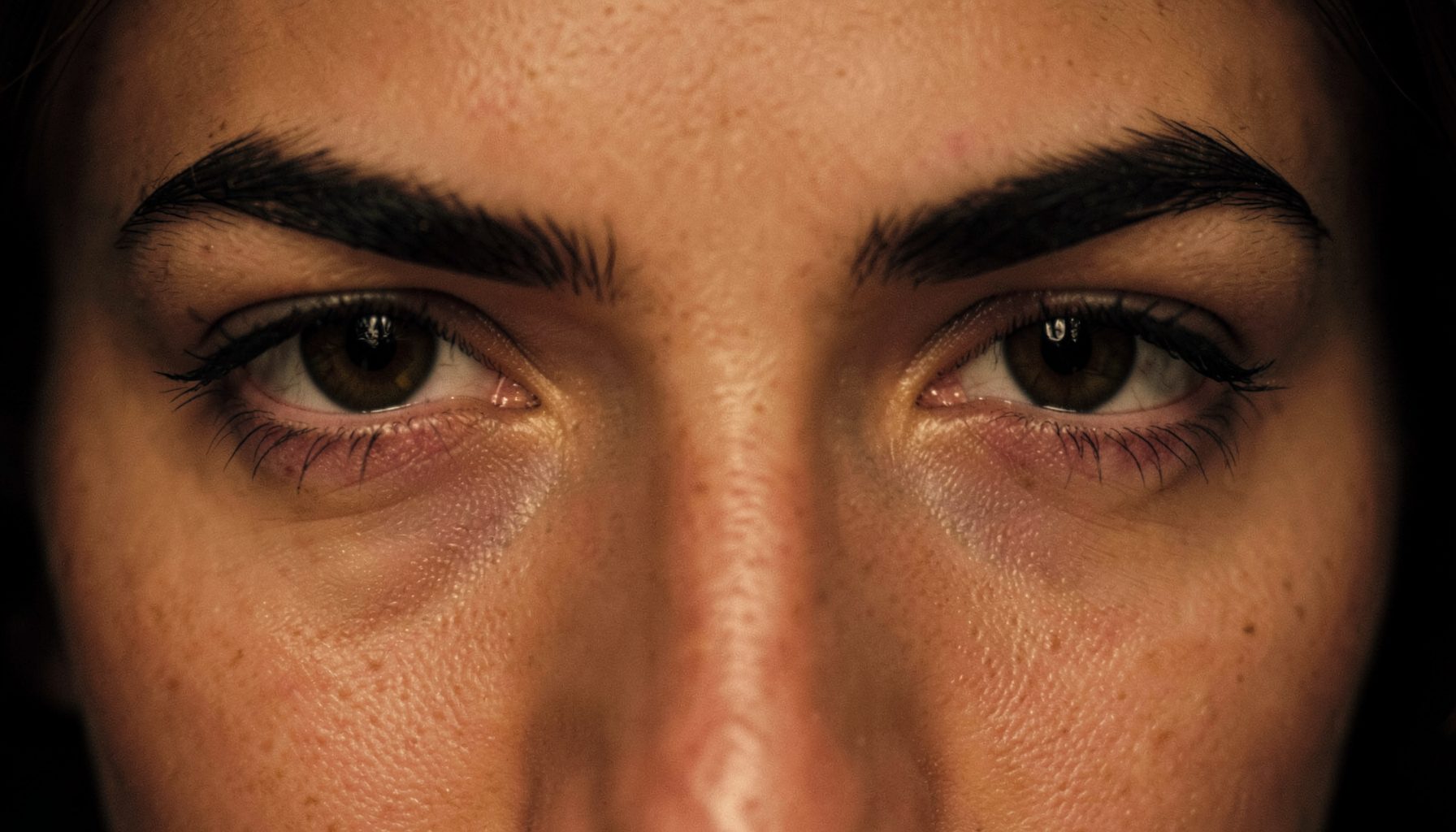
Eye Shape Guide
Understand your eye shape, master makeup techniques, and explore every treatment option — from Botox brow lifts to surgical solutions.
Explore the Site
Eyeshadow placement, blending techniques, and common mistakes to avoid for a more open, lifted look.
Explore →Winged liner, smudge prevention, and techniques that work with hooded lids to make eyes appear larger.
Explore →Non-surgical Botox brow lifts and surgical options including blepharoplasty, explained clearly.
Explore →Five false lash styles suited to hooded eyes, plus curler and mascara guidance for maximum lift.
Explore →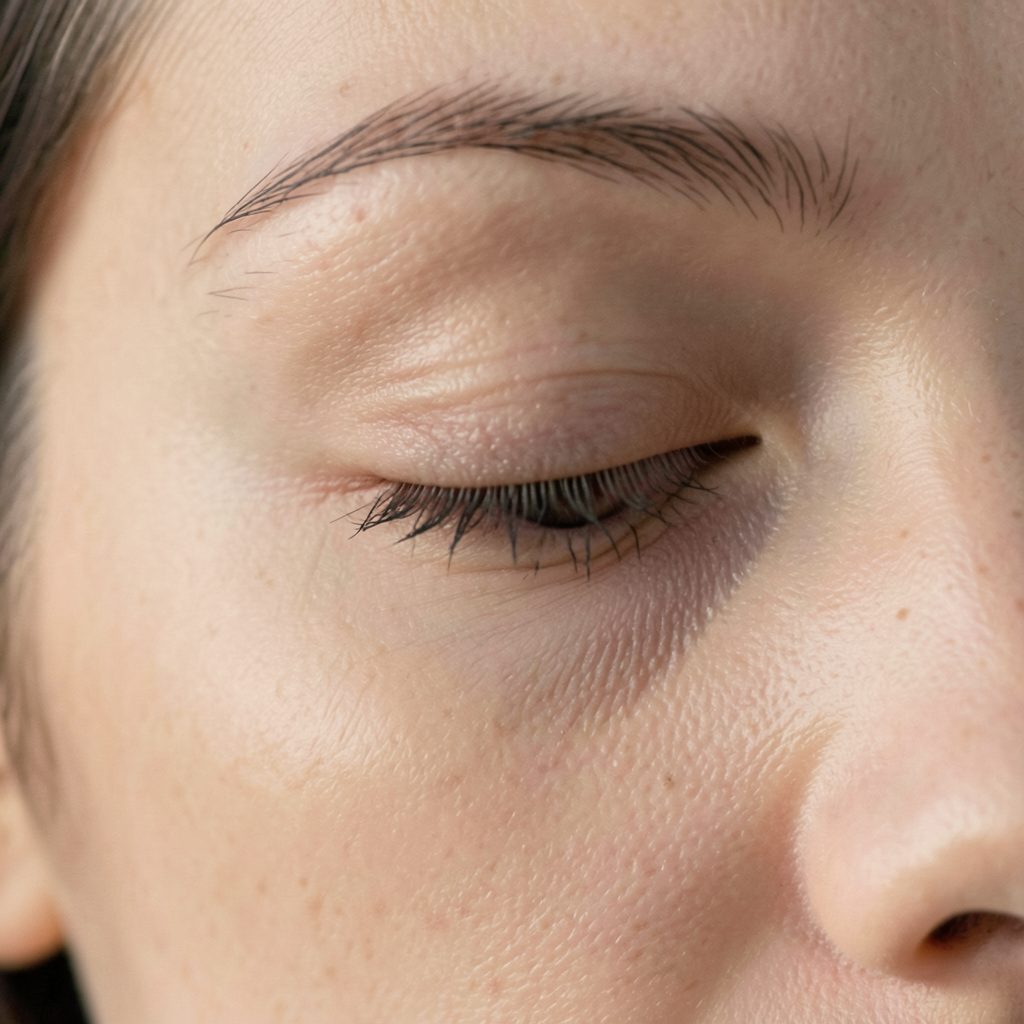
What Are Hooded Eyes?
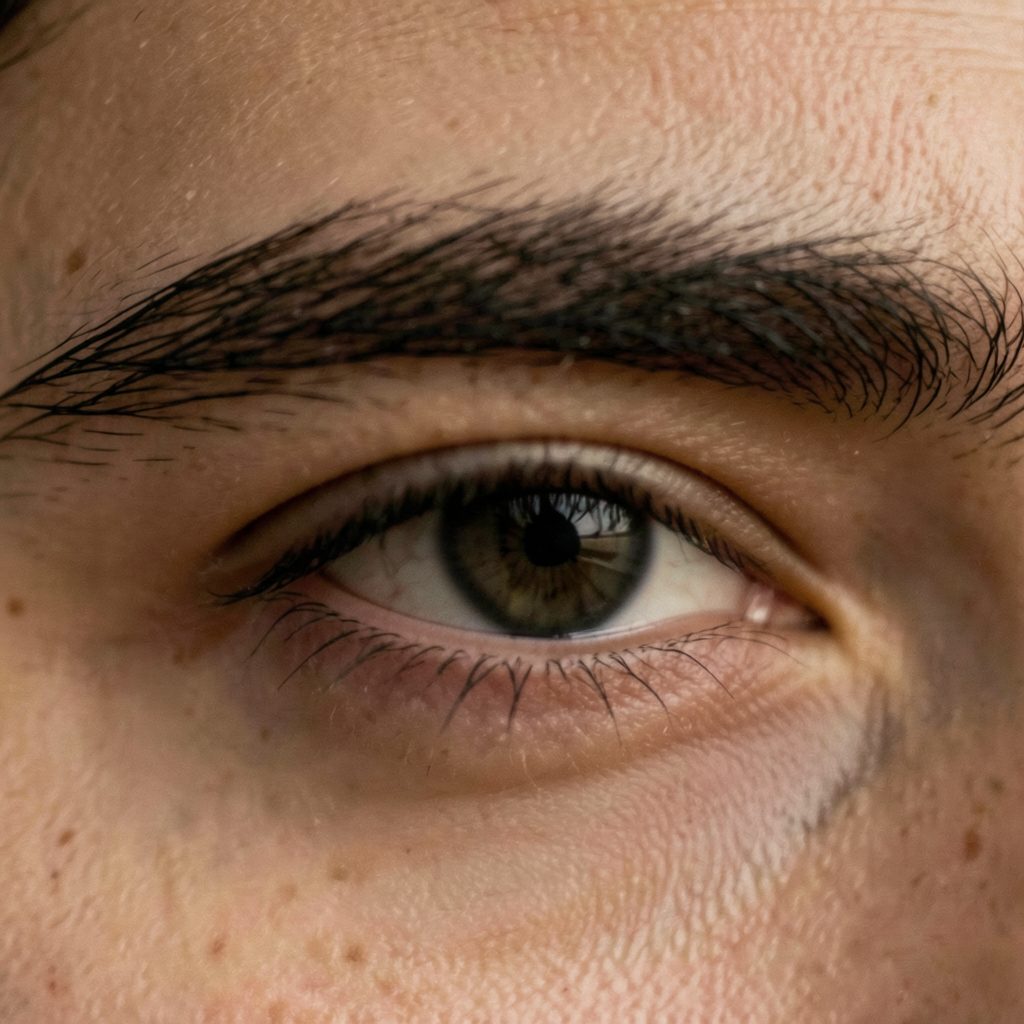
Hooded eyes are a natural eye shape where an excess piece of skin from the brow bone partially or completely covers the eyelid. The result can make eyes appear smaller or more tired than they feel.
This shape can be present from birth due to genetics, or it can develop over time. Known causes include aging, genetic traits, eye rubbing, body fatness, muscle structure, trauma, solar radiation, and sleep apnea.
Hooded lids change the rules of eyeliner. On a deeply hooded eye, the skin above the lashes folds forward and hides much of the upper lid, so the long, high flicks that look effortless on a model often shrink to a blunt smudge the moment you open your eye. This guide walks through a cat eye liner routine built for that exact anatomy, from choosing a formula that survives a humid Sydney afternoon to drawing a tail that stays visible through a full workday.
The difference between a cat eye that works and one that vanishes comes down to angle and placement more than a steady hand. Treat the flick as a small, low extension of the lashline rather than a dramatic wing, and the eye reads as more open rather than more closed. You will also find guidance on lashes, brows, touch-ups, and the point at which a conversation with a clinic makes more sense than another layer of product.
A hooded lid means the crease sits lower and the skin of the brow and upper lid drapes over it. When you look straight ahead, the visible portion of the mobile lid is short, sometimes only a few millimetres, and the space that a standard eyeliner tutorial assumes is simply covered. Anything you draw above that skin is effectively hidden behind the fold.
This creates predictable failures. The line gets applied to the fold, then vanishes on opening, so you compensate by thickening it, which turns the lashline into a heavy black band and makes the eye look smaller. Worse, a flick drawn at a high, horizontal angle tends to tilt downward once the lid drops, producing a tired, drooping expression that reads badly in photographs.
The fix is a change in mindset: design the cat eye for your eye in its fully open position. Check the result in a mirror at eye level, then check it again through a phone camera, because cameras sit above the face and exaggerate whatever you have drawn. A short, slightly upward tail will survive; a long horizontal one usually will not.
Three formulas earn a place in a hooded-lid kit. A waterproof gel liner gives the longest wear and hugs the lashline without dragging, a fine felt-tip or liquid pen gives the precision needed for a crisp flick, and a kohl pencil smudges beautifully for the soft inner half of the line or a diffused lower edge. Many artists combine a kohl base with a gel flick at the outer corner for both definition and control.
Climate matters more in Australia than almost anywhere else. Sydney's summer humidity, Melbourne's changeable afternoons, Brisbane's heat and Darwin's wet season all punish a formula that needs a second overcoat to set. Look for labels that state waterproof or long-wear, and test a pen on the back of your hand for a few minutes before committing, since a skipping tip in humidity ruins a carefully drawn tail. The site's essential makeup tips cover the supporting steps that keep liner from smearing.
Buying is easy. Chemist Warehouse and Priceline stock affordable waterproof gels and pencils in the $8 to $15 range, while Sephora Australia, Adore Beauty and Myer carry premium pens and long-wear formulas closer to $20 to $28. Australian brands such as Ruby Wing have built a strong reputation for waterproof performance. A good gel and a fine pen together cost less than a single prestige purchase.
The mobile lid on a hooded eye is often a slightly deeper, redder or more olive tone than the rest of the face, and it shows as a grey or shadowy band if you leave it bare. Apply a thin layer of concealer matched to the fold rather than to your cheek, then set it lightly with translucent powder. Heavy matte build-up on that small area cracks with movement and gives the liner nothing stable to grip.
Brows do more work than most people expect. A low, thin brow sitting close to the fold removes what little visible lid space you have, so groom upward with a spoolie and fill in the gaps and the tail. A slightly lifted, softly defined arch creates the impression of space above the eye and makes the flick read as deliberate rather than accidental.
Eyeshadow should support the liner quietly. A matte mid-brown worked into the crease and outer socket defines the eye's depth, while shimmer on the mobile lid exaggerates every crease and fold. Warm matte tones suit most Australian skin tones, and our guide to warm-toned eyeshadow palettes helps you choose one. Bronzer applied to the crease works just as well and saves a brush.
Set up with your chin resting on your hand, even light from the front, and a mirror that shows your eye as it looks when open. This sounds obvious, but half the difficulty comes from drawing with the eye almost closed and then opening it to find the line has moved.
Start at the outer corner, slightly below and beyond it, and mark a single point on the lower edge of the lashline. From that point, draw a short line angling upward at roughly twenty degrees, then curve it back to the lashline to create a narrow triangle. Fill the triangle with a fine pen, keeping the tail thin at the tip. Next, trace the upper lashline from the outer corner inward, thickening only in the outer third before tapering to a fine point at the inner corner.
Angles decide the outcome on a heavily hooded lid. A long, flat tail drops as the lid descends, while a short flick that points up and slightly out holds its position. If the flick disappears when you look down, it is sitting too high, so move it down toward the lashline rather than redrawing it larger.
Photography is a useful check. Reading Emma Stone's makeup evolution shows how flick height and brow position shift the same eye from sharp to soft across the years, and it makes the proportion easier to judge on someone with a full visible lid, let alone a hooded one.
Tightlining gives a hooded eye more definition than any wing can. Work a waterproof gel or pencil between the upper lashes so no pale gaps show, then fill the inner rim of the lower waterline with black or deep brown. On lids with very little visible space, a bright inner line can make the eye look startled, so keep that detail subtle unless you have plenty of room.
Treat the lower eye with restraint. A soft smudge of your flick colour in the outer corner adds balance, but a hard, dark lower line visually pulls the eye downward and cancels the lift of the tail. Skip heavy mascara on the lower lashes and simply curl the natural ones upward.
For lashes, curl what you have and add a half lash to the outer third, or use a lash with a short, brow-like tail to fake an extension effect without committing to a full set. Finish with a defined brow, then clean the edges using a damp cotton pad and a small angled brush. On a smaller visible lid, a smudged border takes up a larger share of the canvas, so tidy edges matter more here than on a standard lid.
Australian sun deserves attention. The ARPANSA recommends broad-spectrum SPF 50 or higher, and sunscreen applied around the eyes can migrate into fresh liner as it warms. Let your sunscreen set fully before eye makeup, use a setting spray once the liner is dry, and blot perspiration with blotting paper rather than rubbing your lid.
A practical routine covers the day. Commuting on an Opal card through a heated Sydney or Brisbane summer, sitting in air-conditioned offices, and driving with the sun on your hands all create sweat and movement around the eye. Keep a fine pen or a dual-ended liner in your bag for a five-minute fix, and resist the urge to touch your lid.
Some hooding is severe enough that liner takes over an hour of careful work, or the fold actually restricts vision. In that case, a clinical conversation may be more useful than more product. A Botox brow lift is a prescription medicine in Australia and must be administered by a registered practitioner using TGA-approved product, with risks including brow heaviness, eyelid droop and uneven results. Blepharoplasty, or upper eyelid surgery, carries its own set of considerations around scarring, dry eye, ptosis and revision, and requires a qualified ophthalmic or plastic surgeon, a recovery period measured in weeks, and costs quoted in thousands of dollars. Both options deserve a proper consultation and clear aftercare planning.
Choose your tools, set up in front of a mirror at eye level, and give the whole sequence one unhurried run before a busy week. Practising on a night when you are not rushing makes the difference between a flick that survives the open eye and one that disappears within minutes.
When you are ready to build on the technique, browse the rest of the Hooded Eyes guides for lash patterns, brow shaping and eye shape comparisons, then share your photographs and notes with the community so other readers can see what worked on your lid.
Surgical Option
For those seeking a more lasting result, plastic surgery — including blepharoplasty — is covered as a treatment option for hooded eyes. Surgery addresses the excess skin directly and is considered an alternative to non-surgical approaches like Botox.
The site's surgery guide explains the procedure, what to expect, and how it compares to non-surgical routes, helping readers make informed decisions about their options.
Read the Surgery Guide →Famous Faces
Hooded eyes can enhance facial expressions and contribute to a distinctive, memorable look. These ten well-known figures all share the eye shape.
Jennifer Aniston
Leonardo DiCaprio
Solange Knowles
Taylor Swift
Michelle Williams
Robert Pattinson
Blake Lively
Selena Gomez
Gigi Hadid
Benicio del Toro
Side by Side
False Lash Guide
Varied length spikes create texture and the illusion of depth without weighing down the lid.
Longer outer-corner lashes draw the eye outward and upward, counteracting the hood effect.
A uniform, moderate length that adds definition without overwhelming a hooded lid.
Applied only to the outer half, these open up the eye shape and are easier to manage on hooded lids.
A strong upward curl (D or L curl) lifts lashes away from the hood, keeping them visible throughout the day.
The guide also covers lash curlers, mascara recommendations, and step-by-step instructions for fixing false lashes on hooded eyelids.
Full Lash Guide →Get in Touch
Whether you are just beginning your makeup journey or have been experimenting with different looks for years, we are glad you are here.
General Feedback
Share your thoughts on the site or suggest topics you'd like covered.
Looking for a Specific Tip?
Ask about a particular technique or eye-shape challenge.
Product Questions
Questions about products mentioned across the site.
Human Resources or Business Inquiries
Partnership, collaboration, or business-related correspondence.