01
Makeup Tips
Eyeshadow placement, blending techniques, and common mistakes to avoid for a more open, lifted look.
Explore →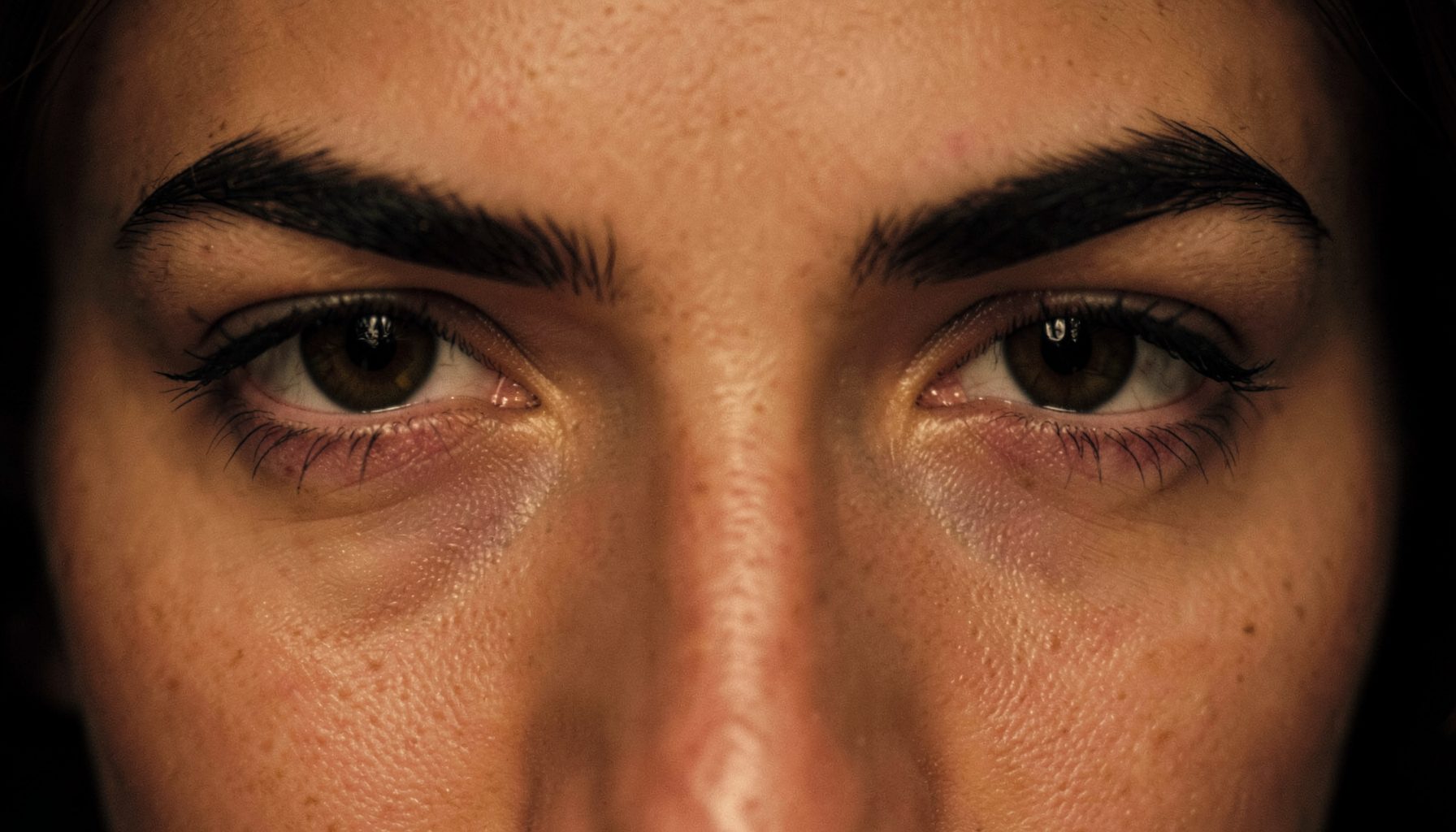
Eye Shape Guide
Understand your eye shape, master makeup techniques, and explore every treatment option — from Botox brow lifts to surgical solutions.
Explore the Site
Eyeshadow placement, blending techniques, and common mistakes to avoid for a more open, lifted look.
Explore →Winged liner, smudge prevention, and techniques that work with hooded lids to make eyes appear larger.
Explore →Non-surgical Botox brow lifts and surgical options including blepharoplasty, explained clearly.
Explore →Five false lash styles suited to hooded eyes, plus curler and mascara guidance for maximum lift.
Explore →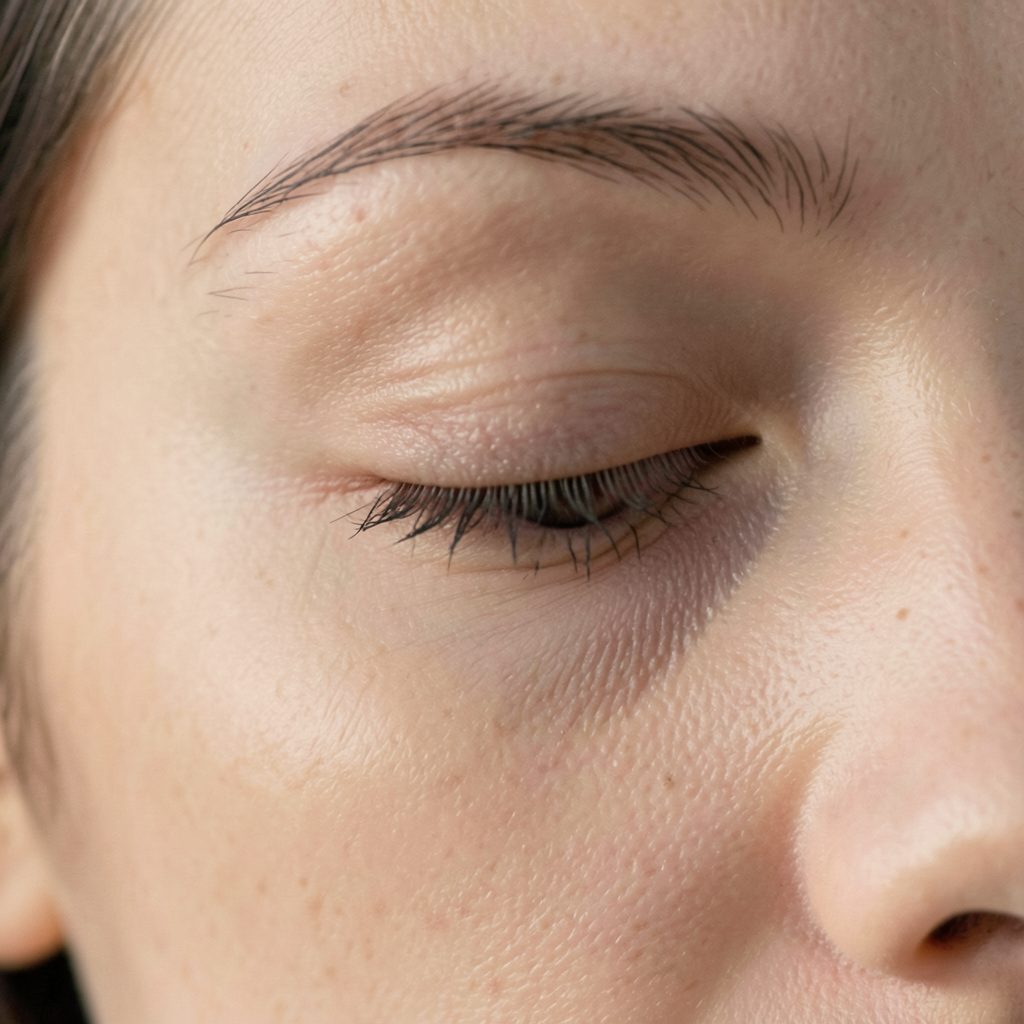
What Are Hooded Eyes?
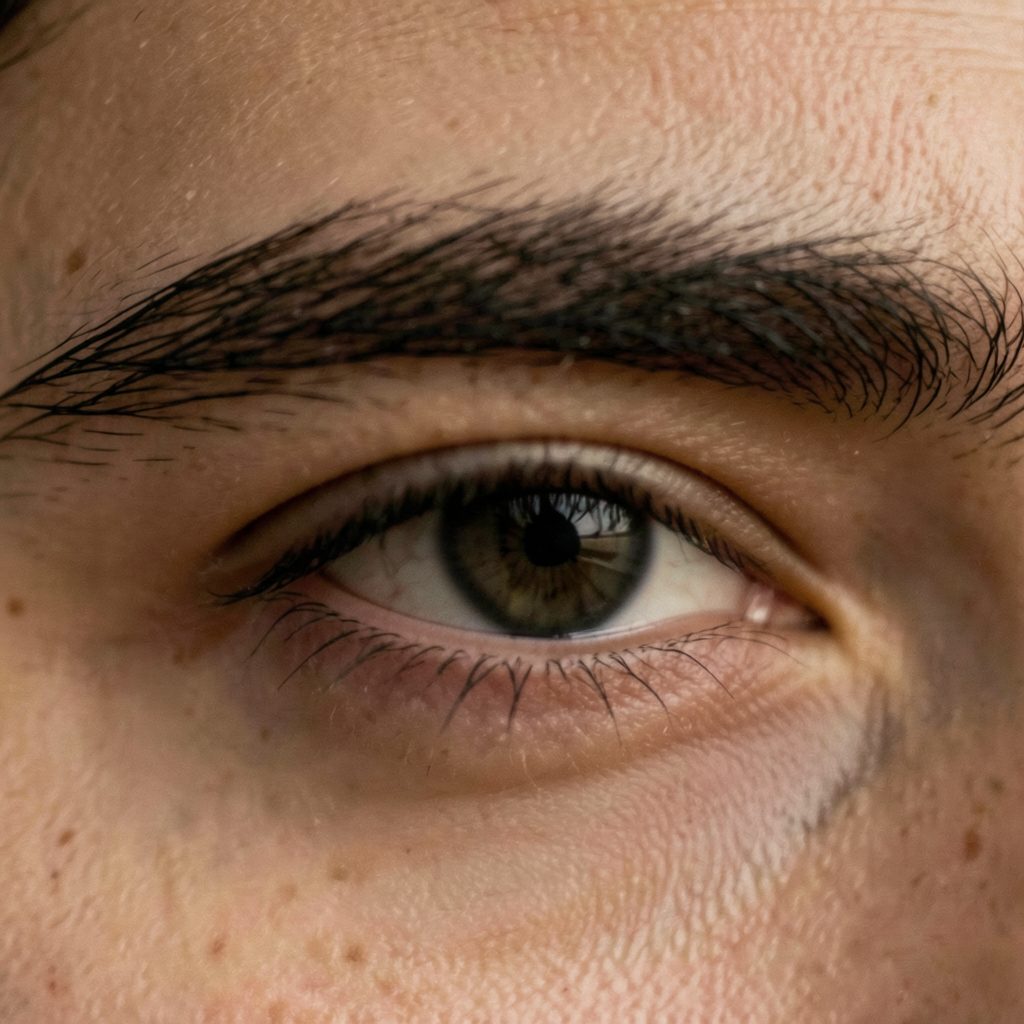
Hooded eyes are a natural eye shape where an excess piece of skin from the brow bone partially or completely covers the eyelid. The result can make eyes appear smaller or more tired than they feel.
This shape can be present from birth due to genetics, or it can develop over time. Known causes include aging, genetic traits, eye rubbing, body fatness, muscle structure, trauma, solar radiation, and sleep apnea.
Emma Stone appears often in celebrity with hooded eyes examples, and her screen and red-carpet looks show why the label needs care. A hooded eyelid is commonly described by a low or partly hidden crease, while Stone’s photographs often suggest a soft crease and deep-set impression. Images cannot confirm anatomy or ptosis, so her styling offers inspiration rather than a diagnosis.
Her evolution offers a practical visual study. The movement from restrained early makeup towards dimensional shadow, graphic liner and precisely placed lashes gives Australian readers adaptable ideas for working with the visible lid. The goal is balance: make the eye feel open and expressive without forcing an artificial crease or copying a photograph made under different lighting.
Hoodedness is about how much of the upper-lid fold remains visible when the eye is open. It can coexist with a deep-set socket, where the brow bone sits prominently above the eye. The crease may become less visible with age, a low brow, excess upper-lid skin or descended orbital fat, and its appearance changes with gaze and expression. Makeup must respond to the lid in front of the artist, not a fixed diagram.
It also helps to separate hooded lids from true ptosis. Ptosis describes the upper-lid edge sitting lower than expected and may affect vision; it is not simply another word for a concealed crease. The hooded eye anatomy guide explains the useful distinctions. This matters because shadow placed for hoodedness will not correct ptosis, and anyone with genuine lid drooping should obtain an eye assessment before using strong liner or trying to create lift with makeup.
Stone’s features sit between categories in publicity images: her crease is less emphatic than a sharply open lid, yet her arched brow creates a clear, glamorous line. That combination explains why techniques associated with hooded eyes work so well on her. Compared with the high-contrast graphic styles often seen on Anne Hathaway, Stone often uses softer tonal modelling; compared with Zendaya’s elongated wings, her liner can appear shorter and more balanced.
In her early screen work and first public appearances, Stone generally wore a clean base, pale shadow, restrained black liner and a fine, shaped brow. The flat styling suited the period’s polished aesthetic and left her expressive brows and changing lip colours in charge. Even then, the makeup followed the visible lash line rather than filling the whole socket, a principle that still works when the mobile lid is limited.
During the middle phase, associated with films such as The Amazing Spider-Man and La La Land, the eye looked more sculpted. Warm taupe, rose and bronze tones added depth without requiring a hard-edged crease, while darker outer corners increased lift. Eyeliner became more deliberate and lashes gained definition, but the finish remained controlled. The lesson is that contrast can describe the socket even when the fold itself is hidden.
Her more recent work around Cruella, Poor Things and major red carpets shows the widest range. Clean, lifted brows can make a concealed crease seem less apparent, while a sharply extended wing supplies a clear direction of travel. Satin highlights on the lid, diffused edges and strong outer lashes keep the eye from disappearing beneath the fold. This is a shift in makeup structure, not proof of a permanent change in her anatomy; public images also do not establish whether she has used cosmetic procedures.
Begin with the visible area, not an imaginary crease. Look straight ahead, identify where the lid meets the lash line, and place the lightest matte or satin shade across that mobile lid. Build a soft transition just above the fold where it remains visible, concentrating depth at the outer corner. A cut crease can look crisp on a deeply set eye, but on a truly hooded lid it may disappear when the eye opens, so follow the fold rather than outlining an idealised version of it.
Concealer should be thin and flexible rather than a thick pale patch that cracks when the lid moves. A small amount on the mobile lid can create a clean canvas, while restrained pearl or champagne under the brow gives lift without forcing brightness into the inner corner. Brow shaping matters too: retain natural hair, lift the tail slightly and avoid an excessively sharp arch that makes the upper space appear crowded. Set powder lightly over oily areas without flattening the lid completely.
Liner works best when it follows the eye’s natural geometry. A narrow band at the lash base can be extended beyond the outer corner at roughly the same angle as the lower lash line, rather than at a steep upward flick. Tightlining may sharpen the eye, but use a stable formula and careful hygiene. Avoid lining the entire lower waterline, which can make a hooded eye look compressed. Smudged burgundy or brown through the outer lower lashes adds balance while leaving the centre open.
For Australian conditions, consider the journey as well as the event. Sydney’s humidity and coastal routines can encourage extra shine, while Melbourne’s wind and frequent air-conditioned offices can leave a rigid crease or heavy base sitting differently by afternoon. Waterproof mascara is useful for commutes, concerts and long wedding days, but remove it gently rather than rubbing it into the lid. Cream shadow can crease on a moving lid, so use it as a base sparingly and keep powder concentrated where it will not collect in the fold.
Australian shoppers can find options at Sephora Australia, Myer, David Jones, Priceline and Chemist Warehouse, with formulas and prices varying by brand. Rather than buying a large palette for one technique, a compact kit for café work sessions and travel can include neutral matte brown, warm satin lid colour, taupe or burgundy liner, brown-black mascara and reusable lash bands. Keep a small mirror and clean mascara wand if the day involves public transport, desk work and an evening event.
Lash and mascara choices
Before an event, map the eye in natural light and decide whether the strongest definition belongs in shadow, liner or lashes. Combining all three at maximum intensity can make the lid look smaller because there is nowhere for the eye to rest. One dominant feature, supported by the others, usually creates a cleaner result.
A reliable event-day routine
A brow-lift consultation may discuss botulinum toxin when brow position or muscular pull contributes to apparent hooding. Relaxing selected muscles can create modest lift and more visible lid space, but it does not remove excess skin or manufacture a crease. Results are temporary, and balance between the brows is crucial. Possible effects include headache, bruising, brow heaviness, eyelid droop, double vision or an uneven result, so an experienced injector should discuss anatomy, dose and emergency contacts rather than promise a particular transformation.
Blepharoplasty is a surgical option that can alter excess skin and, depending on the assessment, reshape fat or muscle. It may create a more defined fold, but correction has to match the eyelid’s ability to close and blink comfortably. A detailed blepharoplasty risk overview is worth reading before a consultation. Preparation normally includes a medical and eye assessment, discussion of medicines and allergies, baseline photographs and clear instructions about prescribed blood thinners. Nobody should stop anticoagulants without advice from the prescribing clinician.
After surgery, follow the surgeon’s protocol for cleansing, ointment, swelling management, contact lenses, eye makeup, sun protection and follow-up. Seek prompt medical advice for worsening pain, visual changes, marked asymmetry or an eye that does not close properly. In Australia, botulinum toxin is a prescription-only therapeutic good regulated by the TGA. AHPRA registration, appropriate prescribing authority, consent, truthful advertising and privacy obligations also apply, so patients can request credentials, risks, fees and aftercare in writing.
Start by identifying which part of the lid you want to change: the visible crease, outer shape, brow position or amount of makeup showing. Try one technique on a camera-free day, compare it in daylight and under evening lighting, and keep the combination that leaves the eye open and comfortable. For cosmetic procedures, use a qualified Australian practitioner and prioritise safe closure and natural movement over exaggerated correction.
Surgical Option
For those seeking a more lasting result, plastic surgery — including blepharoplasty — is covered as a treatment option for hooded eyes. Surgery addresses the excess skin directly and is considered an alternative to non-surgical approaches like Botox.
The site's surgery guide explains the procedure, what to expect, and how it compares to non-surgical routes, helping readers make informed decisions about their options.
Read the Surgery Guide →Famous Faces
Hooded eyes can enhance facial expressions and contribute to a distinctive, memorable look. These ten well-known figures all share the eye shape.
Jennifer Aniston
Leonardo DiCaprio
Solange Knowles
Taylor Swift
Michelle Williams
Robert Pattinson
Blake Lively
Selena Gomez
Gigi Hadid
Benicio del Toro
Side by Side
False Lash Guide
Varied length spikes create texture and the illusion of depth without weighing down the lid.
Longer outer-corner lashes draw the eye outward and upward, counteracting the hood effect.
A uniform, moderate length that adds definition without overwhelming a hooded lid.
Applied only to the outer half, these open up the eye shape and are easier to manage on hooded lids.
A strong upward curl (D or L curl) lifts lashes away from the hood, keeping them visible throughout the day.
The guide also covers lash curlers, mascara recommendations, and step-by-step instructions for fixing false lashes on hooded eyelids.
Full Lash Guide →Get in Touch
Whether you are just beginning your makeup journey or have been experimenting with different looks for years, we are glad you are here.
General Feedback
Share your thoughts on the site or suggest topics you'd like covered.
Looking for a Specific Tip?
Ask about a particular technique or eye-shape challenge.
Product Questions
Questions about products mentioned across the site.
Human Resources or Business Inquiries
Partnership, collaboration, or business-related correspondence.