01
Makeup Tips
Eyeshadow placement, blending techniques, and common mistakes to avoid for a more open, lifted look.
Explore →
Eye Shape Guide
Understand your eye shape, master makeup techniques, and explore every treatment option — from Botox brow lifts to surgical solutions.
Explore the Site
Eyeshadow placement, blending techniques, and common mistakes to avoid for a more open, lifted look.
Explore →Winged liner, smudge prevention, and techniques that work with hooded lids to make eyes appear larger.
Explore →Non-surgical Botox brow lifts and surgical options including blepharoplasty, explained clearly.
Explore →Five false lash styles suited to hooded eyes, plus curler and mascara guidance for maximum lift.
Explore →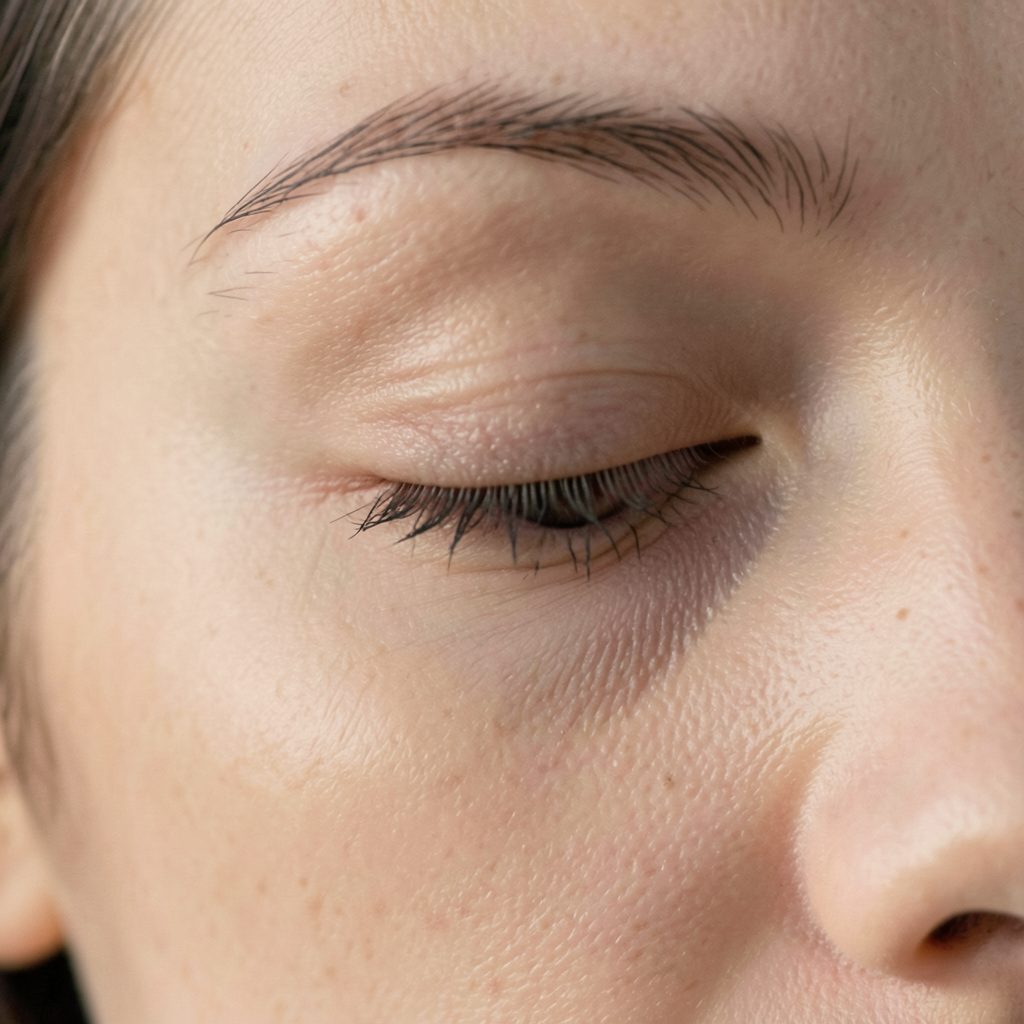
What Are Hooded Eyes?
Hooded eyes are a natural eye shape where an excess piece of skin from the brow bone partially or completely covers the eyelid. The result can make eyes appear smaller or more tired than they feel.
This shape can be present from birth due to genetics, or it can develop over time. Known causes include aging, genetic traits, eye rubbing, body fatness, muscle structure, trauma, solar radiation, and sleep apnea.
Hooded eyes occur when the upper eyelid crease is partly or completely hidden by a fold of skin, sometimes with protruding orbital fat. Ageing, genetics, fat prolapse and a descending brow can all contribute. The fold may cover part of the iris, make the eyes appear smaller and shorten the visible lashes. This appearance differs from true ptosis, where the eyelid margin itself droops.
Non-surgical options to tighten loose skin on hooded eyelids mainly improve texture, stimulate collagen or lift the brow; they cannot remove a substantial skin fold. That distinction matters because reducing hooding temporarily may still be worthwhile, while people expecting permanent removal of excess skin are more likely to need an oculoplastic surgeon. A proper assessment can also identify eye conditions that should not be treated cosmetically.
| Option | What it targets | Typical recovery | Durability and main caution |
|---|---|---|---|
| Botox brow lift | Brow position and muscle pull | Little or none | Usually temporary; it does not remove loose skin |
| RF microneedling | Fine lines and mild laxity through collagen stimulation | Redness, swelling or crusting for several days | Results develop gradually and depend on the device |
| Ultrasound | Deeper tissue around the brow and orbital rim | Usually minimal | May lift the brow rather than directly tighten eyelid skin |
| Fractional laser | Texture, scarring and mild skin laxity | Several days to weeks | Periorbital pigment changes and corneal injury require careful control |
| PDO threads | Mechanical lifting of the brow or upper-lid contour | Bruising, swelling and visible entry points | Variable lift with risks of dimpling, extrusion and infection |
The upper eyelid contains thin skin, muscle, connective tissue and orbital fat. As these tissues change with age, the crease can become deeper while fat appears beneath it. A low brow may push the lid downward, making the same amount of skin look more hooded. Muscle weakness and heavy orbital fat can further conceal the eyelid margin.
Not every fold is loose skin. If the lid margin droops unevenly, covers the pupil or changes throughout the day, ptosis should be considered. Similarly, a brow that has descended may be the main reason the upper lid looks smaller. Photographs taken straight on and from above can help a clinician distinguish brow descent, fat prolapse and true eyelid droop.
Persistent obstruction of vision, fluctuating double vision, eye pain or a heavy sensation that affects daily activities warrants an ophthalmology assessment rather than a cosmetic consultation. Understanding the anatomy is central to our approach to hooded eyes and helps prevent an unsuitable treatment from being chosen.
Botulinum toxin, commonly known as Botox, can reduce the muscles that pull the brow downward. When the brow rises slightly, more of the upper eyelid may become visible, reducing the appearance of hooding without touching the skin. It is most useful for mild hooding caused partly by a low or tense brow.
This treatment does not tighten excess skin or redistribute orbital fat. Effects generally last several months, with duration varying by metabolism, dose and muscle activity. A brow lift may also create asymmetry if the two sides require different amounts of product. People with true ptosis, significant skin folds or restricted eye movement may notice little benefit.
Preparation includes discussing medicines, bleeding disorders, neuromuscular conditions and pregnancy. After treatment, patients are usually advised to remain upright briefly and avoid rubbing the area. Bruising can occur, while eyelid droop, double vision, dry eyes or reduced ability to close the eye are uncommon but important risks. A clinician experienced in periorbital anatomy is essential.
Radiofrequency uses controlled heat to stimulate collagen contraction and longer-term remodeling. Some devices use fine needles to deliver energy below the surface, while others heat the skin from outside. The aim is firmer, smoother tissue rather than an immediate removal of the fold. Radiofrequency microneedling is generally better suited to fine lines and mild laxity than severe hooding.
Ultrasound devices deliver focused energy to deeper tissue. Around the eye, they may be used near the brow and orbital rim to create a subtle lift. They are not a substitute for a blepharoplasty and should not be directed over the eyeball. Both approaches require careful heat control, eye protection and a treatment plan based on skin thickness and anatomy.
Improvement often develops over two to four months as collagen changes, and more than one session may be needed. Temporary redness, swelling, tenderness or numbness can occur. Burns, contour changes and fat atrophy are uncommon but possible. At-home radiofrequency devices should not be used on the eyelids because they generally lack the precision and safety controls required for this area.
Fractional lasers create microscopic treatment zones, encouraging new collagen while resurfacing crepey or scarred skin. Non-ablative systems tend to have less downtime, whereas ablative fractional lasers may produce more noticeable tightening but also require longer recovery. Neither category reliably removes a pronounced upper-lid fold.
The eyelid is one of the thinner and more pigment-sensitive areas of the face. Blinding, pigment changes, scarring, corneal injury and pulling the eyelid outward are possible, so practitioners need specific periorbital training and appropriate protective measures. People with deeper skin tones or a history of pigmentation should discuss this risk carefully and may need longer recovery.
Chemical peels and platelet-rich plasma treatments may improve texture, but evidence for meaningful tightening of loose eyelid skin remains limited. After any resurfacing procedure, patients generally need strict sun protection, gentle cleansing and close follow-up. Australia’s high UV index makes aftercare particularly important, particularly in Sydney, Melbourne and Brisbane during warmer months.
Polydioxanone threads can create a mechanical lift by repositioning the brow or upper-lid contour. They are marketed as non-surgical, but placement still involves a procedure, and they do not regenerate collagen or remove excess tissue. Results can be asymmetric, while dimpling, extrusion, infection, persistent discomfort and visible threads are recognised risks.
Fillers are not a routine solution for a hooded upper eyelid. Injecting near the orbital rim carries the potential for serious vascular complications, including skin loss and loss of vision. Likewise, evidence for platelet-rich plasma as a skin-tightening treatment around the eyelids remains inconsistent. Any injectable near the eye should be performed by a suitably qualified clinician with a detailed anatomical assessment and emergency plan.
For pronounced laxity or fat prolapse, blepharoplasty remains the most definitive option because it removes or reshapes excess tissue. A consultation with an oculoplastic surgeon can clarify whether surgery would offer a more predictable result than repeated non-surgical treatments.
Makeup cannot change the anatomy, but it can create more visible lid space and reduce the impression of heaviness. A matte base colour placed just above the crease, followed by a softly blended transition shade, helps prevent shimmer from disappearing into the fold. Brow shaping can also make the eye appear more open without attempting to disguise every trace of hooding.
Eyeliner should follow the lash line and extend beyond the outer corner rather than filling the entire hidden lid. Thick lines over the crease can make the fold look heavier, while waterproof formulas are useful in humid weather or for long wear. The step-by-step cat eye demonstrates how crisp wings can be created without the product gathering in the hood.
Mascara mainly defines the visible lashes, so curling and separating them often creates a greater effect than adding several heavy coats. Avoid excessive product along the lower lashes if it creates a dark under-eye line. A good primer, moderate lash definition and regular cleaning help prevent smudging, which can be particularly noticeable when the lid already has a pronounced fold.
A staged plan allows both the practitioner and patient to judge whether a treatment is producing meaningful improvement before committing to further sessions. The following steps are useful when discussing non-surgical eyelid procedures:
Cosmetic clinics are widely available across Sydney, Melbourne, Brisbane and other capital cities, although patients outside these centres may need to travel for an initial assessment and later follow-up. Prices vary substantially: Botox commonly costs several hundred dollars per session, while energy-based packages and threads may range from hundreds to several thousand dollars. Medicare generally does not rebate elective cosmetic procedures, so written costs and payment terms are important.
Book a comprehensive consultation with a qualified eye-focused clinician, bring clear photographs of your eyelids in different positions and explain the result you hope to achieve. The safest next step is to confirm the diagnosis, understand the realistic benefits and arrange treatment only when the risks, aftercare and likely longevity have been explained clearly.
Surgical Option
For those seeking a more lasting result, plastic surgery — including blepharoplasty — is covered as a treatment option for hooded eyes. Surgery addresses the excess skin directly and is considered an alternative to non-surgical approaches like Botox.
The site's surgery guide explains the procedure, what to expect, and how it compares to non-surgical routes, helping readers make informed decisions about their options.
Read the Surgery Guide →Famous Faces
Hooded eyes can enhance facial expressions and contribute to a distinctive, memorable look. These ten well-known figures all share the eye shape.
Jennifer Aniston
Leonardo DiCaprio
Solange Knowles
Taylor Swift
Michelle Williams
Robert Pattinson
Blake Lively
Selena Gomez
Gigi Hadid
Benicio del Toro
Side by Side
False Lash Guide
Varied length spikes create texture and the illusion of depth without weighing down the lid.
Longer outer-corner lashes draw the eye outward and upward, counteracting the hood effect.
A uniform, moderate length that adds definition without overwhelming a hooded lid.
Applied only to the outer half, these open up the eye shape and are easier to manage on hooded lids.
A strong upward curl (D or L curl) lifts lashes away from the hood, keeping them visible throughout the day.
The guide also covers lash curlers, mascara recommendations, and step-by-step instructions for fixing false lashes on hooded eyelids.
Full Lash Guide →Get in Touch
Whether you are just beginning your makeup journey or have been experimenting with different looks for years, we are glad you are here.
General Feedback
Share your thoughts on the site or suggest topics you'd like covered.
Looking for a Specific Tip?
Ask about a particular technique or eye-shape challenge.
Product Questions
Questions about products mentioned across the site.
Human Resources or Business Inquiries
Partnership, collaboration, or business-related correspondence.