01
Makeup Tips
Eyeshadow placement, blending techniques, and common mistakes to avoid for a more open, lifted look.
Explore →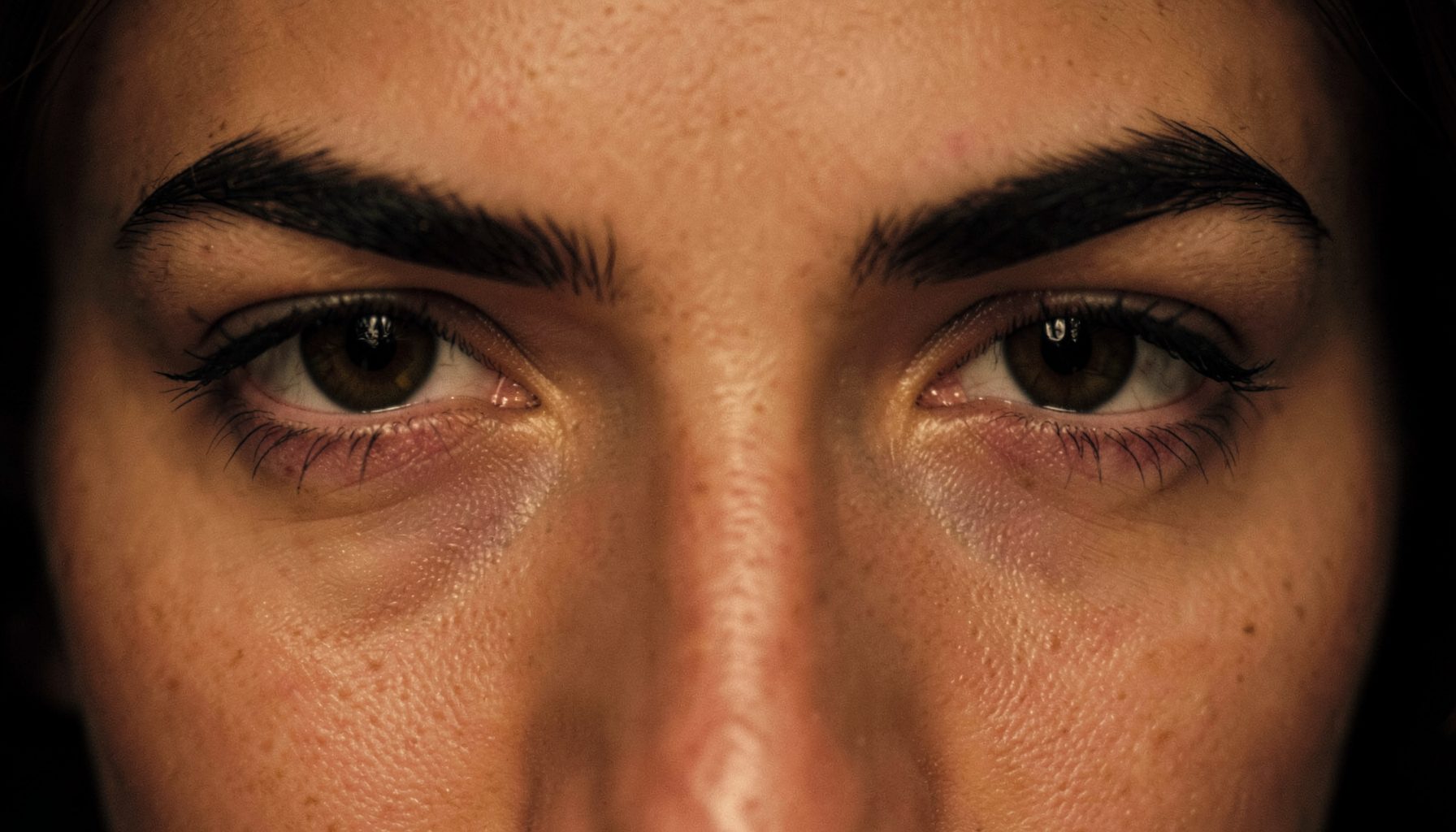
Eye Shape Guide
Understand your eye shape, master makeup techniques, and explore every treatment option — from Botox brow lifts to surgical solutions.
Explore the Site
Eyeshadow placement, blending techniques, and common mistakes to avoid for a more open, lifted look.
Explore →Winged liner, smudge prevention, and techniques that work with hooded lids to make eyes appear larger.
Explore →Non-surgical Botox brow lifts and surgical options including blepharoplasty, explained clearly.
Explore →Five false lash styles suited to hooded eyes, plus curler and mascara guidance for maximum lift.
Explore →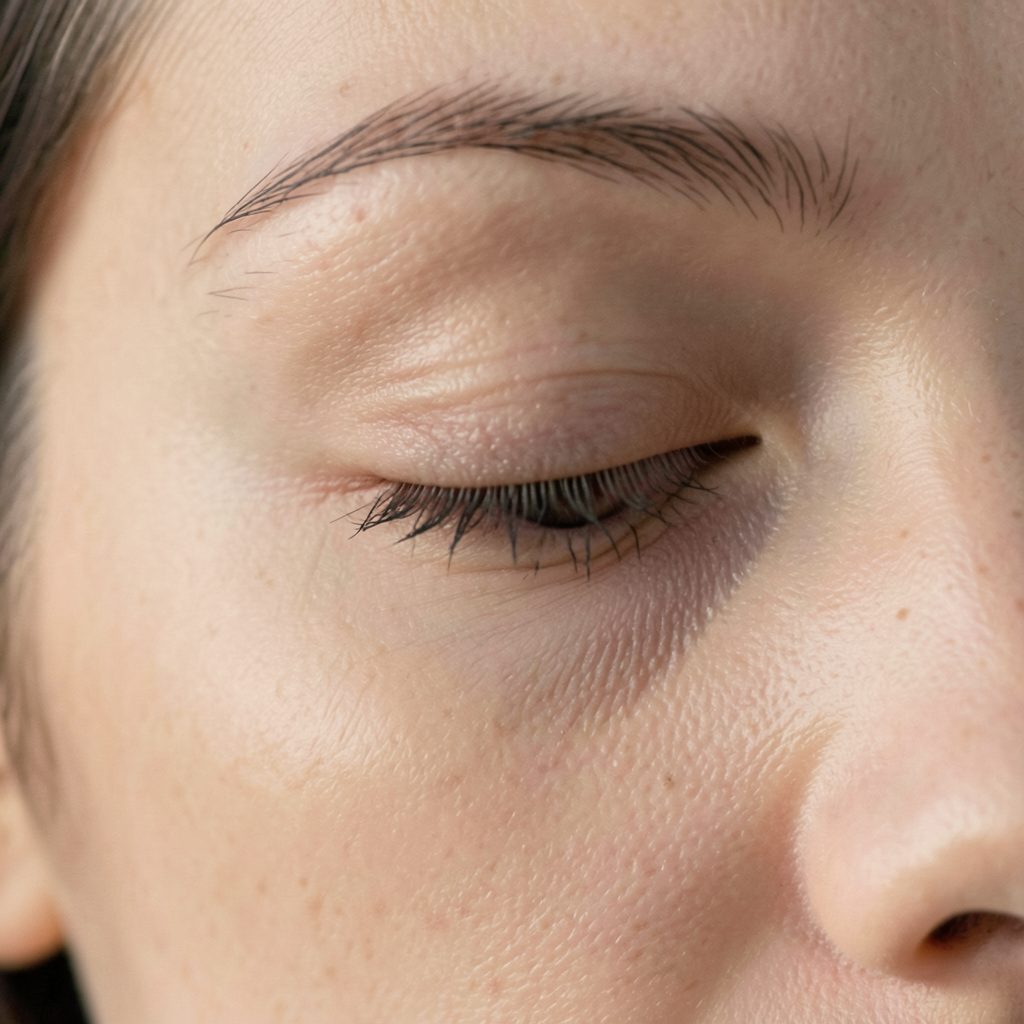
What Are Hooded Eyes?
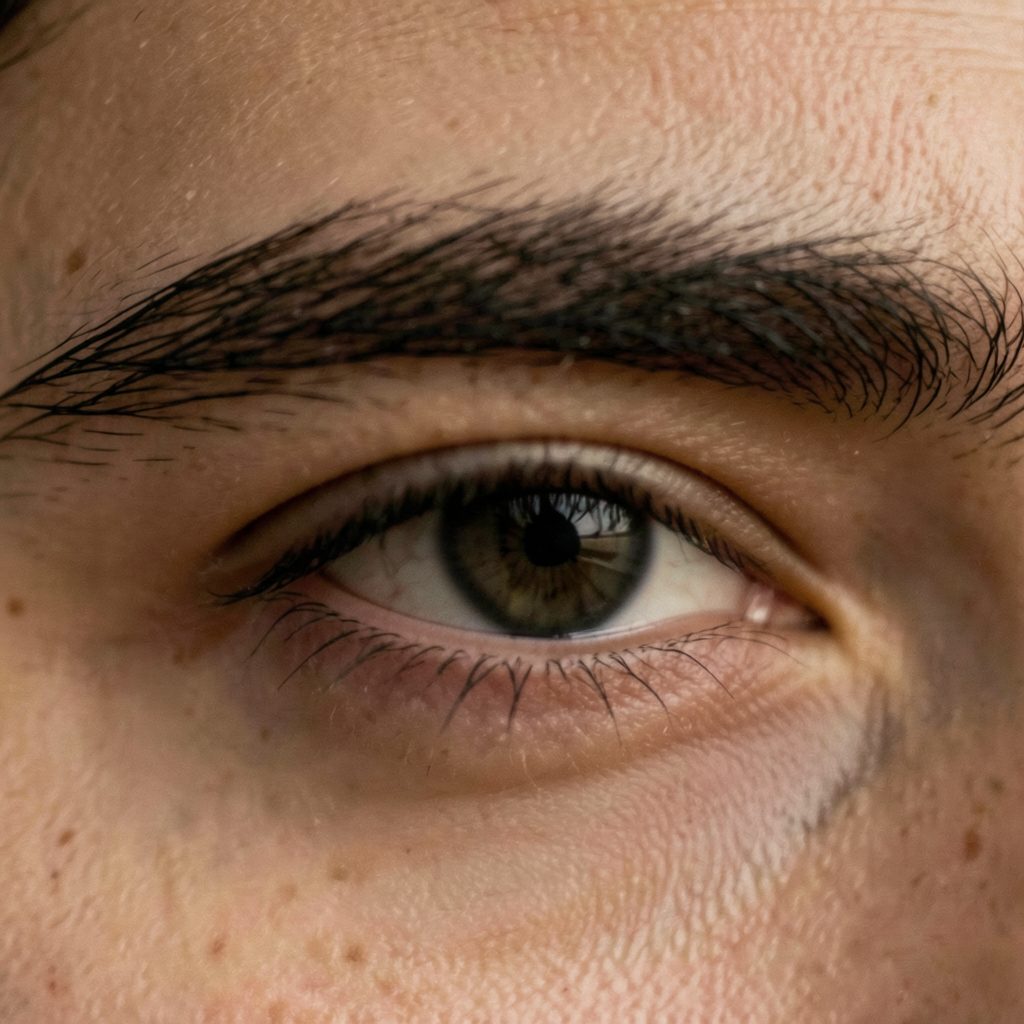
Hooded eyes are a natural eye shape where an excess piece of skin from the brow bone partially or completely covers the eyelid. The result can make eyes appear smaller or more tired than they feel.
This shape can be present from birth due to genetics, or it can develop over time. Known causes include aging, genetic traits, eye rubbing, body fatness, muscle structure, trauma, solar radiation, and sleep apnea.
Hooded eyes have a fold of skin that partially covers the mobile eyelid, and the overhanging area can create natural shadowing. Dark circles, visible veins, redness, or uneven pigmentation may therefore appear stronger than they do on a less hooded eye shape. A small amount of colour corrector can lift the look of the area before concealer and eye makeup are applied.
The aim is to neutralise discolouration rather than cover the whole eyelid with a thick, pale product. Too much makeup can settle into the crease, transfer to the brow bone, or make the eyes look smaller. A lightweight formula and precise placement usually produce a fresher result.
Skin tone, undertone, the depth of the crease, and the colour of the shadow all affect the best shade. Blue and purple tones often need peach or salmon, while brown or grey pigmentation may respond better to orange, apricot, or terracotta. The correct match should soften the darkness without leaving an obvious coloured patch.
In Australia, strong UV exposure can contribute to pigmentation around the eyes, while dry heat in cities such as Perth or Adelaide can make thin under-eye skin feel tight. Humidity in Brisbane and tropical areas may increase creasing and transfer. These local conditions make preparation, sun protection, and a thin makeup application especially important.
| Concern around the eye | Useful corrector family | Best placement | Finish to look for |
|---|---|---|---|
| Blue or purple shadows | Peach, salmon, or apricot | Inner corner and deepest hollow | Thin, flexible cream |
| Brown or grey pigmentation | Orange, terracotta, or warm peach | Discoloured areas only | Medium coverage with a natural finish |
| Redness near the inner corner | Soft yellow or muted green | Small pinpoint areas | Sheer and easy to blend |
| Dull, sallow-looking skin | Soft pink or lavender | High points, used sparingly | Brightening rather than opaque |
| Dry or creased skin | Skin-toned peach corrector | Where darkness is visible | Hydrating, crease-resistant formula |
The darkest point is often the inner corner, the crease beneath the brow bone, or the narrow strip of lid visible above the lash line. Look straight ahead in natural daylight and identify the actual areas of discolouration. Closing the eye can make the fold appear different, so check both open and relaxed positions before applying product.
Colour corrector works through colour theory. A warm peach shade visually balances blue or violet, while orange has enough depth to neutralise stronger brown, blue-grey, or deep purple tones on medium and dark complexions. Very fair skin may need pale peach or pink, whereas rich skin tones can require a burnt peach or terracotta shade.
Avoid choosing a bright concealer simply because it looks lighter in the tube. A shade that is several tones paler can turn grey over darkness and draw attention to the hood. Correct first, then use a concealer close to the surrounding skin or only slightly lighter for a natural lift.
Cream and liquid correctors are generally easier to control on hooded eyelids than thick sticks. A flexible, satin or natural finish moves with the skin and is less likely to emphasise fine lines. If your lids become oily, choose a thin formula that sets lightly rather than a heavily emollient balm.
Test the product along the jaw or on a small area near the eye, then view it in daylight. Makeup lighting can hide an orange cast that becomes obvious outdoors. Australian retailers such as Mecca, Sephora Australia, Priceline, and Chemist Warehouse carry different price points, so compare undertones and textures rather than choosing solely by brand.
Sensitive eyes need extra care. Select a fragrance-free option where possible, keep applicators clean, and avoid applying colour corrector directly to the waterline. Anyone with eczema, persistent irritation, or an eye infection should allow the area to settle and seek advice from a pharmacist, optometrist, or medical professional before using eye makeup.
Begin with clean hands and a gentle cleanser. Apply a small amount of lightweight eye moisturiser, pressing it into the skin instead of rubbing. During the day, use a broad-spectrum SPF suitable for the eye area around the orbital bone. Sunscreen should not be placed directly into the eyes, and sunglasses with good UV protection are useful during bright Australian commutes and outdoor activities.
Wait a few minutes for skincare to absorb, then blot excess moisture. On oily lids, a tiny amount of gripping primer can help, but avoid layering several slippery products. On dry lids, skip strong mattifying formulas that can make the corrector look cracked.
Use a small synthetic brush, clean fingertip, or pointed sponge. Warm a pinhead-sized amount between your fingers and tap it onto the shadow rather than sweeping it across the entire hood. The product should become almost invisible after blending; if the skin looks noticeably peach or orange, use less or choose a softer shade.
Keep the first layer concentrated at the inner corner, along the tear trough, or wherever the darkness is strongest. Tap outward with a fingertip, stopping before the colour reaches the full brow bone. On a hooded lid, applying corrector too high can make the fold look heavier and can cause product to transfer when the eyes open.
Allow the corrector to settle briefly, then press a small amount of concealer over it. Choose a flexible, medium or light coverage product that matches the skin around the eyes. Place concealer only where needed and soften the edge with tapping motions. A bright triangle extending far down the cheek can emphasise texture and is rarely necessary.
Set only the areas that crease. Use a small fluffy brush to press a trace of finely milled powder into the fold, then leave the most mobile skin lightly creamy if it does not crease. For a long day at work or an event, a setting spray misted onto a sponge can help, but do not saturate the eyelid.
Once the base is even, add definition strategically. A matte taupe or soft brown placed slightly above the natural crease can create visible depth when the eyes are open. Keep shimmer on the centre of the lid or inner corner, where it catches light without highlighting the overhanging fold.
A brightened eye area looks balanced when the rest of the makeup respects the available lid space. A thin liner close to the upper lashes usually works better than a thick stripe across the hood. If you need help adapting wing placement and avoiding transfer, this guide to hooded eyes eyeliner offers techniques designed for the fold.
Curl the lashes before mascara and focus the first coat at the roots. Lengthening or tubing mascara can be useful for hooded eyes because it may reduce smudging on the brow bone. Waterproof formulas can withstand humid Queensland days, beach visits, or long events, though they should be removed gently to avoid tugging delicate skin.
Contact lenses can change how the eye area feels and how frequently you blink. Dryness may encourage rubbing, which can disturb corrector and concealer. Anyone who wears lenses should read about contact lenses and hooded eyelids and follow their optometrist’s advice about makeup order and removal.
Insert lenses before applying eye makeup if that is the routine recommended by your optometrist, and remove them before cleansing. Keep powder, loose pigment, and glitter away from the lens surface. If the eye becomes red, painful, unusually watery, or sensitive to light, stop using the products and seek professional advice.
Very dark pigmentation may need two sheer layers rather than one opaque layer. Apply the first layer, blend the edges, and reassess before adding more. A muted orange corrector under a skin-matching concealer can be effective on deeper skin tones, while a vivid orange product may show through on fair skin and require excessive coverage.
For visible veins on the upper lid, use a tiny amount of peach corrector only where the vein shows. A neutral beige eyeshadow can then even out the lid. Do not spread a full layer across the hood, as this can make the area look flat and increase the chance of creasing.
If the under-eye area is dry, avoid baking with loose powder. A pressed powder applied with a small brush gives more control and preserves a natural finish. In dry Australian interiors caused by air conditioning, a hydrating eye product and careful removal may be more comfortable than repeatedly adding powder during the day.
Some people may want longer-lasting changes to brow position or eyelid skin. Botox brow lifts and blepharoplasty are medical or cosmetic procedures with different indications, costs, recovery periods, and risks. Corrector cannot replace professional assessment, and concerns about eyelid heaviness, visual obstruction, asymmetry, or persistent swelling should be discussed with a qualified Australian doctor or specialist.
A repeatable routine is more useful than collecting many corrector shades. Start with the smallest amount that neutralises the shadow, and take a quick photo in daylight if you are testing a new product. Photography can reveal whether the corrector has become too pale, too orange, or overly reflective.
Use these practical habits to keep the finish clean and comfortable:
For daytime wear, a corrector, light concealer, curled lashes, and a soft taupe shadow may be enough. For evening makeup, add depth above the natural crease, brighten the inner corner, and keep shimmer controlled. The most flattering finish preserves the natural structure of hooded eyes while reducing the shadows that make the area appear tired.
With consistent placement and a shade suited to your undertone, colour correction can make hooded eyes look clearer without disguising their shape. Test the technique in natural light, adjust it for Australia’s weather and your skin’s needs, and use a lighter hand whenever product begins to gather in the fold.
Surgical Option
For those seeking a more lasting result, plastic surgery — including blepharoplasty — is covered as a treatment option for hooded eyes. Surgery addresses the excess skin directly and is considered an alternative to non-surgical approaches like Botox.
The site's surgery guide explains the procedure, what to expect, and how it compares to non-surgical routes, helping readers make informed decisions about their options.
Read the Surgery Guide →Famous Faces
Hooded eyes can enhance facial expressions and contribute to a distinctive, memorable look. These ten well-known figures all share the eye shape.
Jennifer Aniston
Leonardo DiCaprio
Solange Knowles
Taylor Swift
Michelle Williams
Robert Pattinson
Blake Lively
Selena Gomez
Gigi Hadid
Benicio del Toro
Side by Side
False Lash Guide
Varied length spikes create texture and the illusion of depth without weighing down the lid.
Longer outer-corner lashes draw the eye outward and upward, counteracting the hood effect.
A uniform, moderate length that adds definition without overwhelming a hooded lid.
Applied only to the outer half, these open up the eye shape and are easier to manage on hooded lids.
A strong upward curl (D or L curl) lifts lashes away from the hood, keeping them visible throughout the day.
The guide also covers lash curlers, mascara recommendations, and step-by-step instructions for fixing false lashes on hooded eyelids.
Full Lash Guide →Get in Touch
Whether you are just beginning your makeup journey or have been experimenting with different looks for years, we are glad you are here.
General Feedback
Share your thoughts on the site or suggest topics you'd like covered.
Looking for a Specific Tip?
Ask about a particular technique or eye-shape challenge.
Product Questions
Questions about products mentioned across the site.
Human Resources or Business Inquiries
Partnership, collaboration, or business-related correspondence.