01
Makeup Tips
Eyeshadow placement, blending techniques, and common mistakes to avoid for a more open, lifted look.
Explore →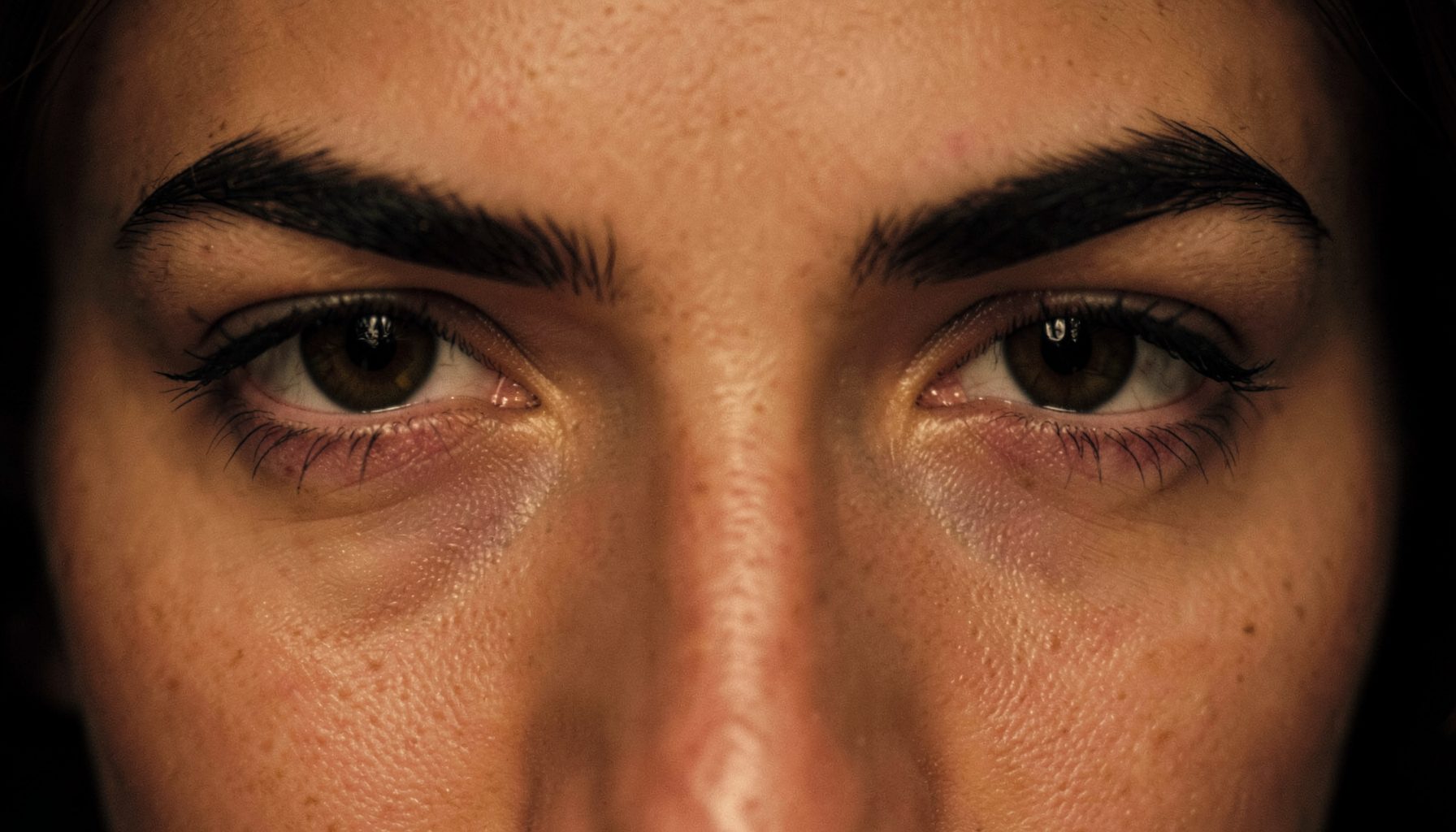
Eye Shape Guide
Understand your eye shape, master makeup techniques, and explore every treatment option — from Botox brow lifts to surgical solutions.
Explore the Site
Eyeshadow placement, blending techniques, and common mistakes to avoid for a more open, lifted look.
Explore →Winged liner, smudge prevention, and techniques that work with hooded lids to make eyes appear larger.
Explore →Non-surgical Botox brow lifts and surgical options including blepharoplasty, explained clearly.
Explore →Five false lash styles suited to hooded eyes, plus curler and mascara guidance for maximum lift.
Explore →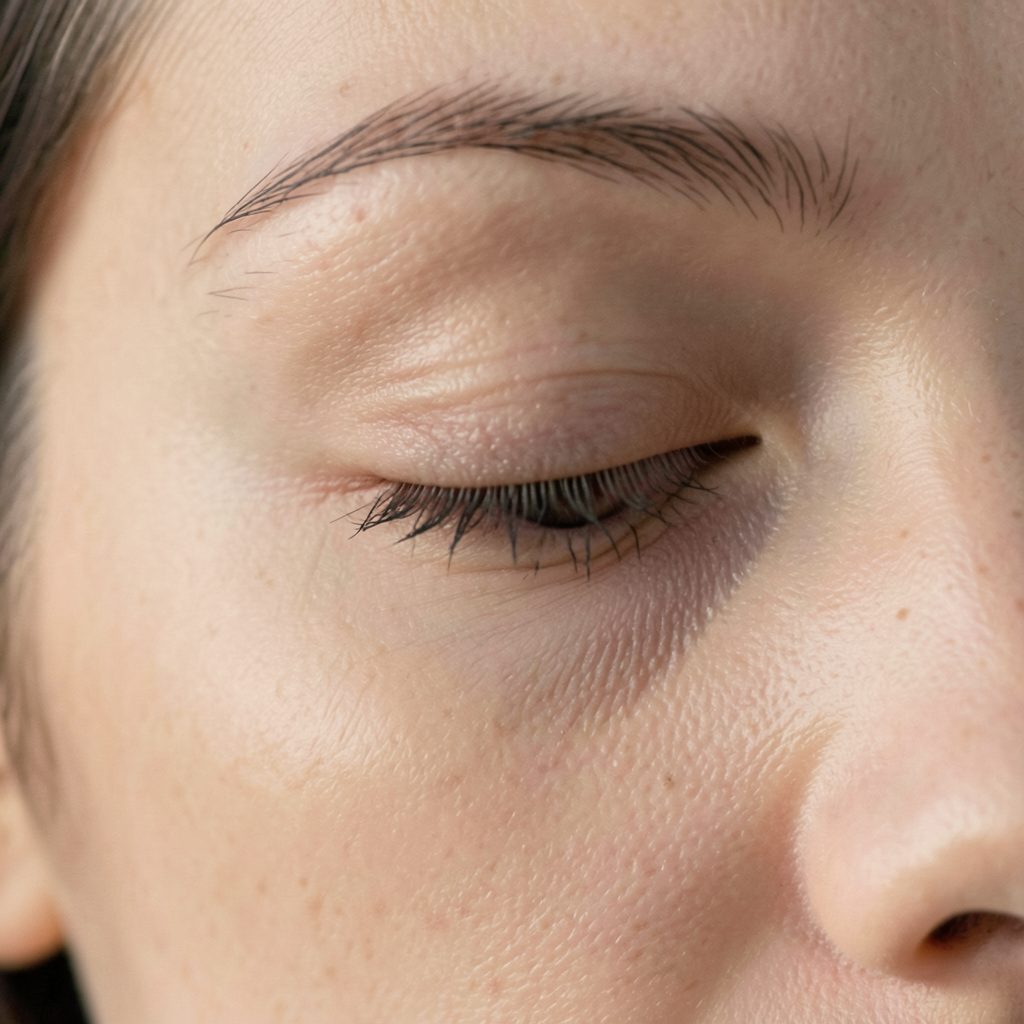
What Are Hooded Eyes?
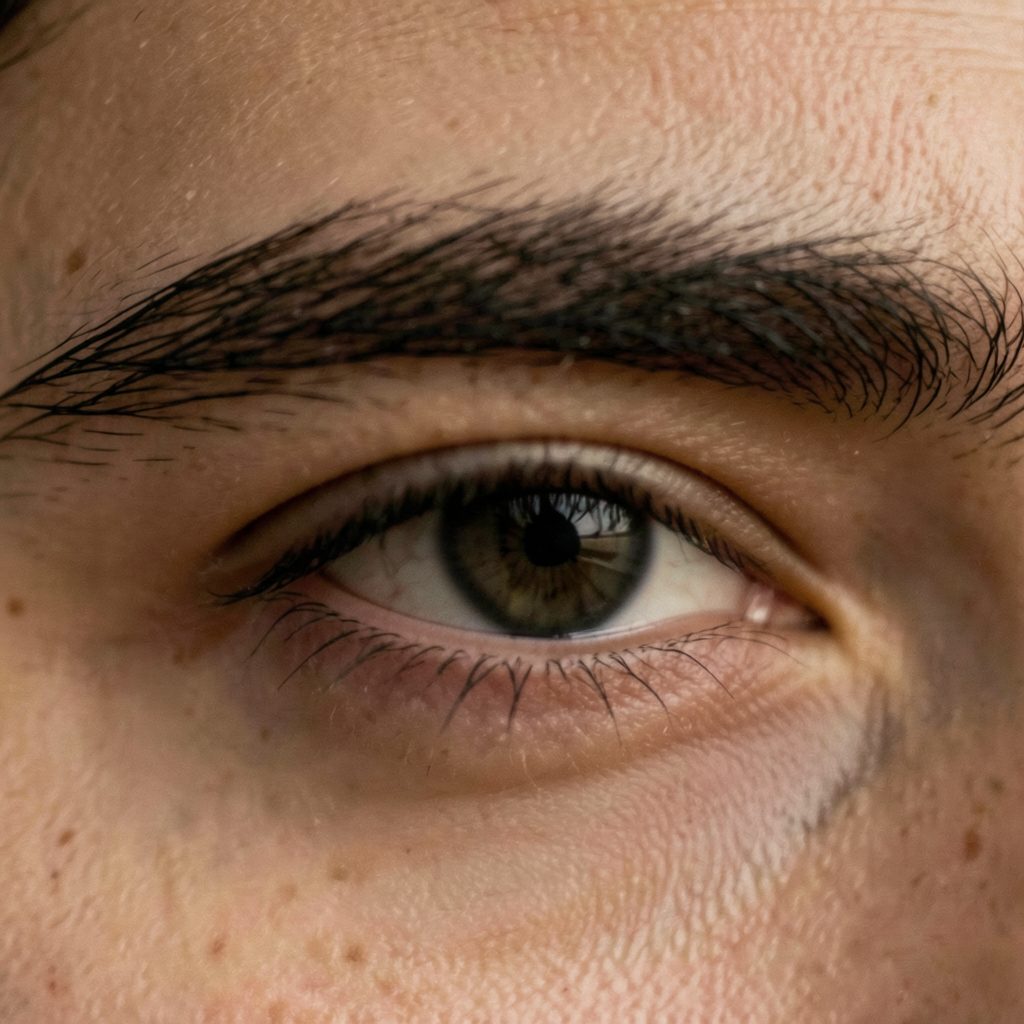
Hooded eyes are a natural eye shape where an excess piece of skin from the brow bone partially or completely covers the eyelid. The result can make eyes appear smaller or more tired than they feel.
This shape can be present from birth due to genetics, or it can develop over time. Known causes include aging, genetic traits, eye rubbing, body fatness, muscle structure, trauma, solar radiation, and sleep apnea.
Hooded eyes, where a fold of skin drapes over the crease and partly covers the mobile lid, are one of the most common eye shapes in Australia and beyond. Many people who wear contact lenses also have hooded eyes, yet few realise that the type of lens they choose can subtly shift how much of the lid shows. From iris diameter to lens transparency, every detail interacts with the surrounding skin fold in ways that become obvious only once pointed out.
The shape of the eye opening changes how the eyelid frames the eyeball. When a lens sits on the cornea, it creates a visible disc that the upper lid partly conceals or reveals depending on the depth of the hood. For someone whose crease disappears beneath the brow bone, even a small lens change can make the eye look rounder, more lifted, or in some cases, slightly more closed.
Australia has one of the highest contact lens adoption rates in the world, with millions buying lenses from chains like Specsavers, OPSM and Chemist Warehouse every year. The dry heat of cities such as Adelaide and Perth, combined with the bright sun that encourages sunglasses use, makes comfort a real priority. For anyone juggling lenses with hooded anatomy, climate and lens choice go hand in hand.
This piece unpacks how different contact lenses interact with hooded lids, why some choices emphasise the eye more than others, and what makeup habits help the two work together. It also touches on cosmetic and coloured options that Australians often pick up at Priceline or MECCA, alongside guidance for when to see an optometrist.
A soft contact lens rests on the tear film that covers the cornea, the clear dome-shaped surface at the front of the eye. For someone whose upper lid covers most of the mobile lid, the lens is mainly visible only when the eye is wide open. The portion of the iris shown between the upper and lower lid dictates how much of the lens colour or edge can be seen.
Hooding shifts this dynamic because the skin fold typically rests lower than a non-hooded crease. The visible iris area shrinks, so any feature on the lens, from limbal ring to enlargement effect, becomes concentrated in a smaller window. People often notice this more with coloured or cosmetic lenses, where the edge contrast is sharper against the white of the eye.
Lens movement also matters. A lens that shifts slightly with each blink can momentarily expose more of the iris on the lower side. For hooded eyes, this can either balance the shape or exaggerate asymmetry depending on how the lens is fitted. An optometrist can assess whether a lens is sitting centrally or drifting upward against the lid.
Different lens categories create different visual outcomes. The overview below summarises common options available at Australian optometrists and how they tend to interact with hooded anatomy.
| Lens Type | Typical Iris Coverage | Effect on Hooded Lid Appearance | Common Use in Australia |
|---|---|---|---|
| Daily disposable clear | Matches natural iris | Minimal change; keeps original eye size | Daily wearers, students, gym |
| Monthly soft clear | Matches natural iris | Slight enlargement depending on diameter | Everyday wearers |
| Coloured enhancement tint | Subtle, blends with natural iris | Makes iris more visible under the fold | Everyday wear, fashion |
| Full-colour cosmetic | Covers most of the iris | Significantly enlarges eye opening | Costume, fashion |
| Toric (for astigmatism) | Matches natural iris | No cosmetic change but affects fit | Corrective, daywear |
Enhancement tints are often the sweet spot for hooded eyes because they add depth without overwhelming the small iris window. Full cosmetic lenses can overdo it, making the eye look unnaturally large against the skin fold, especially under harsh overhead lighting such as fluorescent tubes common in many Australian offices.
Wearing contact lenses with hooded eyes requires a slightly different makeup approach than for eyes with a visible crease. The lens sits directly under the lid margin, so any fallout, smudge or transfer can land on the lens surface rather than the skin. Smudged kohl that drifts down the cheek, for instance, may brush against the lens edge during a blink and leave a grey smudge that is hard to remove without taking the lens out.
Eyeliner transfer is one of the most common complaints. Pigment that migrates onto the upper lid can coat the lens, especially during a long commute on Sydney's humid trains or a warm day in Brisbane. If smudged liner has ever landed on your contact, preventing eyeliner transfer covers simple priming and setting tricks that keep pigment in place throughout the day.
A few habits help lenses stay clean and comfortable from morning to night:
Cosmetic lenses offer a way to reshape the visible iris, but hooded lids change how that reshaping reads. A lens with a 14.2mm diameter enlarges the iris disc slightly, while a 14.5mm lens with a dark outer border creates a more doll-eyed look. For hooded eyes, subtle enlargement often works best because the skin fold compresses the visible iris area already.
Colour choice also affects appearance. Light honey or grey lenses reflect more light and can make the eye look larger in dim settings such as a Melbourne laneway bar. Deep brown or black lenses blend with the lash line and recede, which can exaggerate the hood if the crease is already low. Most Australians try these at MECCA, Adore Beauty or selected OPSM branches where non-prescription cosmetic trials are sometimes offered.
Iris centration is the next consideration. Cosmetic lenses that drift upward due to a loose fit look odd against a hooded lid because the colour shift becomes visible only on the lower half of the iris. A properly fitted lens from an optometrist avoids this and keeps the cosmetic effect even throughout the day. Pairing cosmetic lenses with the right mascara also matters. Curved wands that lift short covered lashes pull pigment away from the lid margin, which is why wands for covered lashes are often recommended for hooded eyes.
Australia's climate poses unique challenges for contact lens wearers, particularly those with hooded eyes. The dry heat of inland regions and the strong air-conditioning in summer both pull moisture from the tear film, which can make a lens feel tight against the lid. For someone whose upper fold already presses down on the lash line, dryness adds friction and irritation that lingers well into the evening.
Sunglasses are essential, both for UV protection and for shielding the eye from wind that dries the lens surface. Wraparound styles sold at Sunglass Hut or local Australian designers like Le Specs and Quay Australia help reduce evaporation by blocking airflow across the eye. Polarised lenses also cut glare, which matters more for hooded eyes because the brow bone shadow can deepen the perception of brightness.
Allergy seasons in Melbourne and Sydney bring another layer of complexity. Pollen can coat the lens and the surrounding lid, making hooded folds feel itchy. Daily disposables are particularly useful during spring and early summer because they are swapped before allergens build up on the lens surface. Many Australians buy daily packs from Chemist Warehouse, where bulk pricing often beats subscription services.
Useful habits for Australian lens wearers:
Some signs warrant a visit to a local optometrist rather than a beauty fix. Persistent redness under the hood, blurred vision that does not clear with blinking, or a lens that always feels like it is shifting could indicate a fit problem. Hooded lids occasionally alter how a lens sits because the skin fold presses down with each blink, slowly nudging the lens upward over a long day at the screen.
An optometrist can refit the lens with a different base curve or diameter, or recommend a daily disposable that resists movement. Most chains across Australia, including Specsavers, OPSM and independently owned practices in suburban shopping strips, offer bulk-billed eye examinations through Medicare. This makes it easy to trial a new fit without a large out-of-pocket cost.
For those considering cosmetic lenses for the first time, an optometrist visit is also wise. Non-prescription coloured lenses sold online can be poorly fitted and increase the risk of corneal irritation, especially in a hooded eye where the lid already presses on the lens edge. A professional assessment protects both vision and long-term eye health in a way that no beauty hack can replicate.
Combining a properly fitted lens with the right techniques keeps the visible iris balanced against the surrounding skin fold. The full set of hooded eye makeup tips walks through routines, primer choices and liner shapes that work alongside daily, monthly and cosmetic lenses. Pair that guide with a tailored optometry appointment and the hooded lid can look brighter, more open and more comfortable in any Australian season.
Surgical Option
For those seeking a more lasting result, plastic surgery — including blepharoplasty — is covered as a treatment option for hooded eyes. Surgery addresses the excess skin directly and is considered an alternative to non-surgical approaches like Botox.
The site's surgery guide explains the procedure, what to expect, and how it compares to non-surgical routes, helping readers make informed decisions about their options.
Read the Surgery Guide →Famous Faces
Hooded eyes can enhance facial expressions and contribute to a distinctive, memorable look. These ten well-known figures all share the eye shape.
Jennifer Aniston
Leonardo DiCaprio
Solange Knowles
Taylor Swift
Michelle Williams
Robert Pattinson
Blake Lively
Selena Gomez
Gigi Hadid
Benicio del Toro
Side by Side
False Lash Guide
Varied length spikes create texture and the illusion of depth without weighing down the lid.
Longer outer-corner lashes draw the eye outward and upward, counteracting the hood effect.
A uniform, moderate length that adds definition without overwhelming a hooded lid.
Applied only to the outer half, these open up the eye shape and are easier to manage on hooded lids.
A strong upward curl (D or L curl) lifts lashes away from the hood, keeping them visible throughout the day.
The guide also covers lash curlers, mascara recommendations, and step-by-step instructions for fixing false lashes on hooded eyelids.
Full Lash Guide →Get in Touch
Whether you are just beginning your makeup journey or have been experimenting with different looks for years, we are glad you are here.
General Feedback
Share your thoughts on the site or suggest topics you'd like covered.
Looking for a Specific Tip?
Ask about a particular technique or eye-shape challenge.
Product Questions
Questions about products mentioned across the site.
Human Resources or Business Inquiries
Partnership, collaboration, or business-related correspondence.