01
Makeup Tips
Eyeshadow placement, blending techniques, and common mistakes to avoid for a more open, lifted look.
Explore →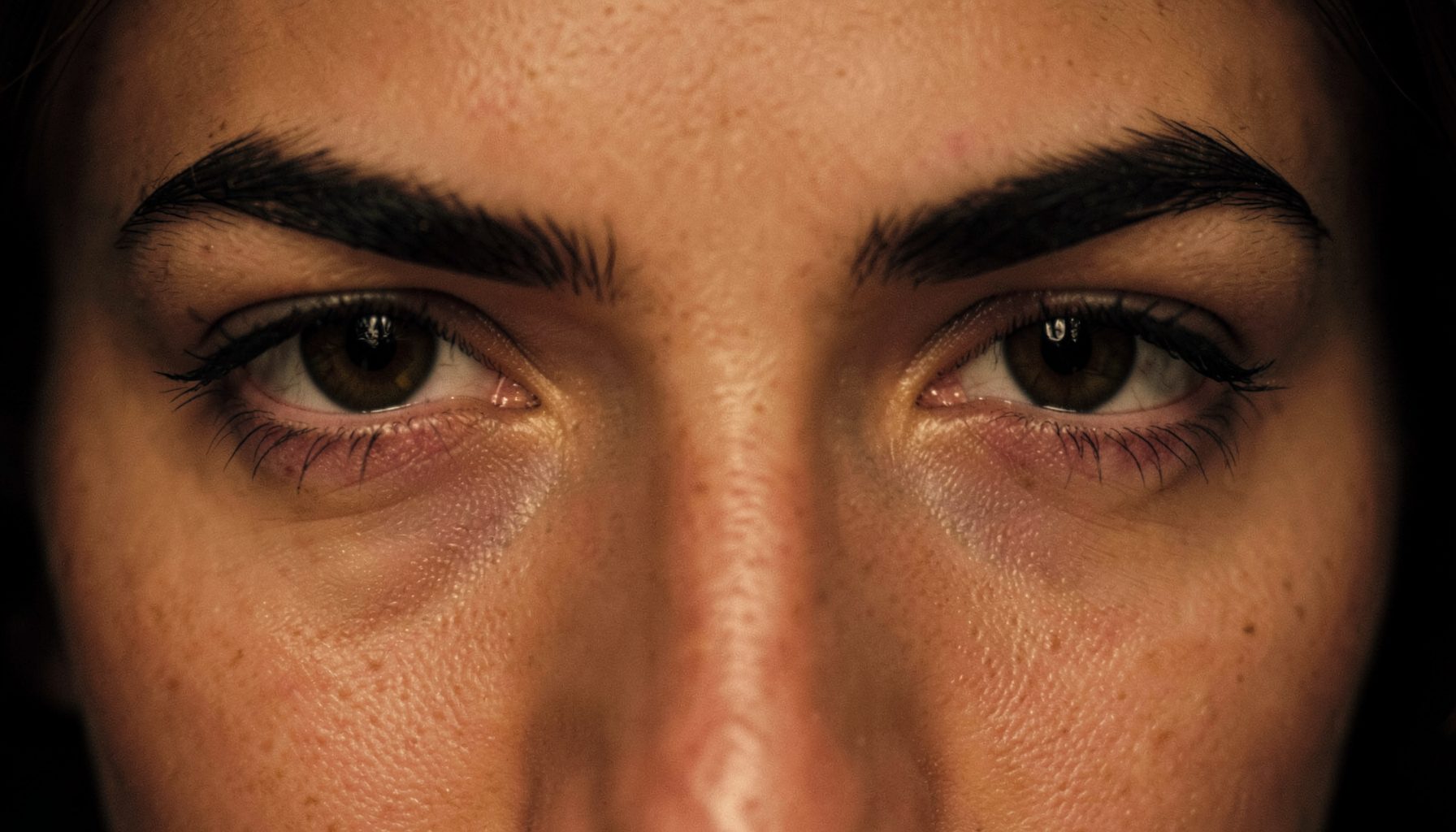
Eye Shape Guide
Understand your eye shape, master makeup techniques, and explore every treatment option — from Botox brow lifts to surgical solutions.
Explore the Site
Eyeshadow placement, blending techniques, and common mistakes to avoid for a more open, lifted look.
Explore →Winged liner, smudge prevention, and techniques that work with hooded lids to make eyes appear larger.
Explore →Non-surgical Botox brow lifts and surgical options including blepharoplasty, explained clearly.
Explore →Five false lash styles suited to hooded eyes, plus curler and mascara guidance for maximum lift.
Explore →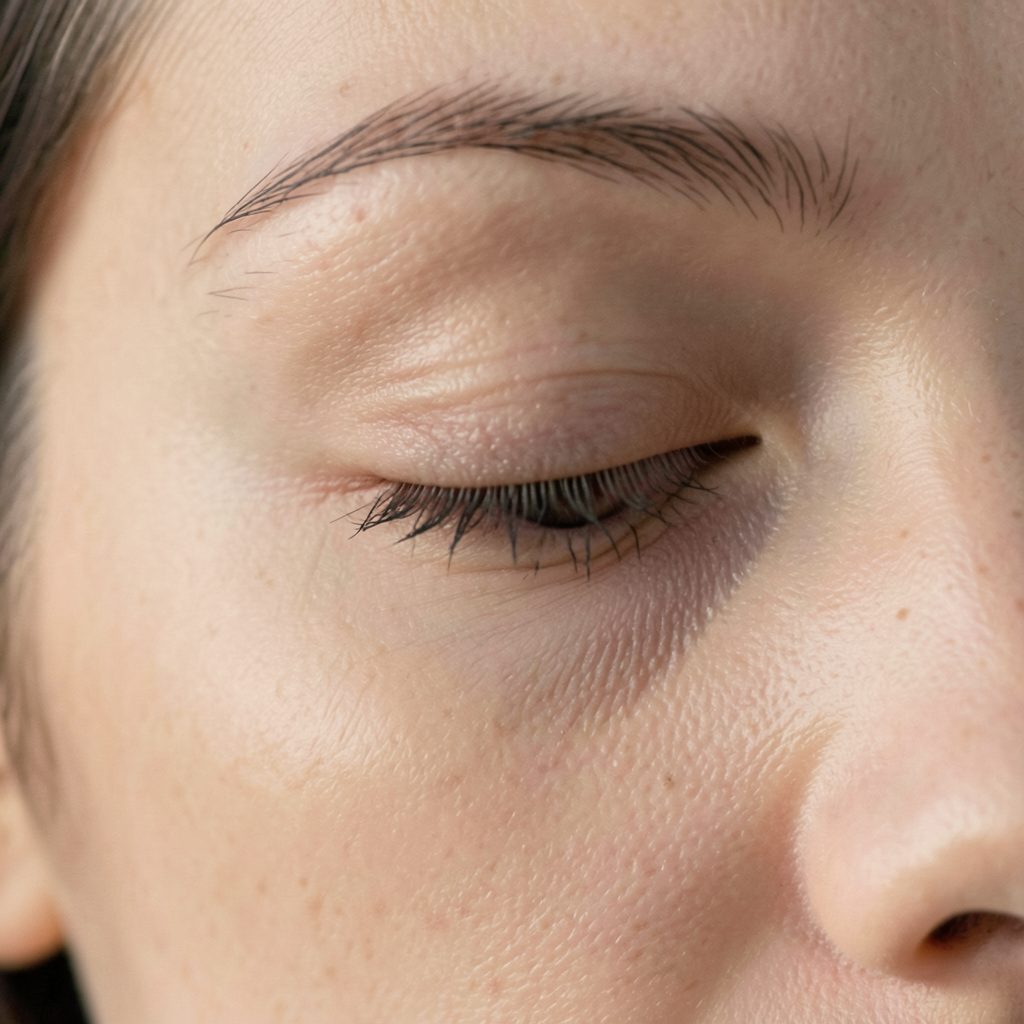
What Are Hooded Eyes?
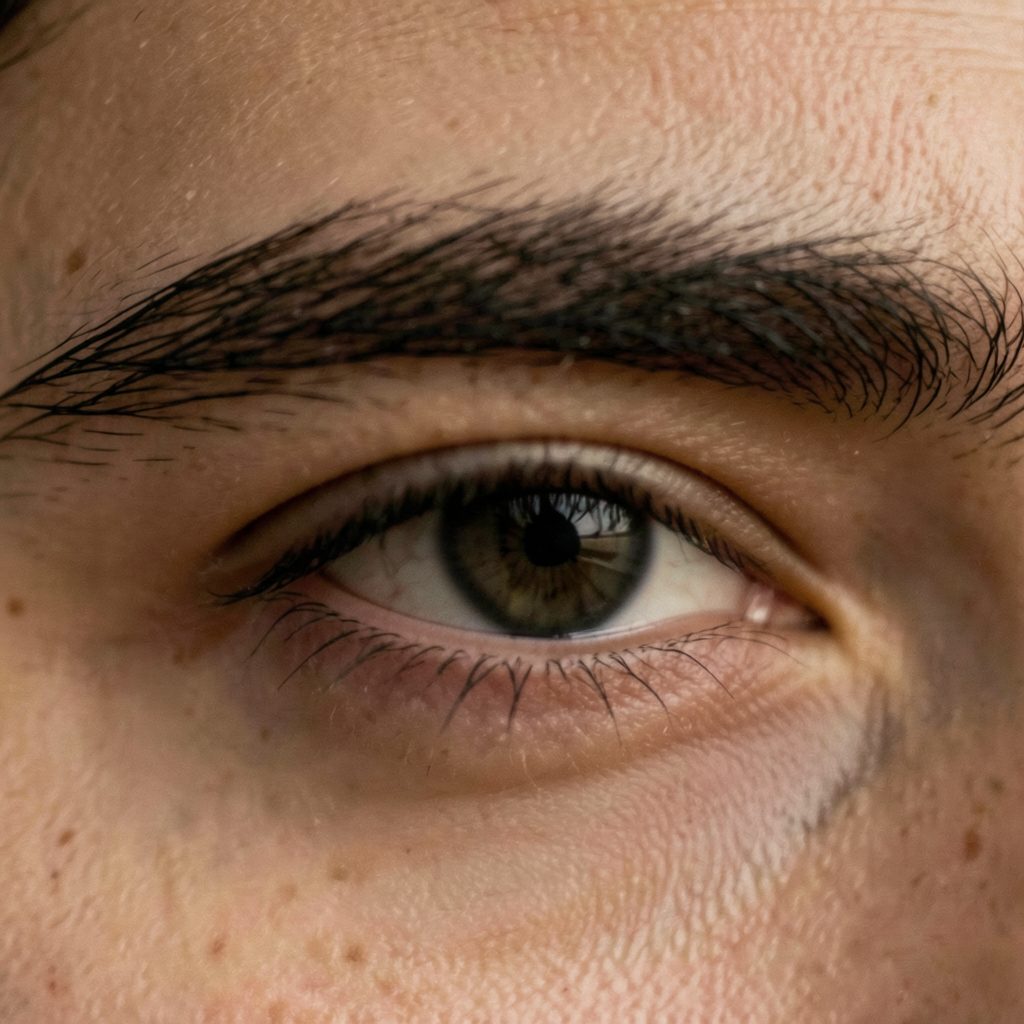
Hooded eyes are a natural eye shape where an excess piece of skin from the brow bone partially or completely covers the eyelid. The result can make eyes appear smaller or more tired than they feel.
This shape can be present from birth due to genetics, or it can develop over time. Known causes include aging, genetic traits, eye rubbing, body fatness, muscle structure, trauma, solar radiation, and sleep apnea.
Hooded eyes can make the brow feel heavy, especially when the upper lid folds across the crease. A subtle lift may brighten your face without changing your defining features. If you prefer adding support rather than changing muscle movement, dermal filler offers a path worth discussing with an experienced injector. The aim is an open, balanced eye, not an entirely new face.
Choosing filler over Botox is a comparison of goals, not simply choosing a stronger version of the same treatment. Filler adds volume; botulinum toxin temporarily relaxes selected muscles. A qualified clinician can explain where each approach helps, what neither can achieve, and whether your brow anatomy makes a conservative filler treatment suitable. Your medical history, expression and eye shape all belong in that conversation.
Most natural-looking brow-lift filler treatments use hyaluronic acid, or HA, a gel that holds water. Placed judiciously, it can support tissue near the brow or add controlled volume beneath its outer edge, making the brow appear slightly higher and the upper lid less visually weighted. It does not recreate a surgical lift, and the outcome depends on your bone, fat and skin. Results are also affected by facial movement.
Botulinum toxin, including the medicine Botox, takes a different approach. It reduces activity in muscles that pull the brow downward, which can help a low or heavy brow while preserving other movement. Filler cannot relax those muscles. If you already have a strong brow position, reduced facial movement or an eyelid margin that droops independently, the two treatments are not interchangeable. Some people combine them, while others specifically want to avoid Botox.
HA results commonly last around six to 18 months, depending on the product, amount used and individual metabolism. Swelling can obscure the final contour for several days, so an immediate photograph is not the final verdict. Biostimulatory injectables, such as poly-L-lactic acid, may last longer but need a different assessment and are not interchangeable with HA. Make sure you know exactly which material is being used.
A hooded lid involves a visible fold of upper-lid skin, sometimes with a less obvious crease and apparent asymmetry. Part of that shape is structural, while camera angle, brow position and shadow can exaggerate the difference. Asymmetry in photos may reflect how a hood catches light rather than a true mismatch between your brows. This is why assessment from several angles is more useful than judging one close-up image.
Celebrity comparisons can offer a starting point, but they rarely tell the whole story. Angelina Jolie and Mary-Kate Olson are often cited as having hooded eyes, whereas a strongly lifted brow and visible crease create a very different effect. Genetics, age, bone structure and brow hair all matter. An injector should assess you in daylight rather than attempt to copy a celebrity by eye. There is no useful standard “celebrity brow” for every hooded face.
The goal is to preserve expression. Adding lots of volume to one arch to compensate for a hooded lid can create an unnatural shelf, especially when you smile. Look for subtle definition in the tail, a comfortable brow height and a smooth transition into the temple. If the eyelid margin droops independently of the brow, filler alone may not address it; a surgical blepharoplasty consultation may be more relevant than another syringe.
In Australia, dermal fillers are prescription medicines regulated by the Therapeutic Goods Administration, or TGA. A legitimate treatment should involve a qualified prescriber or an appropriately credentialled injector working with appropriate clinical oversight. Check the practitioner on AHPRA’s register of practitioners, ask who takes responsibility for prescribing, and confirm the exact product and intended use. Australian rules on prescription-drug advertising also make it sensible to check a clinic’s social media claims independently.
Cosmetic injectables are offered through clinics in Sydney, Melbourne, Brisbane and other capital cities. Local pricing structures differ: Botox is often discussed by unit, while filler may be quoted by syringe or millilitre. Ask whether the consultation, follow-up and any top-up are included; more than one syringe may be needed. Medicare generally does not rebate elective cosmetic brow treatments, so request the full cost before booking.
Australian clients often describe wanting something “subtle” or just “a bit of filler”, yet subtle still needs a considered plan. Your consultation should include a facial assessment, medical history, consent and photographs from front and angled views. If the price depends on urgency, a social-media discount or a package bought before examination, slow down. Natural results are not a race, and a reputable clinician should be comfortable explaining what they cannot safely achieve.
Before treatment, tell the practitioner about allergies, bleeding problems, previous fillers, pregnancy or breastfeeding, and every prescription, supplement and injectable you use. Ask your doctor or pharmacist before changing aspirin, ibuprofen, anticoagulants or supplements. Alcohol can increase bruising, and some people swell more than others. Follow the clinic’s product-specific advice rather than relying on advice designed for a different filler.
The procedure is usually brief and uses local anaesthetic, although temporary swelling can make the brow look fuller than it will settle. Follow your injector’s instructions about water, makeup and exercise for the first 24 to 48 hours. Avoid rubbing, pressing or massaging the area, and use a clean pillowcase if you are prone to tossing your head at night. Your clinic should explain how to protect the contour while it settles.
Contact the clinic promptly for increasing pain, a hot or tender area, marked asymmetry, persistent lumps, visual changes or skin that looks pale, mottled or blistered. These can signal infection, inflammation or a blocked blood vessel, which needs urgent attention. A good clinic has an emergency and follow-up process, including advice for after-hours care. Most people recover comfortably, but knowing the warning signs is part of safe treatment.
Makeup can carry a soft lift through the day while you learn your new contour. Keep the brow visible without sharply outlining it, and avoid adding a heavy arch over a hooded lid. For eyeliner, a short, softly rounded wing often suits a hooded shape better than a long, sharp flick. These hooded-eye eyeliner tips offer a useful starting point for creating definition without crowding the eye.
Use products that support the effect rather than compete with it. In humid Sydney or Brisbane weather, or during Melbourne’s changeable seasons, waterproof formulas can stay neat longer, but they still need gentle removal at night. Australia’s high UV exposure also makes broad-spectrum SPF 50+ part of a sensible routine; let sunscreen dry before makeup and take care not to let it migrate into your eyes.
Photograph your face in similar lighting before and after treatment, without filters, so you and your injector can judge the change objectively. Keep the products light, give the area time to settle and attend any scheduled follow-up. A restrained result usually wears better with everyday makeup than a dramatic correction that only looks convincing in one photograph.
Start with a consultation, not a product. Bring reference photographs, a list of medicines and clear priorities: a subtly higher brow, a more visible upper lid or both. Ask the clinician to explain the exact filler, likely number of syringes, expected duration, risks, total cost and what happens if follow-up is needed. If filler is suitable, restraint usually creates a more convincing result than chasing an immediate crease.
Book a consultation with an appropriately qualified injector, agree on what “natural” should look like from both sides and allow swelling to settle before making a judgement. Then support the result with light brow makeup, careful eyeliner and daily sun protection. Choose a medically supervised, unhurried approach, and your eyes can look more open without losing the character that makes them yours.
Surgical Option
For those seeking a more lasting result, plastic surgery — including blepharoplasty — is covered as a treatment option for hooded eyes. Surgery addresses the excess skin directly and is considered an alternative to non-surgical approaches like Botox.
The site's surgery guide explains the procedure, what to expect, and how it compares to non-surgical routes, helping readers make informed decisions about their options.
Read the Surgery Guide →Famous Faces
Hooded eyes can enhance facial expressions and contribute to a distinctive, memorable look. These ten well-known figures all share the eye shape.
Jennifer Aniston
Leonardo DiCaprio
Solange Knowles
Taylor Swift
Michelle Williams
Robert Pattinson
Blake Lively
Selena Gomez
Gigi Hadid
Benicio del Toro
Side by Side
False Lash Guide
Varied length spikes create texture and the illusion of depth without weighing down the lid.
Longer outer-corner lashes draw the eye outward and upward, counteracting the hood effect.
A uniform, moderate length that adds definition without overwhelming a hooded lid.
Applied only to the outer half, these open up the eye shape and are easier to manage on hooded lids.
A strong upward curl (D or L curl) lifts lashes away from the hood, keeping them visible throughout the day.
The guide also covers lash curlers, mascara recommendations, and step-by-step instructions for fixing false lashes on hooded eyelids.
Full Lash Guide →Get in Touch
Whether you are just beginning your makeup journey or have been experimenting with different looks for years, we are glad you are here.
General Feedback
Share your thoughts on the site or suggest topics you'd like covered.
Looking for a Specific Tip?
Ask about a particular technique or eye-shape challenge.
Product Questions
Questions about products mentioned across the site.
Human Resources or Business Inquiries
Partnership, collaboration, or business-related correspondence.