01
Makeup Tips
Eyeshadow placement, blending techniques, and common mistakes to avoid for a more open, lifted look.
Explore →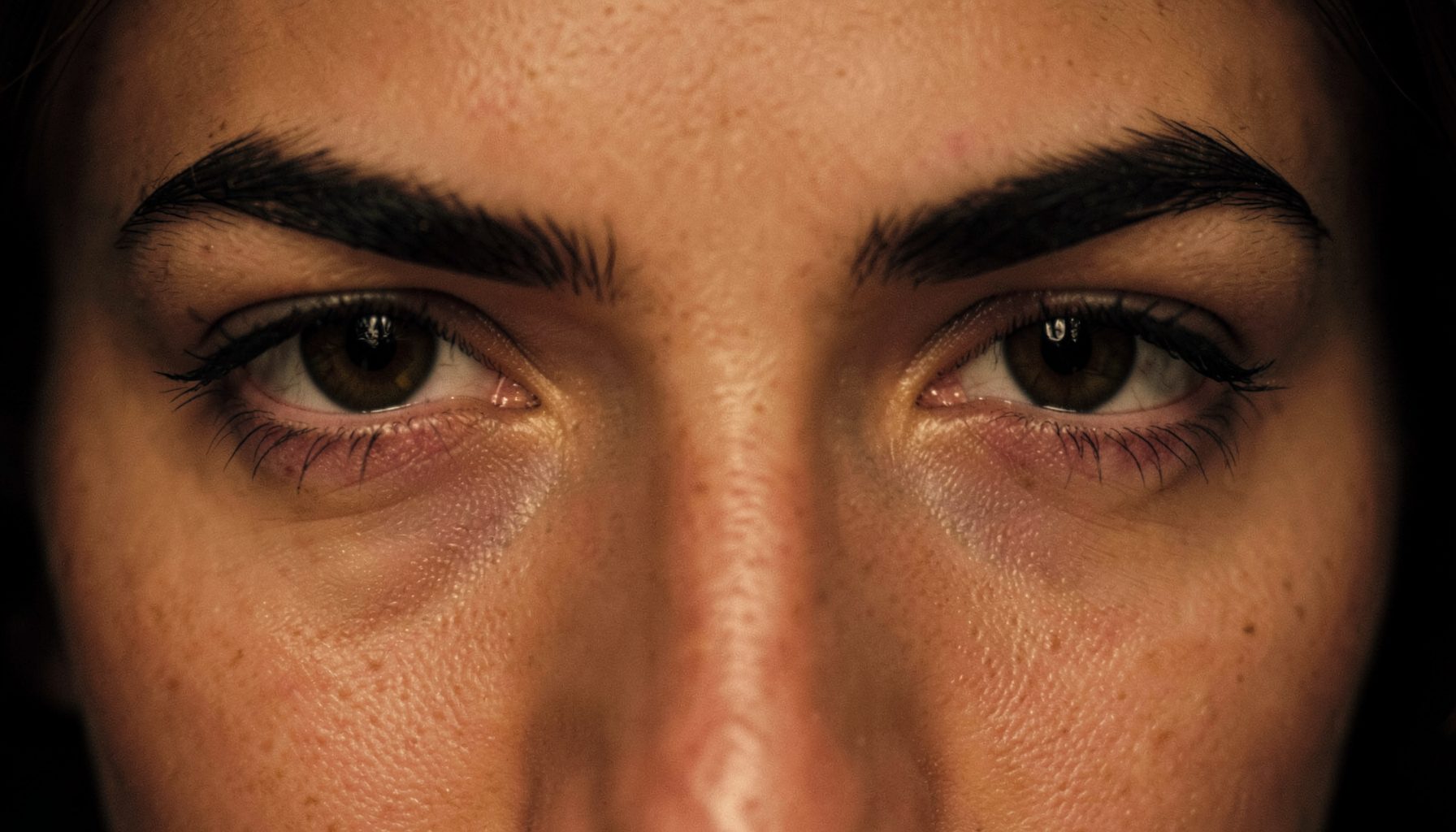
Eye Shape Guide
Understand your eye shape, master makeup techniques, and explore every treatment option — from Botox brow lifts to surgical solutions.
Explore the Site
Eyeshadow placement, blending techniques, and common mistakes to avoid for a more open, lifted look.
Explore →Winged liner, smudge prevention, and techniques that work with hooded lids to make eyes appear larger.
Explore →Non-surgical Botox brow lifts and surgical options including blepharoplasty, explained clearly.
Explore →Five false lash styles suited to hooded eyes, plus curler and mascara guidance for maximum lift.
Explore →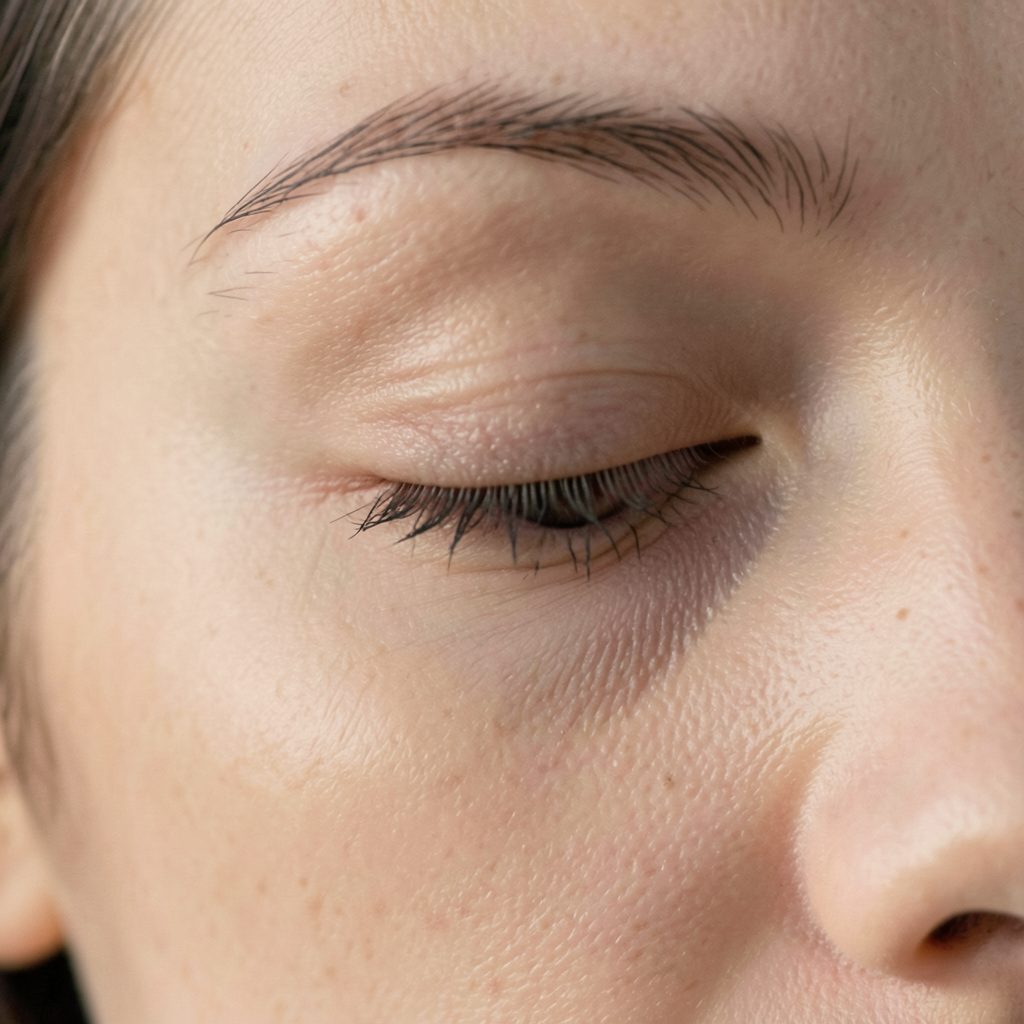
What Are Hooded Eyes?
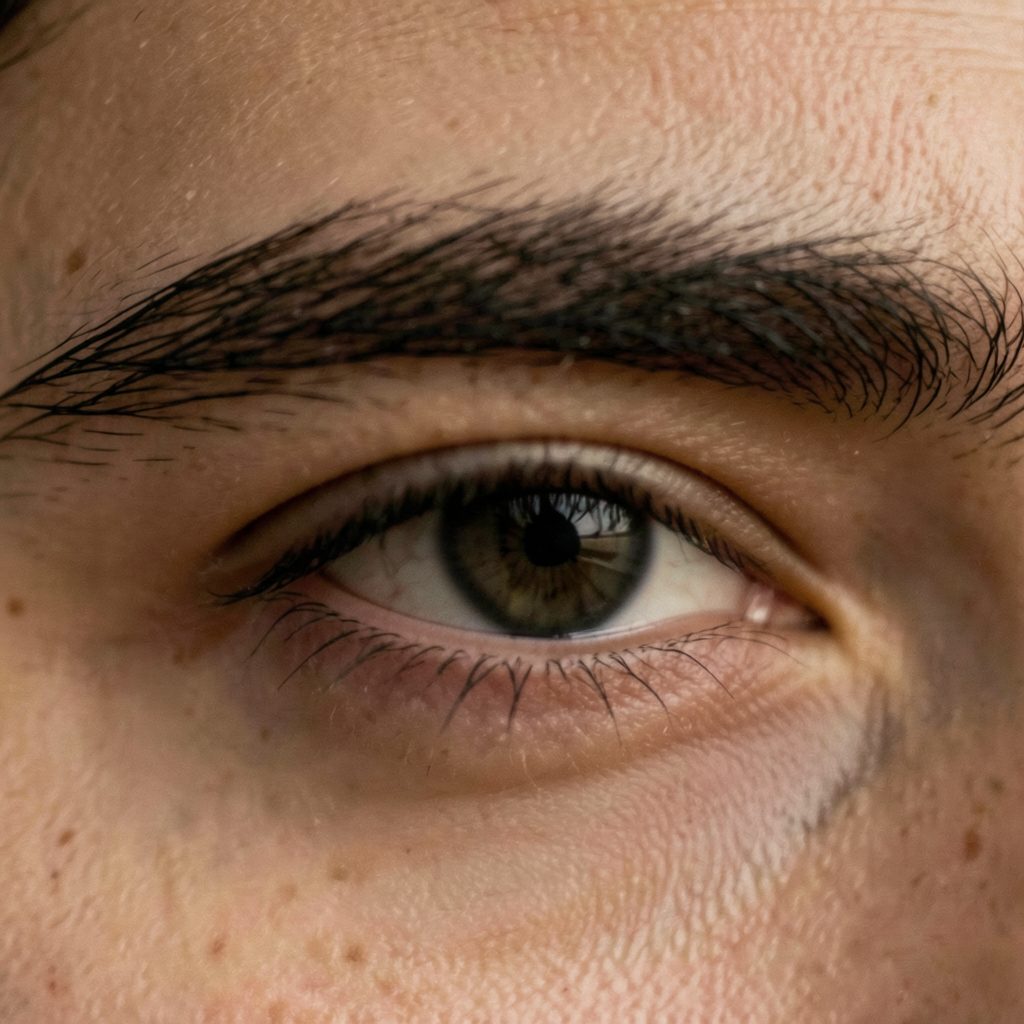
Hooded eyes are a natural eye shape where an excess piece of skin from the brow bone partially or completely covers the eyelid. The result can make eyes appear smaller or more tired than they feel.
This shape can be present from birth due to genetics, or it can develop over time. Known causes include aging, genetic traits, eye rubbing, body fatness, muscle structure, trauma, solar radiation, and sleep apnea.
Hooded eyes happen when the upper eyelid fold sits low enough to cover part of the crease, leaving a smaller visible area above the lashes. They are common, and the shape can differ from one eye to the other in crease depth, lid volume, brow height and the direction of the outer corner. Learn more about Why Some People See More Hooded Eyelids After Losing Weight.
Makeup cannot change the underlying bone, muscle or fat, but tricks for fixing uneven hooded eyes can control contrast and placement so the eyes look more balanced. The aim is to make the less hooded eye read slightly softer while giving the more covered eye definition without exaggerating the difference.
| Feature | More covered eye | More open eye | Balancing response |
|---|---|---|---|
| Visible lid space | Limited or hidden | More generous | Use thin liner and lifted lashes instead of filling the crease |
| Crease definition | Soft or mostly hidden | Distinct | Add a subtle taupe wash to the outer third of the covered eye |
| Brow position | Lower or visually heavier | Higher | Gently lift the lower edge of the lower brow |
| Outer corner | Droops or points downward | Lifts upward | Match the apparent tilt with a restrained flick |
| Under-eye depth | Stronger shadow | Flatter appearance | Neutralise discolouration without adding reflective powder |
Unevenness is usually structural rather than a makeup problem. One brow may sit lower, one upper lid may contain more soft tissue, or a muscle may pull one fold farther inward. Genetics set the basic anatomy; ageing and changes in facial fat or muscle tone can alter how much of the crease remains visible.
Some shifts are temporary. The pattern of changes after weight loss can make a previously hidden crease look deeper or create extra upper-lid fullness as periorbital fat changes. A sudden difference is different from a lifelong variation and deserves an eye assessment rather than an attempt to conceal it.
One eyelid that begins to droop over the pupil, or a new change in vision, double vision, pain or redness, needs prompt medical attention. Ptosis can resemble heavy hooding but affects the eyelid-lifting muscle. Makeup is unsuitable for a changing eyelid, and an optometrist or ophthalmologist can distinguish the causes.
Begin with clean skin and a remover that will not encourage rubbing. Oil-based cleansers dissolve long-wear liner and mascara, while fragrance-free cream or balm suits sensitive lids. Options such as gentle eye makeup removers can be trialled patch-first, especially when the fold traps product and causes irritation.
Use a thin, breathable primer only where shadow needs to stay put, then conceal discolouration rather than covering the whole mobile lid. A peach or skin-toned concealer can soften deep folds without adding weight; set it lightly with translucent powder. Clean brushes and sponges, replace mascara every three months, and avoid sharing eye products.
Start by comparing both eyes in daylight and in a straight-on photo. Identify which crease disappears first, which brow looks lower and whether one outer corner points down. This creates a map for balancing rather than copying the same colour placement on each lid. The core shadow and brow choices are:
Eyeliners should echo the direction of the open eye without trying to redraw its anatomy. Follow the upper lash line, keep the inner corner uncomplicated and extend only a few millimetres when a small upward flick helps both outer corners appear level. The practical liner and lash choices are:
Finish with mascara, checking from above and below rather than only in the mirror. If the more hooded side has less visible lash, a brown-black formula may look softer there, while the open side can take extra separation. Blend both edges with a clean fingertip and photograph the result before adding more product.
A round eye may need a slim outer flick, while an almond eye can carry a longer tail; apply that logic to the pair rather than to a textbook eye shape. If one eye looks rounder because its brow is lower, lifting and filling that brow often balances the lids more effectively than adding liner to the round eye.
Downturned eyes benefit from a restrained upward line and lifted outer lashes, whereas deep-set eyes need soft contrast rather than a thick black rim. Downward liner or heavy lower-lid shadow can make either shape appear tired. Use whatever technique makes the two eyes look related, not identical.
Crease tape or a clear brow-lift strip may help some lids temporarily, but it can irritate delicate skin and pull at tiny hairs. Test any adhesive for a few hours, remove it gently and stop if redness develops. Most day-to-day balance is better achieved with brow placement, controlled shadow and lash direction.
Weather changes the result. Humid Brisbane afternoons can soften cream shadow and encourage creasing, Melbourne wind can dry a precise liner, and Sydney’s coastal air often sits against heavier products. Air-conditioned offices can then dry the skin, creating the urge to rub the eyes. Set products lightly in warm weather and use a long-wearing, breathable formula instead of adding layers.
Daily Australian habits also matter: commutes on trains and buses, weekends at the market or beach, and long outdoor days can expose the eye area to sun, salt and sweat. Broad-spectrum, water-resistant SPF 50+ sunscreen meeting the Australian Standard, plus sunglasses, a hat and UPF clothing, protects the lid skin without adding makeup. Pat sunscreen in before primer and let it set.
Australian beauty shoppers commonly compare products through Sephora, Mecca, Priceline and Chemist Warehouse, so checking the local ingredient list and Australian warnings is worthwhile. The TGA publishes recalls and safety information for therapeutic goods, while cosmetics follow industry labelling arrangements. If a product claims to permanently “fix” a hooded lid, treat that as marketing rather than a promise.
Makeup is the safest starting point when the goal is visual symmetry, but it cannot remove a deep fold or pronounced ptosis. If the difference bothers you, a qualified clinician can explain whether brow position, soft tissue or the lifting muscle is responsible. A botulinum toxin brow lift may soften the muscles pulling the brow down, with effects commonly lasting several months, but temporary redness, bruising, headache, eyelid droop or double vision are possible.
In Australia, botulinum toxin is a prescription medicine, so treatment should be administered by an appropriately credentialed clinician. Check AHPRA registration, request documented informed consent, and ask how your health information will be managed under the Privacy Act 1988 and Australian Privacy Principles. Before treatment, disclose medicines, allergies, pregnancy status, past eye surgery and neurological conditions. After injections, follow the clinician’s advice about rubbing, exercise, alcohol, makeup and follow-up; seek prompt care for new double vision or substantial eyelid droop.
Blepharoplasty removes or repositions excess eyelid tissue, but it carries risks including bleeding, infection, scarring, dry eye, corneal exposure, abnormal eyelid position, asymmetry and revision. Swelling can last several weeks, and elective blepharoplasty generally attracts no Medicare rebate, so request an itemised quote. Discuss marks, contact lenses, driving and medication changes before surgery, then follow the surgeon’s cleaning, cooling and makeup guidance. More detail on eyelid surgery options can help you prepare for that conversation. Make your next move with a clear plan: photograph both eyes in daylight, test one balancing routine for two weeks, and consult a qualified practitioner if you want a medical assessment with costs, risks and aftercare explained.
Surgical Option
For those seeking a more lasting result, plastic surgery — including blepharoplasty — is covered as a treatment option for hooded eyes. Surgery addresses the excess skin directly and is considered an alternative to non-surgical approaches like Botox.
The site's surgery guide explains the procedure, what to expect, and how it compares to non-surgical routes, helping readers make informed decisions about their options.
Read the Surgery Guide →Famous Faces
Hooded eyes can enhance facial expressions and contribute to a distinctive, memorable look. These ten well-known figures all share the eye shape.
Jennifer Aniston
Leonardo DiCaprio
Solange Knowles
Taylor Swift
Michelle Williams
Robert Pattinson
Blake Lively
Selena Gomez
Gigi Hadid
Benicio del Toro
Side by Side
False Lash Guide
Varied length spikes create texture and the illusion of depth without weighing down the lid.
Longer outer-corner lashes draw the eye outward and upward, counteracting the hood effect.
A uniform, moderate length that adds definition without overwhelming a hooded lid.
Applied only to the outer half, these open up the eye shape and are easier to manage on hooded lids.
A strong upward curl (D or L curl) lifts lashes away from the hood, keeping them visible throughout the day.
The guide also covers lash curlers, mascara recommendations, and step-by-step instructions for fixing false lashes on hooded eyelids.
Full Lash Guide →Get in Touch
Whether you are just beginning your makeup journey or have been experimenting with different looks for years, we are glad you are here.
General Feedback
Share your thoughts on the site or suggest topics you'd like covered.
Looking for a Specific Tip?
Ask about a particular technique or eye-shape challenge.
Product Questions
Questions about products mentioned across the site.
Human Resources or Business Inquiries
Partnership, collaboration, or business-related correspondence.