01
Makeup Tips
Eyeshadow placement, blending techniques, and common mistakes to avoid for a more open, lifted look.
Explore →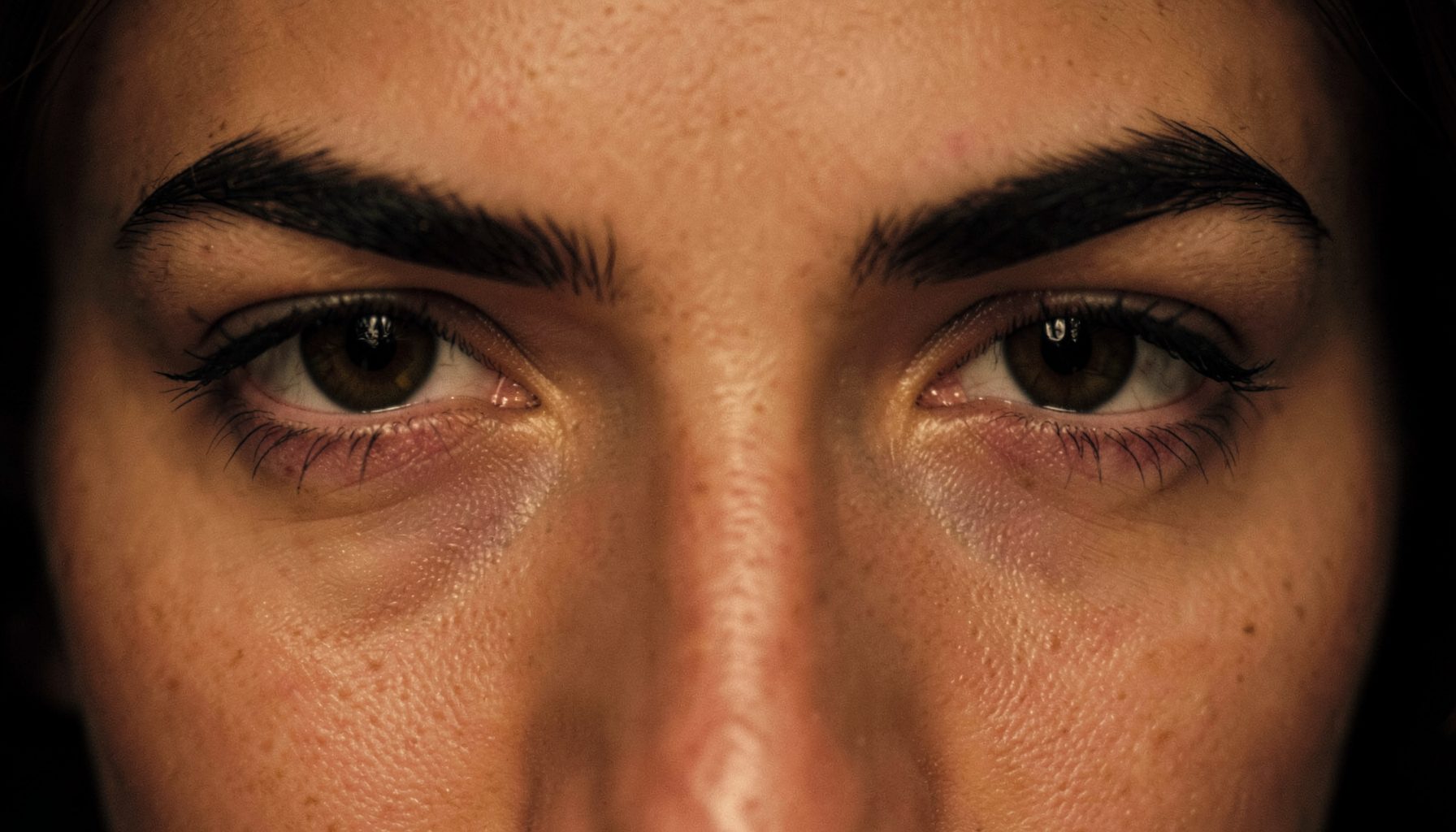
Eye Shape Guide
Understand your eye shape, master makeup techniques, and explore every treatment option — from Botox brow lifts to surgical solutions.
Explore the Site
Eyeshadow placement, blending techniques, and common mistakes to avoid for a more open, lifted look.
Explore →Winged liner, smudge prevention, and techniques that work with hooded lids to make eyes appear larger.
Explore →Non-surgical Botox brow lifts and surgical options including blepharoplasty, explained clearly.
Explore →Five false lash styles suited to hooded eyes, plus curler and mascara guidance for maximum lift.
Explore →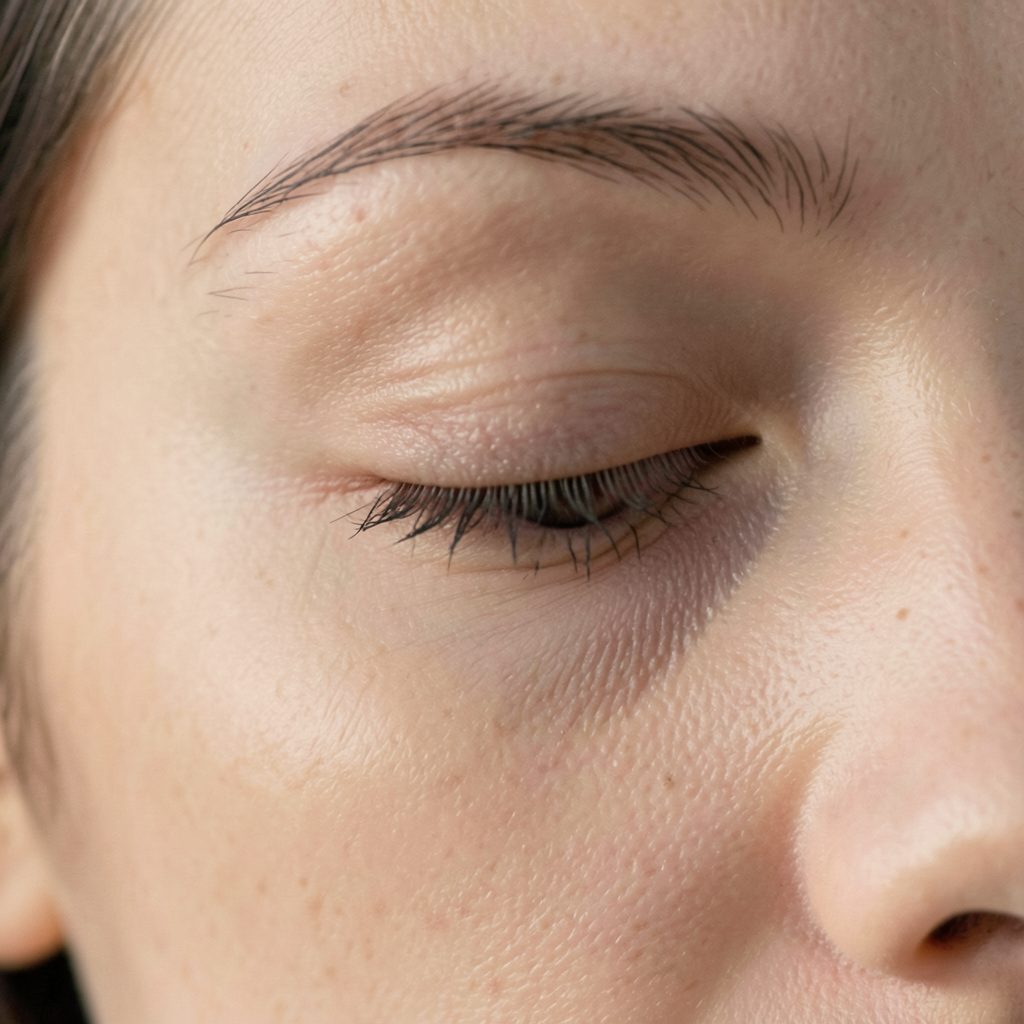
What Are Hooded Eyes?
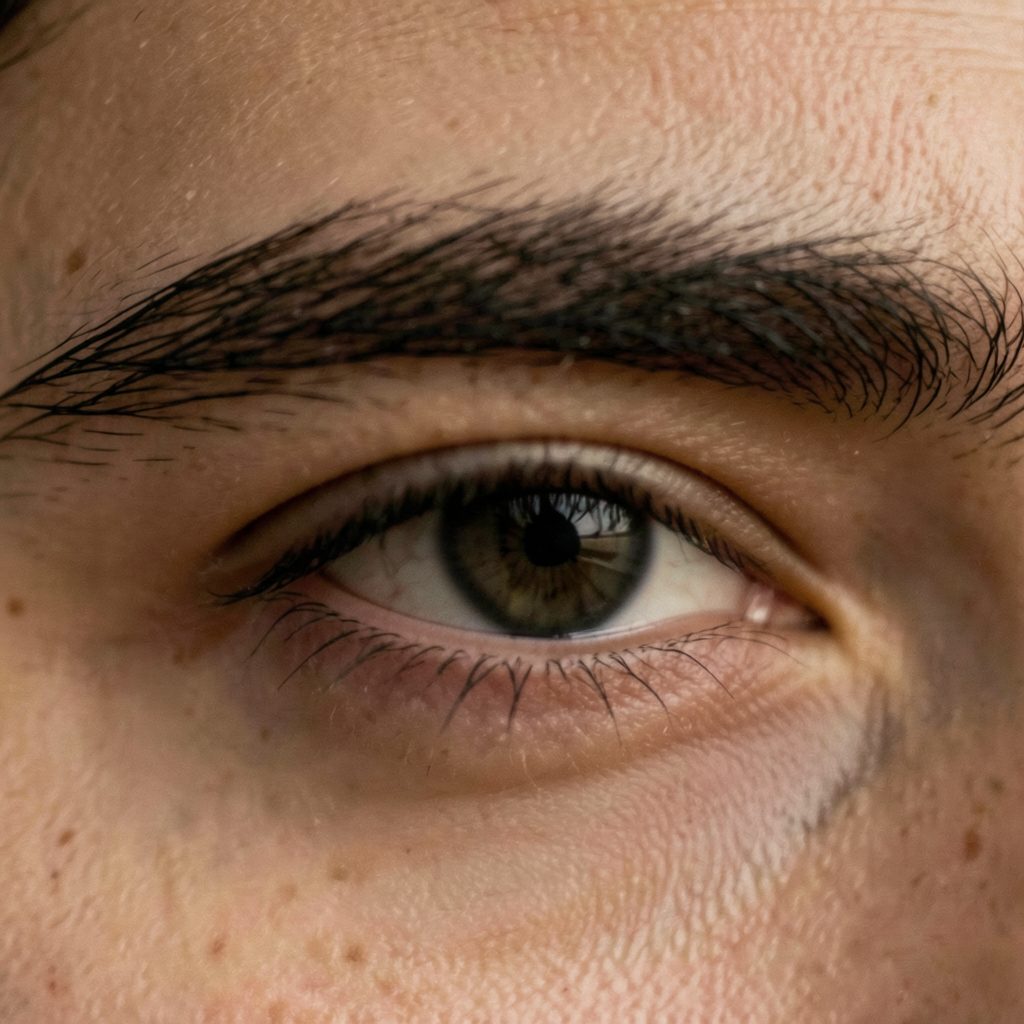
Hooded eyes are a natural eye shape where an excess piece of skin from the brow bone partially or completely covers the eyelid. The result can make eyes appear smaller or more tired than they feel.
This shape can be present from birth due to genetics, or it can develop over time. Known causes include aging, genetic traits, eye rubbing, body fatness, muscle structure, trauma, solar radiation, and sleep apnea.
Hooded eyes describe a visible fold of upper-lid skin sitting below the crease, making the eyelid look heavy or partly covered. This appearance can come from inherited anatomy, ageing, or a combination of both. It differs from a low eyebrow, which can cast a shadow over the eye, and from blepharoptosis, where the eyelid itself droops.
Knowing what is driving your appearance can help you choose suitable makeup, avoid ineffective products and determine whether cosmetic treatment is worth considering. There is no reliable home test that separates genetic hooding from age-related changes, so personal history, family photographs and a clinical eye assessment are often more useful than appearance alone.
The distinction matters because structural hooding may respond well to clever liner and lash placement, while sagging tissue or a drooping brow may need a different approach. Treatment decisions should also account for dry eye, eyebrow position, levator function and how quickly the problem developed.
The upper eyelid normally has a visible crease created by folds in the skin and underlying muscle. In a hooded eye, the crease sits lower or is partly hidden, and the fold rests over the upper lash line. Some people describe this as a low crease or single lid, although a monolid is not always technically hooded.
Inherited features can include a shallow crease, fuller tissue beneath the brow, a deeper eye socket or particular bone structure. These features may be present from childhood and remain broadly unchanged for years. They can also make the eye look deep-set even when the eyelid is not actually drooping.
Age-related hooding usually involves gradual changes in skin elasticity, supporting muscle, fat distribution and brow position. A brow lift may create extra skin over the lid, while descent of the lid itself can conceal the crease. Temporary puffiness can make either type look heavier, so an tired morning is not strong evidence of ageing.
Genetic hooding often appears at a relatively young age and follows a family pattern. Comparing childhood photographs with current ones can reveal whether the crease was always shallow or has become more obscured. Similar features in parents or siblings may support an inherited explanation, although appearance alone cannot prove the cause.
A visual guide to hooded eye anatomy can help distinguish a low crease from excess upper-lid skin. It is also useful for understanding why some hooded eyes look different from others. A high brow with substantial lid tissue is usually a different situation from a low brow and a visible crease.
The absence of wrinkles, crow’s feet or obvious skin laxity may point towards anatomy, but young skin can still have a naturally low crease. Likewise, older people can retain a relatively youthful lid while their brows descend. Genetics influence when changes appear, but ageing, hormones, sun exposure and health history affect their pace.
There is no routine genetic test for hooded eyelids. The term mainly describes a developmental shape rather than a single inherited condition. Family resemblance, the age at which the appearance changed and the presence of other ageing signs offer the most useful clues.
Ageing can reduce the support provided by the levator complex, the muscle that raises the upper eyelid. Fat around the eye may shift or bulge, while thinning skin and weakened connective tissue allow the lid fold to sit lower. These changes can gradually hide a crease that was previously obvious.
The timeline is often more informative than a single snapshot. A lid that looked identical at twenty and forty is probably substantially structural, while a crease that became shallow or disappeared over a decade suggests progressive laxity. Photos taken in similar daylight and without heavy makeup provide the clearest comparison.
Other signs can support an age-related explanation: more upper-lid folds, a less defined eyebrow tail, hooding that varies throughout the day, or a tired appearance that worsens toward evening. Allergy-related puffiness can imitate hooding, so it should not be used to make an age judgement until swelling and other reversible causes have been considered.
Hormonal changes, weight changes and fluctuating fluid levels can make the lid look heavier without changing its underlying structure. If the crease seems to change rapidly, it is better to investigate the cause than to assume it is simply ageing.
A GP can begin the process, while an ophthalmologist or oculoplastic surgeon can assess the lid, brow and eye surface in greater detail. An oculoplastic evaluation may consider margin-to-reflex distance, brow height, levator function, scleral show, eyelid closure and signs of dry eye. Photos and a timeline of changes are particularly valuable at the appointment.
In major Australian cities, including Sydney, Melbourne and Brisbane, cosmetic clinics may offer injectables, laser procedures and surgery. Not every practitioner who advertises an eye lift has the same surgical training, so checking credentials with AHPRA is essential. Cosmetic eyelid procedures are generally private and are not routinely subsidised by Medicare, although Medicare rebates may apply in limited cases where visual obstruction or another functional issue is formally demonstrated.
Prices are usually quoted in Australian dollars and should include GST, follow-up appointments and any aftercare. Cosmetic surgery can also involve anaesthetist, facility and pathology charges. Patients should request an itemised quote rather than relying on a promotional “before and after” price, and should clarify whether revision treatment is included.
Sudden drooping, double vision, pain, redness or a noticeable change in vision needs prompt medical review rather than cosmetic camouflage. A new one-sided lid droop can occasionally indicate neurological or systemic illness. Persistent dryness, excessive tearing or difficulty closing the eye also deserves assessment before any cosmetic procedure.
Preparation matters because skincare, moisturiser and sunscreen can migrate into the crease and make it look sharper. Use an eye-compatible product, pat rather than rub, and allow a few minutes for the skin to settle. Australian summers bring humidity, sweat and high UV exposure, so a lightweight, waterproof formula is often more practical than a heavier cream.
For eyeshadow, concentrate colour on the visible mobile lid rather than trying to outline an area hidden by the fold. A soft matte or satin shade in a neutral tone can create definition without making the lid appear bulkier. Avoid a strong shimmer directly beneath the crease, where it can look like a sharp line, and keep the transition close enough to remain visible when the eye is open.
For liner, define the upper lash line without creating a heavy wing that disappears beneath the fold. These practical eyeliner tips show how thin liner, tightlining and carefully placed lower-lash detail can make the eye appear more open. A waterproof or long-wearing formula is useful in humid weather and on hot days when the eye area tends to perspire.
Brows should support the lid without being filled so heavily that they add visual weight. A restrained arch and slightly extended tail can balance a low crease, but overdrawing the lower edge may create a shadow. Curling the lashes and applying mascara mainly from the mid-length outwards can define the lash line; lightweight lashes are less likely to drag on a hooded upper lid. Waterproof mascara and gentle removal will help protect both lashes and the delicate eyelid skin.
Botulinum toxin injections may temporarily lift a low brow by relaxing the muscles that pull it downwards. The result depends on brow anatomy, injection placement and the amount of movement present. It may help when the brow is the main source of hooding, but it usually does not remove excess upper-lid skin. Temporary asymmetry, brow heaviness, headache, eyelid drooping and unintended weakness in nearby muscles are possible.
Upper blepharoplasty is the surgical option for removing or repositioning excess skin and reshaping the upper lid. It can create a clearer crease and reduce hooding, but the final result depends on the original anatomy. Risks include swelling, asymmetry, scarring, dry eye, an incomplete blink, eyelid malposition and temporary or persistent ptosis. A surgeon experienced in oculoplastic or facial plastic procedures is preferable to one whose main work is unrelated to the eye.
Non-surgical tightening is another avenue for people who cannot proceed with surgery or want a temporary change. A review of radiofrequency hooded lids explains the intended collagen-contraction effect and the need for cautious expectations. Results are generally modest, treatment may require multiple sessions, and burns, pigment changes, discomfort or uneven tightening can occur. These methods should not be used to treat true ptosis without medical advice.
Every cosmetic option has a recovery period, maintenance requirement and risk of an outcome that still looks hooded. Choosing the least invasive intervention that addresses the actual cause is usually more satisfying than pursuing several treatments for different features.
Put the main clues together before deciding what you want to change. The most useful information comes from your history, family photographs and the rate of change. A professional assessment can then separate anatomy, brow position, ageing and conditions that require medical care.
Take your clearest family photographs and prepare a short history of the change, then book an assessment with a qualified eye professional if the hooding is new, progressing or affecting comfort or vision. For cosmetic goals, request a staged plan that prioritises the feature causing the greatest concern and includes the risks, costs and aftercare.
Surgical Option
For those seeking a more lasting result, plastic surgery — including blepharoplasty — is covered as a treatment option for hooded eyes. Surgery addresses the excess skin directly and is considered an alternative to non-surgical approaches like Botox.
The site's surgery guide explains the procedure, what to expect, and how it compares to non-surgical routes, helping readers make informed decisions about their options.
Read the Surgery Guide →Famous Faces
Hooded eyes can enhance facial expressions and contribute to a distinctive, memorable look. These ten well-known figures all share the eye shape.
Jennifer Aniston
Leonardo DiCaprio
Solange Knowles
Taylor Swift
Michelle Williams
Robert Pattinson
Blake Lively
Selena Gomez
Gigi Hadid
Benicio del Toro
Side by Side
False Lash Guide
Varied length spikes create texture and the illusion of depth without weighing down the lid.
Longer outer-corner lashes draw the eye outward and upward, counteracting the hood effect.
A uniform, moderate length that adds definition without overwhelming a hooded lid.
Applied only to the outer half, these open up the eye shape and are easier to manage on hooded lids.
A strong upward curl (D or L curl) lifts lashes away from the hood, keeping them visible throughout the day.
The guide also covers lash curlers, mascara recommendations, and step-by-step instructions for fixing false lashes on hooded eyelids.
Full Lash Guide →Get in Touch
Whether you are just beginning your makeup journey or have been experimenting with different looks for years, we are glad you are here.
General Feedback
Share your thoughts on the site or suggest topics you'd like covered.
Looking for a Specific Tip?
Ask about a particular technique or eye-shape challenge.
Product Questions
Questions about products mentioned across the site.
Human Resources or Business Inquiries
Partnership, collaboration, or business-related correspondence.