01
Makeup Tips
Eyeshadow placement, blending techniques, and common mistakes to avoid for a more open, lifted look.
Explore →
Eye Shape Guide
Understand your eye shape, master makeup techniques, and explore every treatment option — from Botox brow lifts to surgical solutions.
Explore the Site
Eyeshadow placement, blending techniques, and common mistakes to avoid for a more open, lifted look.
Explore →Winged liner, smudge prevention, and techniques that work with hooded lids to make eyes appear larger.
Explore →Non-surgical Botox brow lifts and surgical options including blepharoplasty, explained clearly.
Explore →Five false lash styles suited to hooded eyes, plus curler and mascara guidance for maximum lift.
Explore →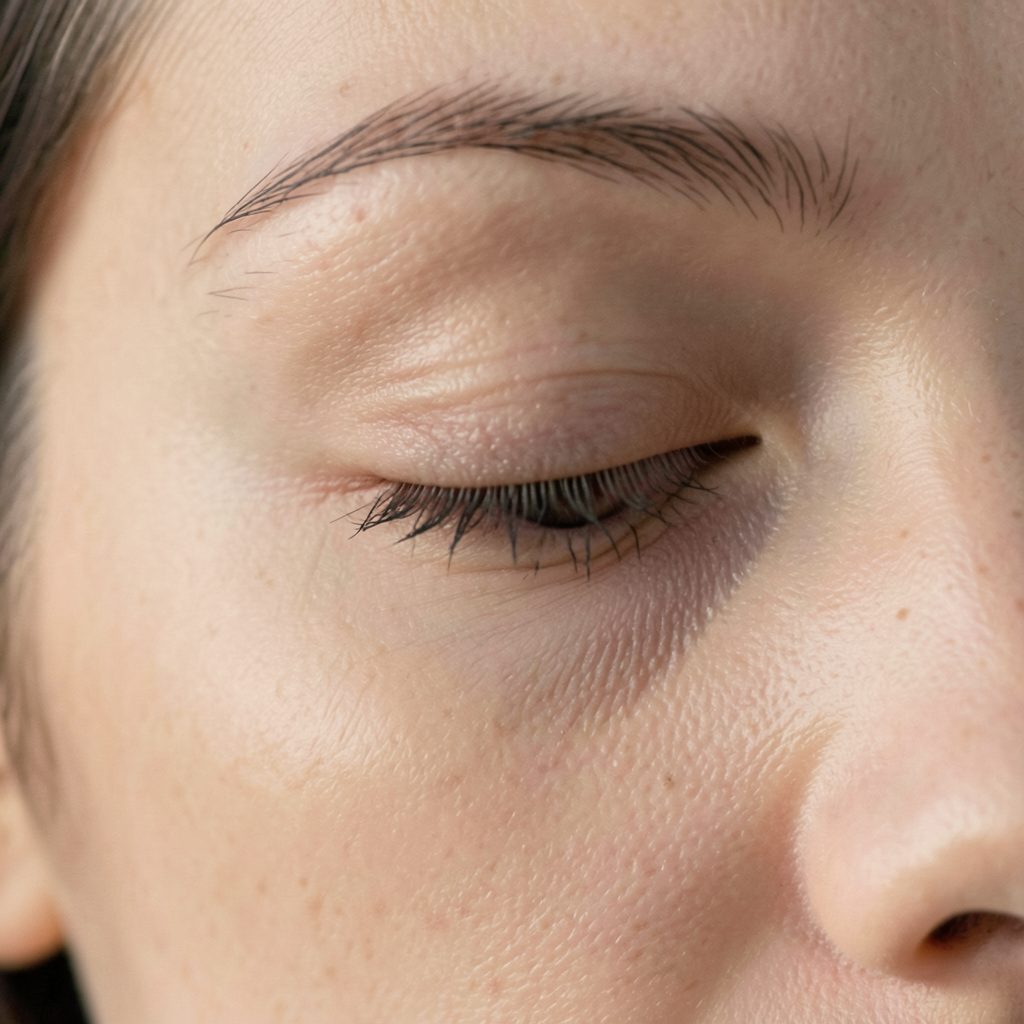
What Are Hooded Eyes?
Hooded eyes are a natural eye shape where an excess piece of skin from the brow bone partially or completely covers the eyelid. The result can make eyes appear smaller or more tired than they feel.
This shape can be present from birth due to genetics, or it can develop over time. Known causes include aging, genetic traits, eye rubbing, body fatness, muscle structure, trauma, solar radiation, and sleep apnea.
Hooded eyelids are common and can make eye makeup feel like a challenge, especially when the upper-lid crease is partly hidden. Non-invasive radiofrequency treatments for tightening hooded eyelids use controlled heat beneath the skin to encourage collagen contraction and remodelling. The aim is firmer, smoother skin rather than a dramatic change to the eye’s natural shape.
A hooded appearance may involve a low brow, excess or lax upper-lid skin, changes in fat around the orbit, or a combination of these. Skin-tightening technology cannot recreate the structure of a youthful eyelid, and it cannot remove tissue. Understanding which feature creates the hooded look is essential before deciding whether energy-based treatment is appropriate.
Results vary because skin thickness, age, sun exposure and treatment technique all affect the response. Some people notice a small improvement in fine lines or lid texture, while a deeper fold may remain unchanged. A clinician who regularly treats the thin eyelid area can assess your anatomy and set expectations without promising a crease that is not there.
For many readers, makeup remains the most immediate way to enhance a partially hidden crease. It can also provide a useful benchmark while a treatment plan is underway, since photographs taken in consistent lighting make gradual changes easier to judge.
Radiofrequency devices deliver alternating electrical current to selected tissues. The resulting heat reaches the dermis, where controlled thermal effects can tighten existing collagen fibres and stimulate longer-term collagen production. Unlike a surgical lift, surface radiofrequency leaves the skin unbroken, so it is generally described as non-invasive.
Monopolar systems, such as those used in some volumetric skin-tightening treatments, heat a broader area through an active tip and a return electrode. Bipolar systems create more localised heating between two electrodes. Some clinics also offer fractional radiofrequency, which treats selected columns of skin and may involve controlled micro-wounds. Needle-based radiofrequency microneedling punctures the skin and should not be presented as non-invasive.
Collagen contraction may produce an early impression of tightening, while remodelling develops over subsequent weeks or months. The degree of tightening depends on energy delivery, cooling, the device and the practitioner’s technique. Eye-area protocols are conservative because the eyelid skin is extremely thin and close to sensitive structures.
The strongest case for radiofrequency is mild laxity, crepey texture and fine lines. It can be useful when the hooded look is subtle and the main concern is skin quality rather than a pronounced overhang. It is less likely to produce a meaningful visual change when heavy tissue overlap or brow descent is the dominant feature.
A partially hidden crease does not always mean the eyelid itself has extra skin. A low brow can cast a fold over the lid, and tightening the skin alone may not reveal the crease. Likewise, radiofrequency cannot lift the brow muscles or redistribute orbital fat. A brow assessment helps separate a skin concern from an anatomical one.
Realistic goals might include slightly firmer skin across the lid, softer fine lines and a smoother transition above the fold. A newly defined crease is possible in some people, but it should be discussed as a variable outcome rather than a guarantee. Clear before-and-after photographs and a staged treatment plan are more useful than dramatic claims.
In Australia, radiofrequency devices used for medical procedures fall within the Therapeutic Goods Administration’s regulatory framework. Ask what device is being used, whether it is approved for its stated purpose in Australia, and who is responsible for treatment. The practitioner should be registered with the appropriate division of AHPRA, and a doctor should assess any surgical option.
Melbourne and Sydney have many established cosmetic clinics, while patients in regional areas may need to travel for an eye-focused consultation. Some practitioners offer video assessments, although an in-person examination is needed before treatment. Travel adds time and cost, so a local skin clinic or accredited day-surgery facility may be a practical first step.
Elective cosmetic procedures usually attract no Medicare subsidy, and fees vary widely. Ask for an itemised quote in Australian dollars, including consultation, treatment, consumables, possible follow-up visits and aftercare. Australian sun exposure makes daily photoprotection especially important: broad-spectrum sunscreen, a hat and sunglasses help limit UV-related changes that can undermine the result.
The eyelid requires particular caution because heat and pressure can affect delicate tissue. A medical history should cover prior eye surgery, blepharoplasty, injectables, skin conditions, pregnancy or breastfeeding, and medications that affect healing. Active infection, poor healing or certain implanted electrical devices may affect eligibility. The clinician should explain why the treatment is suitable despite any relevant concerns.
Preparation usually involves arriving with clean skin and avoiding makeup in the treatment area. Follow the clinic’s instructions about retinoids, sun exposure and other skincare products rather than stopping them independently. Take baseline photographs, mark the treatment area and confirm the expected sensation, cooling method, session length and aftercare contact before the procedure begins.
After treatment, the skin may feel warm, tender or mildly swollen. Avoid rubbing the eyes, vigorous exercise, saunas and steam for the period specified by the clinician. Use gentle cleansing, prescribed ointment and a fragrance-free sunscreen, plus sunglasses outdoors. Persistent pain, blistering, marked asymmetry, eye pain or visual changes need prompt medical review. Results should be reassessed only after the agreed healing and remodelling period.
A side-by-side comparison helps separate a modest skin treatment from options that change muscle, position or tissue. Eligibility depends on the anatomy of the lid and brow, so the most effective procedure is not automatically the safest or most suitable one.
| Treatment | Main target | Recovery and likely effect | Key limitations |
|---|---|---|---|
| Surface radiofrequency | Mild laxity, fine lines and skin texture | Usually little downtime; subtle tightening over weeks to months | Variable crease improvement; burns, pigment changes or nerve irritation are possible |
| Needle-based radiofrequency | Deeper dermal changes | Redness, swelling and punctures; healing takes longer | Not non-invasive; infection, scarring and pigment changes require careful selection |
| Botox brow lift | Muscles that pull the brow down | No surgical recovery; the effect is temporary | Does not remove loose lid skin; asymmetry and eyelid heaviness are possible |
| Blepharoplasty | Excess skin and selected fat or muscle | Bruising and swelling; longer recovery | Incisions, scarring, dry eye, infection and revision risks |
Surface radiofrequency can be attractive when the goal is gentle tightening without incisions. The trade-off is that results may be modest, several sessions may be needed, and a hooded fold driven by brow position may persist. Botox can ease the downward pull of a particular brow muscle, whereas blepharoplasty directly alters eyelid tissue. Those mechanisms should guide the conversation with your practitioner.
Avoid choosing a treatment by age, price or a celebrity transformation. The celebrity examples on this site can help you recognise visible features and outcomes, but lighting, makeup and facial proportions make photographs an imperfect clinical comparison.
Makeup can define the crease without trying to force a lid into a shape it does not have. Work with the visible lid space and use soft transitions where the fold disappears. Two routines suit different preferences.
For a defined crease:
For a soft, blended finish:
Choose waterproof mascara and gentle adhesive removal for commutes, gym sessions and hot weather. Let skincare absorb before applying makeup, and avoid rubbing the area while the skin is healing. If swelling changes the lid position temporarily, simplify the routine rather than compensating with heavier product.
A worthwhile consultation should include an eye and brow examination, a review of your medical history, and a discussion of the specific device and protocol. Request before-and-after images taken under comparable conditions, possible side effects, maintenance expectations and a written quote. Confirm who handles complications and what follow-up is included if the response is limited.
You may also bring your own photographs and a list of the appearance you want to change. Distinguish a concern about a hidden crease from crepey skin, dark circles, brow position or makeup difficulty. Each has a different pathway, and some are better addressed with a brow treatment, injectable, surgical opinion or cosmetic technique.
A staged approach allows you to assess comfort, skin response and practical results before committing to further treatment. Take progress photographs at the agreed intervals, keep the area protected from the sun and report unexpected changes promptly. Book a consultation with an appropriately qualified practitioner, and leave with a clear plan for treatment, aftercare and realistic goals.
Surgical Option
For those seeking a more lasting result, plastic surgery — including blepharoplasty — is covered as a treatment option for hooded eyes. Surgery addresses the excess skin directly and is considered an alternative to non-surgical approaches like Botox.
The site's surgery guide explains the procedure, what to expect, and how it compares to non-surgical routes, helping readers make informed decisions about their options.
Read the Surgery Guide →Famous Faces
Hooded eyes can enhance facial expressions and contribute to a distinctive, memorable look. These ten well-known figures all share the eye shape.
Jennifer Aniston
Leonardo DiCaprio
Solange Knowles
Taylor Swift
Michelle Williams
Robert Pattinson
Blake Lively
Selena Gomez
Gigi Hadid
Benicio del Toro
Side by Side
False Lash Guide
Varied length spikes create texture and the illusion of depth without weighing down the lid.
Longer outer-corner lashes draw the eye outward and upward, counteracting the hood effect.
A uniform, moderate length that adds definition without overwhelming a hooded lid.
Applied only to the outer half, these open up the eye shape and are easier to manage on hooded lids.
A strong upward curl (D or L curl) lifts lashes away from the hood, keeping them visible throughout the day.
The guide also covers lash curlers, mascara recommendations, and step-by-step instructions for fixing false lashes on hooded eyelids.
Full Lash Guide →Get in Touch
Whether you are just beginning your makeup journey or have been experimenting with different looks for years, we are glad you are here.
General Feedback
Share your thoughts on the site or suggest topics you'd like covered.
Looking for a Specific Tip?
Ask about a particular technique or eye-shape challenge.
Product Questions
Questions about products mentioned across the site.
Human Resources or Business Inquiries
Partnership, collaboration, or business-related correspondence.