01
Makeup Tips
Eyeshadow placement, blending techniques, and common mistakes to avoid for a more open, lifted look.
Explore →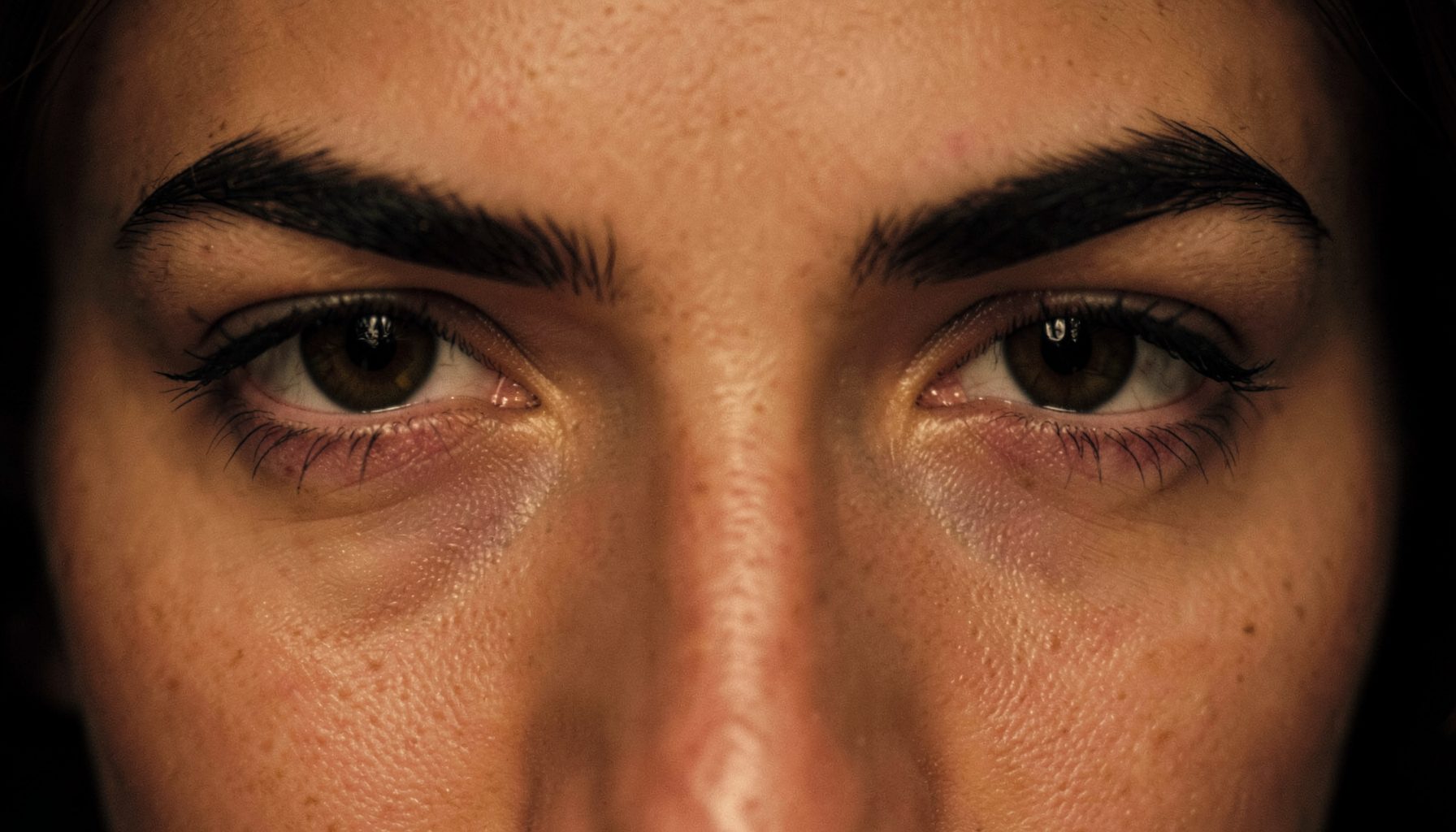
Eye Shape Guide
Understand your eye shape, master makeup techniques, and explore every treatment option — from Botox brow lifts to surgical solutions.
Explore the Site
Eyeshadow placement, blending techniques, and common mistakes to avoid for a more open, lifted look.
Explore →Winged liner, smudge prevention, and techniques that work with hooded lids to make eyes appear larger.
Explore →Non-surgical Botox brow lifts and surgical options including blepharoplasty, explained clearly.
Explore →Five false lash styles suited to hooded eyes, plus curler and mascara guidance for maximum lift.
Explore →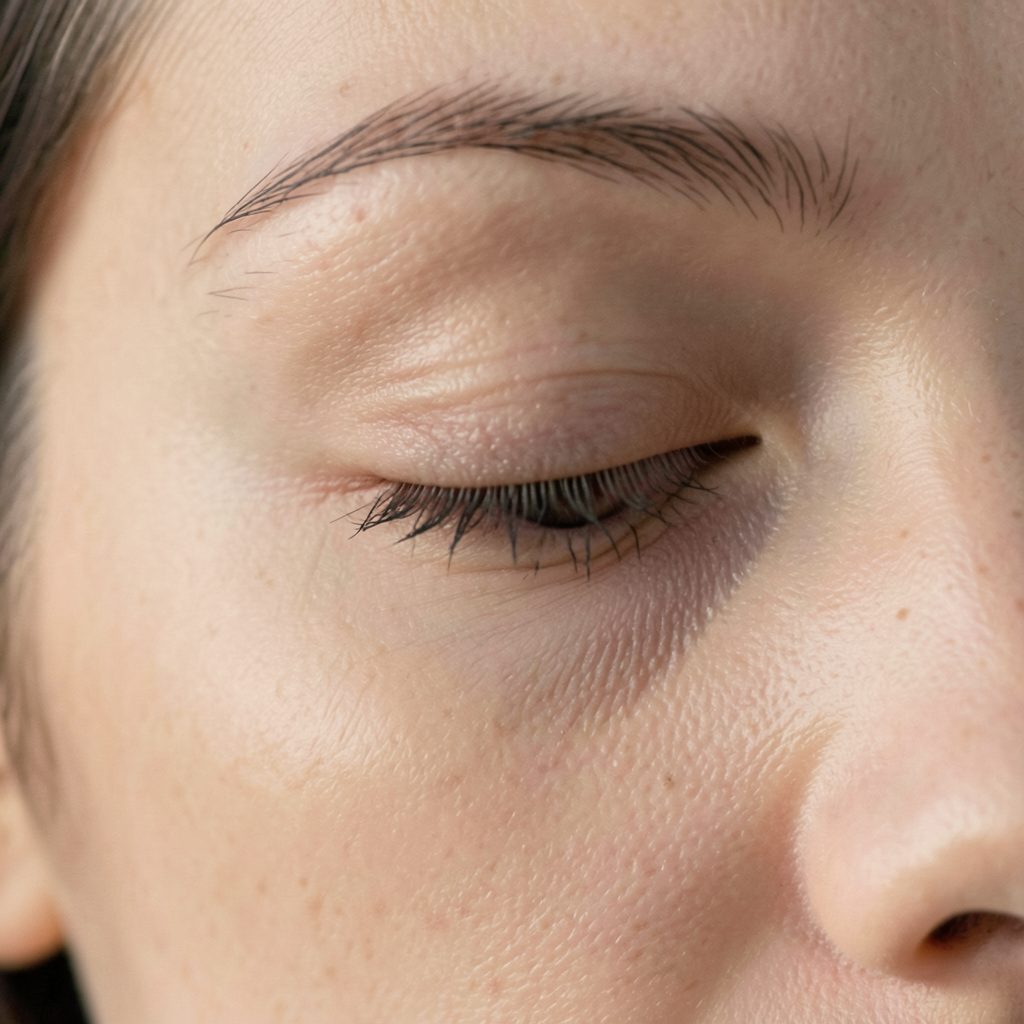
What Are Hooded Eyes?
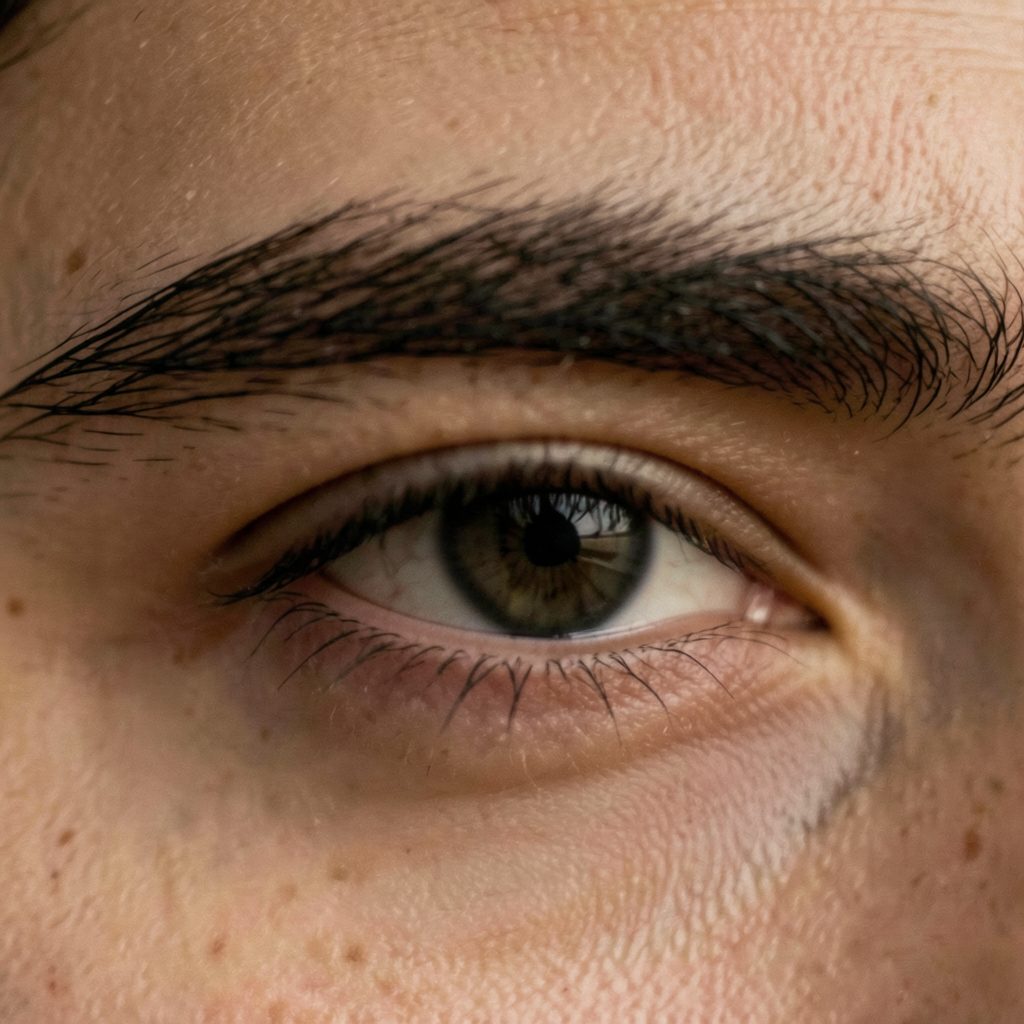
Hooded eyes are a natural eye shape where an excess piece of skin from the brow bone partially or completely covers the eyelid. The result can make eyes appear smaller or more tired than they feel.
This shape can be present from birth due to genetics, or it can develop over time. Known causes include aging, genetic traits, eye rubbing, body fatness, muscle structure, trauma, solar radiation, and sleep apnea.
Hooded eyes can make eyeliner, shadow and mascara feel like a test of skill because the upper lid folds over part of the mobile eyelid. Learning how to create a double eyelid look without surgery or tape starts with proportion: how much lid space shows, where the fold sits and which features need definition. The aim is a softly defined crease that remains natural in daylight, office lighting and photographs.
Start by identifying where the fold sits when your eyes are open, then work with cream or powder in thin layers. A warm matte brown is usually more forgiving than stark black on a pronounced hood, while a slightly deeper tone near the outer third can make the eye appear more lifted. The technique works best when the brow is supported, the lid is prepared and every product is placed with the open eye in view.
Not every hooded eye has the same cause. A monolid has little or no visible crease, whereas a hooded eye usually has a fold that hides part of the upper lid. Some lids look heavy because the brow has descended, some are naturally deep-set, and others combine fuller tissue with a low brow. Makeup can change appearance but cannot alter bone, muscle or skin. If the hood is new, markedly uneven, painful or affecting vision, arrange an assessment with a GP or optometrist before focusing on cosmetics.
Choose a result you can maintain rather than trying to copy a sharply cut crease that disappears when you blink. Keep the eye open while checking placement and compare both eyes, because natural hoods are rarely perfectly matched. If only a few millimetres of lid show, concentrate on definition below the fold and keep the area directly above it soft.
| Method | Visual result | Duration | Main limitation |
|---|---|---|---|
| Makeup | A blended optical crease with more visible lid space | Until removed | Requires careful placement on each eye |
| Eyelid tape | A temporary, more defined upper-lid fold | Several hours | Can irritate the skin and pull at the eyelid |
| Botulinum toxin brow treatment | Slight elevation of the brow and upper-lid area | Several months | A medical treatment with temporary or uneven results |
| Blepharoplasty | A reshaped upper-lid contour and potentially a more visible crease | Long-term | Involves surgery, recovery and clinical risks |
Some people have a natural crease that becomes hooded as the brow descends with age, while others have never had a pronounced crease. A lowered brow can make the upper eyelid look heavier than it really is. For a clear distinction between age-related brow descent and other causes, what brow ptosis means explains how brow ptosis relates to hooded eyes. Brow shaping may improve facial balance, but makeup cannot reposition a brow that has genuinely dropped.
Botox brow lifts and blepharoplasty address different issues. Botulinum toxin may reduce brow movement and lift the brow slightly, but it does not manufacture an eyelid crease and its effects are temporary. Blepharoplasty can alter tissue and change the lid contour, yet it carries risks such as swelling, asymmetry, dry eye and revision surgery. In Australia, botulinum toxin is a prescription medicine regulated by the TGA, while practitioners must meet AHPRA registration requirements under the Health Practitioner Regulation National Law. Any cosmetic injectable should come with clear informed consent, aftercare instructions and a discussion of risks such as eyelid heaviness or brow asymmetry.
Begin with clean skin and a thin eye base. Remove old liner with a gentle cleanser, moisturise the orbital area and let it absorb before applying primer or concealer. Under-eye concealer should cover shadow rather than create a pale stripe across the lid, because a hooded eye magnifies any contrast. In Australia, daily UV exposure makes sun protection a sensible daytime habit; use a fragrance-free SPF product suited to the eye area and avoid piling incompatible creams directly on the eyelid.
The brow is the frame for the crease, so shape it before touching the lid. Brush out the hair, fill sparse tails with a soft brow pencil or pomade and hold the hairs with clear or tinted brow gel. Avoid a heavy, sharply angled arch, as it can make the eye look compressed when little lid space remains. A gentle lift through the tail of the brow balances the upper-lid shadow and often makes the eye look more open.
Conceal only what distracts you, such as stray shadow or redness at the inner corner. Use a small sponge or a clean fingertip to press the product onto the mobile lid without pushing it into the fold. Check from the side as well as straight ahead; anything sitting on the hidden part of the lid may transfer onto the visible crease when you blink. A little extra preparation is worthwhile because cream liner and cream shadow need a smooth, non-oily surface.
Use a matte or satin transition shade to suggest a crease above the natural fold. Place the deepest colour along the edge where the lid begins to disappear, then blend upward with a clean, slightly fluffy brush. Work with the eye half open and slightly lowered, rather than rolled up, because this shows where the colour will actually sit. The objective is a narrow band of definition, not a large block of colour.
Add depth with a deeper warm brown or soft taupe in the outer third, angled just beyond the outer corner without extending too far. Lightly shade the inner corner with a neutral tone to create balance, then place a restrained highlight under the brow bone rather than in the crease. Check the look in a mirror at arm’s length. If the shadow looks obvious when the eye is open, blend the upper edge until only a gentle gradient remains.
Shimmer needs particular care on a hooded eyelid because particles catch light at the fold and can make the eye look puffy. Keep shimmer below the crease or use it sparingly at the inner corner. For a more defined line, press a slightly deeper matte shade into the upper edge of the cut crease, then remove most of it with a brush. Cream shadows move more readily on a mobile lid, so set powder lightly with translucent powder where necessary. These products are widely available from Australian retailers such as Priceline, Chemist Warehouse, Myer and David Jones beauty counters, and local beauty supply stores.
Eyeliner should reinforce the visible lash line without competing with the shadow. A thin brown or dark taupe line tucked between the lashes can make the base look denser while remaining softer than black. For a defined style, use waterproof gel or liquid pencil in small strokes along the upper lash line. Stop before the inner tear duct to avoid irritation, and treat a wing as optional because it works best when there is enough visible lid space to carry it.
Build the lashes after the shadow has set. Clamp the upper lashes at the base, then curl from the root for a few seconds and apply mascara close to the roots without pressing the wand heavily onto the lid. Short sections of strip lashes can add lift where the lash line is sparse. Choose a wispy style and trim the sections to fit rather than using thick, long strips. Keep the first section of the band very close to the natural lashes, or the eye will look as though the lashes are sitting on top.
Darkening the lower lashes can support a subtle look, but use only a small amount and blot the wand against the tissue first. Waterproof mascara is useful in humid conditions in Brisbane and Sydney and during windy days in Melbourne, where one blink can undo a carefully placed line. Do not share mascara or eye pencils, and replace mascara every three months. Remove the evening makeup with a cleanser rather than rubbing the lid, since repeated friction can encourage irritation and post-inflammatory pigmentation.
Choose one warm mid-brown matte transition shade and one slightly deeper brown for the outer corner.
Trace the visible upper lash line with waterproof liner, keeping the line thin and the inner corner clear.
Press a narrow strip of wispy lashes into the centre of the upper lash line, then curl and set with mascara.
Brush the brow hairs upward and hold them with a flexible clear gel to create lift without a rigid outline.
Check the placement with the eye open, blending any harsh edge before adding another layer.
Remove eye makeup gently at night and replace mascara regularly to reduce irritation and eye-infection risk.
A repeatable routine takes less time than it first appears. On a workday, use a cream-to-powder shadow method, a brown pencil, one lash-gel step and clear brow gel. Save more detailed blending for when you want a defined crease for an event. Photograph the finished look in the same lighting you will encounter during the day, because phone cameras often show shadows differently from mirrors.
Adapt the placement rather than adding more product. If the lid is very deep-set, keep the crease line close to the fold and use definition at the lash line. If the hood is pronounced, concentrate on a clean lower lash line and balanced brows. If one eye is more hooded, use less shadow on that side. The most convincing result is usually the one that remains balanced while the eye moves and blinks.
Reading about anatomy can help you judge which products suit your own lid shape. The site's about page describes the guide’s approach and the kinds of hooded-eye questions it covers, while individual anatomy still determines which technique will look best. Use photographs over several days to track how the crease changes with brow position, sleep, lighting and application rather than judging the look for only a few seconds.
Choose four essentials today: a warm matte brown shadow, a deeper corner shade, a waterproof brown liner and a clear brow gel. Practise the same placement for five minutes each morning, then adjust one small step at a time. Once the shadow, liner and lashes agree with each other, the finished effect should look more open without requiring tape, adhesive or a permanent procedure.
Surgical Option
For those seeking a more lasting result, plastic surgery — including blepharoplasty — is covered as a treatment option for hooded eyes. Surgery addresses the excess skin directly and is considered an alternative to non-surgical approaches like Botox.
The site's surgery guide explains the procedure, what to expect, and how it compares to non-surgical routes, helping readers make informed decisions about their options.
Read the Surgery Guide →Famous Faces
Hooded eyes can enhance facial expressions and contribute to a distinctive, memorable look. These ten well-known figures all share the eye shape.
Jennifer Aniston
Leonardo DiCaprio
Solange Knowles
Taylor Swift
Michelle Williams
Robert Pattinson
Blake Lively
Selena Gomez
Gigi Hadid
Benicio del Toro
Side by Side
False Lash Guide
Varied length spikes create texture and the illusion of depth without weighing down the lid.
Longer outer-corner lashes draw the eye outward and upward, counteracting the hood effect.
A uniform, moderate length that adds definition without overwhelming a hooded lid.
Applied only to the outer half, these open up the eye shape and are easier to manage on hooded lids.
A strong upward curl (D or L curl) lifts lashes away from the hood, keeping them visible throughout the day.
The guide also covers lash curlers, mascara recommendations, and step-by-step instructions for fixing false lashes on hooded eyelids.
Full Lash Guide →Get in Touch
Whether you are just beginning your makeup journey or have been experimenting with different looks for years, we are glad you are here.
General Feedback
Share your thoughts on the site or suggest topics you'd like covered.
Looking for a Specific Tip?
Ask about a particular technique or eye-shape challenge.
Product Questions
Questions about products mentioned across the site.
Human Resources or Business Inquiries
Partnership, collaboration, or business-related correspondence.