01
Makeup Tips
Eyeshadow placement, blending techniques, and common mistakes to avoid for a more open, lifted look.
Explore →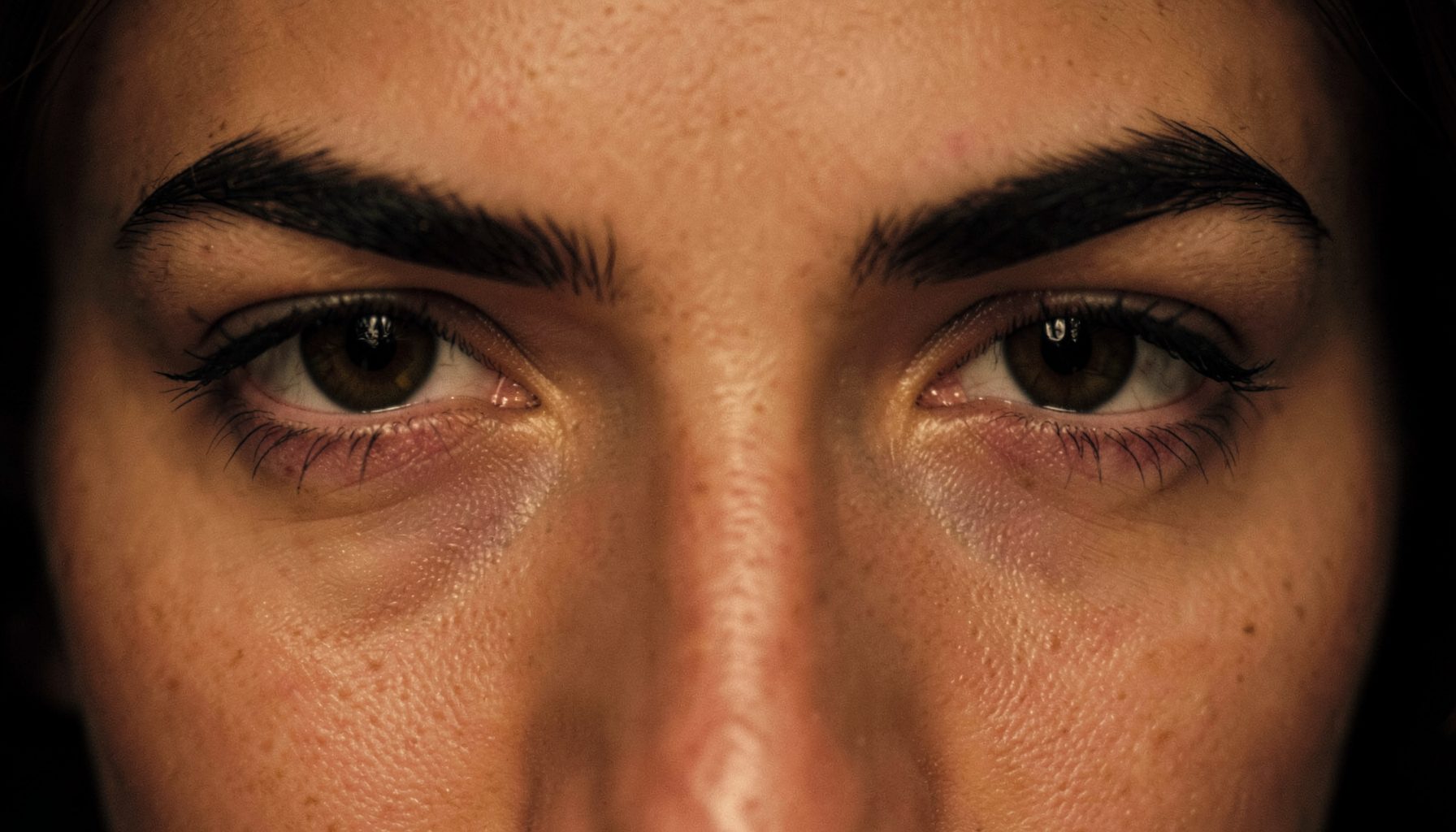
Eye Shape Guide
Understand your eye shape, master makeup techniques, and explore every treatment option — from Botox brow lifts to surgical solutions.
Explore the Site
Eyeshadow placement, blending techniques, and common mistakes to avoid for a more open, lifted look.
Explore →Winged liner, smudge prevention, and techniques that work with hooded lids to make eyes appear larger.
Explore →Non-surgical Botox brow lifts and surgical options including blepharoplasty, explained clearly.
Explore →Five false lash styles suited to hooded eyes, plus curler and mascara guidance for maximum lift.
Explore →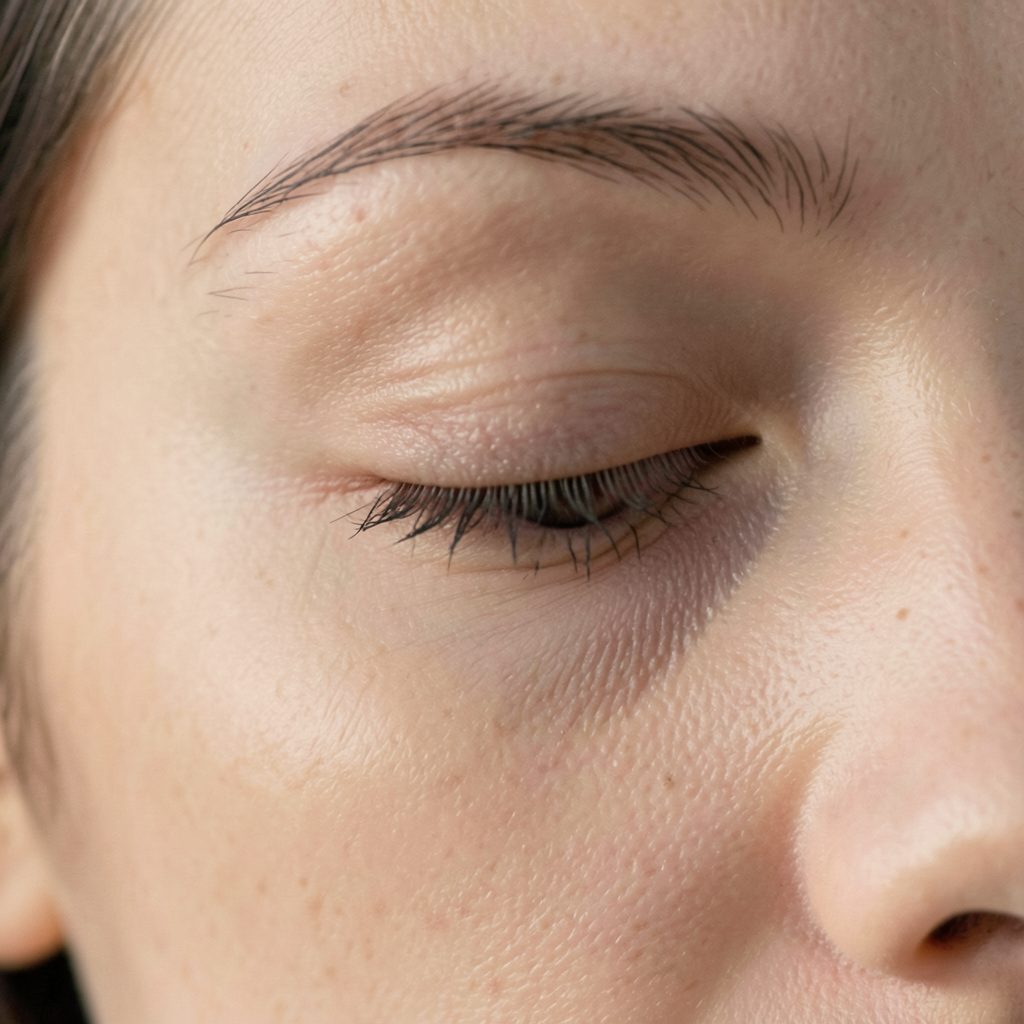
What Are Hooded Eyes?
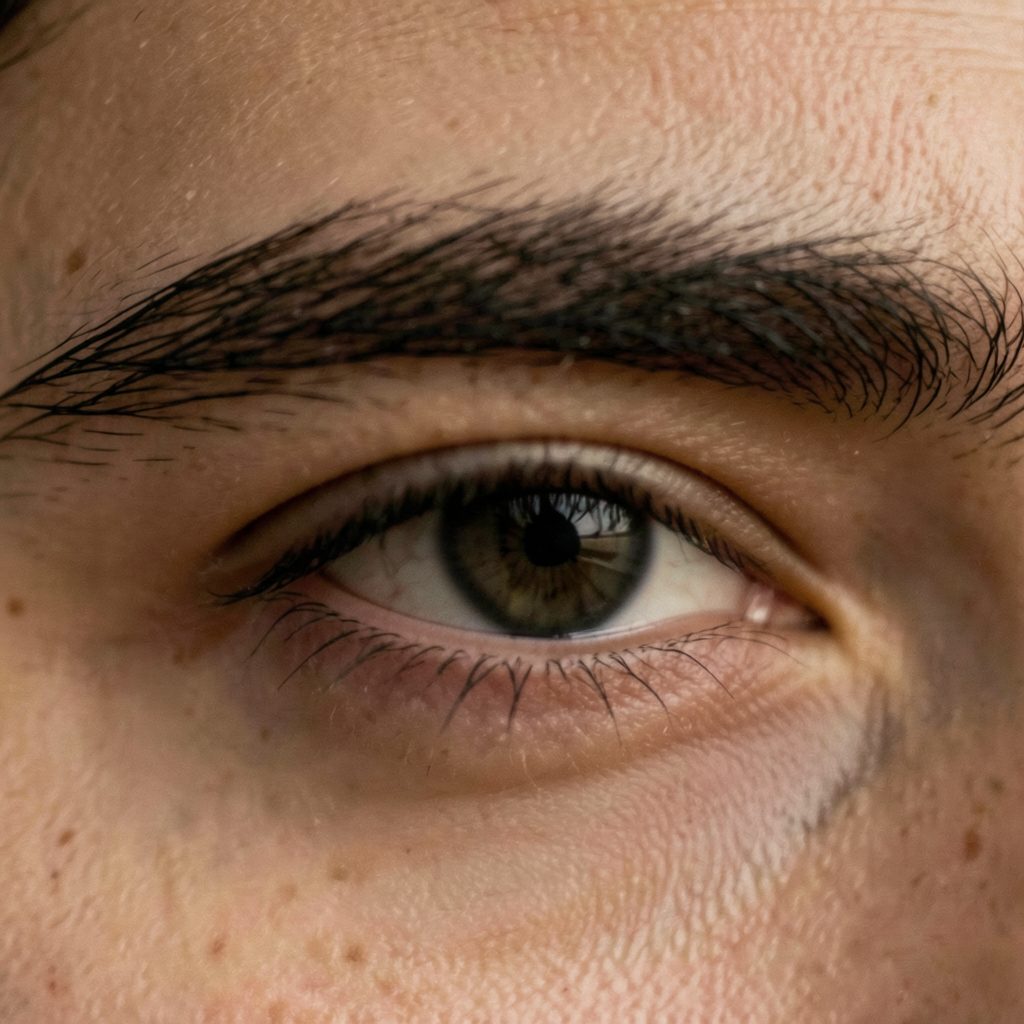
Hooded eyes are a natural eye shape where an excess piece of skin from the brow bone partially or completely covers the eyelid. The result can make eyes appear smaller or more tired than they feel.
This shape can be present from birth due to genetics, or it can develop over time. Known causes include aging, genetic traits, eye rubbing, body fatness, muscle structure, trauma, solar radiation, and sleep apnea.
A hooded eye is defined less by the shape you draw above it than by how the upper eyelid sits over the eye socket. A soft fold can hide most of the crease, leaving you with less visible lid space and a smaller-looking eye. When you’re choosing a brow, that difference matters: the right shape can make the eye seem more open and balanced without trying to change the eyelid itself.
How to choose the right eyebrow shape for hooded eyes is therefore less about copying a trend and more about proportion. Your brow start, arch and tail work with the visible space beneath them. A shape that suits a round face but sits badly against your brow bone can make a hooded eye look heavier. This guide explains the details worth checking before you book a shaping appointment or buy a pencil.
Australian conditions add a practical layer to the decision. Humidity, saltwater and strong sun call for flexible brow products and reliable lashes, while brow-threading appointments and cosmetic clinics operate within a market where prices are quoted in Australian dollars and medical credentials can be checked. The goal is a shape you can recreate at home and still feel happy with on a hot, bright day.
Start by separating an eyebrow shape from an eyelid characteristic. In a hooded eye, upper-lid skin overlaps the crease and may cover part of the iris when you look straight ahead. The hooded eye meaning explains how this anatomy differs from downturned eyes, deep-set eyes and other eye shapes. Knowing the distinction stops you from using heavy liner or a sharply angled brow to solve a problem that actually sits below the brow.
The fold can be inherited, linked to the structure of the brow bone and surrounding fat, or become more noticeable with age. It can also look different depending on your expression, the angle of your head and the light. Keep photographs of your eyes open and relaxed rather than judging your shape from a selfie taken with your eyebrows deliberately raised. A sudden change, or one eyelid covering more of the iris than the other, deserves a medical assessment rather than a new brow shape.
No single brow shape will open every hooded eye. Your best choice depends on where the hair naturally begins and ends, how much space sits between the brow and crease, and whether you want to emphasise openness, definition or length. Think of the brow as a frame: it can direct attention towards the visible part of the eye, but it cannot create lid space that is not there.
Find your natural brow position before choosing an arch. Sit or stand upright and look straight ahead, then note the distance between the top of your brow and the bony rim above the eye. The rim may not be easy to see beneath the fold, so ask an experienced brow artist to assess it from the front and side. If the brow itself sits low, filling all the space between it and the crease may reinforce a heavy appearance.
Australian beauty salons, including those around Bondi Junction, Chadstone and Rundle Mall, commonly map brows before waxing, threading or tinting. A good consultation should check facial proportions, not simply measure a “standard” distance. Ask what the artist can maintain within your natural growth pattern and request a pencil outline you can examine before anything is removed.
Check the beginning, middle and tail separately. The inner edge should not drift too far towards the nose, because a narrow inner brow can make the eyes appear closer together. The tail should follow the general line of your eye rather than dropping far below it. A gentle arch can add visible lift, but an exaggerated curve may pull attention away from the eye and look out of place when your expression changes.
A softly defined arch is often the easiest place to start, especially if your brow has some natural curve. Let the inner section stay relatively straight, rise gradually through the middle-to-outer section and finish with a tail that is clear rather than sharply peaked. This creates a visual lift above the lid without pretending you have a high forehead or a deep crease.
Straight brows are not automatically wrong for hooded eyes. If your brows grow straight and your face proportions suit that line, a very subtle lift at the tail may be enough. Conversely, a high arch can look striking on a hooded eye, but it needs enough hair density to support it and a careful transition at the front. If the top of the arch has no hair to fill it, the result can look thin and unfinished.
Treat face shape as a supporting clue, not a rulebook. A restrained arch can add length to a rounder face; a softer curve can balance a stronger jaw; and fuller inner sections can help a longer face feel more harmonious. Match the brow to the eye and brow bone first, then to the rest of the face. If the finished outline leaves your eye looking a bit flat, adjust the tail before adding more colour. The easiest shape to maintain will usually look better than a theoretically ideal outline you cannot keep tidy.
Once the outline is right, keep the filling light enough that the eye still reads as open. Avoid creating a solid block of colour directly above the crease, and don’t stretch the brow tail so far that the space beneath it disappears. A fine brow pencil can sharpen the lower edge, while brow gel keeps stray hairs in place without adding the weight of another layer of colour.
For eyeliner, a thin upper line with a small outward flick can reinforce the lift created by the brow. Follow the lash line rather than trying to trace a crease you cannot see, and check the result with your eye fully open. On the lower eye, a soft brown line or a carefully applied waterline can add definition without taking up visible lid space. Skip heavy lower-lash colour if it makes the eye look compressed.
Eyeshadow requires the same respect for the visible area. This disappearing crease techniques guide explains how to keep a soft wash of colour on the mobile lid while placing depth where it will remain visible. Matte or satin shades in a light-to-mid tone usually work well; strong sparkle can emphasise the fold rather than disappear into it. Finish with a defined brow edge so the upper frame remains distinct.
Brow shaping, tinting and medical treatment solve different problems. Waxing or threading removes hair; tint changes colour and can make a sparse outline easier to see; brow-lift injectables such as botulinum toxin temporarily affect the muscles that help position the brow. None creates more eyelid space on its own. A surgeon may discuss blepharoplasty when excess upper-lid tissue is the main concern, while a brow lift addresses the position of the brow itself.
In Australia, ask who will perform each procedure and check their registration with AHPRA, the Australian Health Practitioner Regulation Agency. Cosmetic injectables are widely marketed in Sydney, Melbourne, Brisbane and Adelaide, often under terms such as “brow lift” or “hooded eye refresh,” but the technique and outcome are not interchangeable. Request an itemised quote in Australian dollars, including follow-up, and establish whether a consultation is separate from treatment. Medicare generally does not rebate elective cosmetic work; blepharoplasty may be assessed differently when a specialist documents a functional visual impairment.
Preparation and aftercare depend on the chosen treatment, so follow the clinician’s instructions about medications, makeup and cleansing. Common temporary effects include redness, bruising, swelling and temporary asymmetry. Less common risks can include eyelid drooping, infection, scarring, dry eye or altered sensation, so discuss your medical history and report any persistent discomfort promptly. A qualified clinician should explain what is likely, what is rare and what the plan is if the result is not what you expected.
Lashes complete the balance, especially if the brow has been lightened to suit your natural colouring. The hooded-eye lash guide compares curled, wispy and fuller styles that remain visible beneath a fold without crowding the eye. Choose length for the space you actually have, and test mascara for smudging in heat, sweat and salt spray. An eyelash curl used gently before mascara can lift the outer corners, but a heavy coat can weigh them down.
Try the complete look in more than one setting before committing to a permanent shape. Check it in daylight, under office lighting and after a few hours in the Australian sun, since pale shimmer and fine brow hairs can behave differently outdoors. A brow that looks sharp under salon lighting but too faint at brunch may need a slightly stronger pencil tone, not a dramatically different outline.
Start with one clear goal: a more open-looking eye, better brow definition or a balanced arch that suits your face. Bring your photos, note any allergies and ask the brow artist or clinician to explain how the result will look as your natural movement and hair growth change. Book a considered shaping consultation, choose the outline you can comfortably maintain, and leave with a look that makes your eyes look brighter without looking overdone.
Surgical Option
For those seeking a more lasting result, plastic surgery — including blepharoplasty — is covered as a treatment option for hooded eyes. Surgery addresses the excess skin directly and is considered an alternative to non-surgical approaches like Botox.
The site's surgery guide explains the procedure, what to expect, and how it compares to non-surgical routes, helping readers make informed decisions about their options.
Read the Surgery Guide →Famous Faces
Hooded eyes can enhance facial expressions and contribute to a distinctive, memorable look. These ten well-known figures all share the eye shape.
Jennifer Aniston
Leonardo DiCaprio
Solange Knowles
Taylor Swift
Michelle Williams
Robert Pattinson
Blake Lively
Selena Gomez
Gigi Hadid
Benicio del Toro
Side by Side
False Lash Guide
Varied length spikes create texture and the illusion of depth without weighing down the lid.
Longer outer-corner lashes draw the eye outward and upward, counteracting the hood effect.
A uniform, moderate length that adds definition without overwhelming a hooded lid.
Applied only to the outer half, these open up the eye shape and are easier to manage on hooded lids.
A strong upward curl (D or L curl) lifts lashes away from the hood, keeping them visible throughout the day.
The guide also covers lash curlers, mascara recommendations, and step-by-step instructions for fixing false lashes on hooded eyelids.
Full Lash Guide →Get in Touch
Whether you are just beginning your makeup journey or have been experimenting with different looks for years, we are glad you are here.
General Feedback
Share your thoughts on the site or suggest topics you'd like covered.
Looking for a Specific Tip?
Ask about a particular technique or eye-shape challenge.
Product Questions
Questions about products mentioned across the site.
Human Resources or Business Inquiries
Partnership, collaboration, or business-related correspondence.