01
Makeup Tips
Eyeshadow placement, blending techniques, and common mistakes to avoid for a more open, lifted look.
Explore →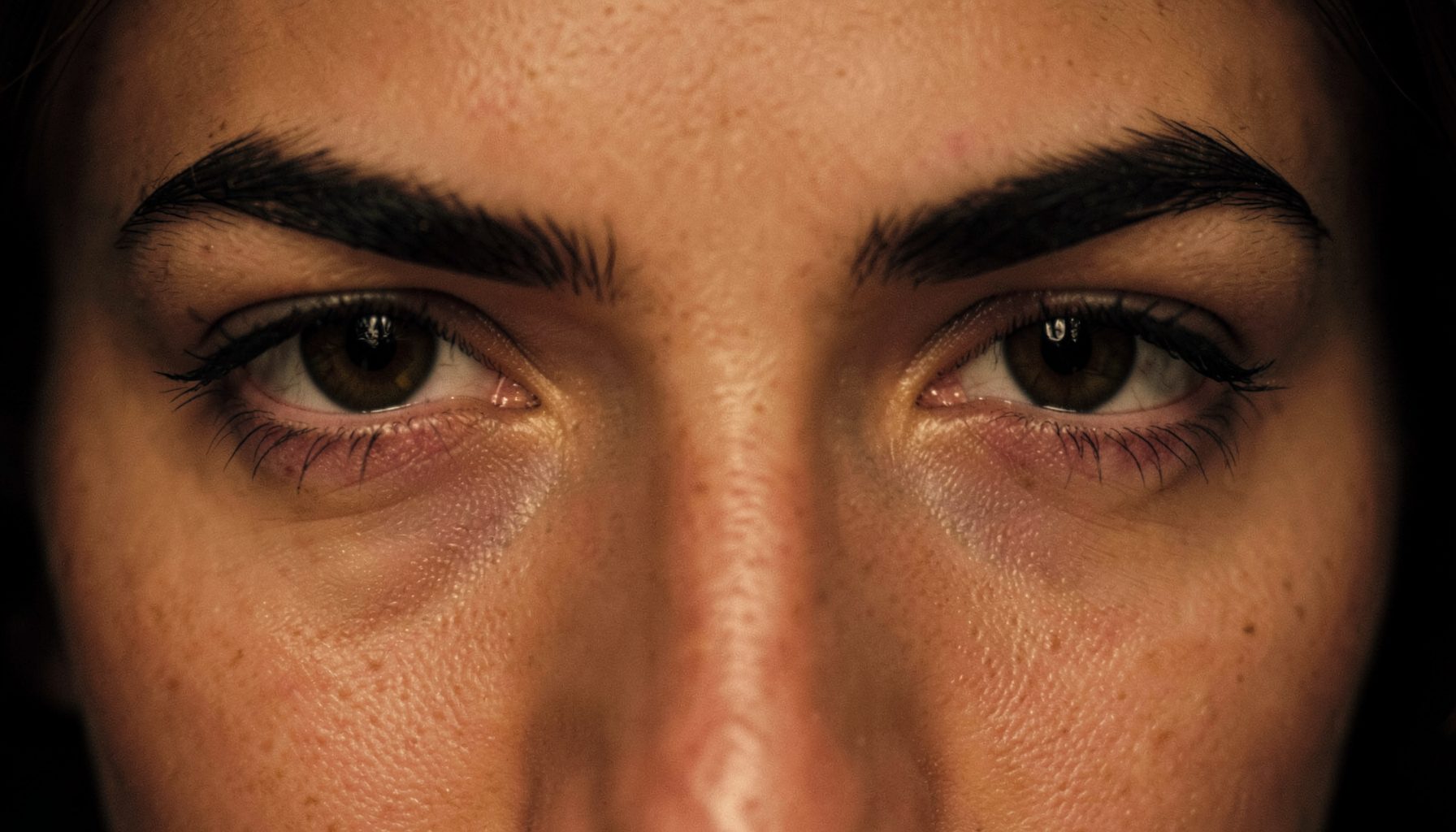
Eye Shape Guide
Understand your eye shape, master makeup techniques, and explore every treatment option — from Botox brow lifts to surgical solutions.
Explore the Site
Eyeshadow placement, blending techniques, and common mistakes to avoid for a more open, lifted look.
Explore →Winged liner, smudge prevention, and techniques that work with hooded lids to make eyes appear larger.
Explore →Non-surgical Botox brow lifts and surgical options including blepharoplasty, explained clearly.
Explore →Five false lash styles suited to hooded eyes, plus curler and mascara guidance for maximum lift.
Explore →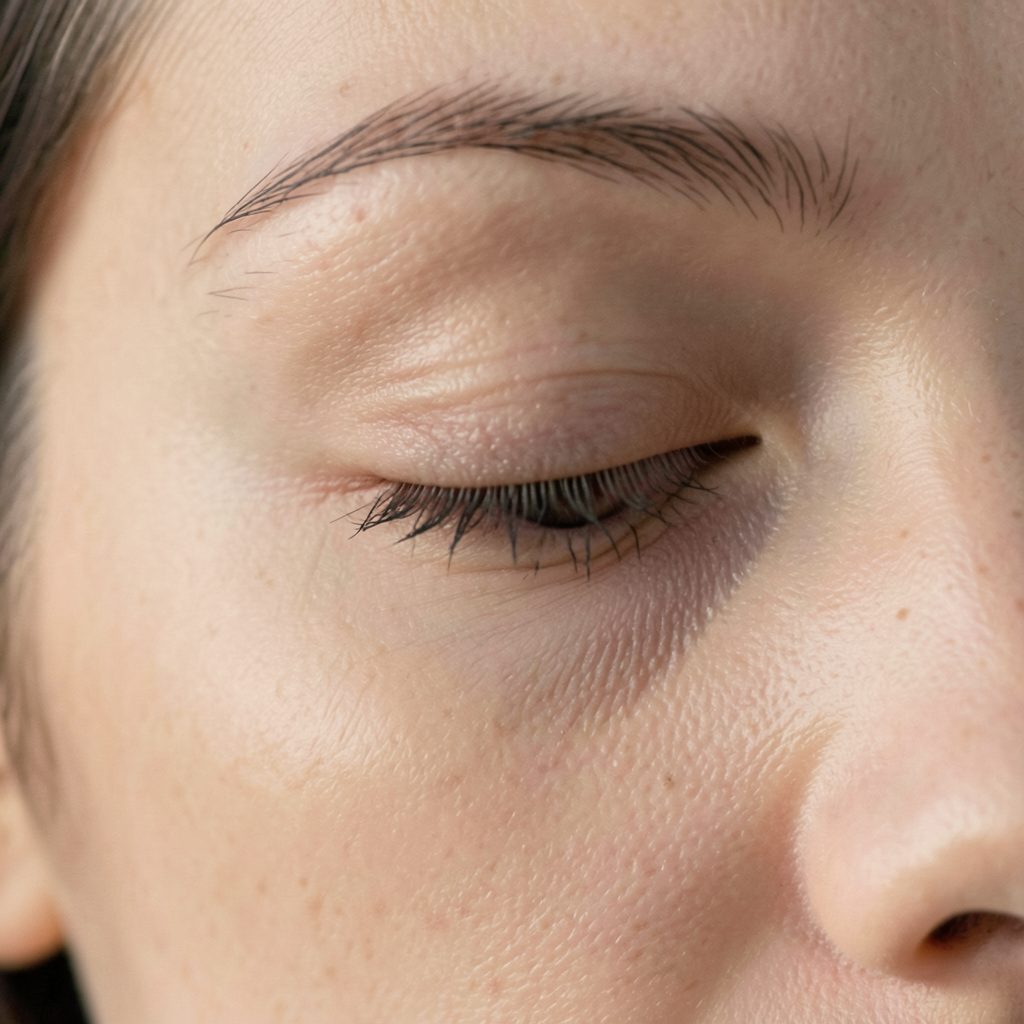
What Are Hooded Eyes?
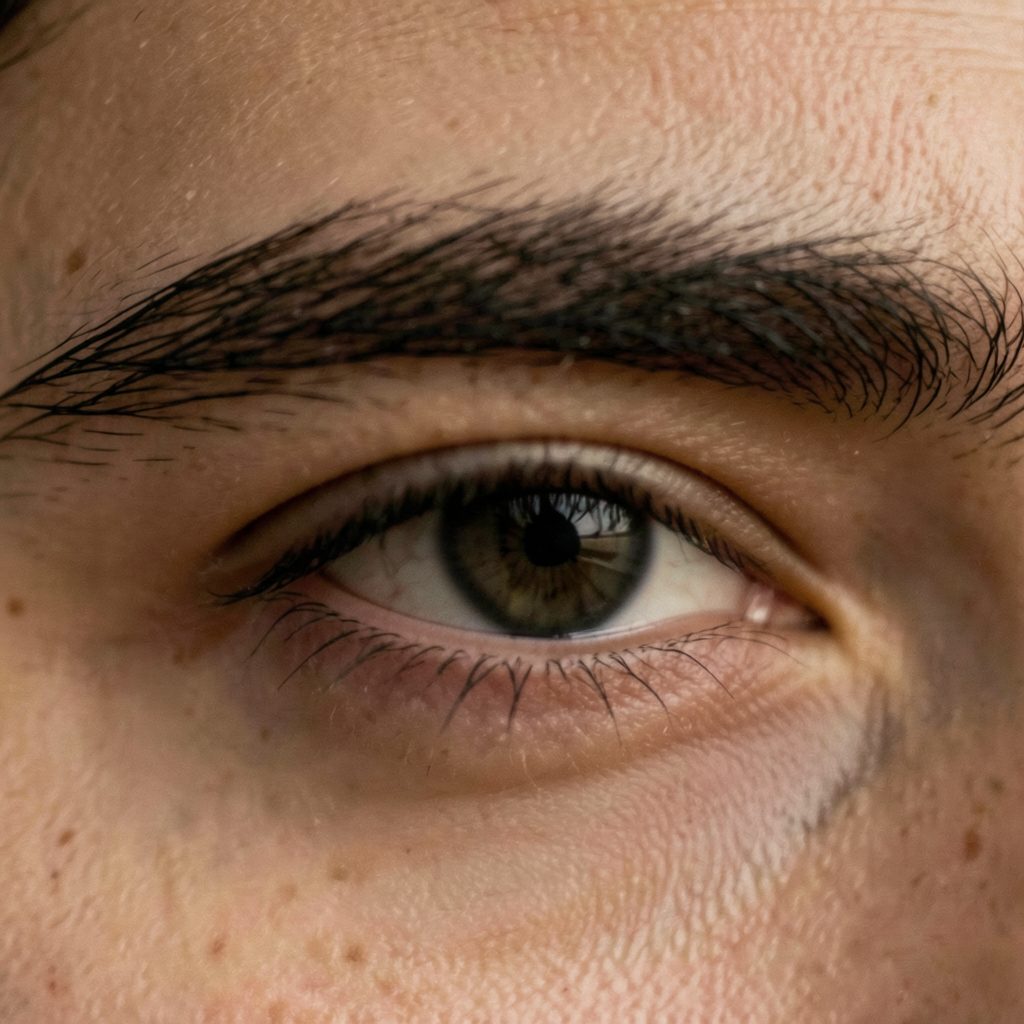
Hooded eyes are a natural eye shape where an excess piece of skin from the brow bone partially or completely covers the eyelid. The result can make eyes appear smaller or more tired than they feel.
This shape can be present from birth due to genetics, or it can develop over time. Known causes include aging, genetic traits, eye rubbing, body fatness, muscle structure, trauma, solar radiation, and sleep apnea.
Mature hooded eyes and crepey skin ask for a lighter hand than a conventional crease-based tutorial. The visible lid space is often smaller, while fine lines can catch powder or make a sharp wing look heavy. The goal is to create depth where the upper lid folds into the brow bone, then return softness and light to the mobile lid without pretending either feature has disappeared.
Ageing, genetics, sun exposure and changes in fat support can all contribute to a heavier or less defined fold. Crepey skin describes a thin, finely wrinkled texture that may feel dry and lose snap-back. It can sit over the lid, at the outer corner, or beneath the eye, and each area needs a different amount of product.
Makeup cannot restore lost structural support, but it can make the eye look more open and balanced. A brow lift or blepharoplasty may suit some people when skin laxity is the main concern. In Australia, those choices sit within a regulated cosmetic-medical market, so informed advice and realistic expectations matter as much as colour placement.
Upper eyelid hooding means the skin fold covers part of the mobile lid, so the usual visible crease may be hard to find. A round or deep-set eye generally shows more lid, while a hooded eye has less forward-facing surface. Comparing those shapes prevents you from copying a placement that lands in the fold and immediately makes the eye look smaller.
Crepey skin is often thin, dry and finely lined, with less elastic support around the lid and outer corner. Sun exposure can add to this texture, and makeup tends to emphasise it wherever product gathers. Repeated rubbing, long-wear formulas and aggressive cleansing can make the surface look rougher between applications.
A hooded eye anatomy guide can help identify the fold, visible lid and orbital area before colour is added. Australian UV levels make daily sun protection part of the routine: broad-brimmed hats, sunglasses and sunscreen used every day help limit further photoaging around this delicate region.
Cleanse gently, then moisturise the orbital area with a formula suited to dry skin and allow it to absorb. Follow with a thin eye primer rather than a thick mask over the entire lid. Silicone-heavy primers can pill on some fine-textured lids, so test a small amount and keep application featherlight.
Correct dark circles selectively, avoiding a heavy layer that can settle into lower lines. Conceal only the area needing coverage, blend with a fingertip or small brush, and press rather than drag. On deeper skin tones, choose a correction shade carefully because an opaque peach tone can become visible against the under-eye.
Set only where shine appears, using a small amount of translucent or skin-toned powder. A matte base helps colour stay put, but baking the whole eye with loose powder can exaggerate crepey texture. You can find primers, concealers and brushes at Priceline, Chemist Warehouse and department-store beauty counters, usually priced in Australian dollars.
Choose a medium matte transition shade that is slightly deeper than the brow bone, then place it above the visible fold where the lid meets the orbital area. Cocoa, soft espresso, muted plum and warm terracotta can create depth on many complexions. Avoid a near-black crease shade, which may swallow the eye and cast a shadow beneath the fold.
Use the brow bone as a guide rather than searching for a sharply defined crease. Look straight ahead, identify the soft boundary above the lid, and blend upward with a small fluffy brush. A gentle cut-crease effect can be made by pressing the transition shade there and diffusing its edge; a hard line will emphasise wrinkles and hooding.
Add a soft satin or pearlescent shade only to the mobile lid and inner corner, using a patting motion that does not pull the skin. Fine shimmer catches light without the heavy glare of chunky glitter or foil. The comparison in Blake Lively’s hooded eyes illustrates how balanced placement can look lifted even when the natural crease remains hidden.
Under the eye, use a small amount of light, soft-matte shade directly beneath the lashes and blend it before it reaches the crease. A little warm highlight at the inner corner can counter the shadow created by hooding, but avoid a bright strip that looks separate from the lid. On deeper skin, plum or rose tones often brighten without turning grey.
Keep liner thin and place it close to the upper lash line, following the eye’s existing direction. A soft brown or charcoal pencil gives definition without the graphic edge of a thick wing, which can disappear into a fold or make a small eye look crowded. Trace with short, light strokes rather than one long drag.
Extend the outer end only slightly, testing the wing while your head is upright. Never pull the lid downward to draw it, because that changes the angle and can cause the line to sit differently once released. On mature crepey eyelids, a short flick often reads better than a long, sharply extended one.
Water-resistant formulas can help in humid weather, though they may need more careful removal around the eye. Avoid lining the lower waterline, particularly with contact lenses, and do not assume waterproof means transfer-proof. A little smudged definition beneath the outer lashes is usually more flattering than a heavy lower-lash line.
Give the brow a clean, softly defined shape, since it frames the visible lid. Fill only genuine gaps, keep the tail restrained and avoid creating an exaggerated high arch over a drooping outer brow. A wax or tint can add definition, while a spoolie blends powder into the hairs so the result does not look drawn on.
Use a clean eyelash curler and curl from the base upward in gentle pulses; do not clamp hard at the roots. Lengthening mascara usually gives a more open effect than several thick coats, and a black or dark brown shade should be chosen according to the contrast of your lashes. Keep the wand at the roots, then wiggle upward while it is still slightly wet. Replace mascara every three months, especially after an eye infection.
Skip heavy mascara beneath the lower lashes if you have dark circles or strong tear sensitivity, because flakes can make the area look bruised. Australian salon menus often list a lash lift or a “brow tidy”; both can be useful, but check product ingredients and aftercare if you have sensitive eyes or a history of reactions.
Botulinum toxin brow lift can be useful when a mild hooded appearance is partly driven by overactive brow depressors. It relaxes selected muscles rather than removing skin, so results depend on anatomy and may take several days to settle. Improvement is temporary, often measured in months, and a lift cannot create a missing eyelid crease.
Common temporary effects include headache, brow heaviness or asymmetry; eyelid droop and visual symptoms are less common but require prompt medical advice. Before treatment, disclose blood thinners, neuromuscular conditions, pregnancy and previous injectables. Follow the clinician’s aftercare, including avoiding rubbing or strenuous activity if advised. In Australia, cosmetic Botox is generally elective and does not attract a Medicare rebate; check that the injector is an appropriately trained professional registered with AHPRA.
Blepharoplasty is a surgical option when excess upper-lid skin is the dominant concern. It can remove skin and sometimes adjust protruding fat, but scarring, dryness, altered eyelid position, asymmetry, numbness and infection are possible. If the brow itself has descended, surgery may need to address brow position as well. Seek a surgeon registered with AHPRA and listed with the Australasian Society of Plastic Surgeons; an ophthalmic assessment is sensible if vision, eyelid closure or tearing is already an issue.
Preparation includes a medical history, medication review, photographs and discussion of the brow’s position, not only the eyelid. Ask before stopping any prescribed medicine. After surgery, follow the surgeon’s advice about contacts, makeup, eye drops and cold compresses, and seek urgent care for worsening pain, visual changes or a persistently hot, red eye.
The most reliable look is built in a repeatable sequence rather than layered in a different order each time. Before an event, check the result in daylight, bathroom light and phone photos; overhead light often hides the lid, while a low angle can exaggerate it. The practical advice in hooded eye selfie tips is especially useful for checking balance without pulling the skin.
Adapt the palette rather than adding more product. If the lid looks flat in photographs, shift the transition shade slightly upward; if the eye looks bruised, reduce the depth and brighten the inner corner. For long daytime wear, use smaller amounts and choose a primer and powder that have been tested together, especially through a humid Brisbane afternoon or a changeable Melbourne day.
Start with the routine that suits your eye shape and book a shade-matching session at your preferred beauty counter. Keep a clear photo of the finished look for your next appointment; consistent placement, soft definition and daily skin care will support a comfortable, lifted-looking result.
Surgical Option
For those seeking a more lasting result, plastic surgery — including blepharoplasty — is covered as a treatment option for hooded eyes. Surgery addresses the excess skin directly and is considered an alternative to non-surgical approaches like Botox.
The site's surgery guide explains the procedure, what to expect, and how it compares to non-surgical routes, helping readers make informed decisions about their options.
Read the Surgery Guide →Famous Faces
Hooded eyes can enhance facial expressions and contribute to a distinctive, memorable look. These ten well-known figures all share the eye shape.
Jennifer Aniston
Leonardo DiCaprio
Solange Knowles
Taylor Swift
Michelle Williams
Robert Pattinson
Blake Lively
Selena Gomez
Gigi Hadid
Benicio del Toro
Side by Side
False Lash Guide
Varied length spikes create texture and the illusion of depth without weighing down the lid.
Longer outer-corner lashes draw the eye outward and upward, counteracting the hood effect.
A uniform, moderate length that adds definition without overwhelming a hooded lid.
Applied only to the outer half, these open up the eye shape and are easier to manage on hooded lids.
A strong upward curl (D or L curl) lifts lashes away from the hood, keeping them visible throughout the day.
The guide also covers lash curlers, mascara recommendations, and step-by-step instructions for fixing false lashes on hooded eyelids.
Full Lash Guide →Get in Touch
Whether you are just beginning your makeup journey or have been experimenting with different looks for years, we are glad you are here.
General Feedback
Share your thoughts on the site or suggest topics you'd like covered.
Looking for a Specific Tip?
Ask about a particular technique or eye-shape challenge.
Product Questions
Questions about products mentioned across the site.
Human Resources or Business Inquiries
Partnership, collaboration, or business-related correspondence.