01
Makeup Tips
Eyeshadow placement, blending techniques, and common mistakes to avoid for a more open, lifted look.
Explore →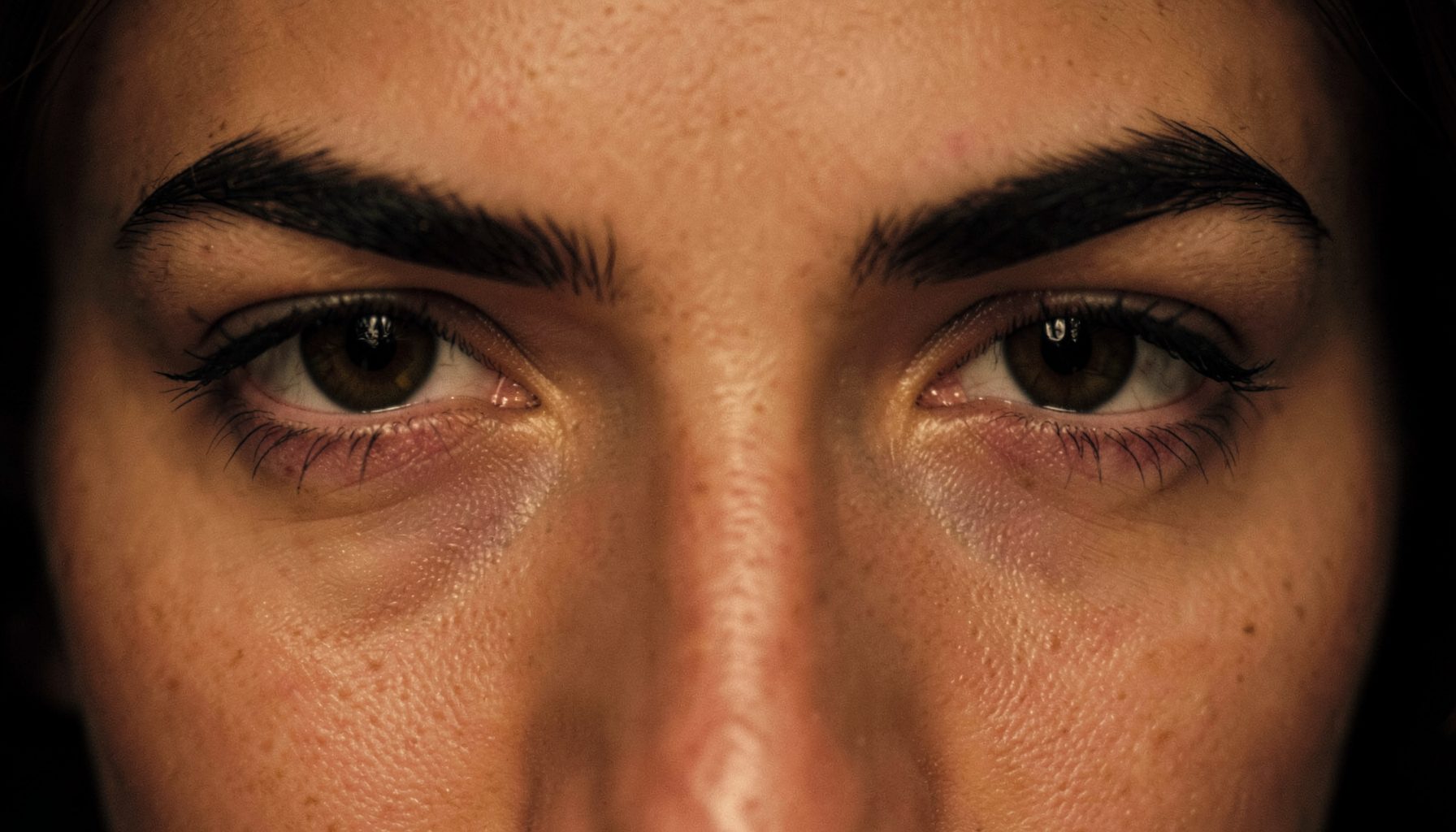
Eye Shape Guide
Understand your eye shape, master makeup techniques, and explore every treatment option — from Botox brow lifts to surgical solutions.
Explore the Site
Eyeshadow placement, blending techniques, and common mistakes to avoid for a more open, lifted look.
Explore →Winged liner, smudge prevention, and techniques that work with hooded lids to make eyes appear larger.
Explore →Non-surgical Botox brow lifts and surgical options including blepharoplasty, explained clearly.
Explore →Five false lash styles suited to hooded eyes, plus curler and mascara guidance for maximum lift.
Explore →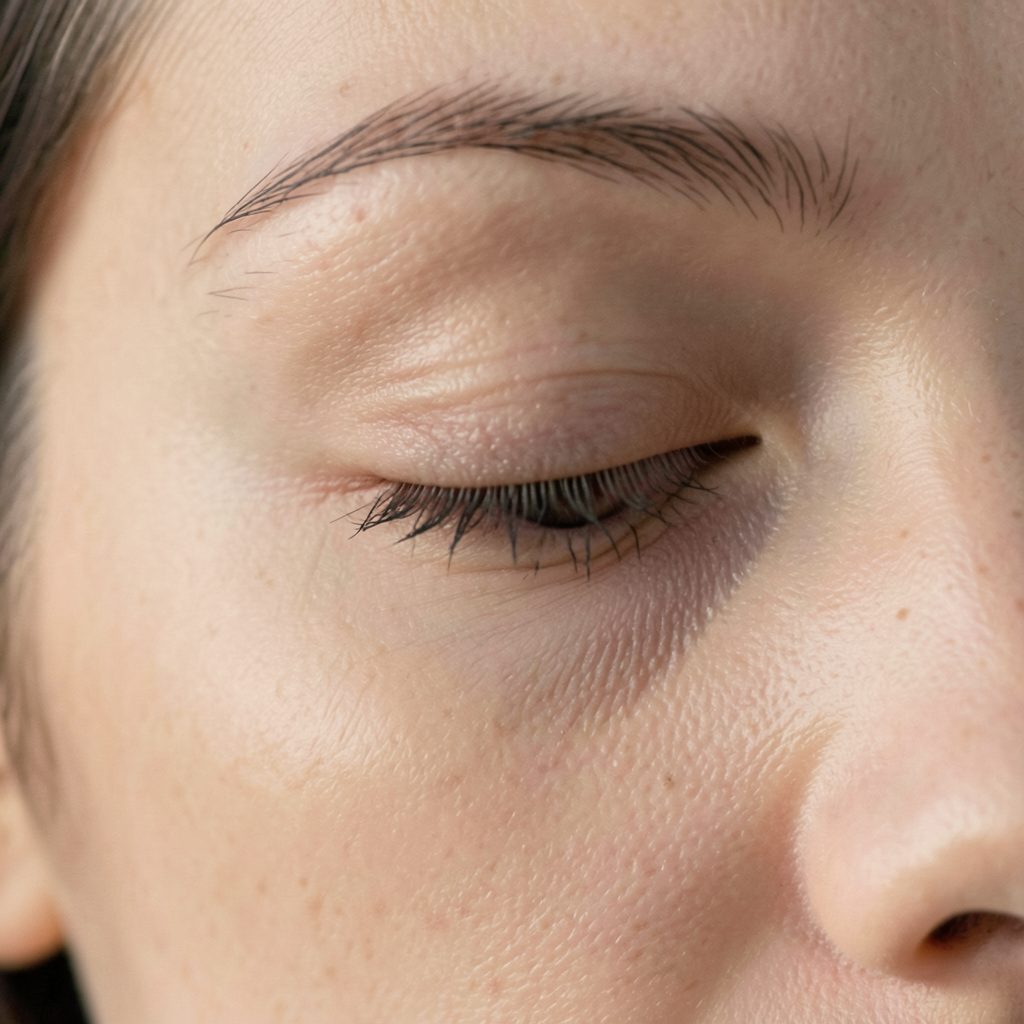
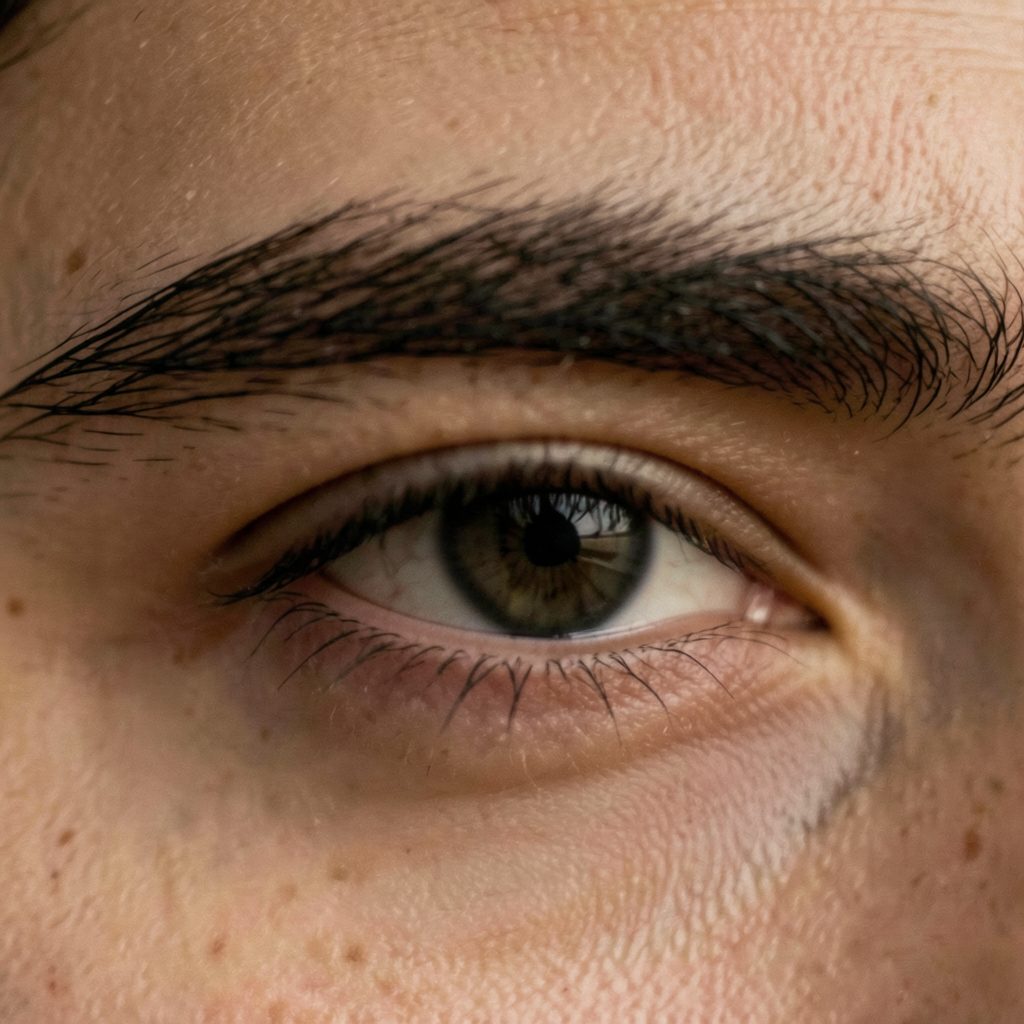
What Are Hooded Eyes?
Hooded eyes are a natural eye shape where an excess piece of skin from the brow bone partially or completely covers the eyelid. The result can make eyes appear smaller or more tired than they feel.
This shape can be present from birth due to genetics, or it can develop over time. Known causes include aging, genetic traits, eye rubbing, body fatness, muscle structure, trauma, solar radiation, and sleep apnea.
Hooded eyes happen when the upper eyelid skin sits lower than the visible crease, making the lid fold look softer or less defined. Age, inherited anatomy and brow position can all contribute, so a treatment that suits one person may be unnecessary or ineffective for another. Identifying which part of the anatomy creates the hooded appearance is the essential first step.
Comparing thread lifts vs Botox for temporary hooded eye correction requires looking beyond the immediate result. A thread lift physically repositions tissue, while Botox reduces the muscle pull that can hold the brow down. Neither reliably removes excess upper-lid skin or fat, and neither should be judged from a filtered before-and-after image alone.
A thread lift uses temporary threads, commonly made of polydioxanone, placed beneath the skin to create a mechanical lift. Barbed threads can grip tissue and encourage a collagen response, while smooth threads are generally used to support tissue or add subtle volume. For a hooded-eye appearance, an experienced practitioner may lift the brow or surrounding tissue rather than attempt to “open” the eyelid itself.
Botox brow lift treatment involves small injections into the glabellar muscles, particularly the corrugator and procerus. Relaxing these muscles can release the medial brow and sometimes create a subtle lift along the brow tail. The effect depends on muscle strength, brow position and facial anatomy. Botox cannot remove a heavy upper-lid fold, correct protruding fat or change the underlying bone.
The cause of the hooding matters. Age can make an existing fold more noticeable, while inherited hooded eye traits can establish a lower crease or deeper brow shadow from a younger age. A low brow may make the eyelid appear hooded even when there is relatively little excess skin.
Celebrity images of Bella Hadid or Zendaya are often cited for their lifted brow shape, but lighting, makeup and bone structure can create a similar effect without any procedure. Public photographs cannot establish whether a brow was changed with Botox, threads or natural anatomy alone.
A thread lift is usually performed under local anaesthetic through small entry points in the skin. The practitioner places and anchors the threads to reposition the selected tissue. Because the area sits close to the eyelid, muscles, nerves and blood vessels, precise depth and placement are essential. Upper-eyelid thread lifts should therefore be performed only by a clinician experienced in facial anatomy and this specific technique.
The lift can be visible immediately, although swelling and minor contour changes may settle over one to two weeks. Collagen formation may add gradual improvement during the following weeks, but the result still depends on tissue elasticity and the underlying cause of the hooding. Thread effects commonly last six to twelve months, sometimes longer, yet the duration varies considerably between patients and treatment areas.
Recovery is longer than that for Botox. Patients are commonly advised to keep the head elevated for the first night, avoid rubbing the area and limit strenuous exercise for several days. Facial massage, saunas and hot yoga should be postponed according to the clinician’s instructions. Australian summer heat can prolong swelling, while strong UV exposure makes careful use of broad-spectrum sunscreen and sunglasses especially important. Risks include dimpling, thread migration, visibility or extrusion, infection, bruising, asymmetry and nerve or vascular injury. Severe pain, pale or mottled skin, visual changes or signs of infection require urgent medical assessment.
A Botox brow lift is a non-surgical appointment involving a series of injections into carefully selected brow muscles. The dose is individual rather than fixed; factors such as forehead movement, brow position and the degree of previous treatment all matter. It is most useful when mild hooding is influenced by downward muscle pull and the eyelid itself has normal function.
Tiny bruising or swelling may appear where the needle enters the skin, but most people return to normal activities immediately. The brow begins to move more freely after several days, with the full effect usually visible at around two weeks. Results commonly last three to four months, although some patients retain an effect for up to six months. Muscle activity gradually returns as the botulinum toxin’s effect fades.
The main limitations are eyelid droop, brow heaviness, headache, double vision, asymmetry and temporary changes in expression. Rarely, botulinum toxin can affect muscles farther from the injection site. It should not be used during pregnancy or breastfeeding, and patients with neurological or neuromuscular conditions need a thorough medical assessment. If you are using cosmetics while deciding on treatment, the hooded eye makeup guide can help you understand how brow placement affects the visible lid fold.
Both treatments offer a temporary change and may produce a more open, defined appearance. The important distinction is whether hooding comes from a low or active brow or from excess upper-lid tissue. A clearer brow can create the illusion of a larger eye, but neither approach permanently changes the eyelid crease.
| Feature | Thread lift | Botox brow lift |
|---|---|---|
| Main approach | Repositions tissue mechanically and may stimulate collagen | Relaxes muscles that pull the brow downward |
| Initial result | Often visible immediately | Usually begins within 3–7 days |
| Settling period | About 1–2 weeks for swelling and contour | Full effect around 2 weeks |
| Typical duration | Commonly 6–12 months, sometimes longer | Commonly 3–4 months, sometimes up to 6 |
| Best suited to | Mild laxity or a low brow with good eyelid function | Mild hooding affected by dynamic muscle pull |
| Effect on excess lid skin or fat | Does not remove it | Does not remove it |
| Main concerns | Dimpling, migration, infection, asymmetry and revision | Bruising, brow heaviness, eyelid droop and headache |
| Recovery | Days to 1–2 weeks, depending on the area | Minimal downtime; avoid rubbing or exercise initially |
In Australia, Botox is commonly quoted per unit, with a typical brow-lift quote ranging from a few hundred Australian dollars depending on the dose, clinician and consultation fee. Thread lifts generally cost several thousand dollars because they involve a longer appointment, disposable materials and follow-up care. Prices listed by clinics in Sydney, Melbourne and Brisbane may exclude consultations, touch-ups or corrections, so request an all-inclusive written quote. Purely elective cosmetic procedures usually receive no Medicare subsidy.
Check that the clinician is registered with AHPRA and works within their professional scope. It is also reasonable to ask whether the botulinum toxin is being used within its approved indication, as a brow lift may be an off-label purpose that should be explained during consent. Ask about the regulatory status of any thread device. Severe hooding caused by marked skin laxity or fat prolapse may respond better to blepharoplasty, which can directly remove tissue and provide a more definitive result.
Neither treatment is automatically the best choice. A person with mild, movement-related brow heaviness may be a stronger candidate for Botox, while someone seeking more physical support and a longer-lasting lift may investigate threads. If the eyelid margin itself is crowded, makeup guidance or a surgical opinion may be more useful than either temporary option.
Book an in-person consultation with an AHPRA-registered clinician experienced in hooded eyes and brow lifting. Bring clear photographs, a list of medicines and details of previous cosmetic treatments, then discuss the anatomical cause of your hooding before choosing your next step.
Surgical Option
For those seeking a more lasting result, plastic surgery — including blepharoplasty — is covered as a treatment option for hooded eyes. Surgery addresses the excess skin directly and is considered an alternative to non-surgical approaches like Botox.
The site's surgery guide explains the procedure, what to expect, and how it compares to non-surgical routes, helping readers make informed decisions about their options.
Read the Surgery Guide →Famous Faces
Hooded eyes can enhance facial expressions and contribute to a distinctive, memorable look. These ten well-known figures all share the eye shape.
Jennifer Aniston
Leonardo DiCaprio
Solange Knowles
Taylor Swift
Michelle Williams
Robert Pattinson
Blake Lively
Selena Gomez
Gigi Hadid
Benicio del Toro
Side by Side
False Lash Guide
Varied length spikes create texture and the illusion of depth without weighing down the lid.
Longer outer-corner lashes draw the eye outward and upward, counteracting the hood effect.
A uniform, moderate length that adds definition without overwhelming a hooded lid.
Applied only to the outer half, these open up the eye shape and are easier to manage on hooded lids.
A strong upward curl (D or L curl) lifts lashes away from the hood, keeping them visible throughout the day.
The guide also covers lash curlers, mascara recommendations, and step-by-step instructions for fixing false lashes on hooded eyelids.
Full Lash Guide →Get in Touch
Whether you are just beginning your makeup journey or have been experimenting with different looks for years, we are glad you are here.
General Feedback
Share your thoughts on the site or suggest topics you'd like covered.
Looking for a Specific Tip?
Ask about a particular technique or eye-shape challenge.
Product Questions
Questions about products mentioned across the site.
Human Resources or Business Inquiries
Partnership, collaboration, or business-related correspondence.