01
Makeup Tips
Eyeshadow placement, blending techniques, and common mistakes to avoid for a more open, lifted look.
Explore →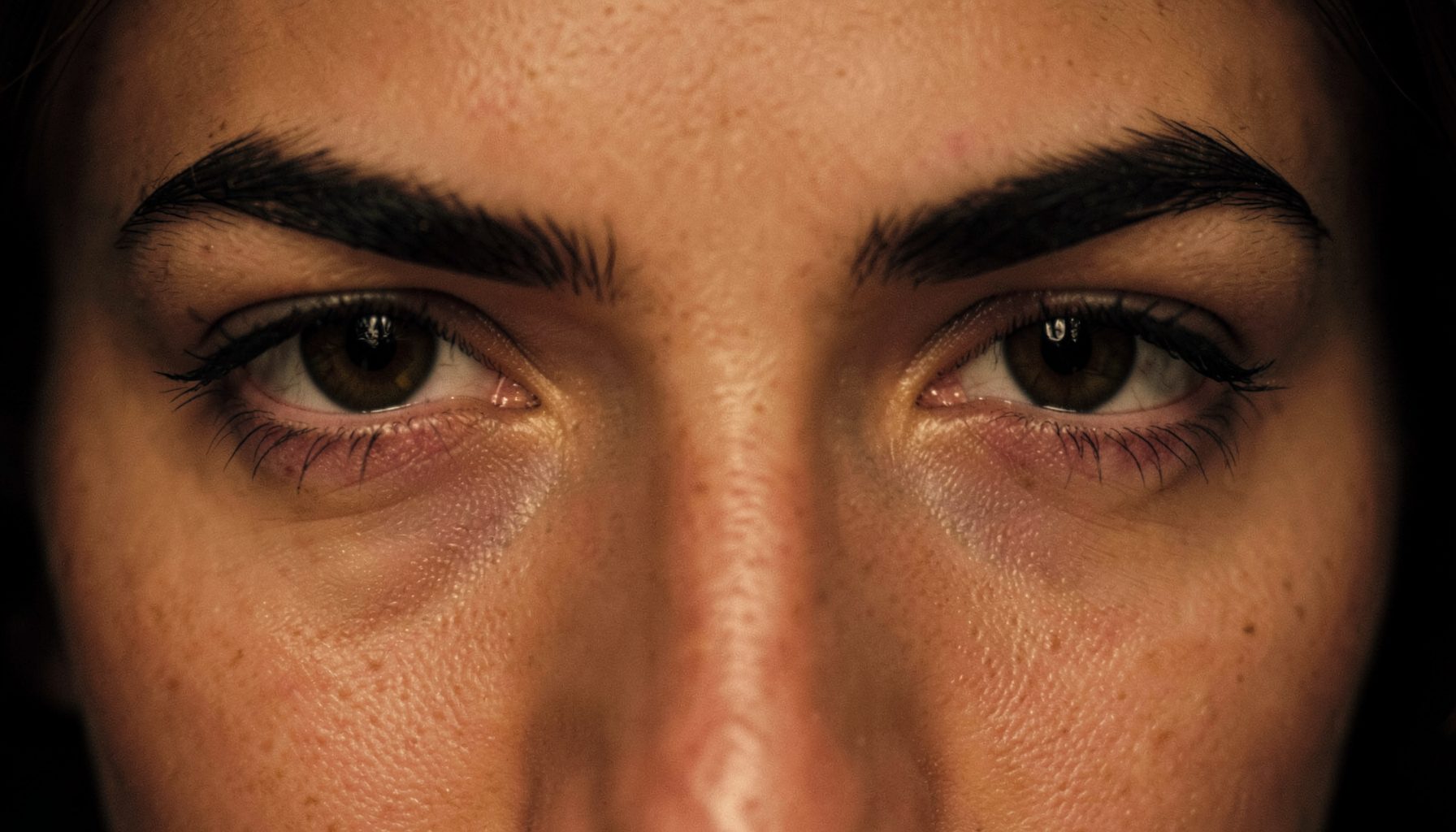
Eye Shape Guide
Understand your eye shape, master makeup techniques, and explore every treatment option — from Botox brow lifts to surgical solutions.
Explore the Site
Eyeshadow placement, blending techniques, and common mistakes to avoid for a more open, lifted look.
Explore →Winged liner, smudge prevention, and techniques that work with hooded lids to make eyes appear larger.
Explore →Non-surgical Botox brow lifts and surgical options including blepharoplasty, explained clearly.
Explore →Five false lash styles suited to hooded eyes, plus curler and mascara guidance for maximum lift.
Explore →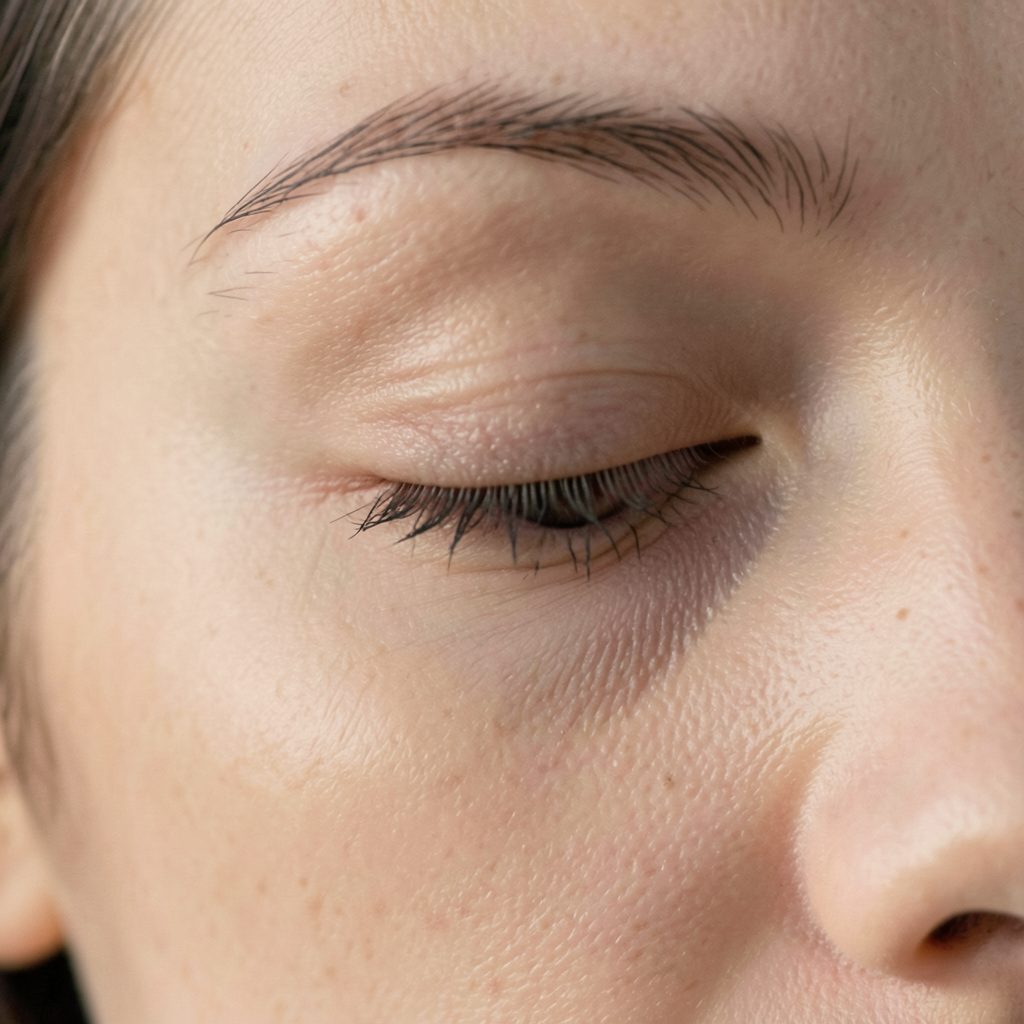
What Are Hooded Eyes?
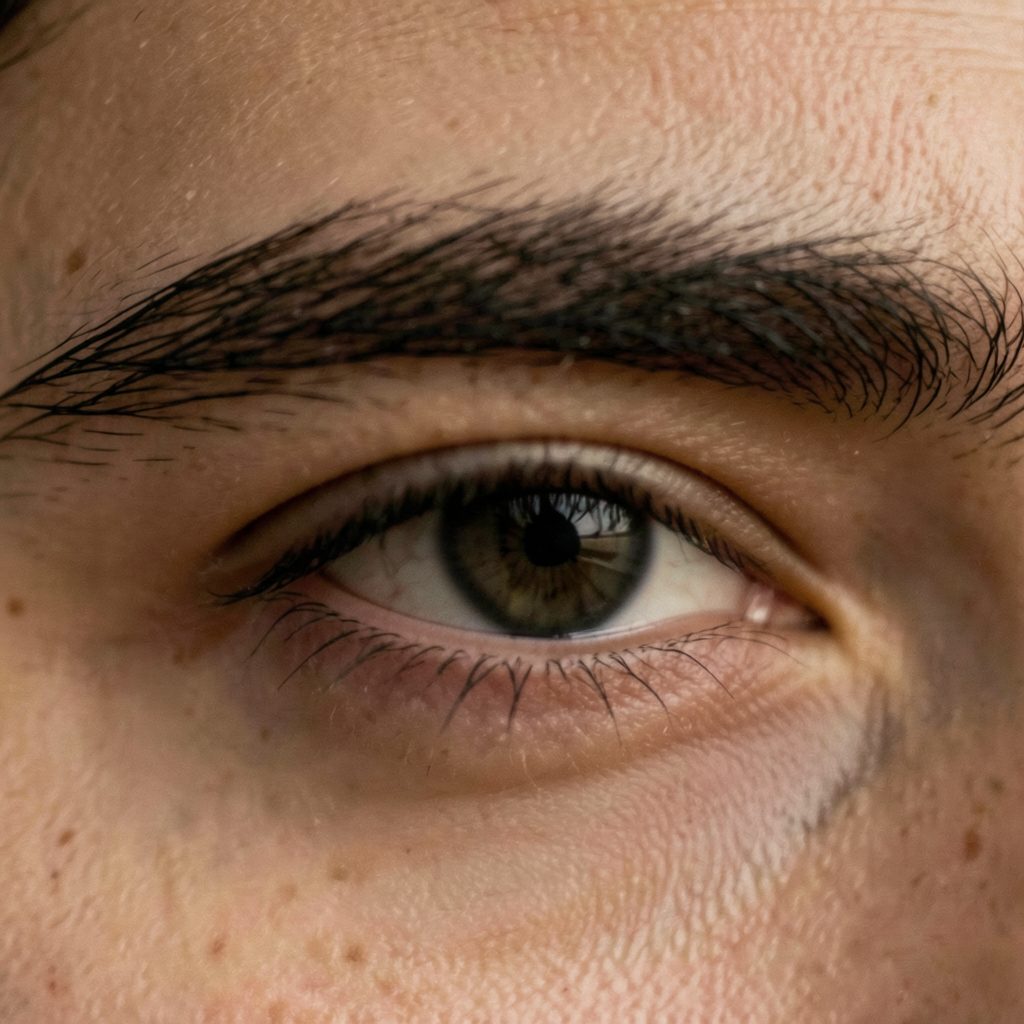
Hooded eyes are a natural eye shape where an excess piece of skin from the brow bone partially or completely covers the eyelid. The result can make eyes appear smaller or more tired than they feel.
This shape can be present from birth due to genetics, or it can develop over time. Known causes include aging, genetic traits, eye rubbing, body fatness, muscle structure, trauma, solar radiation, and sleep apnea.
Public photographs of Taylor Swift often show clean brows, a dark upper line and lifted-looking lashes. Together they create a classic cat eye. A photograph cannot establish whether an eyelid is medically hooded because angle, expression, lighting and makeup alter the visible crease. Her look is a style reference, not proof of one permanent eye shape.
A hooded eye occurs when upper eyelid skin folds over or hides much of the lid crease, leaving less space between the crease and lashes. It differs from a monolid, which may have no pronounced crease, and from deep-set eyes, which sit more prominently in the socket. These features can coexist. For a visual reference, the hooded-eye anatomy guide explains how lid volume, brow position and bone structure affect eye makeup.
The useful focus is which parts of Taylor Swift’s cat-eye technique translate to a hooded lid. Her public makeup generally favours outer-corner definition, controlled shadow and an upward flick. Each can create lift when the crease stays hidden, provided placement follows the wearer’s own anatomy.
Photographs flatten depth and remove the movement of a real eyelid. A crease hidden when someone looks forward may appear when they look down, while an outer fold can cast a shadow resembling deep-set eyes. Makeup adds another layer: a bright inner corner can widen the centre and a dark outer line can make the eye look tapered.
Sarah Jessica Parker, Bella Hadid and Zendaya are often cited in hooded-eye discussions because public photographs show low creases, substantial lid folds or similar reduced openings. Their signatures differ. Parker often uses smoky depth and separated lashes, Hadid favours clean graphic wings, and Zendaya uses bold liner or shadow near the lashes. These are visual comparisons rather than medical assessments.
The shared lesson is that the outer corner can carry more visible lift than the crease. A wing or concentrated shadow beyond the lash line remains legible from several angles, whereas shadow placed high in the crease may disappear under the fold. That is why a Taylor-inspired look can work when it is rebuilt around the lash line.
Across many public appearances, Taylor’s cat-eye effect comes from several restrained details. The upper lash line is darkened, the outer tail extends upward and the lashes add lift. A softly structured brow gives the eye a clear upper boundary, while a small inner-corner highlight keeps the shape from feeling closed. No single element needs to be oversized.
The defining feature is the wing. Traditional cat-eye liner rises from the outer lash line and travels beyond the natural corner, creating a longer, slightly upward-facing silhouette. The inner corner stays soft while the outer edge becomes decisive. That directional contrast is especially useful on a hooded lid because the crease cannot provide all the definition.
Her lower eye also appears restrained. A clean lower lash line, or light definition at the outer third, supports the upper flick without competing with it. Too much colour below the eye can visually reduce the opening. Products and exact placements change between appearances, so the overall style is a better guide than one permanent routine.
A side-by-side breakdown makes the adaptations clearer. The aim is not to invent a crease; it is to redirect attention toward the outer corner.
| Feature | Taylor-inspired cat eye | Hooded-eye adaptation |
|---|---|---|
| Upper-lid space | A crisp lid shape is often implied by shadow and liner | Keep contrast close to the lashes because the crease may stay hidden |
| Eyeliner | A fine or medium line extends into an upward wing | Tightline the upper lashes, then build a small wing from the outer corner |
| Shadow | Soft definition lifts the outer lid and supports the flick | Concentrate colour in an outer V and blend inward without forcing a high crease |
| Brows | Clean shaping frames the eye | Emphasise the brow tail gently; avoid an excessively sharp or flat arch |
| Lashes | Curled or extended lashes reinforce upward lift | Use curl, then add length mainly at the outer third without lid weight |
| Lower eye | Usually clean or softly defined | Keep the inner two-thirds light and define only the outer corner if desired |
The distinction also affects photographs. A hooded eye may look open head-on but narrower when the subject looks down. Test the look in daylight, from the side and straight ahead so a subtle home wing does not vanish in angled pictures. Keep the lash line crisp and the mobile lid comfortable.
Begin with a thin, hydrating eye base rather than trying to create a crease with pale shadow. Let it set, then place matte medium brown close to the outer lash line and taper it inward. A deeper brown or plum at the outer corner can reinforce the flick, but keep it compact enough for the lid to move.
For liner, fill the gaps between upper lashes and draw a thin line from the outer corner. Use the brow tail as a loose angle guide and extend slightly upward, avoiding a long horizontal tail. A short, controlled flick often reads more lifted than a large dramatic wing. A flexible liquid liner gives precision, while a pencil is useful for checking the shape first.
Finish with mascara on curled natural lashes before adding falsies. Brown mascara softens a daytime look; black gives stronger separation. Press a little light shimmer at the inner corner or visible centre of the lid, rather than brushing it across the hidden crease. The finish should feel lifted, not blocked.
Sydney and Melbourne can bring strong UV, humid mornings and hard air-conditioned afternoons. Many people also move between outdoor commutes, work, shops and evening plans, so eye makeup must survive changing temperatures without smudging or collecting in the lid fold.
During a normal day, use these priorities:
Australia’s beauty market mixes global brands sold through Sephora and Chemist Warehouse with local labels and lower-priced online listings. Prices are in Australian dollars, and a high price does not guarantee a better result. Comparing swatches, ingredients, returns and Australian customer reviews is more useful than copying a celebrity’s exact product list.
Before checkout, make these checks:
For strip lashes, measure the natural lash line, trim the band and test the weight at the outer third. The false-lash placement guide explains how to secure lashes without pressing them onto the fold. If a full strip feels heavy, several small cluster or lash-segment styles can be placed selectively.
False lashes offer the quickest cosmetic adjustment, but hygiene matters. Avoid glue on irritated skin, remove lashes before sleeping and replace adhesive that becomes difficult to spread. If the eyelid twitches, droops or reacts to products, seek an eye-health assessment before experimenting further.
A botulinum toxin brow lift, often marketed as Botox, may create a subtle opening for some people by relaxing the muscle that pulls the brow down. Results are temporary and anatomy-dependent, so no injectable can promise a celebrity outcome. Possible effects include brow heaviness, asymmetry, headache, double vision or eyelid droop, especially if the forehead is treated too low.
Blepharoplasty can remove excess upper-lid skin and, in some cases, alter the crease or fold. Preparation includes a medical history, medication review, photographs, consent and instructions about alcohol, smoking, supplements and contact lenses. Recovery may involve swelling, bruising, careful cleansing and no rubbing or strenuous activity. Risks include infection, scarring, dry eye, abnormal eyelid position, numbness, asymmetry and revision. The cosmetic surgery overview explains the procedure before a decision is made.
In Australia, the TGA regulates therapeutic goods, including botulinum toxin products, while AHPRA registration helps identify appropriately authorised practitioners. Ask who will operate, where the procedure occurs and what aftercare is included. Elective cosmetic procedures are generally not covered by Medicare, so request an all-inclusive quote in Australian dollars and clarify whether anaesthesia, follow-up and revision costs are included. A second opinion is sensible when eyelid function may be affected.
Choose one feature to test first: a clean brow, compact outer shadow, a short wing or curled lashes. Photograph the finished eye straight on, from the side and while looking down. Compare those images with the earlier appearance and keep only the elements that remain visible in daylight.
For lash users, apply the smallest comfortable amount of glue and remove it slowly with oil-based remover. For anyone considering a brow lift or surgery, use the makeup trial to clarify the result you want, then discuss function, risks and recovery with a qualified professional rather than asking an injectable or procedure to copy a celebrity.
Start tonight with clean tools, a well-placed flick and one coat of mascara. A controlled cat eye can make a hooded eye look more open and defined without forcing the lid into someone else’s shape. Repeat the test in Australian daylight, adjust once, and make the final look repeatable.
Surgical Option
For those seeking a more lasting result, plastic surgery — including blepharoplasty — is covered as a treatment option for hooded eyes. Surgery addresses the excess skin directly and is considered an alternative to non-surgical approaches like Botox.
The site's surgery guide explains the procedure, what to expect, and how it compares to non-surgical routes, helping readers make informed decisions about their options.
Read the Surgery Guide →Famous Faces
Hooded eyes can enhance facial expressions and contribute to a distinctive, memorable look. These ten well-known figures all share the eye shape.
Jennifer Aniston
Leonardo DiCaprio
Solange Knowles
Taylor Swift
Michelle Williams
Robert Pattinson
Blake Lively
Selena Gomez
Gigi Hadid
Benicio del Toro
Side by Side
False Lash Guide
Varied length spikes create texture and the illusion of depth without weighing down the lid.
Longer outer-corner lashes draw the eye outward and upward, counteracting the hood effect.
A uniform, moderate length that adds definition without overwhelming a hooded lid.
Applied only to the outer half, these open up the eye shape and are easier to manage on hooded lids.
A strong upward curl (D or L curl) lifts lashes away from the hood, keeping them visible throughout the day.
The guide also covers lash curlers, mascara recommendations, and step-by-step instructions for fixing false lashes on hooded eyelids.
Full Lash Guide →Get in Touch
Whether you are just beginning your makeup journey or have been experimenting with different looks for years, we are glad you are here.
General Feedback
Share your thoughts on the site or suggest topics you'd like covered.
Looking for a Specific Tip?
Ask about a particular technique or eye-shape challenge.
Product Questions
Questions about products mentioned across the site.
Human Resources or Business Inquiries
Partnership, collaboration, or business-related correspondence.