01
Makeup Tips
Eyeshadow placement, blending techniques, and common mistakes to avoid for a more open, lifted look.
Explore →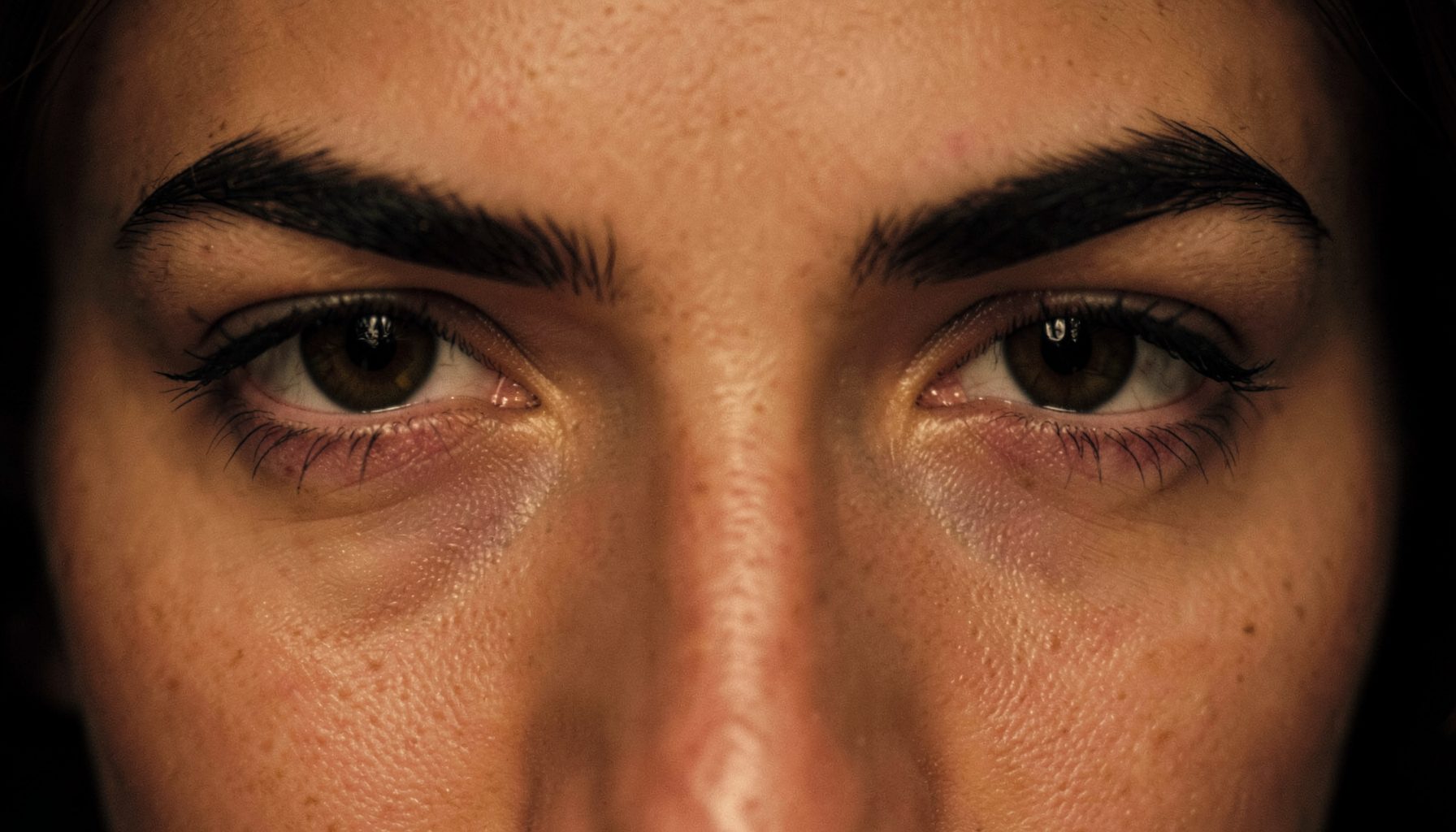
Eye Shape Guide
Understand your eye shape, master makeup techniques, and explore every treatment option — from Botox brow lifts to surgical solutions.
Explore the Site
Eyeshadow placement, blending techniques, and common mistakes to avoid for a more open, lifted look.
Explore →Winged liner, smudge prevention, and techniques that work with hooded lids to make eyes appear larger.
Explore →Non-surgical Botox brow lifts and surgical options including blepharoplasty, explained clearly.
Explore →Five false lash styles suited to hooded eyes, plus curler and mascara guidance for maximum lift.
Explore →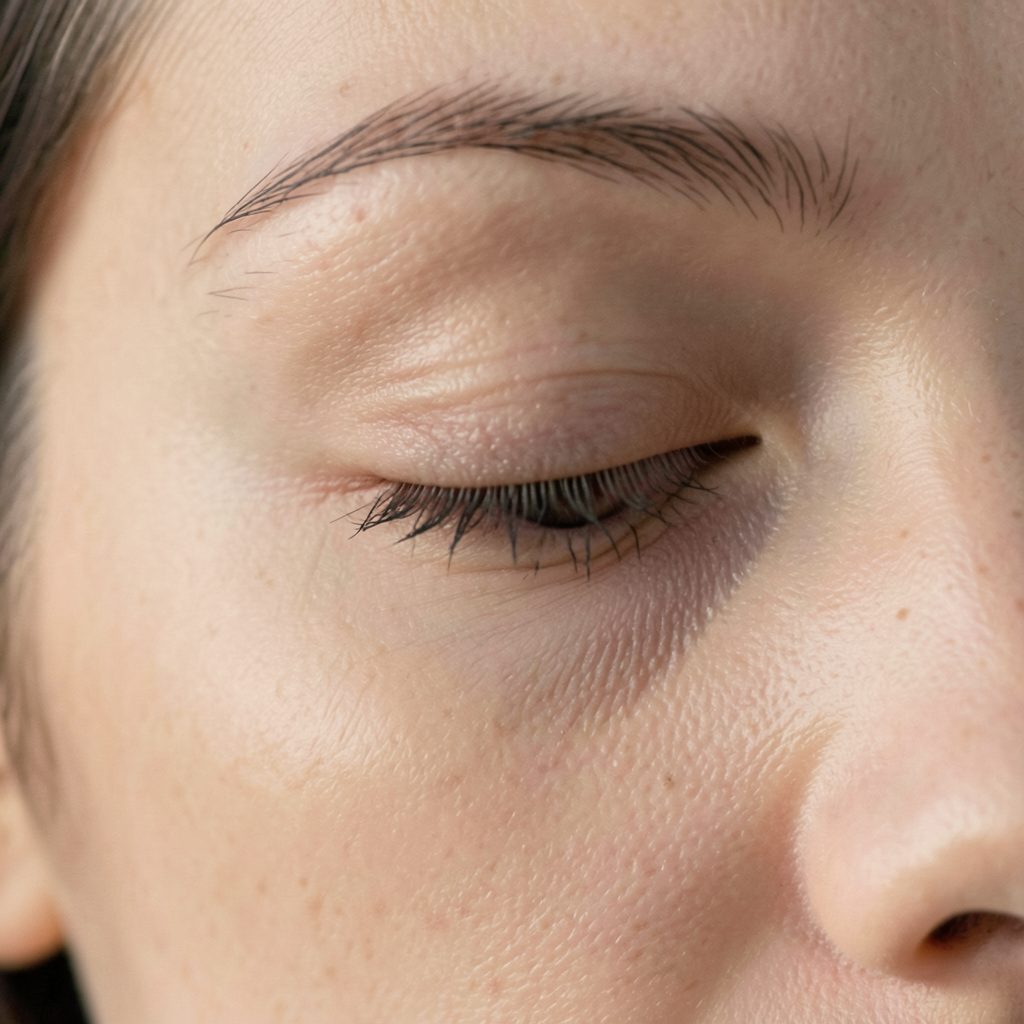
What Are Hooded Eyes?
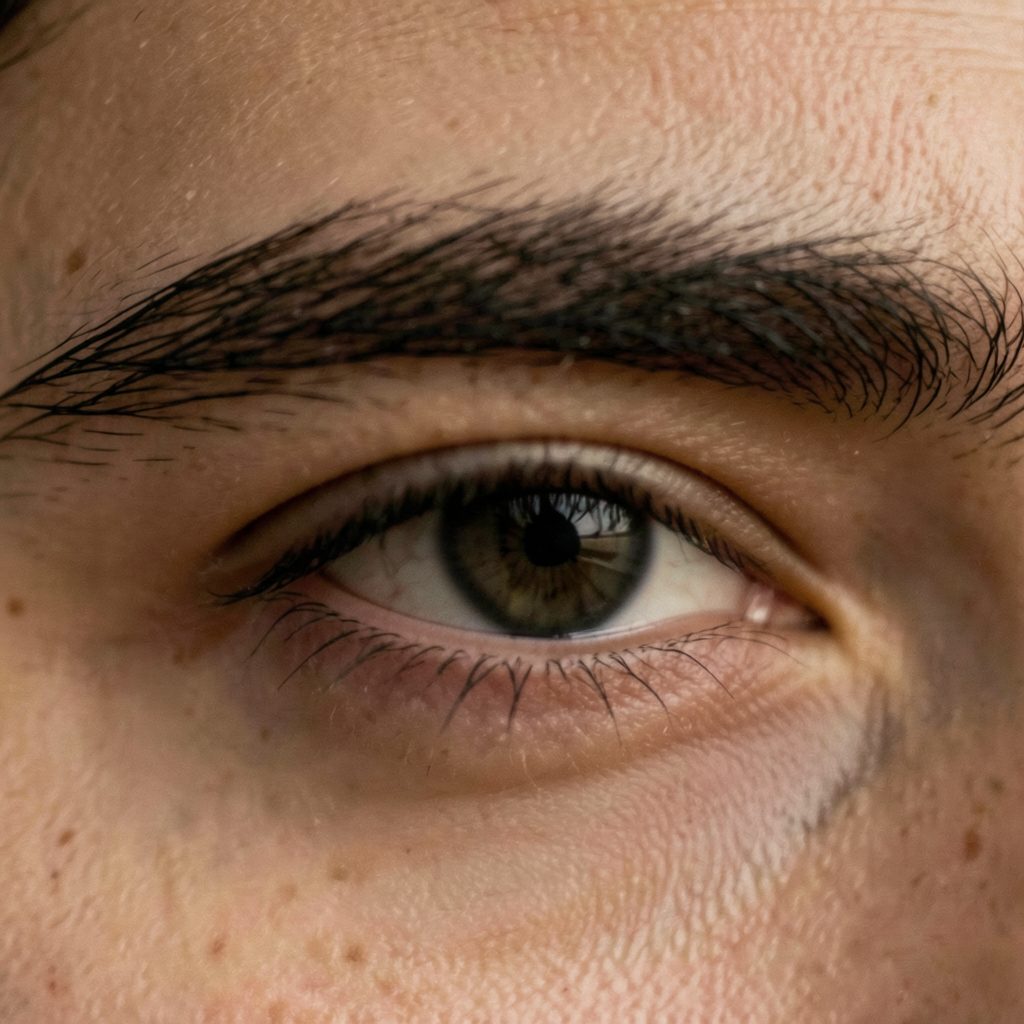
Hooded eyes are a natural eye shape where an excess piece of skin from the brow bone partially or completely covers the eyelid. The result can make eyes appear smaller or more tired than they feel.
This shape can be present from birth due to genetics, or it can develop over time. Known causes include aging, genetic traits, eye rubbing, body fatness, muscle structure, trauma, solar radiation, and sleep apnea.
Hooded eyes can make a generous lash style look as though it has disappeared beneath the upper-lid fold. The issue is often not a lack of space alone; weight changes how the mobile lid sits, and a dense band can make the eye look tired before it looks dramatic. Learning how to apply false lashes that don't weigh down hooded lids starts with choosing a shape that remains visible when you look forward, blink and smile.
False lashes can still create a defined, lifted effect on a hooded eye. The best approach uses short-to-medium wispy fibres, a trimmed band, a small amount of purpose-made adhesive and careful placement at the natural lash line. Think of the result as soft structure rather than an instant transformation. A little mascara on your own lashes fills the gaps, while a well-chosen brow finish keeps the whole eye balanced.
A hooded lid means part or all of the upper-lid crease folds over the visible lid area. Some people have plenty of space above the lashes; others show only a narrow strip when the eye is open. Your eye shape can also change slightly throughout the day as the brow moves and the lid shifts, so a style that sits perfectly when you apply it may settle differently an hour later.
Long, dense lashes are not automatically flattering here. When most of the band is hidden, the few visible fibres can point downward or disappear into the fold. Heavy glue adds another layer, and a high placement can create a small ridge rather than a lifted edge. The aim is to preserve an open, mobile lid and concentrate definition where the eye can actually see it.
Balance matters as much as length. If the brow appears heavy or low, colour and shape can visually balance the eye without pretending to create lid space. Reviewing lifting tinted brow gels is a low-commitment way to test that effect, although brow gel supports the overall look rather than physically raising the lid. Keep tinted product away from the lash line so it cannot interfere with adhesive.
Begin with short-to-medium wispy lashes, especially along the outer third. A natural, slightly separated texture lets your own lashes show between the fibres and avoids the blunt edge that can press on the lid. Small corner lashes or well-spaced clusters can also work if the individual fibres stay light. What many Aussies call “soft glam” generally means visible definition without a heavy strip, which is a useful brief when shopping.
Pay attention to the band, not only the advertised length. A thin, flexible band bends more easily and can sit close to the roots; a thick or firm band may stay visible on the lid even when the fibres are hidden. Trim a band from the outer edge if it feels too long, or use a three-quarter style. Do not assume a bandless lash is lighter; some are attached to a thicker base to keep them in place.
Many Australian shoppers compare styles through Priceline and Makeup Store, while Sephora counters at Westfield Bondi Junction in Sydney and Chadstone Shopping Centre in Melbourne are useful places to see the range in person. Prices are generally shown in Australian dollars with GST included, so compare cost per wear rather than the packet price alone. Check the dimensions, read reviews for comfort on hooded eyes and keep the packaging for returns or storage.
Begin with clean, dry lashes and a clean lid. Remove leftover mascara, eye cream or oil-based cleanser, then let the skin settle for a few minutes. Moisturiser can stay on the brow bone, but an oily layer close to the roots makes it harder for the band to grip. Avoid trying to flatten the fold with tape or strong pressure; both can irritate the skin and pull on the lid.
Curl your natural lashes and apply mascara sparingly, concentrating on the roots and keeping the wand away from the lid crease. A light coat fills visible gaps and helps the false lashes blend in. Let the mascara dry fully. If you wear contact lenses, remove them before applying adhesive so a lifted corner cannot stick to a lens or push it against the eye.
The weather matters in Australia. Humid conditions around Brisbane or Darwin can soften a fragile bond, while air-conditioning and Melbourne's drier winter air can make a delicate lid feel less comfortable. Use an adhesive made for false lashes, follow its drying time and avoid flooding the lash line with glue. Household or craft glue is not a safe substitute, and sensitive skin warrants advice from a pharmacist or dermatologist.
Dry-fit the lash first. Hold it against the natural lash line without adhesive, then remove it and trim any bulky outer section. Check the fit while looking straight ahead and down, not only in a large mirror. The band should follow the curve of the eye rather than stretch it upward. If it is uncomfortable before glue, it is unlikely to become more comfortable once it is fixed.
Apply a thin line of adhesive to the band, following the product instructions, and wait until it becomes tacky. A second, much smaller dot at each end can help with placement, but more glue is not usually better because it adds weight and creates a harder-to-clean bond. Pick the band up from underneath, bring it close to the roots and press it into place along the centre first, then the inner and outer corners.
Place the band at the base of your natural lashes, not high on the lid or in the fold. A few millimetres too high may hide the band and make the lashes point toward the brow. Let the outer end follow the direction of your natural lashes, with any lift kept subtle. Press rather than tug, and hold the band in place for the time stated on the adhesive packaging before opening your eye widely or applying more pressure.
Once the bond is secure, check the result in daylight and from the side. Brown or black eyeliner can sharpen the base without adding another strip of weight. Those who still lose the outer edge can use everyday eyeliner tips to create a clearer line, but a short, softly tapered wing is usually more comfortable than a long wing on a heavily hooded lid. Finish with a light mascara comb-through if needed.
Not every hooded eye needs dramatic shadow, and colour placement can affect how the lash band feels. For a stronger look, smoky eye adaptations can keep the depth beneath the fold rather than crowding the lash line. Avoid layering thick concealer over the roots after the lashes are set; it can add weight, leave residue and make removal more difficult.
Soak a cotton pad with false-lash adhesive remover or use a gentle eye-makeup remover, then press it over the band for several seconds to dissolve the adhesive. Slide the lash away without pulling, and never rip the strip outward while it is still stuck. If residue remains, repeat the process rather than scrubbing the lid. Clean the band before storing it for another wear, and replace lashes that lose their shape or become rough at the edges.
Stop using the lashes if you develop persistent redness, itching, swelling or burning. A beauty trend is not worth compromising the eye. If one lid has suddenly become noticeably heavier, or drooping comes with pain, double vision or altered vision, contact a GP or urgent health service rather than trying to disguise it with a heavier lash. The same advice applies when hooding interferes with everyday wear; an eye professional can assess the cause and suitable treatment options.
A small routine makes an airy result easier to repeat and keeps the lid comfortable:
The most useful change is often the smallest one: replace a long, dramatic pair with a trimmed, wispy style and use less adhesive. Try that combination for your next event, then adjust the outer-corner angle by a few millimetres until the lashes remain visible without pressing into the lid. Once you find a comfortable fit, repeat it for workdays, evenings or the look Australians often describe as everyday soft glam.
Surgical Option
For those seeking a more lasting result, plastic surgery — including blepharoplasty — is covered as a treatment option for hooded eyes. Surgery addresses the excess skin directly and is considered an alternative to non-surgical approaches like Botox.
The site's surgery guide explains the procedure, what to expect, and how it compares to non-surgical routes, helping readers make informed decisions about their options.
Read the Surgery Guide →Famous Faces
Hooded eyes can enhance facial expressions and contribute to a distinctive, memorable look. These ten well-known figures all share the eye shape.
Jennifer Aniston
Leonardo DiCaprio
Solange Knowles
Taylor Swift
Michelle Williams
Robert Pattinson
Blake Lively
Selena Gomez
Gigi Hadid
Benicio del Toro
Side by Side
False Lash Guide
Varied length spikes create texture and the illusion of depth without weighing down the lid.
Longer outer-corner lashes draw the eye outward and upward, counteracting the hood effect.
A uniform, moderate length that adds definition without overwhelming a hooded lid.
Applied only to the outer half, these open up the eye shape and are easier to manage on hooded lids.
A strong upward curl (D or L curl) lifts lashes away from the hood, keeping them visible throughout the day.
The guide also covers lash curlers, mascara recommendations, and step-by-step instructions for fixing false lashes on hooded eyelids.
Full Lash Guide →Get in Touch
Whether you are just beginning your makeup journey or have been experimenting with different looks for years, we are glad you are here.
General Feedback
Share your thoughts on the site or suggest topics you'd like covered.
Looking for a Specific Tip?
Ask about a particular technique or eye-shape challenge.
Product Questions
Questions about products mentioned across the site.
Human Resources or Business Inquiries
Partnership, collaboration, or business-related correspondence.