01
Makeup Tips
Eyeshadow placement, blending techniques, and common mistakes to avoid for a more open, lifted look.
Explore →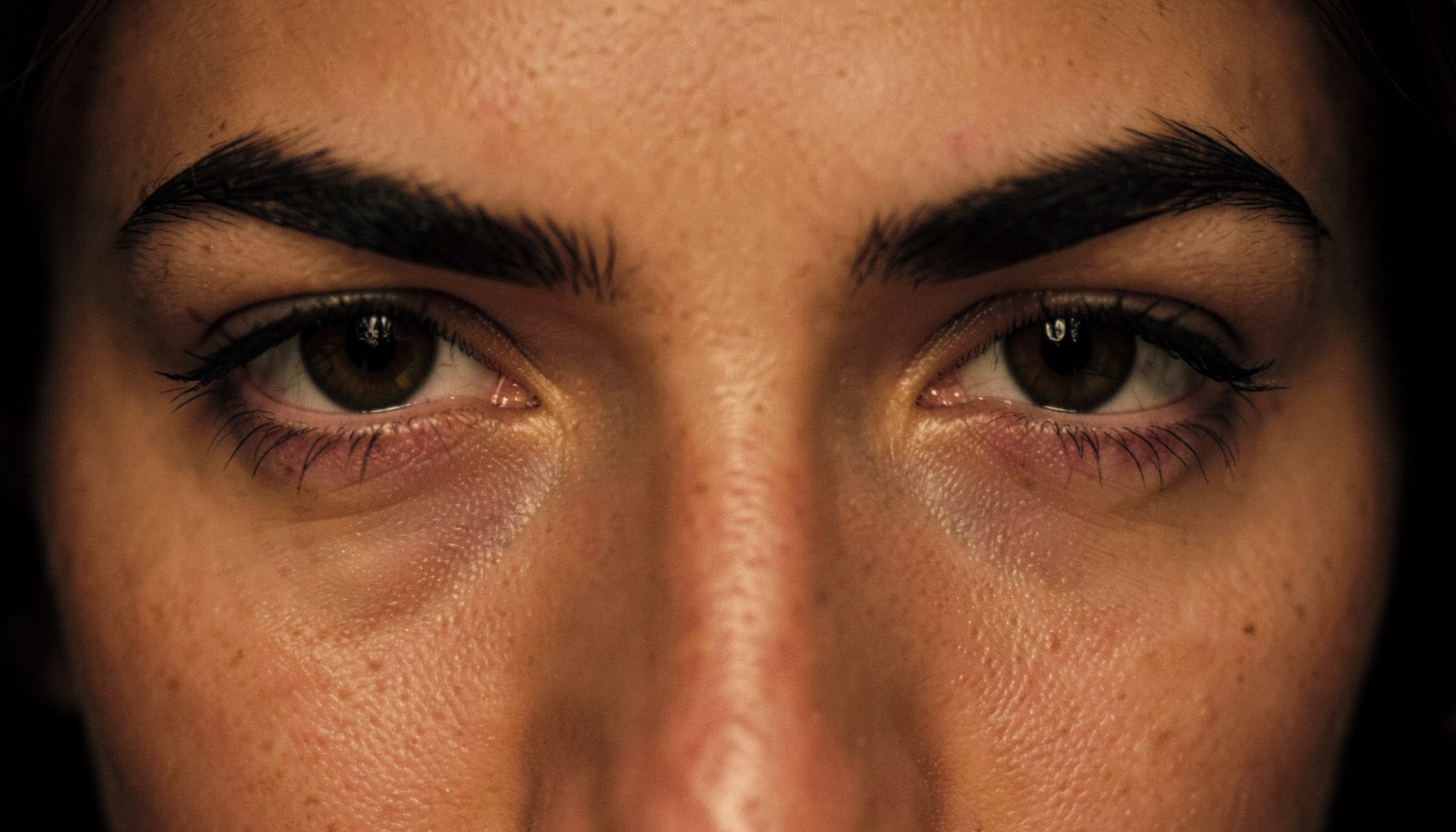
Eye Shape Guide
Understand your eye shape, master makeup techniques, and explore every treatment option — from Botox brow lifts to surgical solutions.
Explore the Site
Eyeshadow placement, blending techniques, and common mistakes to avoid for a more open, lifted look.
Explore →Winged liner, smudge prevention, and techniques that work with hooded lids to make eyes appear larger.
Explore →Non-surgical Botox brow lifts and surgical options including blepharoplasty, explained clearly.
Explore →Five false lash styles suited to hooded eyes, plus curler and mascara guidance for maximum lift.
Explore →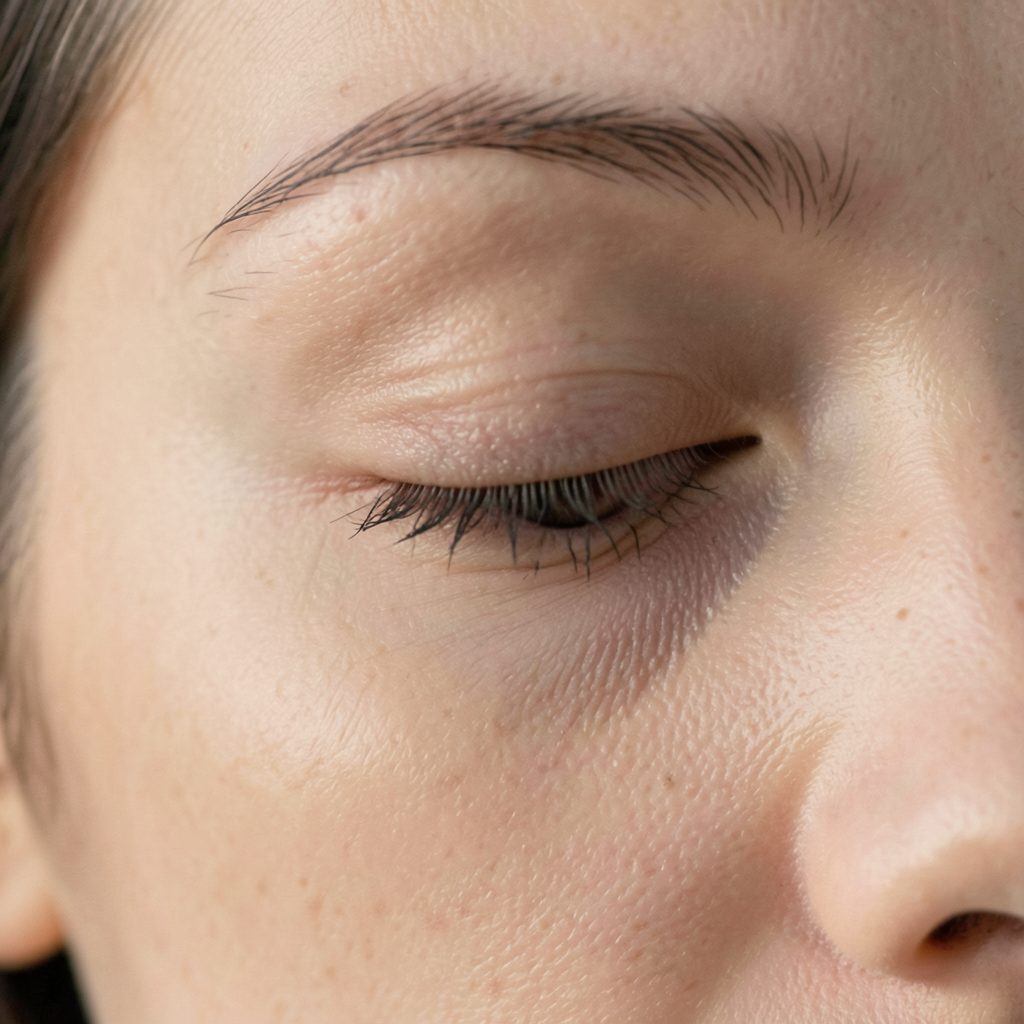
What Are Hooded Eyes?
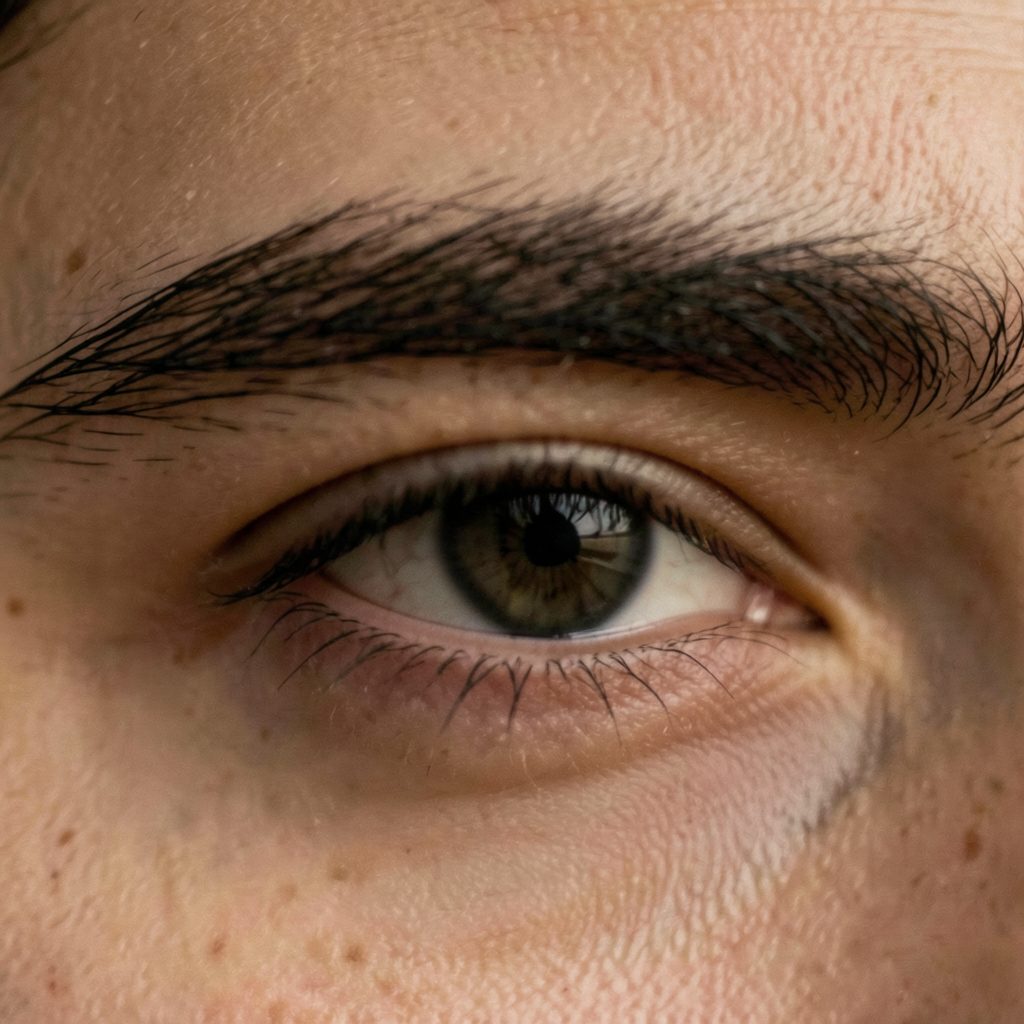
Hooded eyes are a natural eye shape where an excess piece of skin from the brow bone partially or completely covers the eyelid. The result can make eyes appear smaller or more tired than they feel.
This shape can be present from birth due to genetics, or it can develop over time. Known causes include aging, genetic traits, eye rubbing, body fatness, muscle structure, trauma, solar radiation, and sleep apnea.
Blepharoplasty can remove or reposition excess skin and fat around the eyelids, while ptosis surgery raises a drooping upper lid by adjusting the levator muscle, its tendon, or the Müller muscle. These procedures may be performed together, but they solve different problems. An upper lid that is lifted too far can create functional and cosmetic complications even when the operation initially appears successful.
A small amount of asymmetry is common during healing. Swelling, bruising, scar tightness and changing muscle control can make one eye look higher for several weeks. True overcorrection is different: the lid margin sits higher than intended, the eye may remain partly open during sleep, and the surface of the eye can become exposed.
People with hooded eyes need particularly careful planning. The fold may be caused by skin, brow position, fat distribution, orbital structure, or a naturally low crease rather than weak eyelid muscles. This background on hooded eyes can help explain why raising the lid alone may produce an unfamiliar or unbalanced appearance.
Ptosis overcorrection occurs when the upper eyelid is elevated beyond the agreed target. The eyelid margin may sit too high in primary gaze, expose more of the white of the eye above the iris, or create a sharp, surprised expression. In some cases the height improves as swelling settles; in others, the lid remains abnormally elevated and requires treatment.
The intended height is not identical for every person. It depends on visual function, facial proportions, the strength of the levator muscle, brow movement, the opposite eyelid and the amount of skin removed during blepharoplasty. A surgeon may aim for a slightly conservative result where muscle function is unpredictable, particularly in revision surgery or long-standing ptosis.
Overcorrection should also be distinguished from temporary unevenness. Early photographs can be misleading because the eyelid may be pulled upward by swelling or protective muscle spasm. Assessment over time, often with serial examinations, is safer than judging the final result in the first few days.
The levator muscle and its tendon can respond differently from the pre-operative estimate. A repair that appears appropriately tensioned during surgery may elevate the lid more strongly once swelling reduces. Surgical measurements are useful, but they cannot perfectly predict muscle behaviour, healing, scar contraction or the effect of anaesthetic medication.
Previous eye operations can make the anatomy less predictable. A person may have had childhood ptosis repair, brow surgery, cataract surgery, trauma or an earlier blepharoplasty. Thyroid eye disease, facial nerve conditions, myasthenia gravis and other disorders can also alter eyelid position. A complete history and suitable examination are important before deciding that a low lid is simply cosmetic.
The brow can complicate the picture. Many people unconsciously lift their brows to clear a drooping lid, and that effort may relax after surgery. The upper lid can then appear heavier even if the ptosis repair is technically stable. Conversely, a surgeon who tries to create a very open eye may raise the lid excessively rather than address brow descent or redundant skin.
The most important concern is incomplete eyelid closure, known as lagophthalmos. If the lids do not meet during blinking or sleep, the cornea can lose its protective tear film. Symptoms may include gritty eyes, burning, light sensitivity, blurred vision, redness and a sensation that something is trapped in the eye.
Persistent exposure can cause exposure keratopathy, a damaged or inflamed corneal surface. Severe cases may develop an epithelial defect, infection or scarring, with a potential effect on vision. Dry-eye symptoms can be especially troublesome in Australians who spend long periods in air-conditioned offices, drive in dry conditions or face smoke and dust during bushfire seasons.
Over-elevation can also change the blink. A tight upper lid may blink incompletely, while altered eyelid mechanics can increase tear evaporation. Someone who already has dry eye, contact-lens intolerance or ocular surface disease may experience a disproportionate worsening after surgery. These risks should be identified before an operation rather than treated as an unexpected inconvenience afterward.
A high upper lid can expose more sclera, the white outer layer of the eye, above the iris. This is sometimes called superior scleral show. It can make the eye look startled, round or hollow, especially when paired with excessive skin removal. The crease may also sit higher than expected, producing a visible fold that does not match the other side.
The appearance can be affected by eyelid retraction, scar tissue, fat loss or a change in brow position. Removing too much upper-lid skin during the same procedure may make closure harder and create a sunken look. In hooded eyes, a lower crease or naturally deep-set orbit may be part of the person’s normal structure, so pursuing a very open eyelid can disturb facial harmony.
Asymmetry is another common concern. The two eyes may have different levator strength, brow height, orbital shape or pre-existing ptosis. Attempting to make them identical by lifting one side too aggressively can leave both function and appearance less natural. A realistic goal is balanced vision and a harmonious gaze, rather than mathematical symmetry.
Urgent review is warranted for severe or increasing pain, sudden loss of vision, marked swelling on one side, increasing redness, heavy discharge or bleeding that does not settle with gentle pressure. These symptoms may indicate infection, a collection of blood, pressure behind the eye or another complication requiring prompt assessment.
Contact the operating surgeon if the eye cannot close, the cornea feels persistently dry, light becomes difficult to tolerate or vision stays blurred. Night-time exposure may be easy to miss, so waking with sore, watery or gritty eyes is useful information to report. Do not wait for a routine post-operative appointment if symptoms are worsening.
Early care may include lubricating drops during the day, preservative-free ointment at night, moisture chambers or temporary eyelid support. The exact plan depends on the corneal examination. Patients should use only products recommended by their surgeon or eye specialist and should avoid rubbing the eyelids while tissues are healing.
Choose a practitioner with appropriate specialist training and experience in both eyelid surgery and ptosis assessment. Australians can check registration through the Australian Health Practitioner Regulation Agency and review whether the doctor’s stated qualifications and scope of practice match the proposed operation. An ophthalmologist with oculoplastic experience may be particularly valuable when drooping affects the pupil or visual field.
Ask for a clear explanation of whether the planned operation is functional ptosis repair, cosmetic blepharoplasty, brow treatment, or a combination. Visual-field testing, eyelid measurements, tear-film assessment and photographs may assist planning. If a procedure is medically necessary because the lid obstructs vision, Medicare or private insurance arrangements may differ from purely cosmetic surgery, so billing and eligibility should be confirmed in writing.
Australian cosmetic-surgery rules require careful informed consent, and the Medical Board of Australia has specific guidance for cosmetic procedures. Patients should expect time to consider the recommendation, understand fees and risks, and receive information about follow-up and emergency contact arrangements. Practices in Sydney, Melbourne, Brisbane, Perth and other cities may have different hospital networks, so confirm where complications will be managed after hours.
Sun protection matters during recovery. Australia’s high ultraviolet exposure can irritate healing skin and make scars more noticeable, while swimming, dusty outdoor work and strenuous exercise may be restricted for a period determined by the surgeon. Arrange transport, time away from work and reliable access to review appointments before the procedure.
A careful consultation should focus on eye health and eyelid function rather than a single photograph or social-media ideal. Bring details of previous operations, medications, allergies, contact-lens use and symptoms such as headaches from brow straining. Mention autoimmune disease, thyroid problems, facial weakness and any history of dry eye.
The following points can support a more informed discussion:
A useful recovery plan includes prescribed lubricants, shaded rest, head elevation and protection from wind, dust and direct sunlight. Makeup and contact lenses should be restarted only when the treating clinician advises. For people adjusting their routine while swelling settles, a gentle eye-makeup approach may be preferable; specialist guidance on mascara for short covered lashes can be useful once the eyes are fully healed.
Revision surgery is sometimes required, but it is rarely an immediate decision. Tissues need time to soften and eyelid height needs to stabilise. Depending on the severity, management may involve observation, lubrication, temporary measures, steroid treatment for selected scar problems, adjustment of the opposite lid or a secondary operation. The timing and technique should be determined by an experienced eyelid specialist.
If you are considering blepharoplasty or ptosis repair, arrange a consultation with a suitably registered Australian specialist and take a written list of symptoms, goals and medical history. Ask for a personalised assessment of eyelid height, closure, corneal health and visual function before consenting to surgery.
Surgical Option
For those seeking a more lasting result, plastic surgery — including blepharoplasty — is covered as a treatment option for hooded eyes. Surgery addresses the excess skin directly and is considered an alternative to non-surgical approaches like Botox.
The site's surgery guide explains the procedure, what to expect, and how it compares to non-surgical routes, helping readers make informed decisions about their options.
Read the Surgery Guide →Famous Faces
Hooded eyes can enhance facial expressions and contribute to a distinctive, memorable look. These ten well-known figures all share the eye shape.
Jennifer Aniston
Leonardo DiCaprio
Solange Knowles
Taylor Swift
Michelle Williams
Robert Pattinson
Blake Lively
Selena Gomez
Gigi Hadid
Benicio del Toro
Side by Side
False Lash Guide
Varied length spikes create texture and the illusion of depth without weighing down the lid.
Longer outer-corner lashes draw the eye outward and upward, counteracting the hood effect.
A uniform, moderate length that adds definition without overwhelming a hooded lid.
Applied only to the outer half, these open up the eye shape and are easier to manage on hooded lids.
A strong upward curl (D or L curl) lifts lashes away from the hood, keeping them visible throughout the day.
The guide also covers lash curlers, mascara recommendations, and step-by-step instructions for fixing false lashes on hooded eyelids.
Full Lash Guide →Get in Touch
Whether you are just beginning your makeup journey or have been experimenting with different looks for years, we are glad you are here.
General Feedback
Share your thoughts on the site or suggest topics you'd like covered.
Looking for a Specific Tip?
Ask about a particular technique or eye-shape challenge.
Product Questions
Questions about products mentioned across the site.
Human Resources or Business Inquiries
Partnership, collaboration, or business-related correspondence.