01
Makeup Tips
Eyeshadow placement, blending techniques, and common mistakes to avoid for a more open, lifted look.
Explore →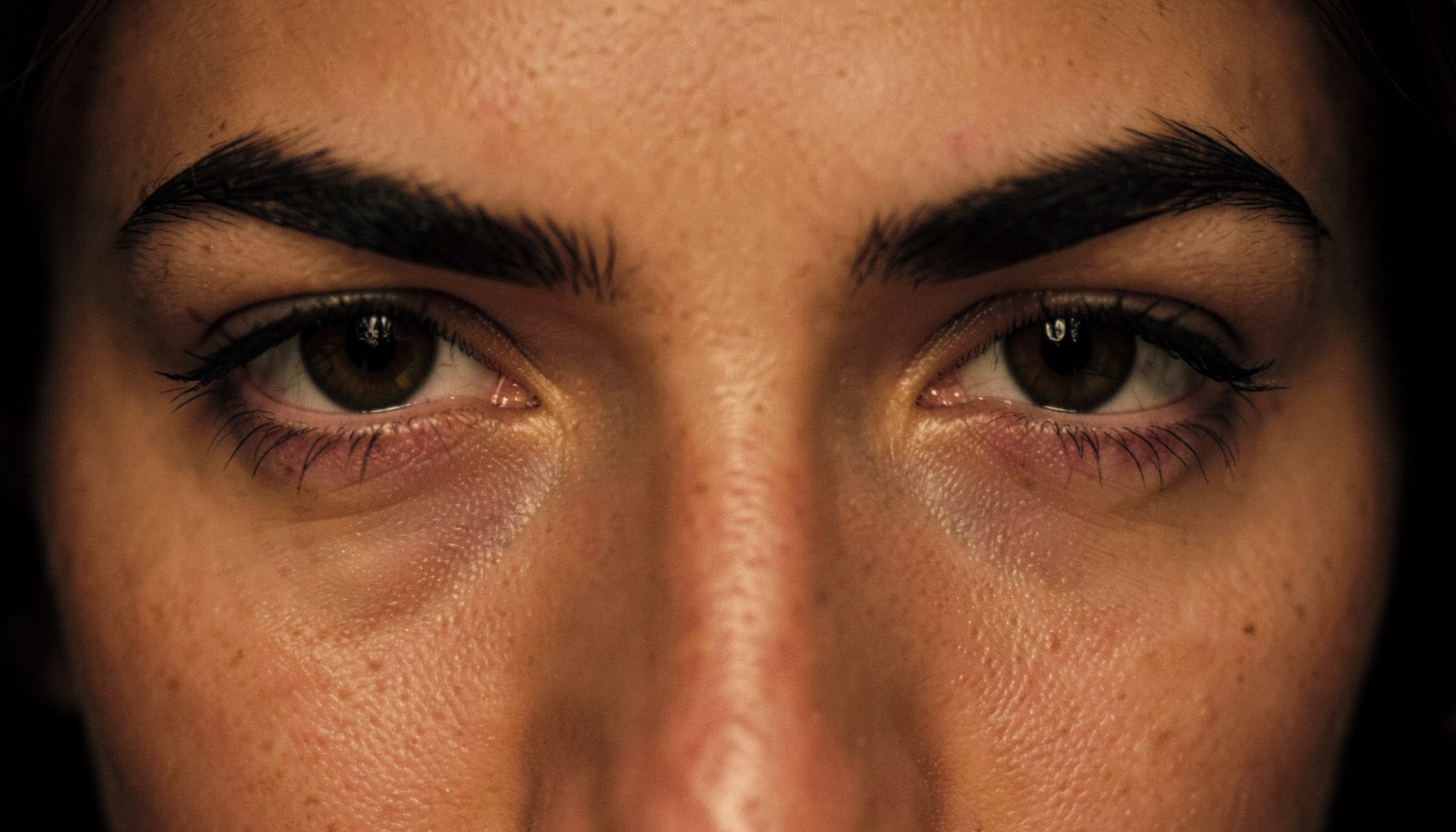
Eye Shape Guide
Understand your eye shape, master makeup techniques, and explore every treatment option — from Botox brow lifts to surgical solutions.
Explore the Site
Eyeshadow placement, blending techniques, and common mistakes to avoid for a more open, lifted look.
Explore →Winged liner, smudge prevention, and techniques that work with hooded lids to make eyes appear larger.
Explore →Non-surgical Botox brow lifts and surgical options including blepharoplasty, explained clearly.
Explore →Five false lash styles suited to hooded eyes, plus curler and mascara guidance for maximum lift.
Explore →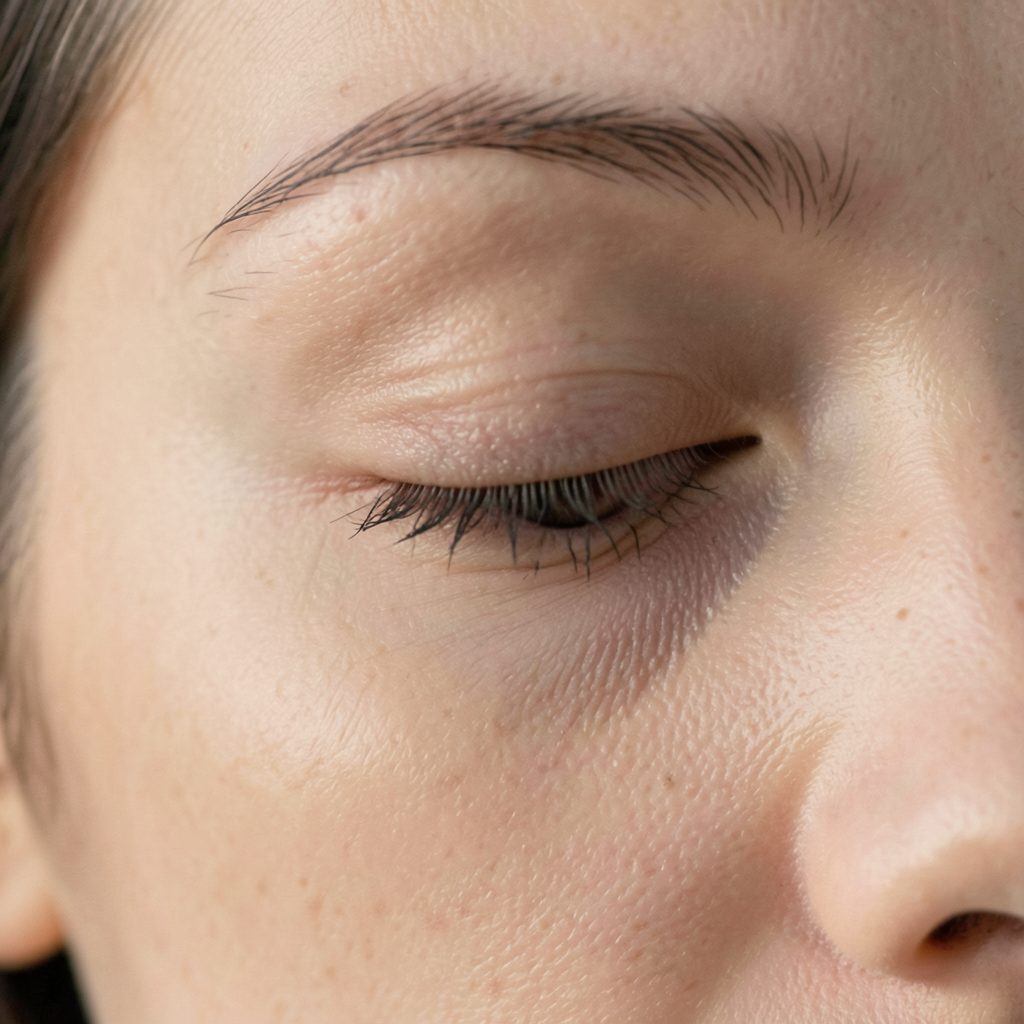
What Are Hooded Eyes?
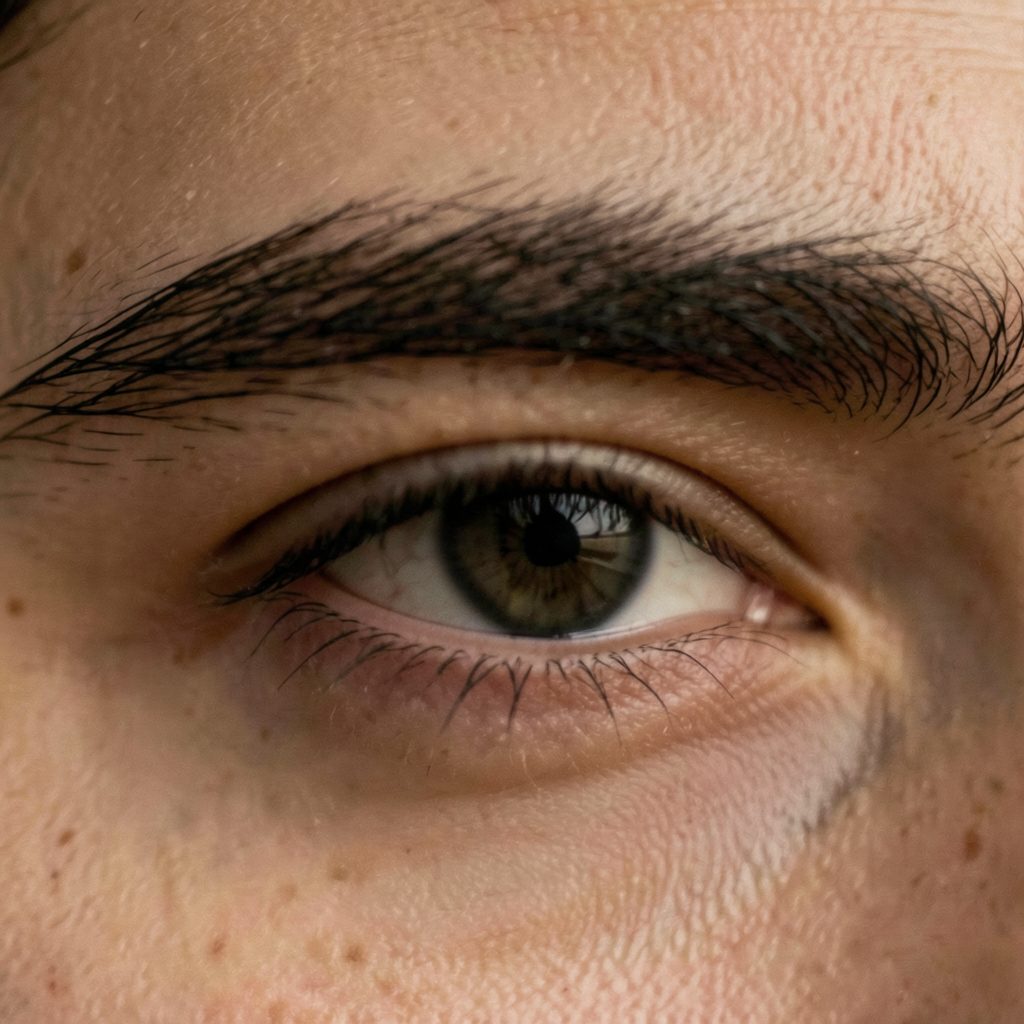
Hooded eyes are a natural eye shape where an excess piece of skin from the brow bone partially or completely covers the eyelid. The result can make eyes appear smaller or more tired than they feel.
This shape can be present from birth due to genetics, or it can develop over time. Known causes include aging, genetic traits, eye rubbing, body fatness, muscle structure, trauma, solar radiation, and sleep apnea.
Hooded eyelids have a natural fold of skin that rests over part or all of the mobile lid. When the eyes are open, this overhanging area can hide the crease and create extra contact between the upper lid, brow bone and lashes. That contact is a major reason eyeshadow can fade, transfer or gather into lines sooner than expected.
Creasing is usually a combination of anatomy, skin oils, product texture, heat and application position. With the right preparation and placement, hooded eyes can hold colour for hours while still looking soft and dimensional. The aim is not to remove the natural fold, but to work with the visible eye area and reduce friction.
| What affects wear | Why it causes creasing | A practical response |
|---|---|---|
| Oily or moisturised lids | Pigment mixes with oil and slips into folds | Use a thin, set base |
| Overlapping skin | The lid rubs against the crease or brow area | Place transition colour slightly higher |
| Creamy formulas | Emollient products stay flexible and move | Layer lightly with powder |
| Heat and humidity | Sweat increases transfer and fading | Choose long-wear formulas and blot gently |
| Heavy application | Thick layers remain tacky underneath | Build colour in thin passes |
On a hooded lid, the visible portion of the mobile eyelid may be small, even when the eyes are closed. The deepest natural crease may sit below the fold, while the area seen when the eyes are open is closer to the brow bone. If eyeshadow is applied only inside the closed-eye crease, the colour can disappear when the eyes open and transfer onto the overhanging skin.
The upper fold also creates repeated movement. Each blink brings skin into contact with skin, and a warm eye area can soften makeup throughout the day. This is different from simple fading: a crease line often forms where the fold touches the lid, while transfer appears as a smudge above the original application.
Eye shape varies widely. Some people have hooding caused mainly by skin structure, while others notice it more with age as the brow position and upper-lid skin change. Looking at celebrity examples can help show how different hooded eyes are styled, but copying another person’s placement exactly may not suit your own lid space.
A rich eye cream, facial oil or dewy concealer can make eyeshadow look smooth at first, yet these products may leave a slippery film. On hooded lids, that film is exposed to constant rubbing. Apply skincare around the eye area sparingly and allow it to settle before beginning makeup.
Primer can help by creating a more even surface, but too much can have the opposite effect. A thin, quick-drying eye primer is generally more reliable than a thick concealer layer. If concealer is used, keep it limited to discolouration and set it lightly with a finely milled powder.
Useful product choices include:
Very creamy shadows are not automatically unsuitable. They can work well when pressed onto the lid in a small amount and topped with a compatible powder shade. Avoid stacking several creamy layers, as the combined warmth and movement can create a thick, flexible surface that breaks apart quickly.
Start with the eyes open and relaxed rather than stretching the lid upwards. Identify the area where colour remains visible above the fold. A transition shade can be placed slightly higher than the natural crease, following the shape of the eye toward the brow bone. This creates the impression of depth while keeping the colour visible when you blink.
Use a small, tapered brush to build the outer corner gradually. Concentrate darker shades on the outer third of the eye and angle them slightly upwards, rather than dragging them far across the fold. On smaller or deeply hooded eyes, a narrow vertical gradient often gives more definition than a wide band of dark shadow.
For a crease-resistant application:
A cut crease can be effective, but it does not need to be sharply carved. A soft, semi-cut shape that follows the open-eye view is often more wearable. Glitter and highly reflective shimmer are best kept away from the area where the fold makes direct contact, particularly if the eyes water or the skin becomes oily.
Australian conditions can make lid makeup work harder. A humid Brisbane or Darwin day can increase sweat and oil, while a hot summer commute in Sydney or Perth may soften products before lunchtime. Melbourne’s changing weather can also mean moving between cool air-conditioning and warmer outdoor conditions. These changes are worth considering when selecting formulas and deciding how much product to apply.
After skincare and sunscreen, give the face time to settle before eye makeup. Keep sunscreen away from the immediate lash line where possible, and avoid applying a heavy moisturiser directly onto the mobile lid. If your eyes water from wind, allergies or air-conditioning, a waterproof base and mascara may be more dependable than adding extra powder.
During the day, blot rather than rub. A clean tissue or blotting paper can lift oil from the fold without disturbing the entire eye look. Products widely available through Australian beauty retailers such as Mecca, Adore Beauty and Priceline include setting primers, waterproof pencils and tubing mascaras, so a crease-resistant routine does not require specialist imports.
Makeup can improve wear, but it cannot change the structure of the upper eyelid. Some people explore cosmetic options such as a Botox brow lift or upper blepharoplasty when hooding affects their preferred appearance or vision. Information about hooded-eye surgery options should be read alongside advice from a qualified Australian medical practitioner, including possible asymmetry, dry eyes, swelling, scarring and other risks.
A thick liquid liner across the entire upper lid can take up valuable visible space and may transfer onto the fold. A fine line that begins around the outer half of the lash line often gives definition without creating a large sticky surface. Tightlining can add depth at the roots, although anyone prone to irritation should use a clean, eye-safe product and remove it carefully.
Winged liner should be tested with the eyes open. A wing that looks smooth when the lid is stretched may become uneven or hidden once the face relaxes. Keep the outer flick modest, and direct it towards the end of the brow rather than sharply upwards if the fold tends to cover the wing.
Lashes can also push product onto the hood. Curling them before mascara helps keep them lifted, while a lightweight formula prevents them from dropping into the crease. False lashes with a clear, flexible band may be more comfortable than a thick strip. Magnetic or adhesive products should be used carefully, especially for sensitive eyes, and removed without pulling the delicate skin.
Persistent creasing can sometimes be linked to blepharitis, allergies, dry-eye irritation or excessive watering rather than makeup technique alone. Redness, swelling, pain, crusting or sudden changes in one eyelid warrant medical assessment. An optometrist or GP can help identify an eye-health issue before you experiment with new products.
If you are considering upper eyelid surgery, preparation includes discussing medicines and supplements, smoking or vaping, allergies, dry-eye symptoms and realistic expectations. A detailed blepharoplasty preparation guide can help you understand the kinds of questions to raise, but it does not replace an individual consultation with a qualified surgeon.
For everyday makeup, the most effective routine is usually simple: use less skincare on the lid, prime thinly, place transition colour where it remains visible, and set only where movement occurs. Test the finished look with your eyes open, blink naturally and allow several minutes before adding more product. With these adjustments, hooded lids can support polished, long-lasting eyeshadow without forcing them into a shape they do not have. Start with one change at your next makeup application and refine the placement until it feels comfortable, balanced and reliable for your climate.
Surgical Option
For those seeking a more lasting result, plastic surgery — including blepharoplasty — is covered as a treatment option for hooded eyes. Surgery addresses the excess skin directly and is considered an alternative to non-surgical approaches like Botox.
The site's surgery guide explains the procedure, what to expect, and how it compares to non-surgical routes, helping readers make informed decisions about their options.
Read the Surgery Guide →Famous Faces
Hooded eyes can enhance facial expressions and contribute to a distinctive, memorable look. These ten well-known figures all share the eye shape.
Jennifer Aniston
Leonardo DiCaprio
Solange Knowles
Taylor Swift
Michelle Williams
Robert Pattinson
Blake Lively
Selena Gomez
Gigi Hadid
Benicio del Toro
Side by Side
False Lash Guide
Varied length spikes create texture and the illusion of depth without weighing down the lid.
Longer outer-corner lashes draw the eye outward and upward, counteracting the hood effect.
A uniform, moderate length that adds definition without overwhelming a hooded lid.
Applied only to the outer half, these open up the eye shape and are easier to manage on hooded lids.
A strong upward curl (D or L curl) lifts lashes away from the hood, keeping them visible throughout the day.
The guide also covers lash curlers, mascara recommendations, and step-by-step instructions for fixing false lashes on hooded eyelids.
Full Lash Guide →Get in Touch
Whether you are just beginning your makeup journey or have been experimenting with different looks for years, we are glad you are here.
General Feedback
Share your thoughts on the site or suggest topics you'd like covered.
Looking for a Specific Tip?
Ask about a particular technique or eye-shape challenge.
Product Questions
Questions about products mentioned across the site.
Human Resources or Business Inquiries
Partnership, collaboration, or business-related correspondence.