01
Makeup Tips
Eyeshadow placement, blending techniques, and common mistakes to avoid for a more open, lifted look.
Explore →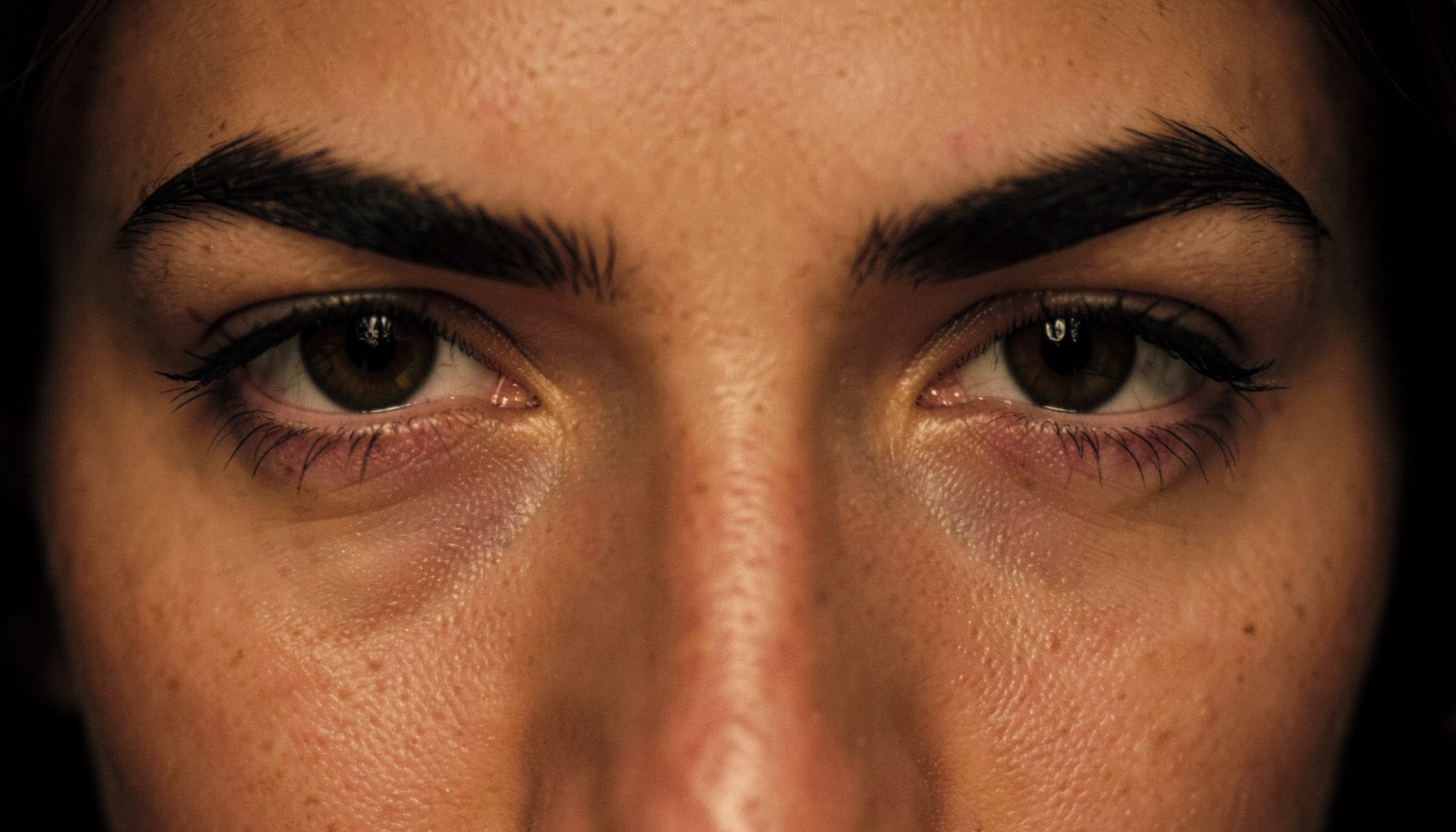
Eye Shape Guide
Understand your eye shape, master makeup techniques, and explore every treatment option — from Botox brow lifts to surgical solutions.
Explore the Site
Eyeshadow placement, blending techniques, and common mistakes to avoid for a more open, lifted look.
Explore →Winged liner, smudge prevention, and techniques that work with hooded lids to make eyes appear larger.
Explore →Non-surgical Botox brow lifts and surgical options including blepharoplasty, explained clearly.
Explore →Five false lash styles suited to hooded eyes, plus curler and mascara guidance for maximum lift.
Explore →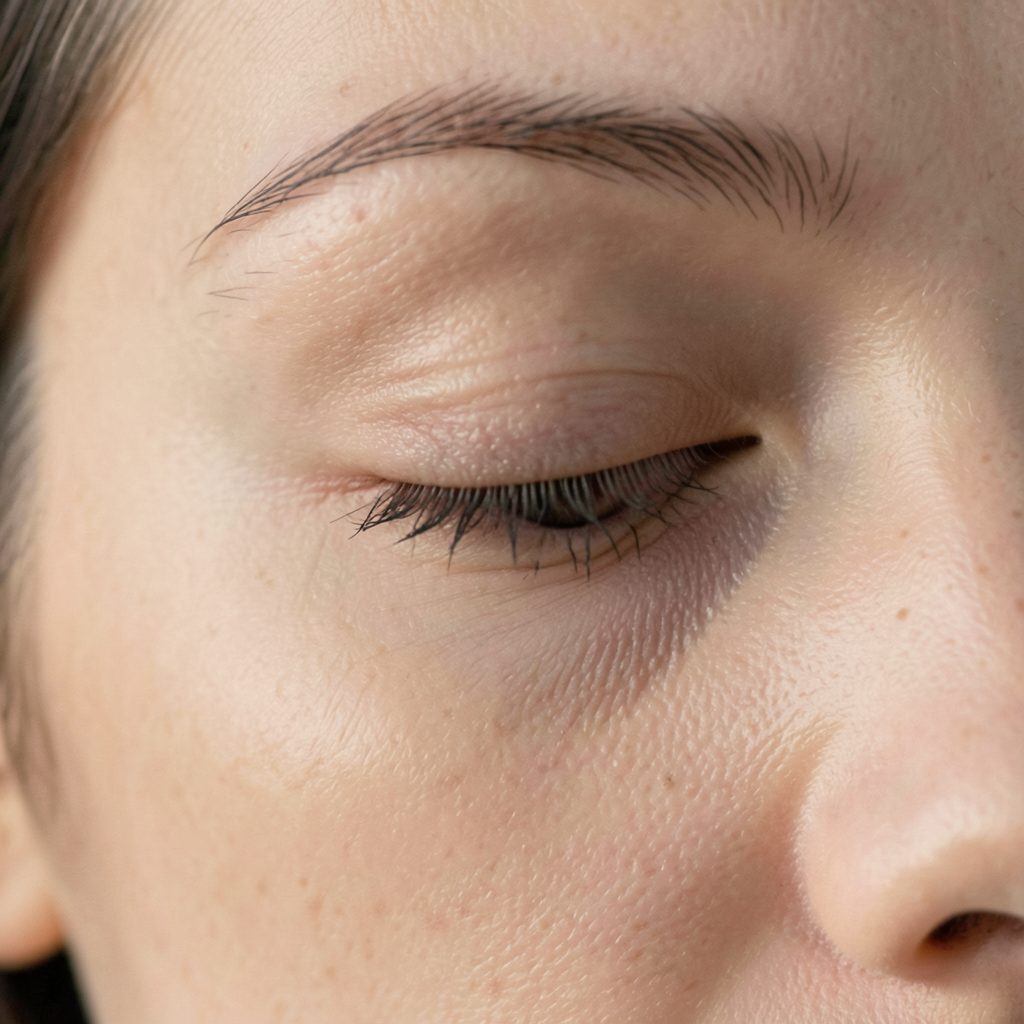
What Are Hooded Eyes?
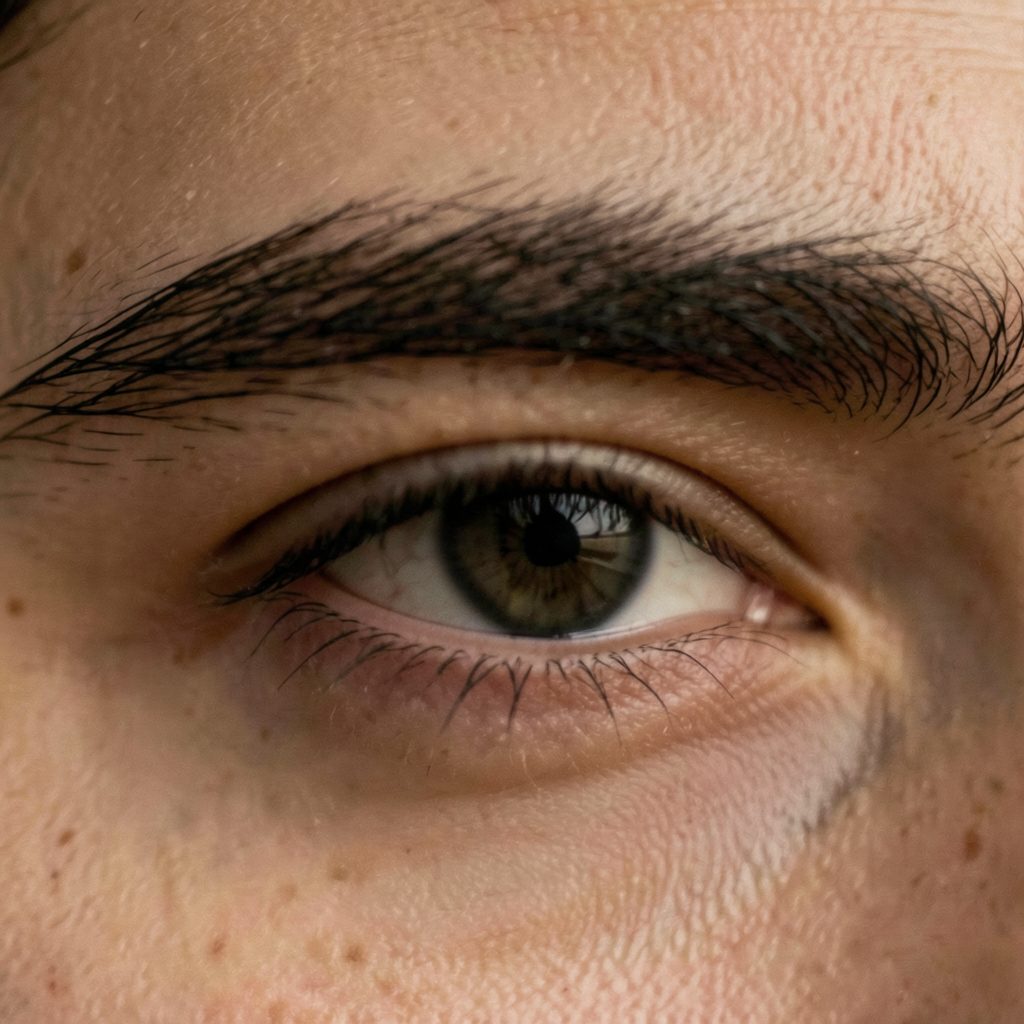
Hooded eyes are a natural eye shape where an excess piece of skin from the brow bone partially or completely covers the eyelid. The result can make eyes appear smaller or more tired than they feel.
This shape can be present from birth due to genetics, or it can develop over time. Known causes include aging, genetic traits, eye rubbing, body fatness, muscle structure, trauma, solar radiation, and sleep apnea.
Jennifer Lawrence’s eye shape is one of the features that gives her face a distinctive, expressive quality. When her eyes are open, the skin and soft tissue above the crease can sit low over the mobile eyelid, making the upper lid appear smaller and creating the characteristic hooded-eye look.
This is a normal variation in facial anatomy rather than a flaw to correct. Lighting, facial expression, makeup placement, camera angles and age can all make the hood appear stronger or softer. Understanding these influences helps explain why celebrities like Jennifer Lawrence have such noticeable hooded eyes in some photographs but a more open-looking gaze in others.
Hooded eyes usually have extra skin, fat or muscle tissue between the brow and the natural eyelid crease. The brow bone may also project forward, causing the upper lid skin to fold down towards the lash line. In Jennifer Lawrence’s case, this combination is especially visible in relaxed portraits and red-carpet photographs taken from the front.
The amount of visible eyelid space can change substantially. When she raises her brows, smiles or looks directly into bright lights, the upper lid may seem more exposed. With a neutral expression, the skin above the crease rests lower and creates a stronger hooded appearance. A useful comparison of hooded and non-hooded eyes shows why the distinction depends on the relationship between the crease, brow and lash line.
Hooding is often confused with deep-set eyes or a monolid, although these features are not identical. A person can have hooded, deep-set or slightly downturned eyes at the same time, but each description refers to a different aspect of the surrounding anatomy.
Eye shape is strongly influenced by inherited facial anatomy. The position of the brow ridge, orbital bone, eyelid crease and soft tissue is passed through families in much the same way as other facial characteristics. This explains why some people have visible hooding from childhood, while others develop it gradually.
The causes of hooded eyes can include inherited structure, natural ageing, changes in body composition and repeated facial movement. The reasons hooding develops vary from person to person, so a celebrity photograph cannot reveal exactly which factor is responsible for one individual.
Jennifer Lawrence’s eye area also sits within her wider facial proportions. Her brows, cheekbones and forehead shape frame the eyes, making the fold more noticeable than it might be on a face with a flatter brow bone. That balance contributes to her recognisable appearance rather than representing an isolated eyelid feature.
Photography can alter how hooded eyes appear. A high camera angle may hide the upper eyelid, while a lower angle can emphasise the brow and make the eye opening look narrower. Direct flash can flatten facial contours, whereas side lighting creates shadows beneath the brow and increases the impression of a fold.
Editorial makeup and retouching also affect celebrity images. Heavy liner close to the lashes can make the visible lid look smaller, while a carefully blended matte shade above the crease can give the illusion of extra height. Digital editing may smooth the skin without changing the underlying structure, or it may subtly alter proportions in ways viewers do not notice.
Expression is equally important. A lifted brow can temporarily reveal more lid space, while a relaxed forehead lets the hood settle naturally. Squinting in sunlight, laughing, speaking or looking down can make the upper fold appear more pronounced, which is why two photographs from the same event may show very different versions of Jennifer Lawrence’s eyes.
Hooded eyelids benefit from makeup that remains visible when the eyes are open. Applying a transition shade slightly above the natural crease can create definition without placing all the colour in a fold that disappears. Matte or satin textures are often easier to control than very reflective shadows across the hood.
A thin liner usually preserves more visible lid space than a thick band. Many people with hooded eyes find that a small upward flick looks better when drawn with the eyes open and relaxed, because a closed-eye line can become uneven once the lid folds. Tightlining the upper lash line can add intensity while keeping the mobile lid open.
Australian conditions can influence wearability. Humidity in Brisbane and Darwin, summer heat in Sydney, and dry indoor air in Melbourne may cause cream products to crease or liner to transfer. An eye primer, waterproof formula and careful powdering can help, while sunglasses and SPF around the eye area are practical habits during Australia’s strong UV seasons.
These methods do not try to remove the natural hood. They work with the available space and create definition that remains visible during everyday expressions. Jennifer Lawrence’s makeup artists frequently use soft blending, lifted lashes and balanced brows to complement her eye shape without making it look artificial.
The brow shape has a major effect on perceived hooding. A very straight, heavy brow can make the upper eye area appear more compact, while a softly lifted arch can create visual space. Over-plucking can make the brow look disconnected from the eye, so a balanced shape is usually more flattering than chasing maximum height.
Lashes can provide a similar opening effect. A curled lash line and length concentrated towards the centre or outer third can make the eyes appear larger. False lashes with a lightweight, flexible band are generally more comfortable for hooded lids than very dense styles that cast a heavy shadow over the eye.
Age also changes the upper eyelid. Skin gradually loses elasticity, and the brow may descend slightly as supporting tissues alter. Fine lines, swelling, allergies and sleep patterns can affect the appearance from day to day. These changes are normal, and they do not mean that a naturally hooded eye has suddenly become unhealthy.
For Australians, daily sun exposure is a relevant consideration. Regular broad-spectrum sunscreen, sunglasses and hats can help protect the delicate surrounding skin, although sunscreen should be applied carefully and kept away from the eye itself. People in Perth, Adelaide and regional areas may receive substantial incidental UV exposure during commuting, sport and outdoor work.
Celebrity comparisons are useful for recognising different eye shapes, but photographs should not be treated as anatomical measurements. Jennifer Lawrence may appear more hooded in an unretouched close-up and less hooded in a beauty campaign with lifted brows, strategic shadow and controlled studio lighting.
Facial movement also creates variation between celebrities. One person may have a prominent brow ridge, another may have a lower crease, and another may have excess upper-lid skin associated with age. Labelling all these appearances simply as “hooded eyes” can overlook important differences in deep-set, downturned, asymmetrical or partially hooded eyes.
Makeup trends can further blur the comparison. A smoky eye placed high above the crease may make the eye look more open, while a graphic liner design can emphasise the hood. Australian beauty retailers carry many products promoted for “lifting” or “opening” the eyes, but the result depends more on placement and formula than on the marketing claim.
The most useful comparison is often between a person’s own relaxed, smiling and photographed expressions. This gives a clearer sense of how the eyelid behaves throughout the day than comparing one carefully posed image with another.
Some people explore non-surgical or surgical options when upper-lid hooding interferes with vision, causes forehead strain or remains personally bothersome. A brow lift using botulinum toxin may create a subtle elevation in selected areas, although the effect is temporary and depends on muscle balance. An uneven result, drooping brow or heavy eyelid sensation can occur if treatment is poorly planned.
Blepharoplasty removes or repositions selected skin and tissue from the upper eyelid. It is a surgical procedure, not simply a beauty treatment, and suitability depends on anatomy, medical history, expectations and functional concerns. Potential risks include asymmetry, dry eyes, scarring, infection, bleeding, altered eyelid position and the need for revision.
In Australia, cosmetic practitioners should be registered through the Australian Health Practitioner Regulation Agency, and patients can check a practitioner’s registration before booking. Cosmetic surgery advertising and informed-consent requirements are regulated, while private health insurance and Medicare coverage depend on whether a procedure meets relevant medical criteria. Fees, waiting periods and out-of-pocket costs should be clarified directly with the clinic rather than assumed from an online advertisement.
After treatment, swelling and bruising can temporarily make hooded eyes look more dramatic. Following instructions about cold compresses, sleeping position, medication, wound care and sun protection is important. Any sudden vision change, severe pain, worsening redness or unusual discharge warrants prompt medical attention.
Jennifer Lawrence’s appearance demonstrates that noticeable hooding can be an attractive and defining feature. Whether the goal is a soft everyday look, a smoky evening style or a clinical assessment, the most reliable approach is to understand the individual eye structure first and choose techniques or treatments accordingly.
Use the shape of the eye as the starting point: map shadow above the crease, keep liner controlled, lift the lashes and assess makeup in natural light. If hooding affects comfort or vision, arrange a consultation with an appropriately qualified Australian health professional rather than relying on celebrity images or social media filters.
Surgical Option
For those seeking a more lasting result, plastic surgery — including blepharoplasty — is covered as a treatment option for hooded eyes. Surgery addresses the excess skin directly and is considered an alternative to non-surgical approaches like Botox.
The site's surgery guide explains the procedure, what to expect, and how it compares to non-surgical routes, helping readers make informed decisions about their options.
Read the Surgery Guide →Famous Faces
Hooded eyes can enhance facial expressions and contribute to a distinctive, memorable look. These ten well-known figures all share the eye shape.
Jennifer Aniston
Leonardo DiCaprio
Solange Knowles
Taylor Swift
Michelle Williams
Robert Pattinson
Blake Lively
Selena Gomez
Gigi Hadid
Benicio del Toro
Side by Side
False Lash Guide
Varied length spikes create texture and the illusion of depth without weighing down the lid.
Longer outer-corner lashes draw the eye outward and upward, counteracting the hood effect.
A uniform, moderate length that adds definition without overwhelming a hooded lid.
Applied only to the outer half, these open up the eye shape and are easier to manage on hooded lids.
A strong upward curl (D or L curl) lifts lashes away from the hood, keeping them visible throughout the day.
The guide also covers lash curlers, mascara recommendations, and step-by-step instructions for fixing false lashes on hooded eyelids.
Full Lash Guide →Get in Touch
Whether you are just beginning your makeup journey or have been experimenting with different looks for years, we are glad you are here.
General Feedback
Share your thoughts on the site or suggest topics you'd like covered.
Looking for a Specific Tip?
Ask about a particular technique or eye-shape challenge.
Product Questions
Questions about products mentioned across the site.
Human Resources or Business Inquiries
Partnership, collaboration, or business-related correspondence.