01
Makeup Tips
Eyeshadow placement, blending techniques, and common mistakes to avoid for a more open, lifted look.
Explore →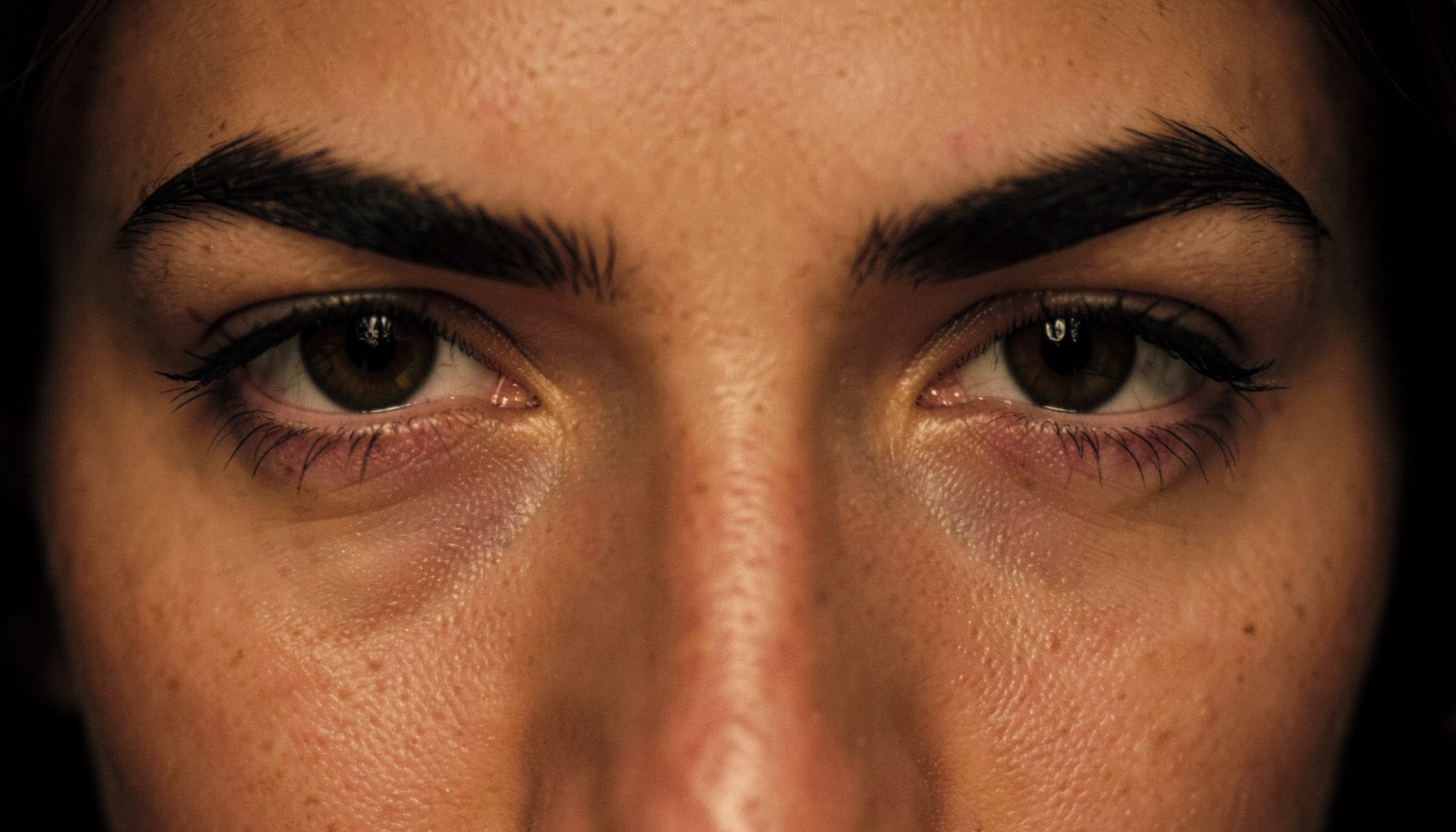
Eye Shape Guide
Understand your eye shape, master makeup techniques, and explore every treatment option — from Botox brow lifts to surgical solutions.
Explore the Site
Eyeshadow placement, blending techniques, and common mistakes to avoid for a more open, lifted look.
Explore →Winged liner, smudge prevention, and techniques that work with hooded lids to make eyes appear larger.
Explore →Non-surgical Botox brow lifts and surgical options including blepharoplasty, explained clearly.
Explore →Five false lash styles suited to hooded eyes, plus curler and mascara guidance for maximum lift.
Explore →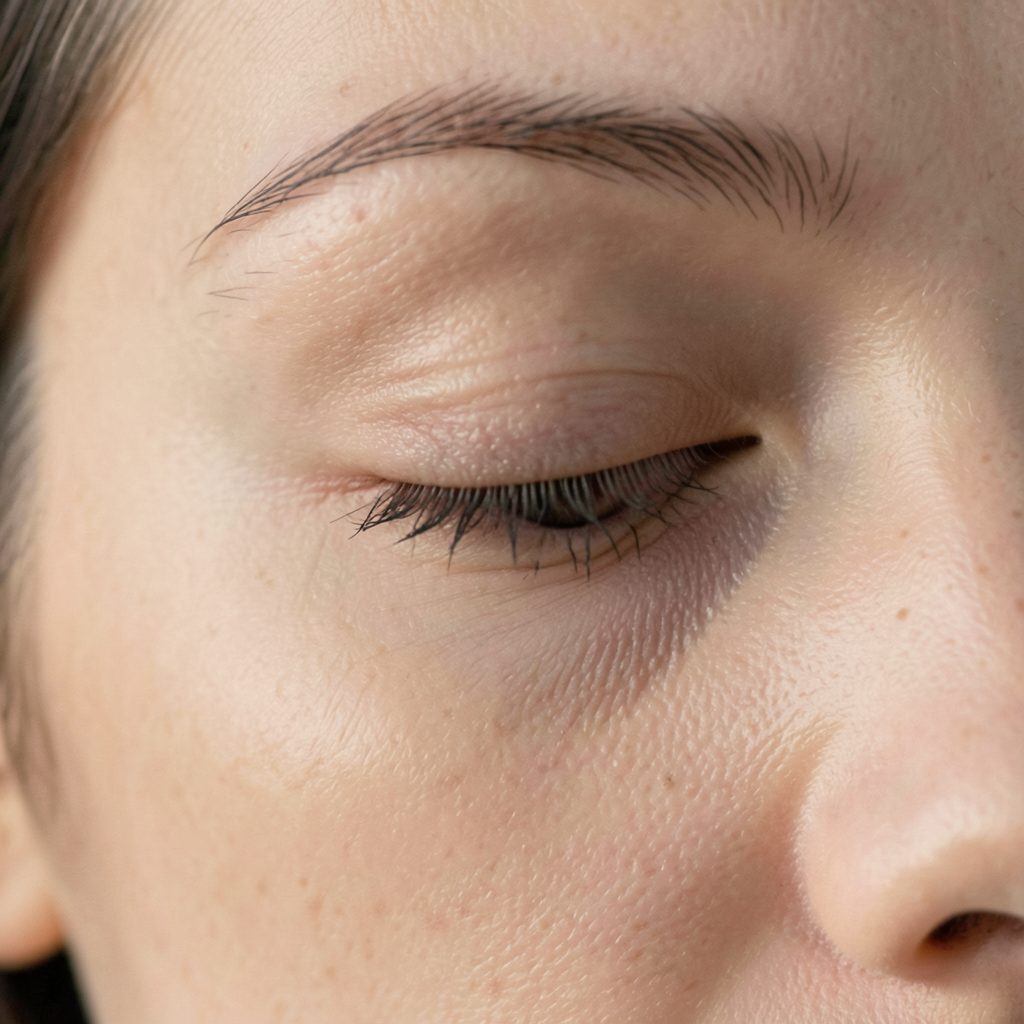
What Are Hooded Eyes?
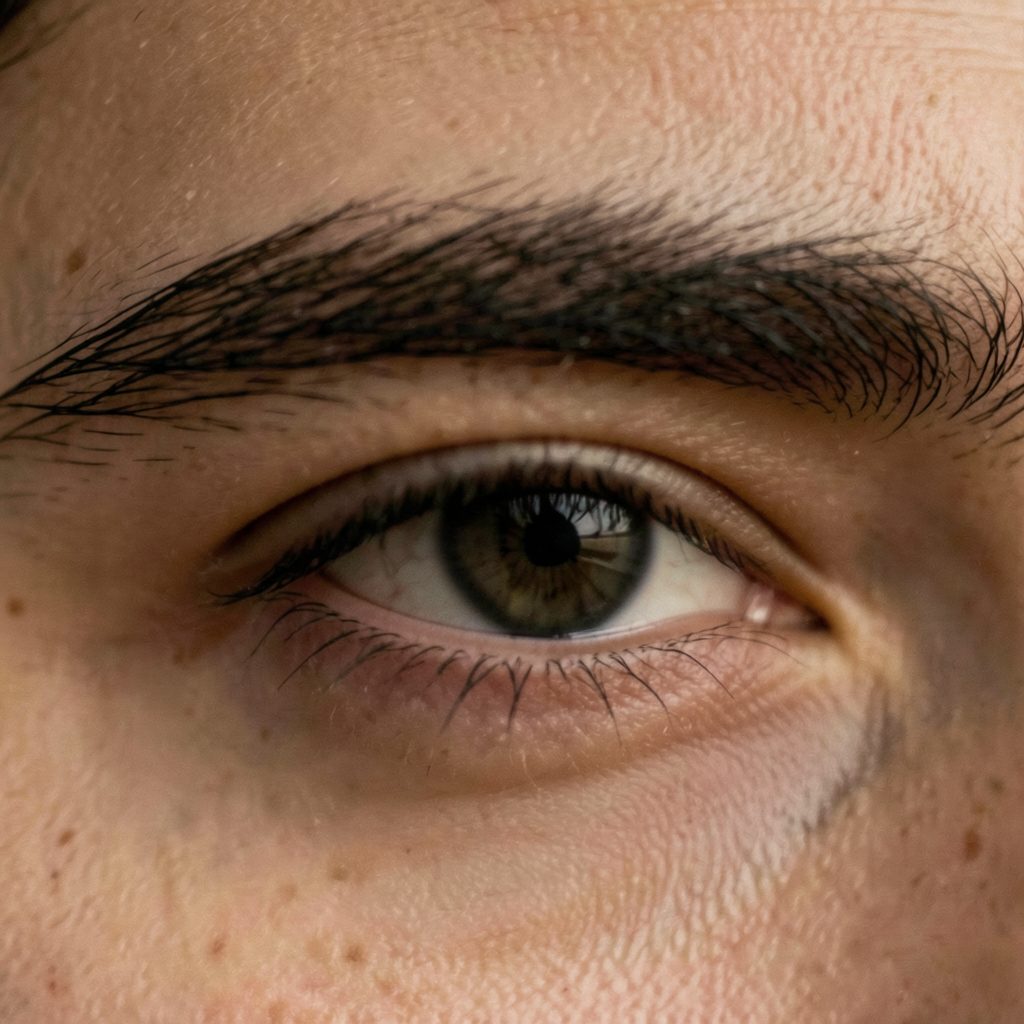
Hooded eyes are a natural eye shape where an excess piece of skin from the brow bone partially or completely covers the eyelid. The result can make eyes appear smaller or more tired than they feel.
This shape can be present from birth due to genetics, or it can develop over time. Known causes include aging, genetic traits, eye rubbing, body fatness, muscle structure, trauma, solar radiation, and sleep apnea.
Heavy hooded lids have a fold of skin that sits over part of the mobile eyelid and may cover the crease when the eyes are open. The amount of hooding can vary between both eyes, and it may become more noticeable with age, tiredness, fluid retention or a naturally low brow. Makeup needs to work with the visible space rather than follow techniques designed for a deep, exposed crease.
Some popular eye looks can make hooded eyes appear smaller, heavier or less defined. Thick eyeliner on the upper lid, dark shadow placed too low and heavily coated lashes are common examples. These choices are not forbidden, but they need adjusting so the product remains visible when you look straight ahead.
Australia’s bright sunlight also affects how eye makeup wears and appears. A black liner that looks soft indoors in Melbourne may seem much stronger outside, while humidity in Brisbane or Darwin can encourage creasing and transfer. Sunscreen, sweat and watery eyes can further shorten the life of eyeshadow and mascara.
The best approach is selective rather than restrictive. Understanding which placement, texture and application habits create visual weight makes it easier to choose flattering alternatives. Good technique can preserve colour, definition and personality without fighting the natural shape of the eyelids.
Applying a deep brown, charcoal or black shade across the entire mobile lid can make a hooded eye look more recessed. When the eye is open, much of that colour disappears beneath the fold, leaving a narrow dark band that may visually reduce the eye area. A smoky eye can still work, but placing the deepest shade only at the outer corner and lash line usually creates more dimension.
Very dark shadow also tends to collect in the crease, especially when the skin folds over itself. Cream formulas may migrate in warm weather, while powder can settle into fine lines after several hours. In Queensland’s humid summer, an eye primer suited to oily or combination skin can help, but it cannot compensate for excessive product.
A better placement is to use a light-reflecting or medium-toned shade on the visible lid and blend a softly lifted transition colour slightly above the natural fold. Keep the upper edge diffused rather than drawing a hard stripe. Test the makeup with your eyes relaxed and open; this reveals whether the intended shape can actually be seen.
Shimmer needs similar care. Large glitter particles or metallic cream shadow placed directly in the fold can emphasise texture and transfer under the brow. Satin finishes and finely milled shimmer are generally easier to control, particularly for daytime makeup worn through commuting, office hours or outdoor errands.
A wide strip of liquid liner can consume most of the visible lid on a hooded eye. Once the eye opens, the line may look uneven, hidden or heavier at the centre than intended. Extending a thick line across the entire upper lid can also make the lash roots appear lower and the eyes look more closed.
For everyday definition, press pencil or gel liner between the lashes instead of drawing a broad stripe above them. Keep the inner and middle sections fine, then add a little width towards the outer corner. A short, lifted flick often suits hooded eyes better than a long, straight wing that follows the fold and disappears.
The finished shape should be checked from the front, not only with the eye shut. This is especially important when using waterproof formulas, which set quickly and are difficult to soften. The guide to hooded eyes eyeliner offers further direction on adapting line thickness and wing placement to the amount of lid space available.
Avoid pulling the outer corner tightly while applying liner. Stretching the skin can create a smooth temporary surface, but the line may look distorted once the skin is released. Rest your elbow on a table, look slightly downward into a mirror and work in short sections. These small changes improve control without requiring expensive products from a department-store beauty counter.
Many eyeshadow tutorials instruct people to place a crease shade in the natural crease. With heavy hooded lids, that crease may be hidden when the eyes are open, so following it precisely can leave the colour invisible. It can also create a muddy shadow directly under the fold rather than the lifted effect most people want.
Instead, apply the transition shade where it can be seen above the fold with the eyes open. Use a small amount at first and blend upwards towards the brow bone, stopping before the eyebrow. The placement does not have to mimic a real crease; it is an optical guide that creates visible structure.
Avoid taking a deep shade too far into the inner corner or high across the entire brow bone. This can make the eye look tired and reduce the clean contrast between the lid and surrounding skin. A soft matte beige, taupe or muted brown is usually easier to build than a highly pigmented colour that becomes difficult to correct.
Brows affect this balance as well. A low brow or brow heaviness can make the upper eye area look crowded, while aggressive over-plucking may leave insufficient structure. If a drooping brow seems to be affecting vision or makeup placement, read about brow ptosis causes before assuming the issue is simply a makeup problem.
Long, dense lashes can be beautiful, but very heavy extensions or strip lashes may press against the hood and cast a shadow over the eye. Thick bands can also lift at the inner or outer corners as the eyelid moves. This is particularly inconvenient in warm Australian conditions, when perspiration can weaken lash adhesive.
Avoid applying several wet coats of mascara before the previous layer has set. The result can be clumps that pull the lashes downward and make the eyes look less open. Curl the lashes first with a clean tool, concentrate mascara at the roots and use a separating formula through the tips.
Water-resistant mascara may be practical for Sydney humidity, beach days or long events, but it should be removed gently. Rubbing can irritate the lash line and encourage lash breakage. Use a bi-phase remover or a cleansing balm, hold it over the lashes briefly and wipe in the direction of growth.
If choosing extensions or a lash lift, check the salon’s hygiene standards and ask about patch testing. Allergic reactions around the eyes can be serious, and “natural” or “sensitive” marketing does not guarantee that a product is suitable for everyone. Australian salons and consumers should take ingredient information and safe application seriously rather than relying on an attractive label.
Thick concealer beneath the eyes can gather along the lower lash line and exaggerate the appearance of hooding. Applying a large amount to the upper lid may produce the same effect, especially if the concealer is emollient. Use a thin layer, set only where necessary and leave some natural skin visible.
Cream shadow without a compatible primer is another common source of transfer. This does not mean every cream formula should be avoided. Choose a quick-setting product, apply a small amount and keep it away from the deepest fold. Powdering the entire lid heavily can look dry, so target the areas that crease rather than coating the skin automatically.
Skincare and sun protection also need thoughtful placement. Broad-spectrum sunscreen is essential in Australia, but rich eye creams or sunscreen that migrates into the fold can make makeup slide. Allow skincare to absorb, remove excess residue with a clean tissue and use products labelled for the eye area. Never apply household or non-eye-safe products close to the lash line.
Check expiry dates, smell and texture changes, and replace products used around the eyes at appropriate intervals. Do not share mascara, liquid liner or lash tools. If redness, swelling, pain or persistent watering develops, stop using the suspected product and seek medical advice. Makeup irritation is different from ordinary creasing and should not be concealed with more cosmetics.
Cosmetic procedures are sometimes considered when upper-lid skin or brow position affects appearance. Botox brow lifting and blepharoplasty require professional assessment, realistic expectations and discussion of risks, including asymmetry, dry eyes and changes to eyelid function. In Australia, cosmetic injectables are prescription medicines and should be administered by an appropriately qualified, registered practitioner under the relevant Therapeutic Goods Administration framework. Makeup adjustments are the safer first step for many people, while treatment decisions deserve separate medical guidance.
The Australian beauty market makes it easy to experiment without spending a fortune. Priceline and Chemist Warehouse carry accessible primers, pencils and mascaras, while Mecca and independent retailers offer a wider range of finishes and shades. Buy for formula and wear requirements rather than assuming a premium price will solve placement problems. Test products in natural daylight, especially before choosing a dramatic black or reflective finish.
A simple routine can keep heavy hooded lids looking fresh: prep lightly, use a visible transition shade, brighten the mobile lid, define between the lashes, curl and separate the lashes, then inspect the result with your eyes open. Save the strongest pigment for the outer corner and keep the brow area clean. This creates definition that remains visible through movement, conversation and the changing light of an Australian day.
Explore the hooded eyes beauty guide for practical tutorials on eyeshadow, eyeliner, lashes and cosmetic options. Start by changing one habit at a time, photograph the result in daylight and build a routine that feels comfortable, balanced and wearable.
Surgical Option
For those seeking a more lasting result, plastic surgery — including blepharoplasty — is covered as a treatment option for hooded eyes. Surgery addresses the excess skin directly and is considered an alternative to non-surgical approaches like Botox.
The site's surgery guide explains the procedure, what to expect, and how it compares to non-surgical routes, helping readers make informed decisions about their options.
Read the Surgery Guide →Famous Faces
Hooded eyes can enhance facial expressions and contribute to a distinctive, memorable look. These ten well-known figures all share the eye shape.
Jennifer Aniston
Leonardo DiCaprio
Solange Knowles
Taylor Swift
Michelle Williams
Robert Pattinson
Blake Lively
Selena Gomez
Gigi Hadid
Benicio del Toro
Side by Side
False Lash Guide
Varied length spikes create texture and the illusion of depth without weighing down the lid.
Longer outer-corner lashes draw the eye outward and upward, counteracting the hood effect.
A uniform, moderate length that adds definition without overwhelming a hooded lid.
Applied only to the outer half, these open up the eye shape and are easier to manage on hooded lids.
A strong upward curl (D or L curl) lifts lashes away from the hood, keeping them visible throughout the day.
The guide also covers lash curlers, mascara recommendations, and step-by-step instructions for fixing false lashes on hooded eyelids.
Full Lash Guide →Get in Touch
Whether you are just beginning your makeup journey or have been experimenting with different looks for years, we are glad you are here.
General Feedback
Share your thoughts on the site or suggest topics you'd like covered.
Looking for a Specific Tip?
Ask about a particular technique or eye-shape challenge.
Product Questions
Questions about products mentioned across the site.
Human Resources or Business Inquiries
Partnership, collaboration, or business-related correspondence.