01
Makeup Tips
Eyeshadow placement, blending techniques, and common mistakes to avoid for a more open, lifted look.
Explore →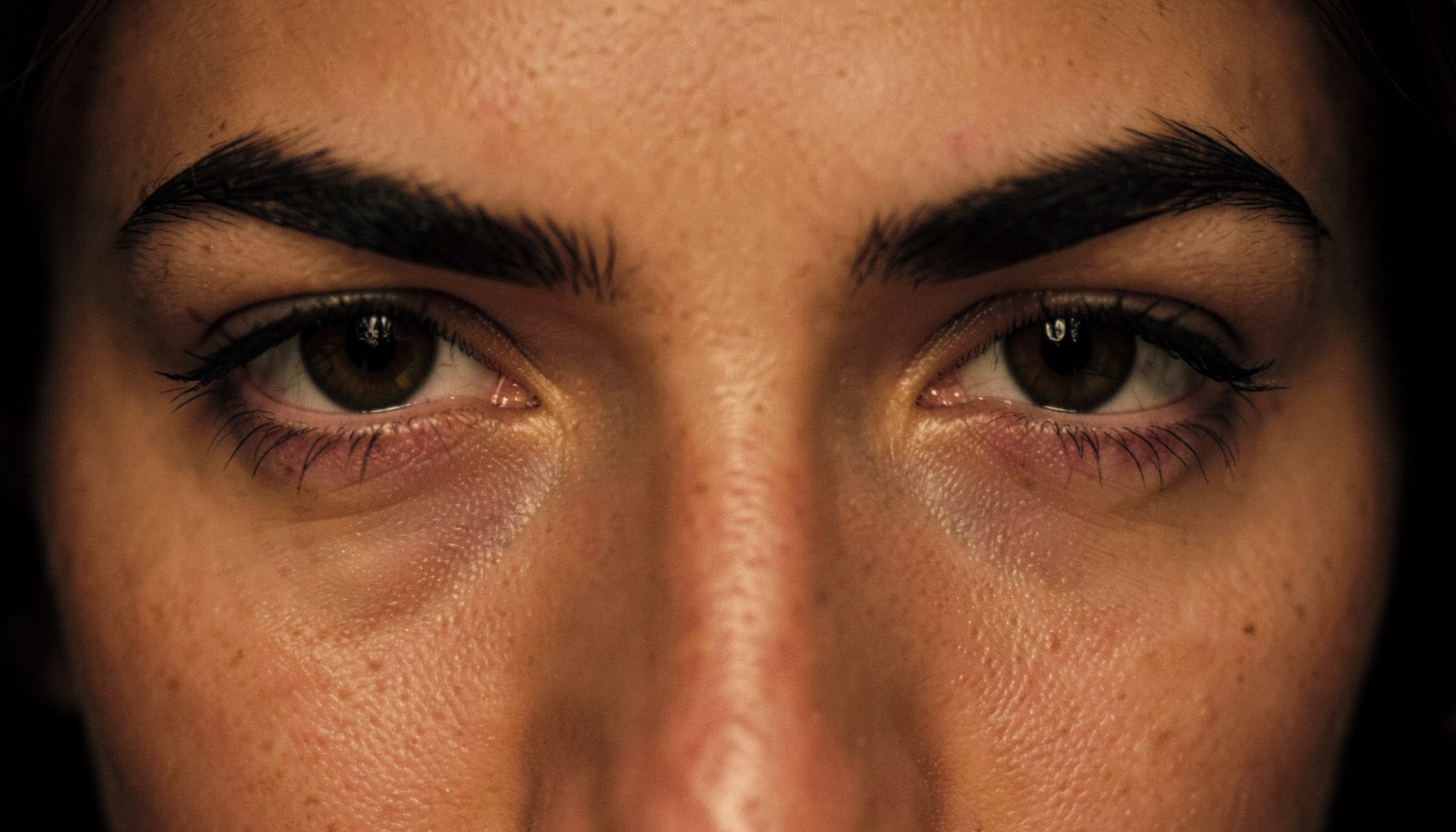
Eye Shape Guide
Understand your eye shape, master makeup techniques, and explore every treatment option — from Botox brow lifts to surgical solutions.
Explore the Site
Eyeshadow placement, blending techniques, and common mistakes to avoid for a more open, lifted look.
Explore →Winged liner, smudge prevention, and techniques that work with hooded lids to make eyes appear larger.
Explore →Non-surgical Botox brow lifts and surgical options including blepharoplasty, explained clearly.
Explore →Five false lash styles suited to hooded eyes, plus curler and mascara guidance for maximum lift.
Explore →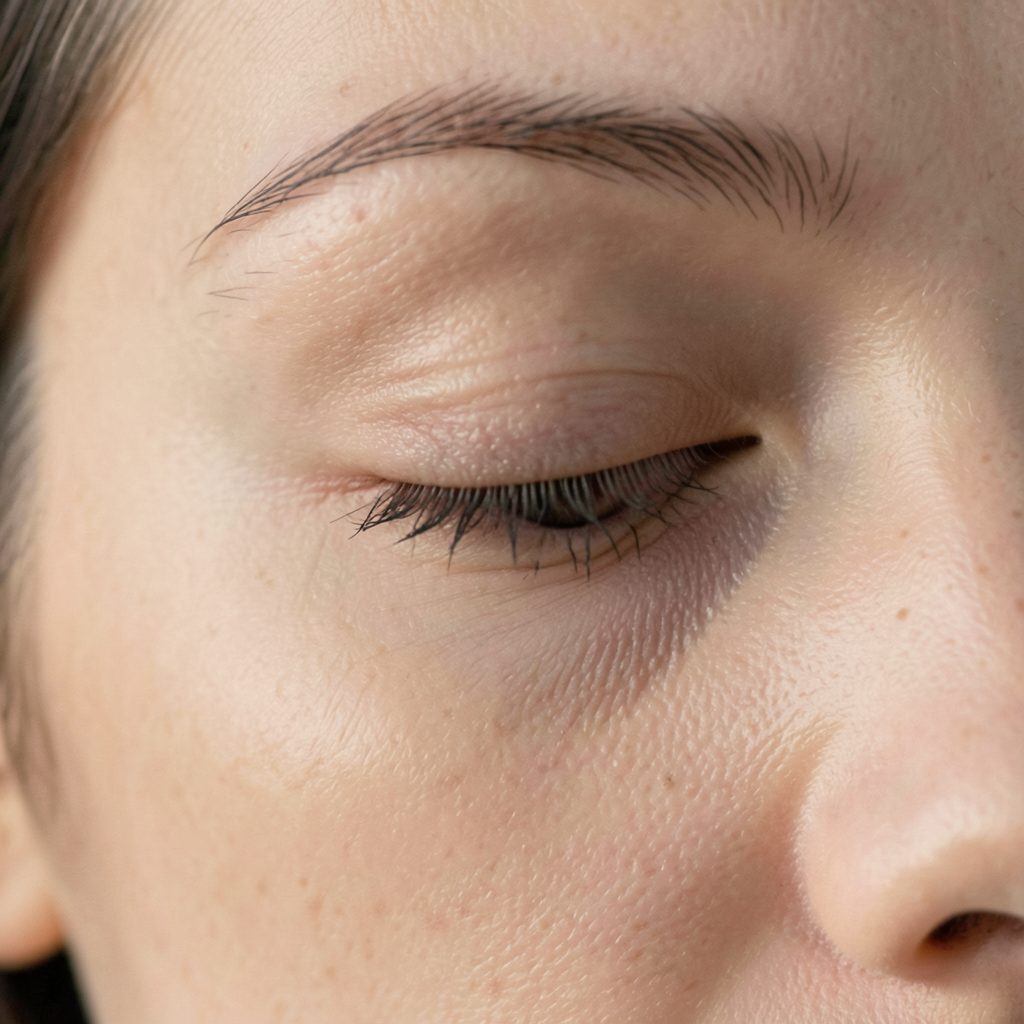
What Are Hooded Eyes?
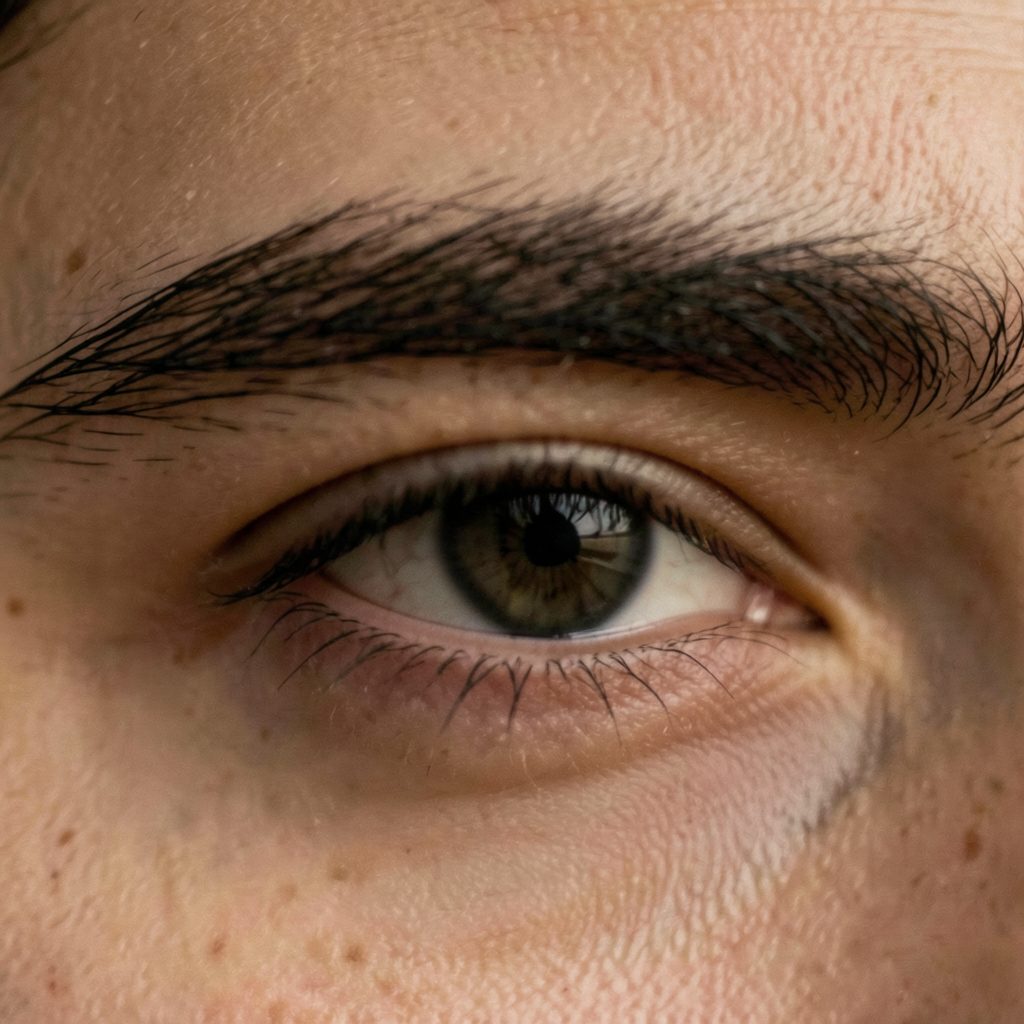
Hooded eyes are a natural eye shape where an excess piece of skin from the brow bone partially or completely covers the eyelid. The result can make eyes appear smaller or more tired than they feel.
This shape can be present from birth due to genetics, or it can develop over time. Known causes include aging, genetic traits, eye rubbing, body fatness, muscle structure, trauma, solar radiation, and sleep apnea.
Hooded eyes can make the upper eyelid look smaller because skin, soft tissue or a lower brow rests over the natural crease. The effect may be subtle, pronounced, symmetrical or different on each side. Some people have had this eye shape since childhood, while others notice changes as the forehead, brows and eyelid skin alter with age.
A brow lift and blepharoplasty address different structures. A brow lift raises or reshapes the eyebrow position, while upper eyelid surgery removes or repositions excess skin and, in selected cases, fat or muscle. Botox can create a modest, temporary brow elevation without surgery, although it cannot remove hanging eyelid skin.
Before considering treatment, identify what is creating the hooded appearance. It may involve the brow, upper eyelid, forehead muscles, orbital anatomy or a combination of factors. Understanding this distinction helps prevent choosing a procedure based solely on photographs or the hope that one treatment will change every feature.
Australian patients should seek an assessment from an appropriately qualified medical practitioner and check registration through AHPRA. A consultation in Sydney, Melbourne, Brisbane, Perth or another Australian city should include a discussion of vision, dry eyes, previous eye surgery, medication, healing risks and the outcome that is realistically achievable for your anatomy.
A hooded upper eyelid has a fold of skin or soft tissue that partially covers the mobile eyelid when the eyes are open. The fold may extend from the inner corner towards the outer corner, or it may be more noticeable at the lateral brow. In some people, the crease is visible when looking straight ahead; in others, it disappears beneath the overhanging tissue.
Ageing can lower the brow and reduce skin elasticity, making an existing hooded eye more prominent. Repeated forehead muscle activity, inherited facial structure and changes in volume around the temple or eye socket can contribute as well. A heavy brow can create the impression of excess eyelid skin even when the eyelid itself has limited laxity.
Hooded eyes are also different from monolids, although the two can sometimes appear similar in photographs. The location of the crease and the way skin folds over the eyelid are useful clues, so this guide to hooded eyes versus monolids can help with basic identification before a professional assessment.
A Botox brow lift uses carefully placed botulinum toxin to relax selected muscles that pull the brow down. When the downward pull is reduced, the opposing forehead muscles may lift the brow slightly. The change is generally subtle, and the result depends on brow position, muscle strength, facial movement and the injector’s understanding of upper-face anatomy.
This approach may suit someone with mild brow heaviness, a low lateral brow or early age-related descent who wants a temporary change without an operation. It can be performed in a clinic, with little disruption to work and social plans. Results commonly develop over several days and last for a limited period, often around three to four months, though individual duration varies.
Botulinum toxin will not excise surplus skin or correct significant eyelid drooping. Excessive treatment can produce an uneven brow, a flatter forehead or a heavy upper lid. There is also a risk of temporary eyelid or brow droop, headache, bruising and asymmetry. In Australia, confirm that the product is approved for its intended use and that treatment is provided by a qualified practitioner using appropriate consent and follow-up processes.
Upper blepharoplasty is an operation that removes or reshapes excess upper-eyelid skin and may address a small amount of muscle or fat. The incision is usually placed within the natural eyelid crease, allowing the scar to sit in a fold as it matures. The aim may be cosmetic, functional or both, particularly when the upper visual field is affected by skin overhang.
Surgery may be considered when hooding is caused mainly by eyelid skin laxity rather than brow position. It can create a more open-looking eye and may make eyeshadow application easier, but it does not automatically lift a low brow. If the brow is the main source of heaviness, removing eyelid skin alone can produce a strained appearance or leave the perceived problem largely unchanged.
A consultation should assess eyelid closure, tear production, brow height, pupil position, visual fields and facial asymmetry. Your surgeon may recommend photographs, visual-field testing or an ophthalmic review when symptoms suggest a functional issue. General information about eyelid surgery options can provide background, but it cannot replace an examination.
A surgical brow lift elevates the forehead and eyebrow tissues through an approach selected for the patient’s anatomy. Techniques can include endoscopic, temporal or direct methods, and the choice depends on hairline, forehead height, brow shape, skin laxity and the amount of correction required. A brow lift may open the upper eye area by repositioning the brow rather than cutting eyelid skin.
This procedure is more relevant when the brow has descended, particularly at the outer third, or when a person unconsciously raises the forehead to see comfortably. It can improve brow position and forehead balance, yet it may not remove a prominent upper-eyelid fold. Some patients benefit from a combined procedure, while others can achieve a pleasing result with one targeted operation.
Surgical brow lifting involves anaesthesia, incisions, swelling and a longer recovery than injectable treatment. Possible complications include numbness, hair loss near an incision, asymmetry, altered forehead movement, infection, bleeding and an over-elevated or surprised appearance. Ask how the surgeon plans to preserve natural expression and what will happen if the brow gradually descends again.
A low brow is more likely to be contributing when the brow sits close to the upper eyelid, the outer brow has flattened or descended, and the forehead lifts when you relax your face. Looking at older photographs can show whether the change is recent or part of your natural structure. Comparing the brow position at rest with the brow position when deliberately raised can also reveal compensatory muscle activity.
A simple clinical assessment may involve gently supporting the brow while observing the eyelid. If lifting the brow reduces the hooding significantly, brow position may be important. If a substantial fold remains, the eyelid itself may need attention. These observations are useful for discussion but should not be used to diagnose yourself or select a procedure.
Consider the effect on function as well as appearance. Difficulty applying eyeliner, a tired-looking gaze, forehead tension and reduced superior vision can all be relevant. In Australia, Medicare coverage is generally limited to procedures that meet functional or medical criteria, and purely cosmetic treatment is usually self-funded; ask the clinic and your private insurer about current requirements rather than assuming a rebate applies.
Botox usually involves brief appointments, mild swelling or bruising and a return to everyday activities soon after treatment. It is reversible as the effect wears off, which can make it appealing for someone testing a small brow change. The trade-off is that the lift is limited and ongoing appointments are required to maintain it.
Blepharoplasty recovery commonly includes bruising, swelling, tightness and temporary changes in eyelid sensation. Strenuous exercise, bending and activities that increase pressure may be restricted for a period advised by the surgeon. Brow lift recovery can involve scalp tenderness, numbness, facial tightness and swelling that takes weeks to settle, with final scar and contour changes continuing for longer.
Important points to discuss before booking include:
Australia’s strong sun makes scar protection especially important after surgery. Follow your surgeon’s instructions about sunscreen, hats and avoiding direct exposure, particularly during summer in places such as Queensland or Western Australia. Do not apply products near a healing incision unless your clinical team has approved them.
Start with the smallest intervention that can reasonably address the actual cause. Mild brow descent without substantial excess skin may respond to a conservative Botox brow lift. A low brow with forehead strain may call for a surgical brow lift. Clear upper-lid skin excess, functional obstruction or a persistent fold may make upper blepharoplasty more appropriate.
A combined procedure can be useful when both structures contribute, but combining treatments also increases operating time, cost and recovery demands. The right choice should reflect your facial proportions, eye health, tolerance for downtime and preference for temporary or lasting change. A dramatic before-and-after image may show a different brow shape, eyelid crease or lighting setup from your own anatomy.
Use consultations to compare recommendations rather than collecting procedures. Seek a second opinion if the proposed change seems excessive, if the explanation is vague or if you feel pressured to book quickly. A suitable practitioner should explain alternatives, limitations and risks in plain language and provide enough time for informed consent.
Useful questions to take to consultations include:
The most appropriate procedure depends on anatomy rather than the label “hooded eyes”. Two people may share a similar fold but need different approaches: one may benefit from Botox, another from blepharoplasty, and a third from brow surgery or no procedure at all. Makeup remains a useful alternative for anyone who prefers to work with the natural shape, using lifted eyeliner, strategic eyeshadow placement, curling techniques and lightweight lashes.
If you are considering treatment, organise an in-person assessment with a qualified Australian practitioner who regularly treats the eyelid and brow region. Bring a list of medicines and supplements, mention previous injectables or operations, and disclose conditions such as thyroid disease, glaucoma, dry eye or bleeding disorders. Do not stop prescribed medicines without medical advice.
Allow time to reflect after consultations. A good result should look balanced at rest and during expression, preserve comfortable eye closure and suit your features rather than copy a celebrity’s brow or eyelid shape. The goal is a refreshed, natural appearance with a clear understanding of what the procedure can and cannot change.
Book a detailed consultation, compare carefully explained treatment plans and choose care that prioritises eye function, proportion and safety. Understanding the source of your hooding is the first practical step towards deciding whether a Botox brow lift, surgical brow lift, upper blepharoplasty or non-surgical styling approach best fits your needs.
Surgical Option
For those seeking a more lasting result, plastic surgery — including blepharoplasty — is covered as a treatment option for hooded eyes. Surgery addresses the excess skin directly and is considered an alternative to non-surgical approaches like Botox.
The site's surgery guide explains the procedure, what to expect, and how it compares to non-surgical routes, helping readers make informed decisions about their options.
Read the Surgery Guide →Famous Faces
Hooded eyes can enhance facial expressions and contribute to a distinctive, memorable look. These ten well-known figures all share the eye shape.
Jennifer Aniston
Leonardo DiCaprio
Solange Knowles
Taylor Swift
Michelle Williams
Robert Pattinson
Blake Lively
Selena Gomez
Gigi Hadid
Benicio del Toro
Side by Side
False Lash Guide
Varied length spikes create texture and the illusion of depth without weighing down the lid.
Longer outer-corner lashes draw the eye outward and upward, counteracting the hood effect.
A uniform, moderate length that adds definition without overwhelming a hooded lid.
Applied only to the outer half, these open up the eye shape and are easier to manage on hooded lids.
A strong upward curl (D or L curl) lifts lashes away from the hood, keeping them visible throughout the day.
The guide also covers lash curlers, mascara recommendations, and step-by-step instructions for fixing false lashes on hooded eyelids.
Full Lash Guide →Get in Touch
Whether you are just beginning your makeup journey or have been experimenting with different looks for years, we are glad you are here.
General Feedback
Share your thoughts on the site or suggest topics you'd like covered.
Looking for a Specific Tip?
Ask about a particular technique or eye-shape challenge.
Product Questions
Questions about products mentioned across the site.
Human Resources or Business Inquiries
Partnership, collaboration, or business-related correspondence.