01
Makeup Tips
Eyeshadow placement, blending techniques, and common mistakes to avoid for a more open, lifted look.
Explore →
Eye Shape Guide
Understand your eye shape, master makeup techniques, and explore every treatment option — from Botox brow lifts to surgical solutions.
Explore the Site
Eyeshadow placement, blending techniques, and common mistakes to avoid for a more open, lifted look.
Explore →Winged liner, smudge prevention, and techniques that work with hooded lids to make eyes appear larger.
Explore →Non-surgical Botox brow lifts and surgical options including blepharoplasty, explained clearly.
Explore →Five false lash styles suited to hooded eyes, plus curler and mascara guidance for maximum lift.
Explore →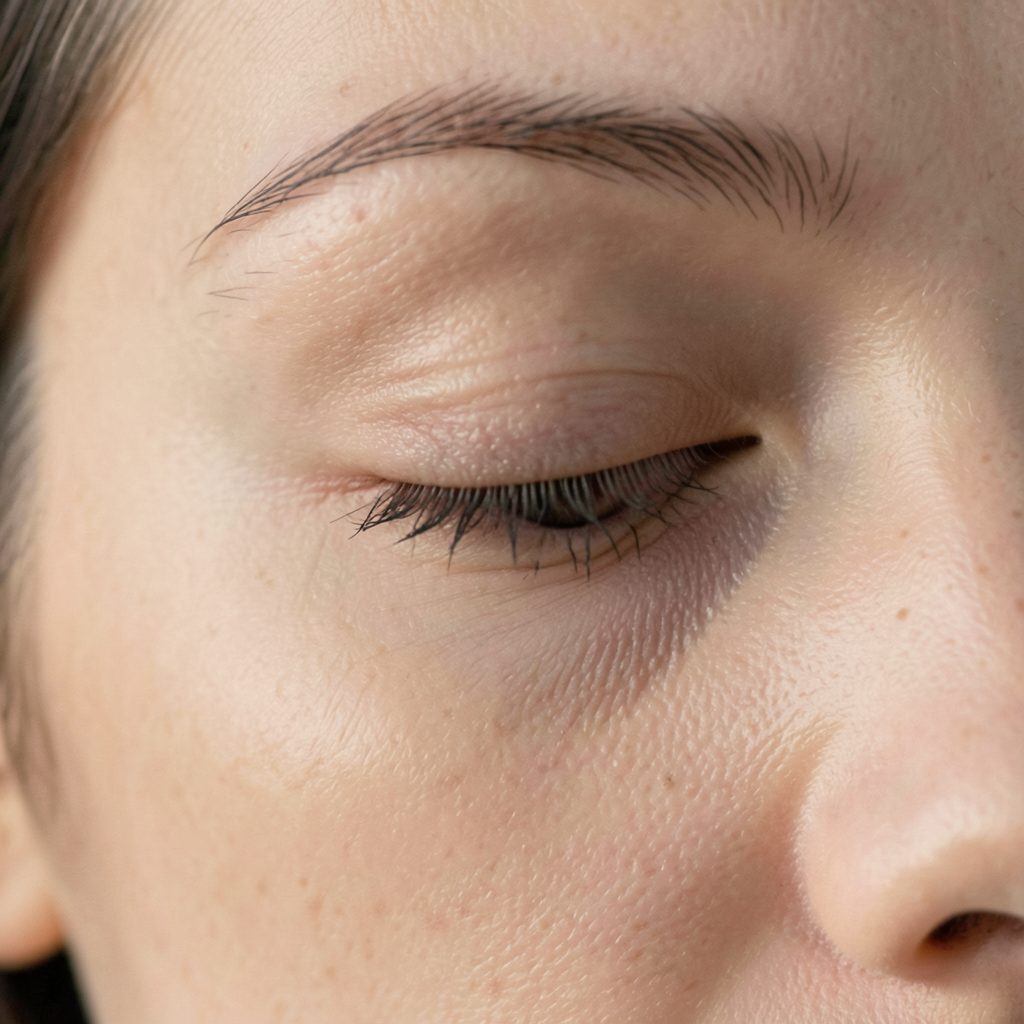
What Are Hooded Eyes?
Hooded eyes are a natural eye shape where an excess piece of skin from the brow bone partially or completely covers the eyelid. The result can make eyes appear smaller or more tired than they feel.
This shape can be present from birth due to genetics, or it can develop over time. Known causes include aging, genetic traits, eye rubbing, body fatness, muscle structure, trauma, solar radiation, and sleep apnea.
Blepharoplasty remains one of the most requested cosmetic procedures among Australians seeking a more open, rested eye appearance. Whether performed on the upper lids, lower lids, or both, the surgery involves removing excess skin and repositioning fat to reduce heaviness. Recovery requires patience, particularly when swelling and bruising are at their peak during the first week. Understanding what to expect helps patients in Sydney, Melbourne, Brisbane, Perth and beyond plan their downtime and feel reassured during healing.
Most patients describe the first three to seven days as the most visually noticeable period, when bruises shift through shades of purple, blue and yellow before fading. Swelling tends to fluctuate, often worsening in the morning and improving through the day. The body's response is entirely normal, yet it can feel uncomfortable without the right aftercare tools and habits. Preparing the home environment before surgery, stocking supplies, and arranging support all contribute to a smoother experience.
Australian surgeons registered with AHPRA typically provide detailed written aftercare instructions, and following them closely reduces complications such as prolonged swelling, infection, or scarring. Many clinics schedule follow-up appointments within the first week to remove sutures and check progress. Knowing what each stage looks like allows patients to focus on healing rather than worrying about every change in the mirror.
The initial three days set the tone for the entire recovery journey. Patients are usually advised to rest with the head elevated on two or three pillows, including during sleep, to prevent fluid pooling around the eyes. Cold compresses applied gently for fifteen to twenty minutes at a time help constrict blood vessels and reduce early swelling. Frozen peas wrapped in a clean cloth are a popular choice in Australian households, as they conform easily to the curve of the eye area.
Pain during this stage is usually mild to moderate and managed with prescription or over-the-counter analgesics recommended by the surgeon. Avoiding aspirin and ibuprofen in the first few days is generally advised because they can thin the blood and worsen bruising. Paracetamol-based options, widely available at Chemist Warehouse and Priceline, are often the preferred alternative for patients who want something simple and effective.
Activities that raise blood pressure, such as bending over, lifting heavy grocery bags, or strenuous exercise, should be postponed for at least the first seventy-two hours. Patients in cities like Adelaide or Hobart, where walking is part of daily life, still benefit from slowing their pace during this window. Gentle short walks around the home are fine and actually encourage circulation to aid healing without straining the incisions.
After the third day, cold therapy can be gradually reduced and replaced with warm compresses to encourage blood flow and help residual bruises fade. Clean washcloths soaked in warm water and wrung out work well, as do cooled chamomile tea bags placed gently over closed eyes. Both options are easy to find in any Australian pantry or local supermarket and offer a soothing ritual before bed.
Sleep remains one of the most powerful recovery tools available. Sleeping flat encourages fluid to settle around the eyes, which is why many surgeons ask patients to keep their heads propped up for one to two weeks. A travel pillow or wedge cushion, both readily available at homewares stores in Melbourne and Brisbane, can make elevated sleeping more comfortable than stacked pillows alone. Silk pillowcases, popular in Australian bedlinen ranges, also feel cooler against tender skin.
Light walking is encouraged from day four onward, as long as the incisions remain clean and dry. Avoiding the gym, swimming pools, and saunas is essential during the first two to three weeks, partly because Australian public pools are chlorinated and can irritate healing wounds. Hot yoga studios, popular in inner-city spaces across Sydney, should also be skipped until cleared by the surgeon. Soft, low-effort stretching at home is a safer substitute for keeping the body moving.
Arnica cream and arnica tablets are widely stocked in Australian health food shops and pharmacies and are often recommended by surgeons to reduce bruising. Vitamin K-based creams are another pharmacy staple that some patients find helpful. These products work gradually and are best combined with consistent cool compresses and rest rather than relied on as a quick fix. Choosing reputable Australian brands ensures products meet local quality standards.
Hydration plays a surprisingly important role in recovery. Drinking plenty of water helps the lymphatic system flush byproducts from bruised tissue more efficiently. In Australia's warm climate, especially during summer in Perth or Darwin, carrying a refillable water bottle becomes part of the daily routine. Herbal teas without caffeine, such as peppermint or rooibos blends found in every supermarket aisle, are also a gentle way to stay hydrated.
Bromelain, derived from pineapple stems, is sometimes suggested as a natural supplement to ease bruising, though patients should always check with their surgeon before starting anything new, particularly if they take other medications. Fresh pineapple, available year-round in Australian greengrocers, is a milder dietary source. Leafy green vegetables, citrus fruits and protein-rich foods supply the vitamins and amino acids needed for tissue repair, and a balanced post-surgery diet can shorten visible recovery time.
Australia's high UV index makes sun protection non-negotiable after blepharoplasty. Freshly healed incisions are vulnerable to pigmentation changes when exposed to UV light, even on overcast days. Surgeons typically recommend wearing UV-protective sunglasses, ideally wraparound styles, every time patients step outside. The Cancer Council Australia offers guidance on choosing compliant sunglasses that filter both UVA and UVB rays, and many optometrists in capital cities stock approved ranges.
Wide-brimmed hats add another layer of shielding, particularly useful during beach days on the Gold Coast or coastal walks in Noosa. A broad-spectrum SPF 50+ sunscreen, applied carefully around (but not directly on) healing incisions, becomes part of the daily routine for several months post-surgery. Australians accustomed to the slip-slop-slap messaging of childhood often find this an easy habit to reinforce, though care must be taken to keep sunscreen away from the incision line until it has fully closed.
Air quality also matters during recovery. Bushfire season in regions like the NSW South Coast or parts of Victoria can introduce smoke and fine particles that irritate healing eyes. Keeping windows closed on high-pollution days, using air purifiers, and avoiding outdoor exercise during smoke advisories all help protect sensitive post-surgical tissue. Patients recovering during winter in cooler states should guard against dry indoor heating, which can leave eyes feeling gritty and slow the comfort of recovery.
Most surgeons give the green light to resume eye makeup around two to three weeks after upper blepharoplasty, once incisions have closed fully. Starting with clean brushes and freshly opened products reduces the risk of introducing bacteria. Mineral-based eyeshadows and gentle, fragrance-free formulas are often well tolerated by healing skin. Cream shadows can also be a kinder starting point than heavy powder formulas during the early weeks of resumed wear.
Heavy, pigment-rich products and waterproof mascara can be tricky on hooded or post-surgical lids if not applied carefully. Patients who enjoyed bold looks before surgery may need to rethink their technique, and learning which formulations and textures work best for recovering lids makes the transition smoother. Once fully healed, many find that lighter application methods actually enhance their eye shape more than before, particularly when paired with lash lifts or careful lash curling that opens the gaze.
Patients should continue attending scheduled follow-up appointments and contact their clinic promptly if they notice increasing redness, swelling, or discharge. Recovery timelines vary depending on age, skin type, whether the surgery was combined with a brow lift, and individual healing patterns influenced by lifestyle factors such as smoking or sun exposure history. The team behind this guide understands how personal the decision to have blepharoplasty is and welcomes questions at every stage of the journey, from the first consultation to the final healed result. For readers planning their next steps and looking ahead to wearing eye makeup again, our detailed guide on eye makeup pitfalls once lids are fully healed is another helpful resource worth bookmarking and revisiting as confidence grows.
Surgical Option
For those seeking a more lasting result, plastic surgery — including blepharoplasty — is covered as a treatment option for hooded eyes. Surgery addresses the excess skin directly and is considered an alternative to non-surgical approaches like Botox.
The site's surgery guide explains the procedure, what to expect, and how it compares to non-surgical routes, helping readers make informed decisions about their options.
Read the Surgery Guide →Famous Faces
Hooded eyes can enhance facial expressions and contribute to a distinctive, memorable look. These ten well-known figures all share the eye shape.
Jennifer Aniston
Leonardo DiCaprio
Solange Knowles
Taylor Swift
Michelle Williams
Robert Pattinson
Blake Lively
Selena Gomez
Gigi Hadid
Benicio del Toro
Side by Side
False Lash Guide
Varied length spikes create texture and the illusion of depth without weighing down the lid.
Longer outer-corner lashes draw the eye outward and upward, counteracting the hood effect.
A uniform, moderate length that adds definition without overwhelming a hooded lid.
Applied only to the outer half, these open up the eye shape and are easier to manage on hooded lids.
A strong upward curl (D or L curl) lifts lashes away from the hood, keeping them visible throughout the day.
The guide also covers lash curlers, mascara recommendations, and step-by-step instructions for fixing false lashes on hooded eyelids.
Full Lash Guide →Get in Touch
Whether you are just beginning your makeup journey or have been experimenting with different looks for years, we are glad you are here.
General Feedback
Share your thoughts on the site or suggest topics you'd like covered.
Looking for a Specific Tip?
Ask about a particular technique or eye-shape challenge.
Product Questions
Questions about products mentioned across the site.
Human Resources or Business Inquiries
Partnership, collaboration, or business-related correspondence.