01
Makeup Tips
Eyeshadow placement, blending techniques, and common mistakes to avoid for a more open, lifted look.
Explore →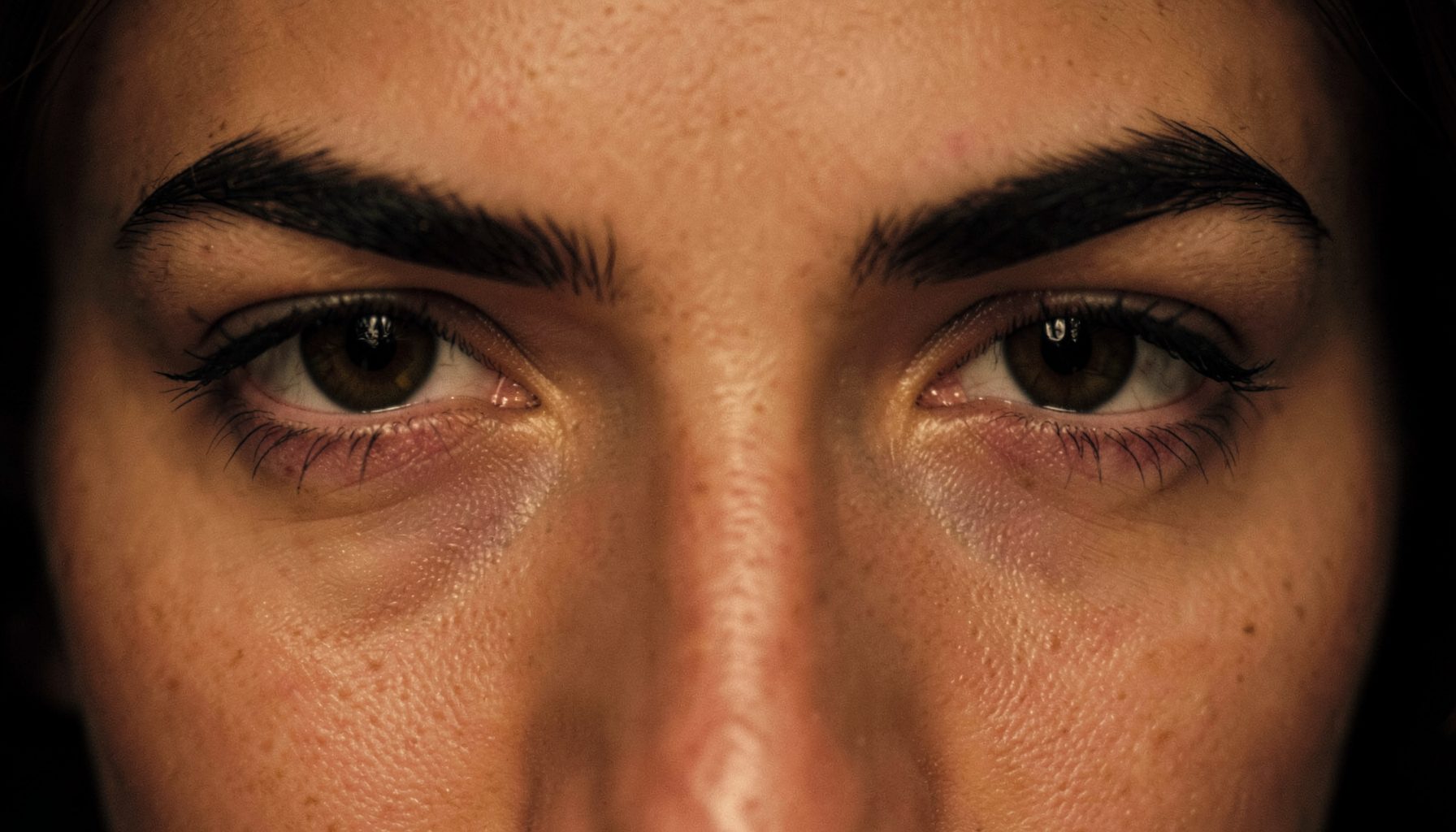
Eye Shape Guide
Understand your eye shape, master makeup techniques, and explore every treatment option — from Botox brow lifts to surgical solutions.
Explore the Site
Eyeshadow placement, blending techniques, and common mistakes to avoid for a more open, lifted look.
Explore →Winged liner, smudge prevention, and techniques that work with hooded lids to make eyes appear larger.
Explore →Non-surgical Botox brow lifts and surgical options including blepharoplasty, explained clearly.
Explore →Five false lash styles suited to hooded eyes, plus curler and mascara guidance for maximum lift.
Explore →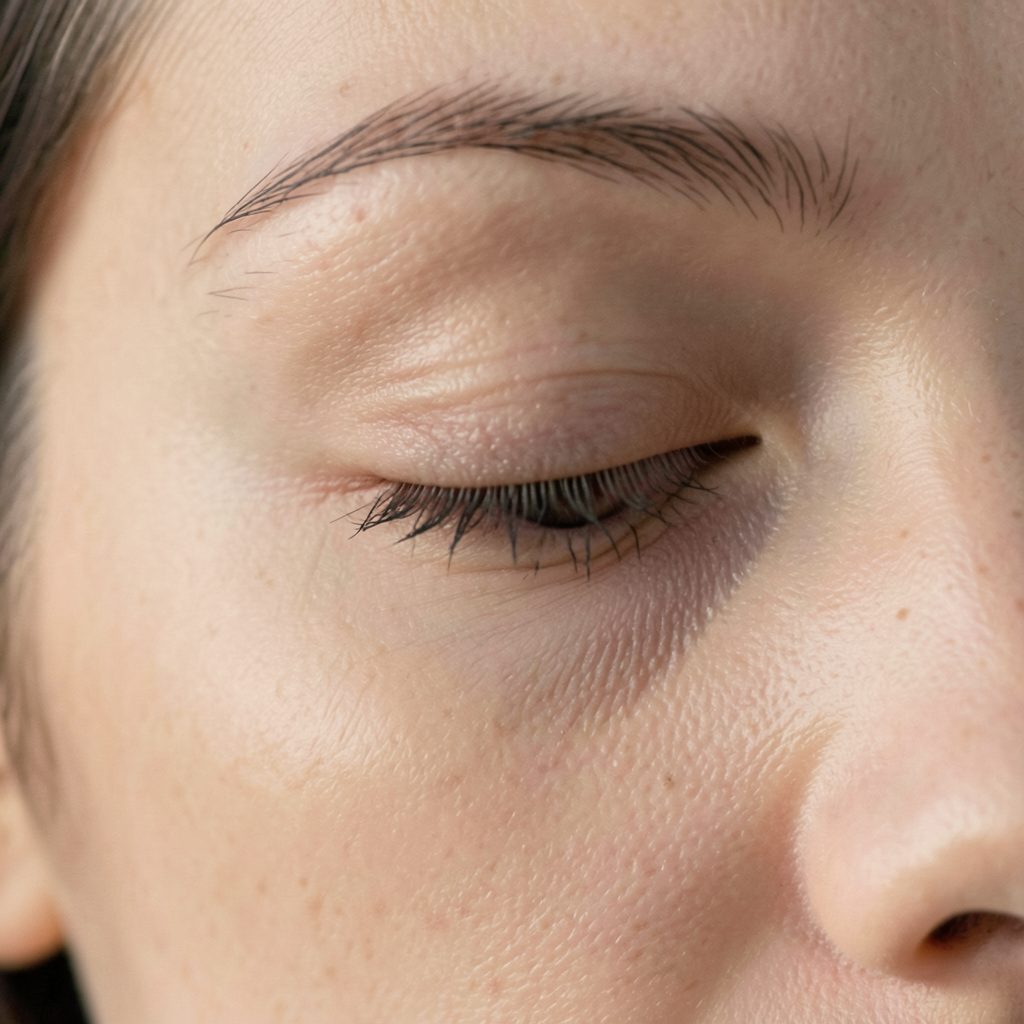
What Are Hooded Eyes?
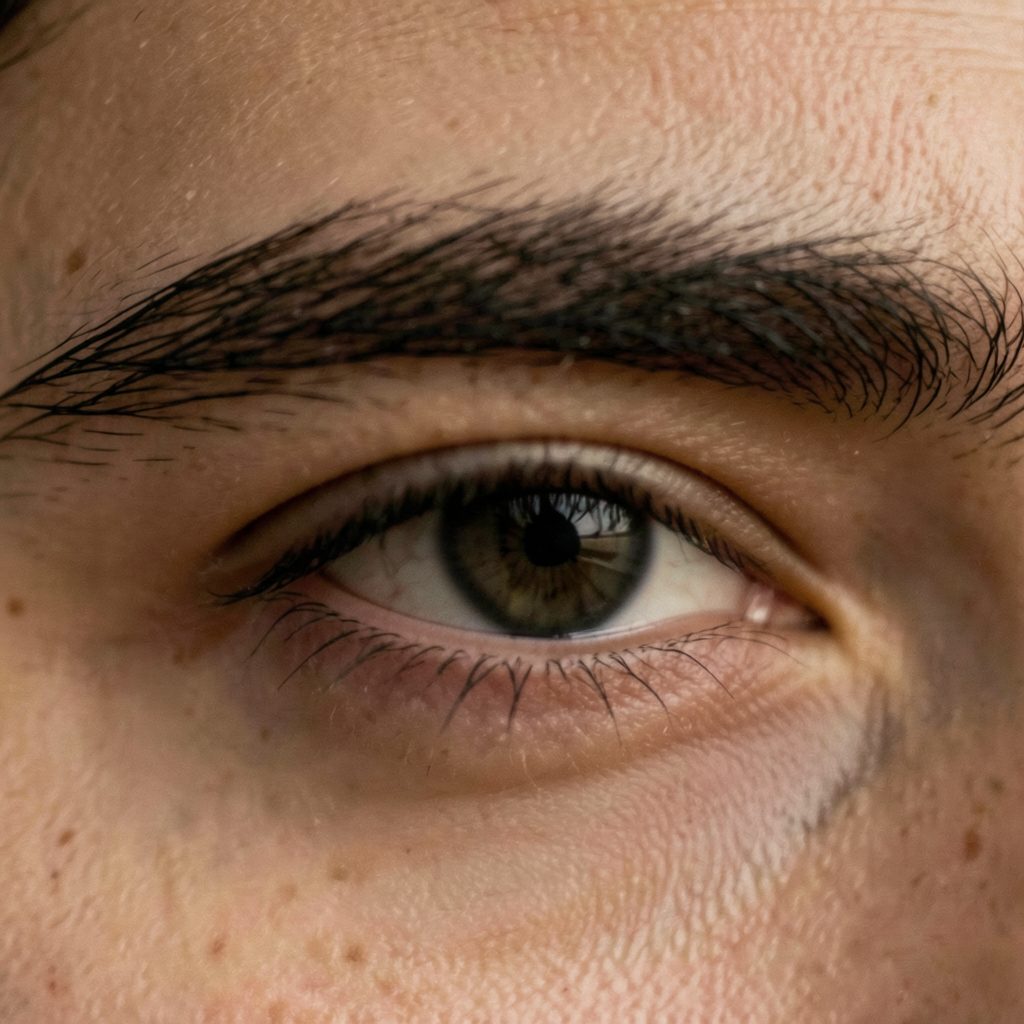
Hooded eyes are a natural eye shape where an excess piece of skin from the brow bone partially or completely covers the eyelid. The result can make eyes appear smaller or more tired than they feel.
This shape can be present from birth due to genetics, or it can develop over time. Known causes include aging, genetic traits, eye rubbing, body fatness, muscle structure, trauma, solar radiation, and sleep apnea.
Hooded eyes have a fold of skin that partially covers the crease and may sit close to the lash line or extend towards the outer corner. This natural structure can make the upper eyelid appear smaller, especially when the eyes are relaxed. Glasses add another visual line around the eye area, so frame shape, lens height and bridge fit can influence how open and balanced the face looks.
The best frames do not need to disguise hooded eyelids. A suitable pair can support your natural features, keep the brows visible and prevent heavy rims from competing with the eye area. Your face shape, prescription, lifestyle and personal style matter just as much as the eye shape itself.
In Australia, eyewear choices also need to work in bright coastal light, dry inland conditions and everyday routines such as driving, commuting and spending time outdoors. Whether you are shopping in Melbourne, Brisbane, Perth or a smaller regional town, use the fitting process to assess comfort and proportion rather than relying on a frame’s appearance on a display stand.
A frame sits across the brow, upper cheek and temples, so it can change the apparent size and position of your eyes. Thick upper rims may visually merge with the hooded fold, while a very low lens can make the upper face look crowded. This does not mean thick frames are unsuitable; their success depends on colour, shape, bridge placement and how much of the brow they cover.
Frames with a moderate lens height often leave enough space between the pupil and the lower rim. This can create a cleaner area around the eyes, particularly when the eyelid fold is prominent. Slightly upswept corners, soft rectangular shapes and shallow cat-eye designs can draw attention outward without requiring dramatic makeup.
The bridge deserves close attention. If it sits too low, the glasses may slide down and cover more of the eyes. If it is too narrow, the frame can pinch or leave pressure marks. Adjustable nose pads can be useful for maintaining a higher, stable position, while a keyhole bridge may provide a comfortable alternative for some nose shapes.
Prescription strength affects the final result too. High plus lenses can magnify the eyes, while high minus lenses can make them appear smaller around the edges. An experienced Australian optometrist can recommend lens materials and frame dimensions that reduce unwanted distortion and maintain a balanced look.
Face shape is a helpful starting point, though it should never be treated as a strict rule. Round faces often suit angular or softly rectangular frames, which add definition. Square faces can look harmonious with rounded, oval or gently curved designs. Oval faces usually accommodate many silhouettes, while heart-shaped faces may suit lighter lower rims and frames that are slightly wider at the bottom.
For hooded eyes, consider how the top edge interacts with the brow rather than choosing a shape based only on face outline. A frame that follows the natural brow without sitting directly over it can give the upper face more breathing room. A subtle browline style may emphasise the eyes attractively, but a very heavy top bar can hide the eyelid area.
Low-bridge fit frames are worth investigating if the glasses repeatedly slip, touch the cheeks or sit too close to the lashes. These designs are common in Australian optical stores and online collections, although names and measurements vary between brands. Ask for the bridge width, lens width and temple length instead of judging size by the label alone.
Colour can adjust visual weight. Clear acetate, pale tortoiseshell, champagne, soft brown and translucent grey tend to create a lighter effect around the eyes. Black, deep burgundy and dark tortoiseshell can look striking, especially with a defined brow, but choose a rim thickness that does not overwhelm your natural eye area.
Lens height is especially important when choosing progressive or multifocal glasses. A lens that is too shallow may leave insufficient room for comfortable distance, intermediate and reading zones. A taller frame can work well, provided its upper edge does not press into the hooded fold or block the brows. Your optometrist should take measurements while the frame is sitting in its final position.
Anti-reflective coating can improve comfort under office lighting, on video calls and while using a laptop. It also reduces glare that may otherwise obscure your eyes behind the lenses. Blue-light coatings are optional rather than essential for everyone; regular breaks, sensible screen distance and appropriate lighting remain important for digital eye comfort.
For outdoor wear, prioritise UV protection and a stable fit. Australians often move between intense sunlight and indoor air conditioning, and many people keep sunglasses in the car for driving. Wraparound frames can protect well at the sides, although they may feel visually strong around hooded eyes. Medium-sized rounded rectangles, softly geometric shapes and lighter temples can provide coverage without making the eye area look enclosed.
Sunglasses sold in Australia are subject to mandatory product requirements under the Australian Consumer Law framework, with lens categories and labelling relevant to sun protection. Look for reputable retailers and clear information about UV performance rather than assuming a very dark lens offers better protection. Polarised lenses can reduce reflected glare from roads, water and pavements, which is useful in places such as Sydney Harbour, the Gold Coast or Perth’s bright western light.
Glasses and eye makeup should support each other. A frame that leaves a little space above the lashes allows mascara, a fine eyeliner flick or softly blended shadow to remain visible. Heavy liner across the entire upper lid can become difficult to see beneath a low frame, while a thinner line focused on the outer third often works more effectively.
The techniques in this hooded eye makeup guide can help you test makeup placement with different frame shapes. Apply products while looking straight ahead rather than with the eyes closed, because the visible lid space changes when the hood rests naturally. Try your glasses on between steps to check whether the frame hides the work or makes the eye look more defined.
Brows also affect the frame relationship. A clean, softly lifted arch can create space above the eyes, but excessive plucking may make the brow look disconnected from the face. Keep the brow shape consistent with your natural bone structure and use a light pencil or tinted gel to fill sparse areas without drawing an overly heavy line.
Mascara needs practical consideration. If your lashes touch the lenses, try a curling formula, a more lifted application at the roots or a frame with slightly greater lens depth. Waterproof mascara can be useful during humid Queensland summers, but remove it gently to avoid rubbing the delicate skin around the hooded fold. Glasses that sit securely reduce the temptation to adjust them throughout the day.
Sleep, ageing and temporary puffiness can change how much hooding appears from morning to evening. This discussion of side sleeping and hooded eyes offers useful context when your eye area looks different on some days. Try frames at more than one time of day before deciding that a particular shape is unsuitable.
A successful fitting combines appearance, comfort and vision. Take a few minutes to look straight ahead, smile, read and move your head. The frame should remain stable without pressing into the temples, touching the cheeks or resting on the eyelashes. If you wear makeup regularly, bring the products you use most often or arrive with your usual brow and mascara routine.
Australian optical practices can adjust many acetate and metal frames, but not every online purchase can be reshaped easily. Routine spectacles are generally not covered by Medicare, although some private health extras policies contribute towards glasses and contact lenses. Check your policy limits, waiting periods and preferred providers before committing to an expensive frame.
Use these checks when comparing several styles:
Your ideal frame may be understated, colourful, vintage-inspired or boldly architectural. Hooded eyes do not impose a single aesthetic. A transparent oversized frame can look modern, a narrow metal oval can appear refined, and a medium cat-eye can lift the visual direction of the face. The important point is that the frame should feel intentional rather than chosen only to minimise the eyelid fold.
Try photographs as well as a mirror. A frame can look balanced in person but appear too dominant in photos, especially with strong overhead lighting. Take images from the front and at a slight angle, then check whether the brows, pupils and lower rim form a comfortable visual relationship. This is particularly helpful when ordering from an Australian online retailer.
For children, teenagers and anyone with changing prescriptions, prioritise durability and correct fit over trend-led proportions. For adults considering cosmetic options such as a brow lift or blepharoplasty, postpone major frame purchases until swelling and measurements have stabilised after professional treatment. Eyewear can be adjusted later, but a temporary fit may be misleading during recovery.
A qualified optometrist can assess your prescription, eye health, pupillary distance and frame position together. Seek prompt professional advice if glasses cause headaches, double vision, persistent eye strain or pressure around the nose and temples. A flattering appearance matters, yet accurate vision and all-day comfort should guide the final decision.
Take your time with the next fitting: compare several lens heights, photograph each option in natural light and ask for precise adjustments before ordering. Choose the pair that keeps your vision clear, your eyes comfortable and your personal style visible, then care for the frames with a microfibre cloth and protective case so they continue to complement your features every day.
Surgical Option
For those seeking a more lasting result, plastic surgery — including blepharoplasty — is covered as a treatment option for hooded eyes. Surgery addresses the excess skin directly and is considered an alternative to non-surgical approaches like Botox.
The site's surgery guide explains the procedure, what to expect, and how it compares to non-surgical routes, helping readers make informed decisions about their options.
Read the Surgery Guide →Famous Faces
Hooded eyes can enhance facial expressions and contribute to a distinctive, memorable look. These ten well-known figures all share the eye shape.
Jennifer Aniston
Leonardo DiCaprio
Solange Knowles
Taylor Swift
Michelle Williams
Robert Pattinson
Blake Lively
Selena Gomez
Gigi Hadid
Benicio del Toro
Side by Side
False Lash Guide
Varied length spikes create texture and the illusion of depth without weighing down the lid.
Longer outer-corner lashes draw the eye outward and upward, counteracting the hood effect.
A uniform, moderate length that adds definition without overwhelming a hooded lid.
Applied only to the outer half, these open up the eye shape and are easier to manage on hooded lids.
A strong upward curl (D or L curl) lifts lashes away from the hood, keeping them visible throughout the day.
The guide also covers lash curlers, mascara recommendations, and step-by-step instructions for fixing false lashes on hooded eyelids.
Full Lash Guide →Get in Touch
Whether you are just beginning your makeup journey or have been experimenting with different looks for years, we are glad you are here.
General Feedback
Share your thoughts on the site or suggest topics you'd like covered.
Looking for a Specific Tip?
Ask about a particular technique or eye-shape challenge.
Product Questions
Questions about products mentioned across the site.
Human Resources or Business Inquiries
Partnership, collaboration, or business-related correspondence.