01
Makeup Tips
Eyeshadow placement, blending techniques, and common mistakes to avoid for a more open, lifted look.
Explore →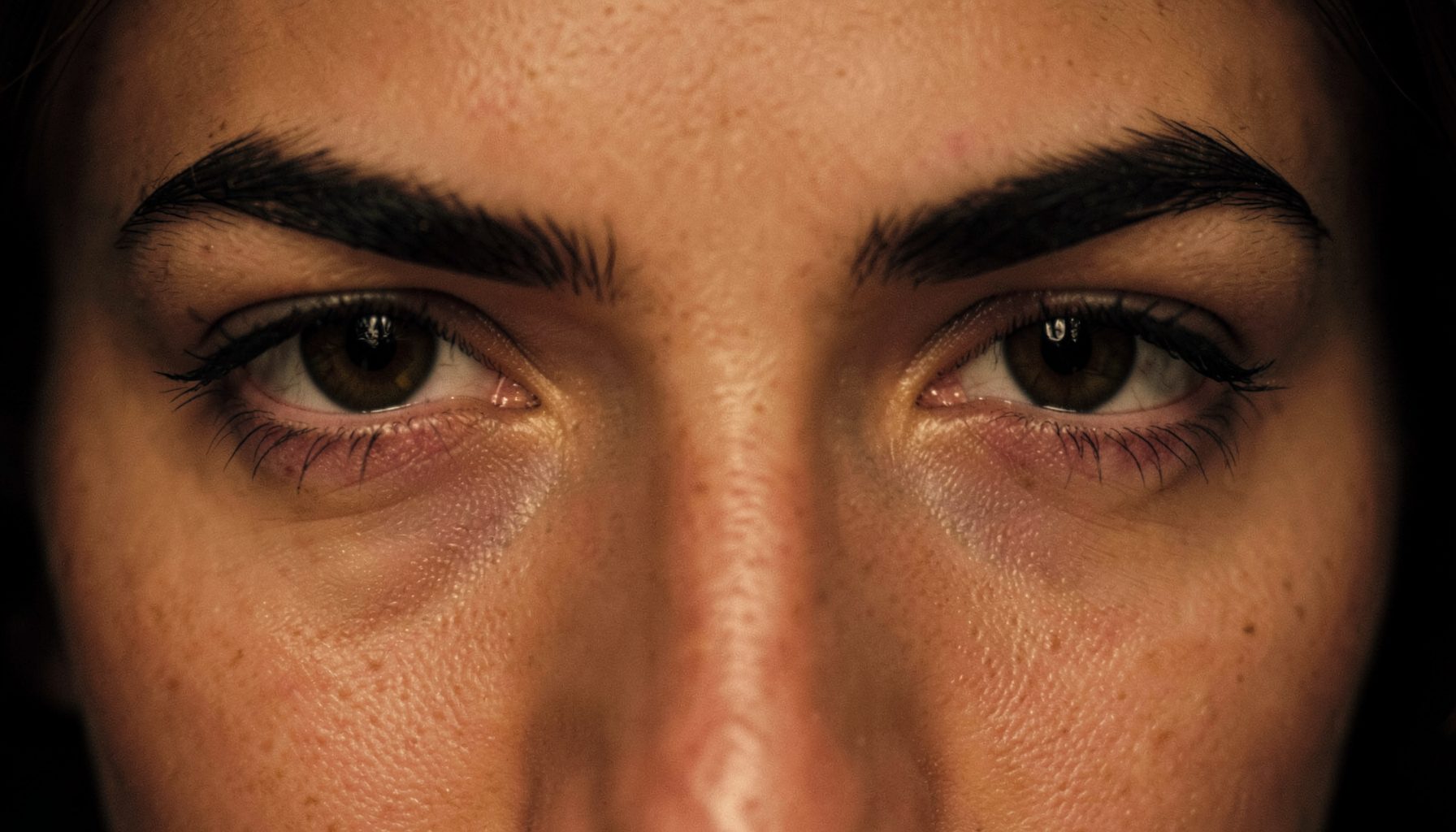
Eye Shape Guide
Understand your eye shape, master makeup techniques, and explore every treatment option — from Botox brow lifts to surgical solutions.
Explore the Site
Eyeshadow placement, blending techniques, and common mistakes to avoid for a more open, lifted look.
Explore →Winged liner, smudge prevention, and techniques that work with hooded lids to make eyes appear larger.
Explore →Non-surgical Botox brow lifts and surgical options including blepharoplasty, explained clearly.
Explore →Five false lash styles suited to hooded eyes, plus curler and mascara guidance for maximum lift.
Explore →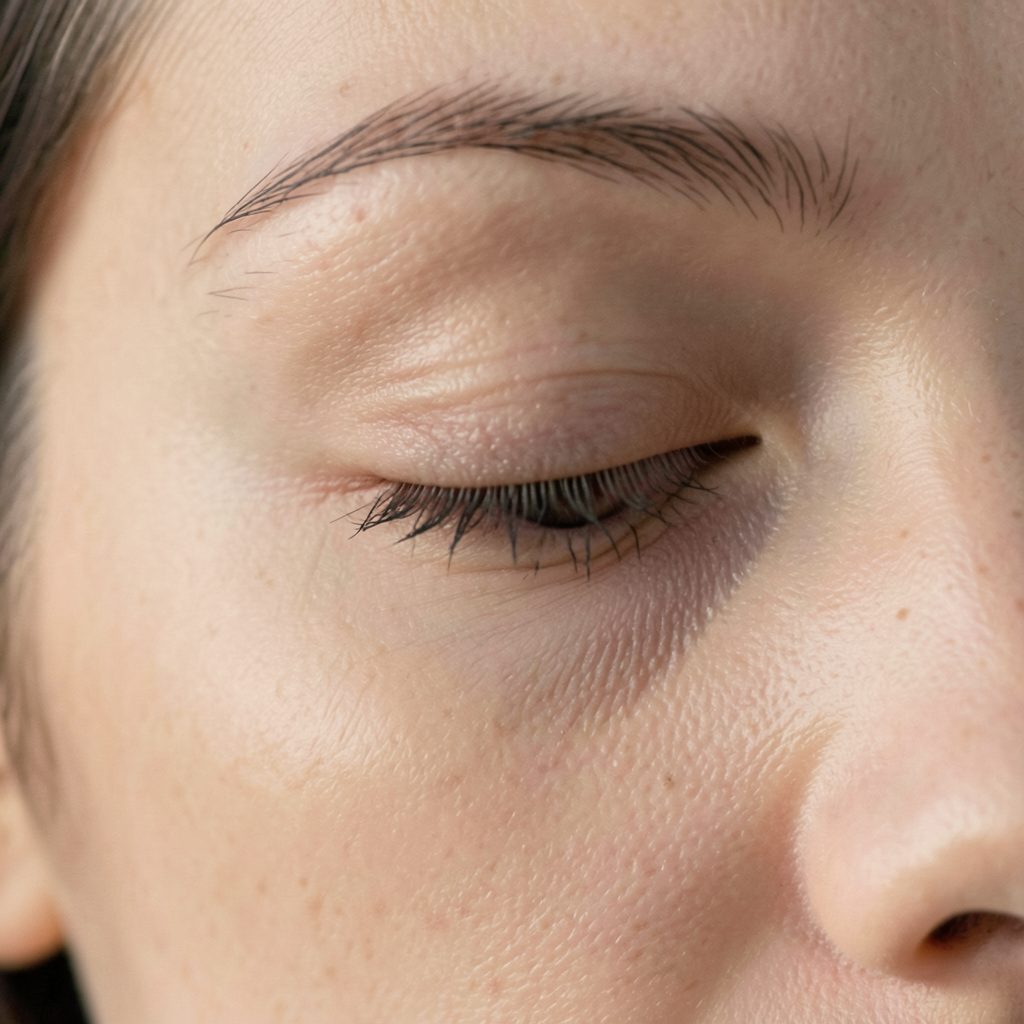
What Are Hooded Eyes?
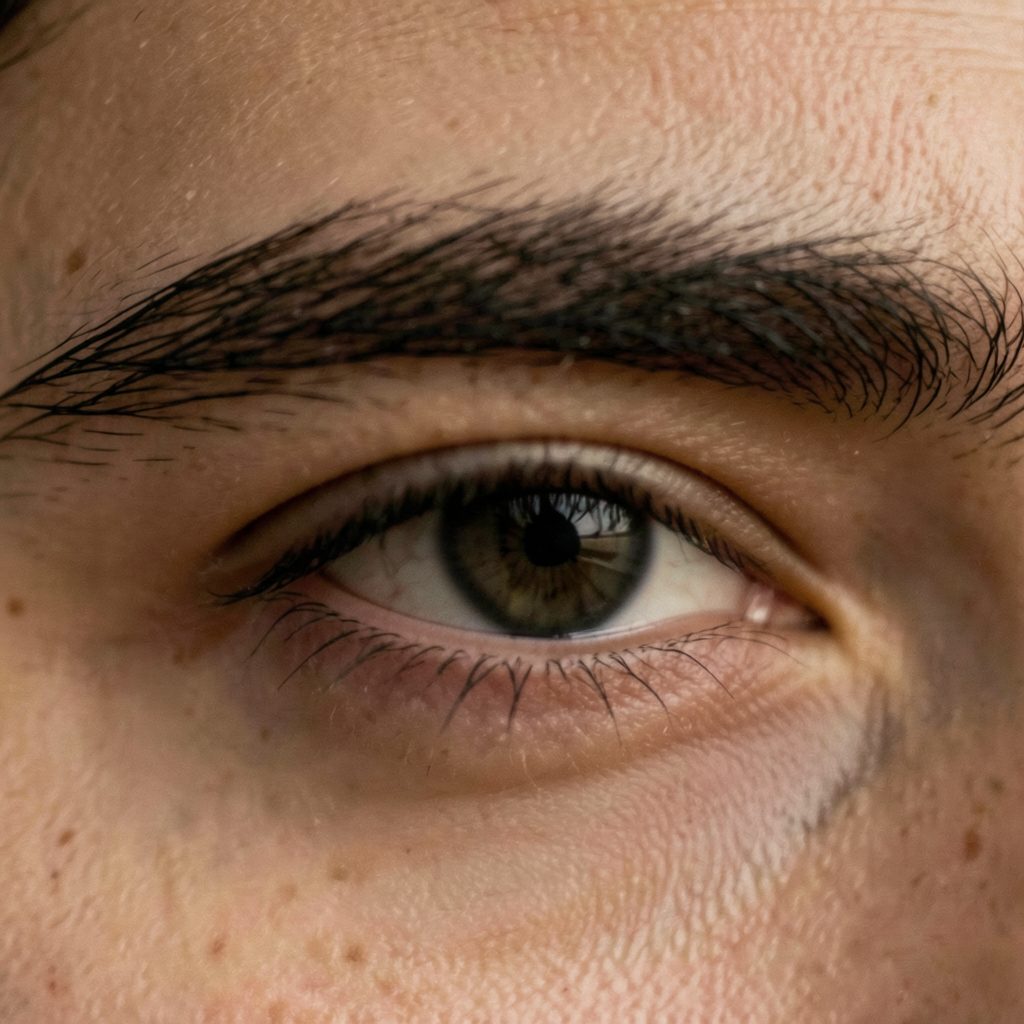
Hooded eyes are a natural eye shape where an excess piece of skin from the brow bone partially or completely covers the eyelid. The result can make eyes appear smaller or more tired than they feel.
This shape can be present from birth due to genetics, or it can develop over time. Known causes include aging, genetic traits, eye rubbing, body fatness, muscle structure, trauma, solar radiation, and sleep apnea.
Hooded eyes have a soft fold of skin that drapes over the crease, which can hide traditional highlighter placements and turn a well-meaning glow into a heavy-looking lid. In Australia, the bright coastal sunlight and reflective glare common at Bondi Beach or along the Swan River mean a misplaced shimmer reads more clearly than it would under softer northern light. Many people reach for a strobing kit hoping to lift the eye, only to find the wrong dot of light flattens the whole look.
The aim is to catch light in a way that opens the eye rather than draws attention to the brow bone. That calls for restraint, the right texture, and a placement map tuned to where the lid actually shows when the eye is open. Australian pharmacies and beauty chains like Priceline and Mecca stock most of the formulas discussed here, so swapping in a local alternative is straightforward.
A few small changes to where and how you tap highlighter can shift the whole feel of a makeup look. The rest of this guide walks through which finishes behave best, where they belong on the lid, and how to coordinate the glow with liner and mascara so the eye looks lifted rather than pressed down.
The anatomy of a hooded eye means the mobile lid is largely hidden when the eye is open and the brow bone sits low, often nearly meeting the lash line. Highlighter is meant to bounce light forward and create the illusion of projection, but on a hooded shape that same reflective surface can read as swelling or puffiness. The illusion flips when light lands on skin that already folds inward, because the shine highlights the very fold you are trying to disguise.
Skin texture matters just as much as placement. The Australian climate, particularly the dry winter air in Melbourne or the humid summers in Brisbane, can change how a shimmer formula sits through the day. A finely milled powder with subtle reflectivity tends to melt into the skin, while a chunky glitter catches every angle and reads as weight on the brow bone. For most hooded shapes, a soft satin or low-shine metallic is far more forgiving than anything sparkly.
Australian daylight is intense, with UV levels that regularly push past 11 in summer. Under that kind of light, even a discreet highlight on the brow bone can be amplified, which is why location and finish matter more than the amount of product used.
Light does different work depending on where it lands. The inner corner, just inside the tear duct, is the safest spot because it draws the eye outward and upward without ever sitting inside the hood. A small dab here brightens the whole eye and creates the feeling of more distance between the brows. The trick is to keep the product tiny and concentrated, not a wide sweep that travels into the crease.
The brow bone is where most mistakes happen. The very centre of the brow bone is the spot the hood covers first, so any highlighter placed there will be hidden or will create a shiny ridge when the eye is half-open. Instead, place any glow at the highest point of the brow bone, just under the arch of the brow, where it can lift without competing with the lid fold.
The tear duct and the area just below the inner third of the brow are the two reliable highlighter zones for hooded eyes. A soft pearl on the tear duct wakes a tired eye, while a satin highlight high on the brow bone, kept thin and well blended, creates the illusion of a higher arch. Anything below the crease or in the centre of the lid should be left matte, since shine there will only emphasise the fold.
| Placement | Effect on hooded eyes | Best finish | Risk if overdone |
|---|---|---|---|
| Inner corner (just inside tear duct) | Opens and lifts the eye | Soft satin or pearl | Can look harsh if too bright |
| Centre of brow bone | Draws attention to the hood fold | Avoid entirely | Makes the lid look heavier |
| Highest point of brow bone | Subtle lift when eye is open | Fine-milled subtle shimmer | Falls flat if too matte |
| Tear duct | Brightens a tired eye | Cream or pearl | Avoid glitter or chunky shimmer |
| Above the iris on the lash line | Lifts the eye when smiling | Subtle satin | Reads as heavy on a hood |
This table works as a quick reference while applying makeup, especially when standing in a Priceline aisle deciding between two formulas.
Cream highlighters tend to look the most natural on hooded eyes because they sit on the surface of the skin rather than catching every flake of texture. Mecca carries cream sticks in the soft champagne and rose gold families that work well on Australian skin tones, from the very fair complexions common in Tasmania to the deeper olive undertones seen in Sydney's eastern suburbs. A cream or liquid formula, tapped in with a fingertip, blends into the inner corner without settling into fine lines.
Powder highlighters offer more control but require a softer hand. A small tapered brush, the kind sold in travel sets at most chemists, picks up less product and presses it into the skin rather than brushing it across. Pressing, rather than sweeping, keeps the shimmer on the inner corner and prevents fallout onto the rest of the lid. Loose, sparkly powders are the worst offenders for hooded shapes because the particles travel down into the crease as the day goes on.
To apply, start by priming the under-eye area with a light eye primer. In warmer months, a water-based primer works better than a silicone one, because humidity in coastal cities like Cairns or Perth can cause silicone primers to pill. With a clean fingertip or a small synthetic brush, press a tiny amount of cream highlighter into the tear duct using a stippling motion, then tap the smallest possible amount of a satin powder onto the highest point of the brow bone, directly under the arch of the brow.
Avoid the centre of the brow bone entirely, since that is exactly where the hood folds over and where a highlight reads as a bright line when the eye is open. Finish with a light dusting of translucent powder under the eye to catch fallout. Australian summers bring extra sebum around the brow, so a light set keeps everything in place without dulling the highlight. A quick check in daylight shows whether the placement reads as lifted or heavy.
One of the most common mistakes is applying highlighter in a wide arc across the brow bone, as if tracing the shape of the orbital bone. On a hooded eye that arc disappears into the fold and re-emerges as a shiny ridge. A thinner, more concentrated placement at the arch is far more flattering.
Another mistake is using the same highlight on the cheekbones and the eye. Cheek highlight is designed to catch light across a wide, flat surface, so it is usually too intense for the delicate eye area. A separate, softer eye highlight, often a satin or pearl finish, sits better on the lid and inner corner.
Ignoring how the eye looks when open leads to most of the heaviness. Makeup is applied with the eye closed, but the finished look must be checked with the eye open and in real light. A glance in a mirror pointed at a window, or a step outside on a Sydney balcony, shows whether the placement is lifting the eye or pulling it down. For readers who want a visual reference, a look at how Blake Lively works her eye shape shows how restraint around the brow keeps her eyes bright without extra bulk.
Highlighter works best when it is not fighting with other products. A thick, dark eyeliner along the upper lash line already adds visual weight, so adding a bright highlight on the brow bone on top amplifies that weight. A softer brown or charcoal liner, with a thin wing made using tape tricks for liner, gives the highlight room to lift without competing.
Mascara choices matter too. A heavy coat on the lower lashes pulls the eye downward, especially with a high-contrast highlight on the brow bone. Curling the upper lashes and keeping the lower lashes light creates a vertical lift that pairs naturally with the inner-corner glow. For very hooded eyes, a half lash or a cluster on the outer third does the lifting work highlighter alone cannot.
Brow products also play a role. A very dark, sharply defined brow pushes the eye downward visually and makes any highlighter on the brow bone look out of place. A softer, slightly feathered brow in a shade a touch lighter than the natural hair keeps the focus on the lid and gives the highlight somewhere subtle to live.
Try this placement with the next makeup look, take a photo in natural daylight, and adjust the finish until the eye reads as lifted rather than heavy. The rest of the site walks through liner shapes, lash options and brow techniques that work alongside this kind of highlight, so there is plenty more to explore once the glow is in the right spot.
Surgical Option
For those seeking a more lasting result, plastic surgery — including blepharoplasty — is covered as a treatment option for hooded eyes. Surgery addresses the excess skin directly and is considered an alternative to non-surgical approaches like Botox.
The site's surgery guide explains the procedure, what to expect, and how it compares to non-surgical routes, helping readers make informed decisions about their options.
Read the Surgery Guide →Famous Faces
Hooded eyes can enhance facial expressions and contribute to a distinctive, memorable look. These ten well-known figures all share the eye shape.
Jennifer Aniston
Leonardo DiCaprio
Solange Knowles
Taylor Swift
Michelle Williams
Robert Pattinson
Blake Lively
Selena Gomez
Gigi Hadid
Benicio del Toro
Side by Side
False Lash Guide
Varied length spikes create texture and the illusion of depth without weighing down the lid.
Longer outer-corner lashes draw the eye outward and upward, counteracting the hood effect.
A uniform, moderate length that adds definition without overwhelming a hooded lid.
Applied only to the outer half, these open up the eye shape and are easier to manage on hooded lids.
A strong upward curl (D or L curl) lifts lashes away from the hood, keeping them visible throughout the day.
The guide also covers lash curlers, mascara recommendations, and step-by-step instructions for fixing false lashes on hooded eyelids.
Full Lash Guide →Get in Touch
Whether you are just beginning your makeup journey or have been experimenting with different looks for years, we are glad you are here.
General Feedback
Share your thoughts on the site or suggest topics you'd like covered.
Looking for a Specific Tip?
Ask about a particular technique or eye-shape challenge.
Product Questions
Questions about products mentioned across the site.
Human Resources or Business Inquiries
Partnership, collaboration, or business-related correspondence.