01
Makeup Tips
Eyeshadow placement, blending techniques, and common mistakes to avoid for a more open, lifted look.
Explore →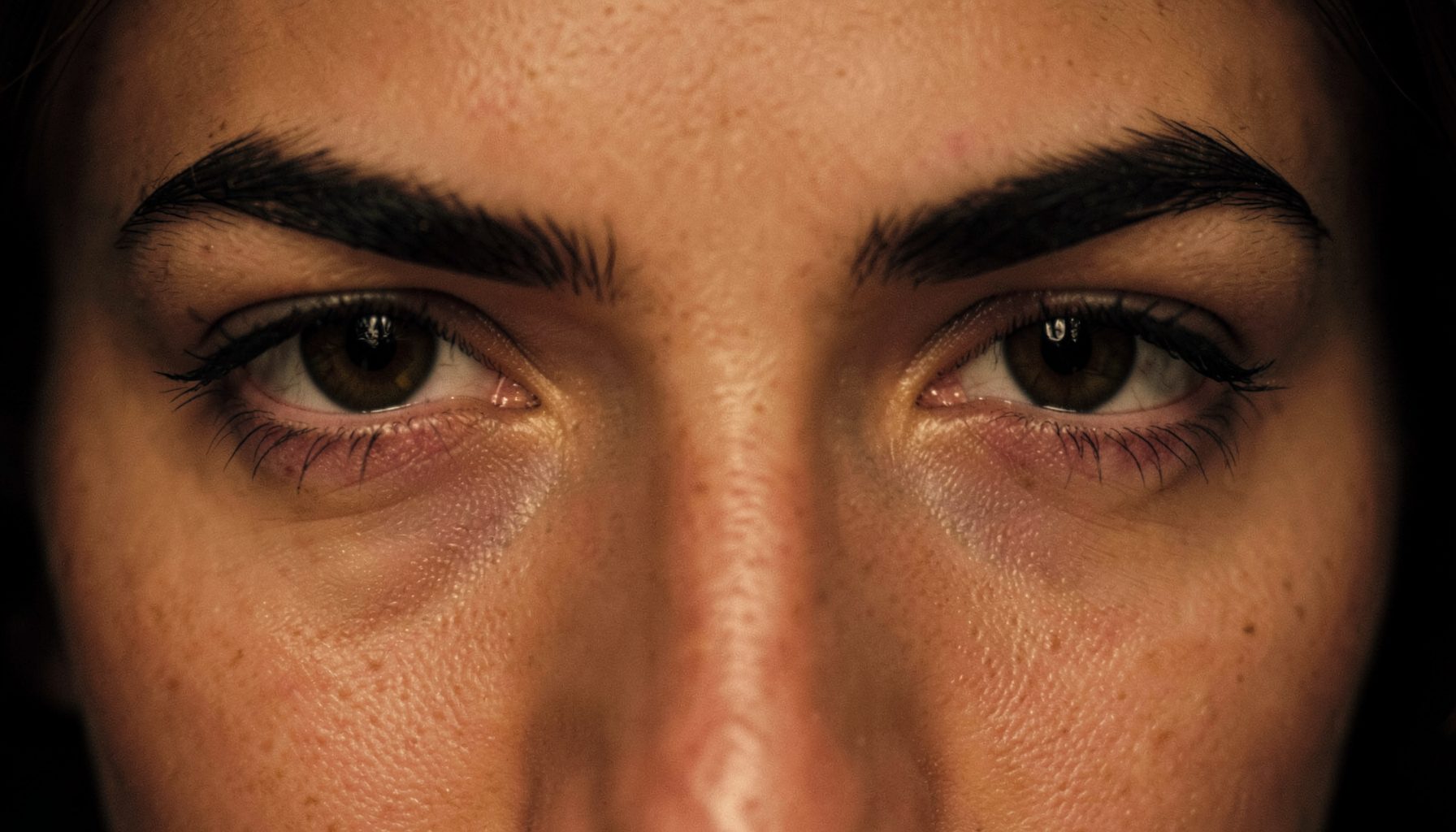
Eye Shape Guide
Understand your eye shape, master makeup techniques, and explore every treatment option — from Botox brow lifts to surgical solutions.
Explore the Site
Eyeshadow placement, blending techniques, and common mistakes to avoid for a more open, lifted look.
Explore →Winged liner, smudge prevention, and techniques that work with hooded lids to make eyes appear larger.
Explore →Non-surgical Botox brow lifts and surgical options including blepharoplasty, explained clearly.
Explore →Five false lash styles suited to hooded eyes, plus curler and mascara guidance for maximum lift.
Explore →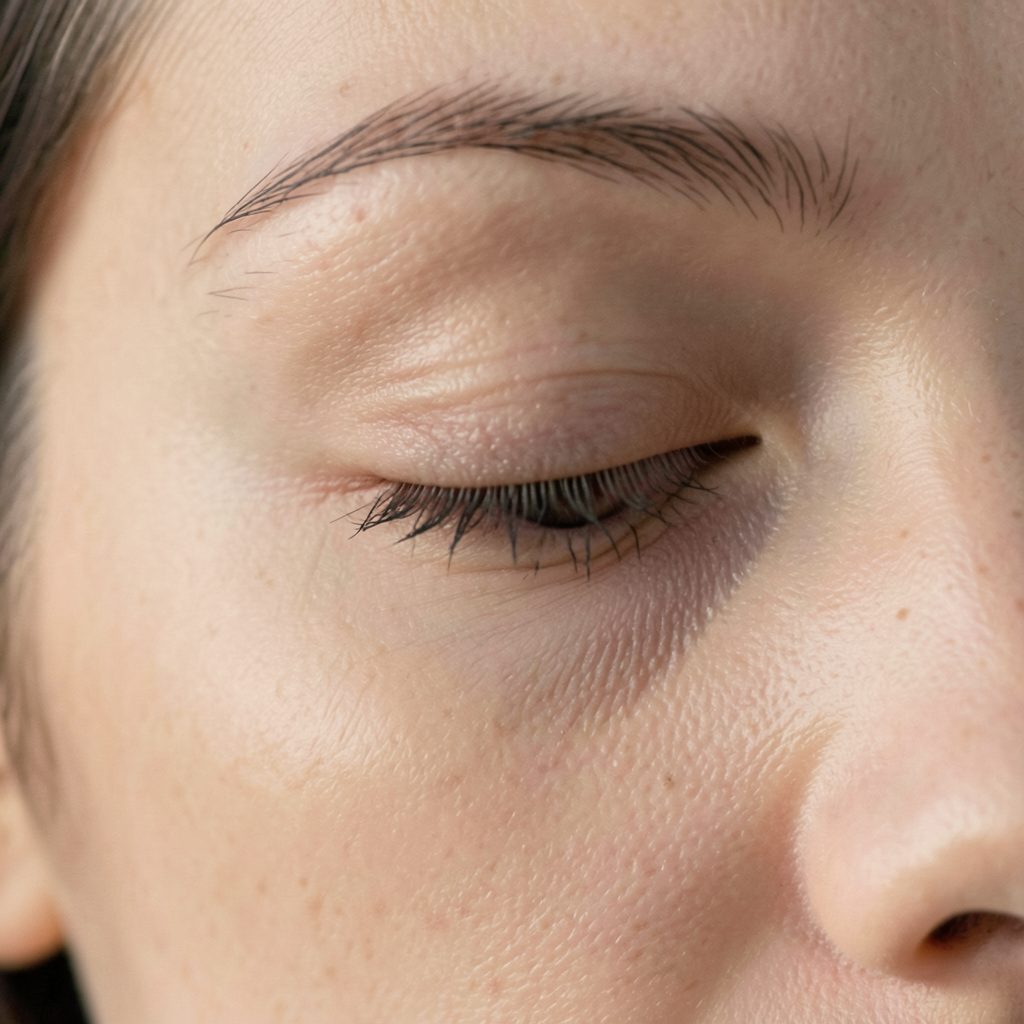
What Are Hooded Eyes?
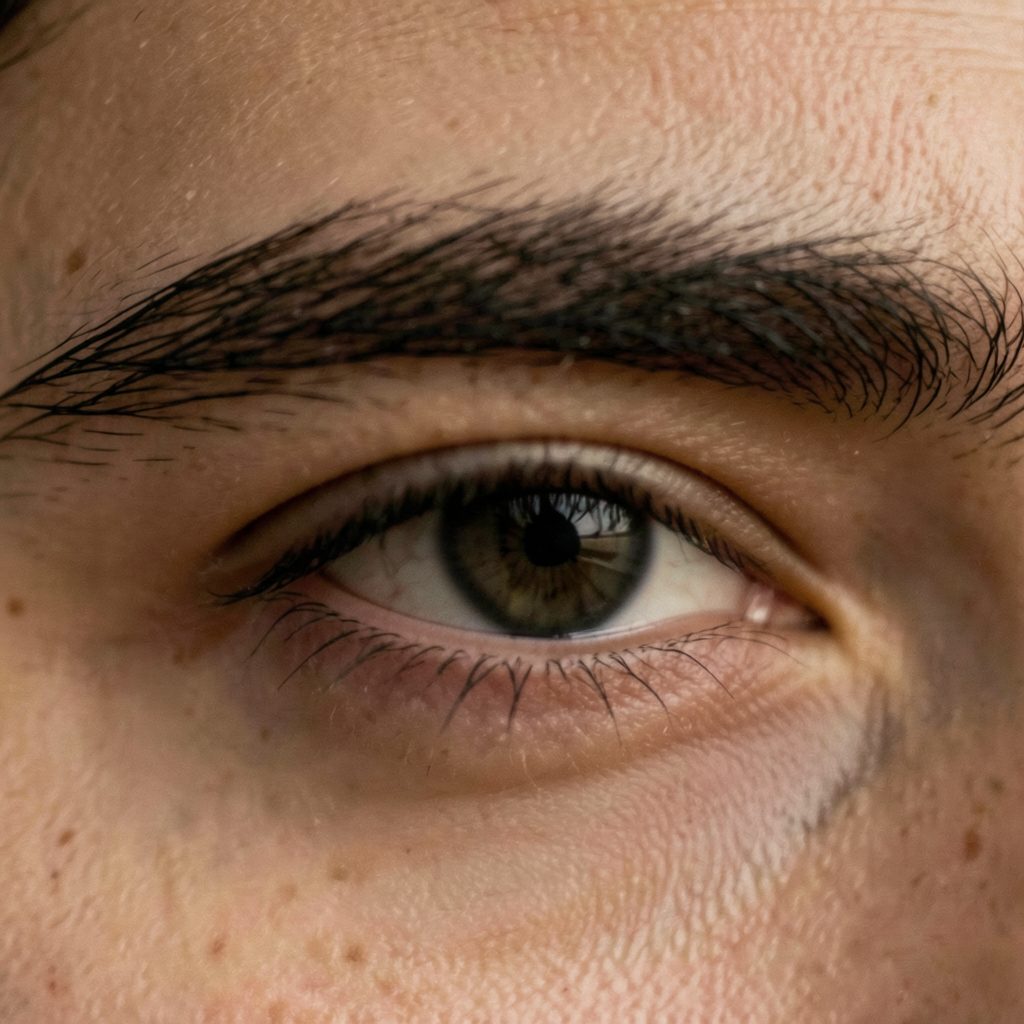
Hooded eyes are a natural eye shape where an excess piece of skin from the brow bone partially or completely covers the eyelid. The result can make eyes appear smaller or more tired than they feel.
This shape can be present from birth due to genetics, or it can develop over time. Known causes include aging, genetic traits, eye rubbing, body fatness, muscle structure, trauma, solar radiation, and sleep apnea.
A heavy, descending brow that folds skin over the upper lash line can make the eyes look smaller, tired, or permanently half-closed. Many Australians first notice the change in their forties, sometimes earlier if they have spent decades outdoors, and it often shows up as a deep crease pressed into the lid space or shadow across the eye. Makeup techniques, lash lifts, and carefully placed eyeshadow can help to a degree, but they cannot reposition tissue that has begun to drift downward.
An endoscopic brow lift is one of the surgical options that surgeons in Australia offer for this concern. It is a minimally invasive form of forehead lift designed to elevate the brow, smooth the forehead, and indirectly reduce the appearance of heavy folds over the lid. Because it is performed through small incisions hidden behind the hairline rather than a long coronal cut, recovery is generally shorter and visible scarring is minimal.
This guide walks through what an endoscopic brow lift involves, how Australian patients prepare for it, what recovery looks like in local conditions, and how it compares with blepharoplasty or a non-surgical brow lift using anti-wrinkle injections. It also covers the practicalities that matter in Australia, including surgeon credentials, cooling-off requirements, and out-of-pocket cost.
Australia's cosmetic surgery landscape is more tightly regulated than many people realise. The Australian Health Practitioner Regulation Agency (AHPRA) updated its guidelines in 2023, introducing mandatory cooling-off periods, stricter advertising rules, and a requirement that a registered health practitioner, not a patient coordinator, take the medical history during a consultation. For anyone considering an endoscopic brow lift on the upper face, those rules shape everything from the first phone call through to consent.
A hooded eye occurs when the skin of the upper lid, sometimes combined with a low-set or descended brow, folds down over the natural crease. In mild cases the crease is partly hidden. In more pronounced hooding, the crease disappears entirely and the lid margin is partly obscured. It is a normal anatomical variant in younger faces as well; among global celebrities, you can see it clearly when looking at hooded eyes across film and fashion.
The causes fall into three broad categories. The first is genetics: some people are born with a lower brow position, a shallower orbital bone, or more upper-lid skin than others. The second is age-related descent, sometimes called brow ptosis, where the forehead ligaments stretch and the brow drops, dragging extra skin onto the lid. The third is environmental, and this is where Australia stands out. High year-round UV exposure, particularly in cities such as Brisbane, Perth, and Sydney, accelerates collagen breakdown and elastosis around the eyes. Patients who grew up in coastal Queensland or spent years working outdoors on building sites or farms often present with hooding a decade earlier than their genetic baseline would suggest.
It is worth distinguishing hooding from simple excess upper-lid skin, because the surgical solution is different. A comparison of hooded and non-hooded eye shapes shows that non-hooded eyes have a clearly visible crease above the lash line regardless of age, while hooded eyes either lack a visible crease or have one that sits very close to the brow. Heavy hooding refers to the more pronounced version where the fold sits on the lash line itself.
An endoscopic brow lift is a form of forehead lift performed through three to five small incisions, usually less than two centimetres each, placed within the hairline. A tiny camera (the endoscope) is inserted through one incision, and long, fine instruments are passed through the others. The surgeon releases the soft tissue from the underlying bone, lifts the forehead and brow, and secures the new position using sutures, dissolvable implants, or absorbable fixation devices such as Endotine. Because the scalp is not fully opened, sensation and hair follicles are largely preserved.
The procedure differs from a traditional open or coronal brow lift, which involves an ear-to-ear incision across the top of the scalp and a longer recovery. It also differs from a temporal or lateral brow lift, which lifts only the outer third of the brow. The endoscopic technique lifts the central and medial brow as well as the outer tail, which is what most heavy-hooded patients in Australia are actually seeking when they consult a surgeon. Their complaint is rarely that the tail of the brow has dropped; it is that the central brow is pressing skin down onto the lid.
Key features of the procedure to be aware of during a consultation:
Patients who want a broader overview of hooded-eye anatomy before deciding on surgery often begin by reading the main hooded eyes resource, which covers both surgical and non-surgical options.
Preparation in Australia starts well before the operating theatre. The first appointment is a consultation with the operating surgeon, who must now (under AHPRA's 2023 rules) personally take your medical history, discuss the procedure's risks, and confirm that you understand what is being proposed. A separate, mandatory cooling-off period of at least seven days applies before any adult cosmetic procedure, including an endoscopic brow lift. This gives you time to reflect, ask follow-up questions, and obtain a second opinion if you wish.
Choosing a surgeon is the most consequential decision. Look for a Fellow of the Royal Australasian College of Surgeons (FRACS) in plastic surgery, or a Fellow of the Australasian College of Cosmetic Surgery and Medicine who also holds specialist registration with AHPRA. Membership of the Australian Society of Plastic Surgeons is an additional signal that the surgeon operates within current ethical and clinical guidelines. Avoid clinics that quote a single price over the phone, that pressure you to book within the cooling-off window, or that cannot name the anaesthetist before the day of surgery.
Practical preparation steps before the day:
Recovery from an endoscopic brow lift is shorter than from a traditional open lift, but it is not a weekend procedure. Expect swelling and bruising around the eyes and forehead for the first two weeks, with mild numbness across the scalp that can take several months to fully resolve. Most surgeons in Australia see patients for a review at one week, again at three to four weeks, and a final check at three months.
The Australian climate adds specific considerations. UV levels in summer regularly reach extreme indices of 10 to 14 across most of the country, and photodamage to a healing forehead incision can lead to prolonged redness or pigmentation. Broad-brimmed hats, SPF 50+ sunscreen approved by the Therapeutic Goods Administration (TGA), and physical barriers such as wide-brimmed hats are essential for at least six to twelve months. Patients in tropical Cairns or humid Darwin should also expect swelling to last a little longer than those recovering in cooler Melbourne or Hobart.
Cold compresses, sleeping on two pillows for the first week, and avoiding heavy exercise for three to four weeks are standard. Strenuous activity that raises blood pressure, including vigorous gym sessions and long-distance running, is usually paused for at least four weeks. Driving can resume once you are off any opioid pain relief and can move your head comfortably.
Every surgical procedure carries risks, and endoscopic brow lift is no exception. The most common complications are temporary and include scalp itching, mild asymmetry, and a sensation of tightness that fades as the tissues settle. Less common but more serious risks include nerve injury affecting forehead movement, infection, haematoma, and over- or under-correction. Choosing a surgeon who performs brow-lift surgery regularly rather than as an occasional procedure is the single biggest factor in keeping these risks low.
Alternatives to consider are an upper blepharoplasty, which removes excess skin from the lid itself rather than lifting the brow, and a non-surgical brow lift using anti-wrinkle injections to relax the muscles that pull the brow downward. Injection-based lifts are popular in Sydney and Melbourne clinics, lift the outer brow by a few millimetres, and last three to four months, but they cannot address the heavy central hooding that endoscopic surgery targets. For heavy hooding caused by a truly descended brow, an endoscopic lift typically produces results a blepharoplasty alone cannot match.
You are likely a strong candidate if you are a non-smoker in stable general health, in your late thirties to sixties, and bothered by central forehead heaviness rather than just lid skin. You are a weaker candidate if your primary concern is loose upper-lid skin without brow descent; in that case, upper blepharoplasty alone may be the more proportionate option.
If you are weighing up an endoscopic brow lift, book an initial consultation with a FRACS-qualified plastic surgeon in your state, ask to see before-and-after photographs of patients with hooding similar to yours, and use the cooling-off period to ask every question that comes to mind. The procedure is well established and outcomes are predictable when patient selection and surgical planning are done carefully, but the decision deserves time, sunlight protection, and a clear-eyed read of what the surgery can and cannot change.
Surgical Option
For those seeking a more lasting result, plastic surgery — including blepharoplasty — is covered as a treatment option for hooded eyes. Surgery addresses the excess skin directly and is considered an alternative to non-surgical approaches like Botox.
The site's surgery guide explains the procedure, what to expect, and how it compares to non-surgical routes, helping readers make informed decisions about their options.
Read the Surgery Guide →Famous Faces
Hooded eyes can enhance facial expressions and contribute to a distinctive, memorable look. These ten well-known figures all share the eye shape.
Jennifer Aniston
Leonardo DiCaprio
Solange Knowles
Taylor Swift
Michelle Williams
Robert Pattinson
Blake Lively
Selena Gomez
Gigi Hadid
Benicio del Toro
Side by Side
False Lash Guide
Varied length spikes create texture and the illusion of depth without weighing down the lid.
Longer outer-corner lashes draw the eye outward and upward, counteracting the hood effect.
A uniform, moderate length that adds definition without overwhelming a hooded lid.
Applied only to the outer half, these open up the eye shape and are easier to manage on hooded lids.
A strong upward curl (D or L curl) lifts lashes away from the hood, keeping them visible throughout the day.
The guide also covers lash curlers, mascara recommendations, and step-by-step instructions for fixing false lashes on hooded eyelids.
Full Lash Guide →Get in Touch
Whether you are just beginning your makeup journey or have been experimenting with different looks for years, we are glad you are here.
General Feedback
Share your thoughts on the site or suggest topics you'd like covered.
Looking for a Specific Tip?
Ask about a particular technique or eye-shape challenge.
Product Questions
Questions about products mentioned across the site.
Human Resources or Business Inquiries
Partnership, collaboration, or business-related correspondence.