01
Makeup Tips
Eyeshadow placement, blending techniques, and common mistakes to avoid for a more open, lifted look.
Explore →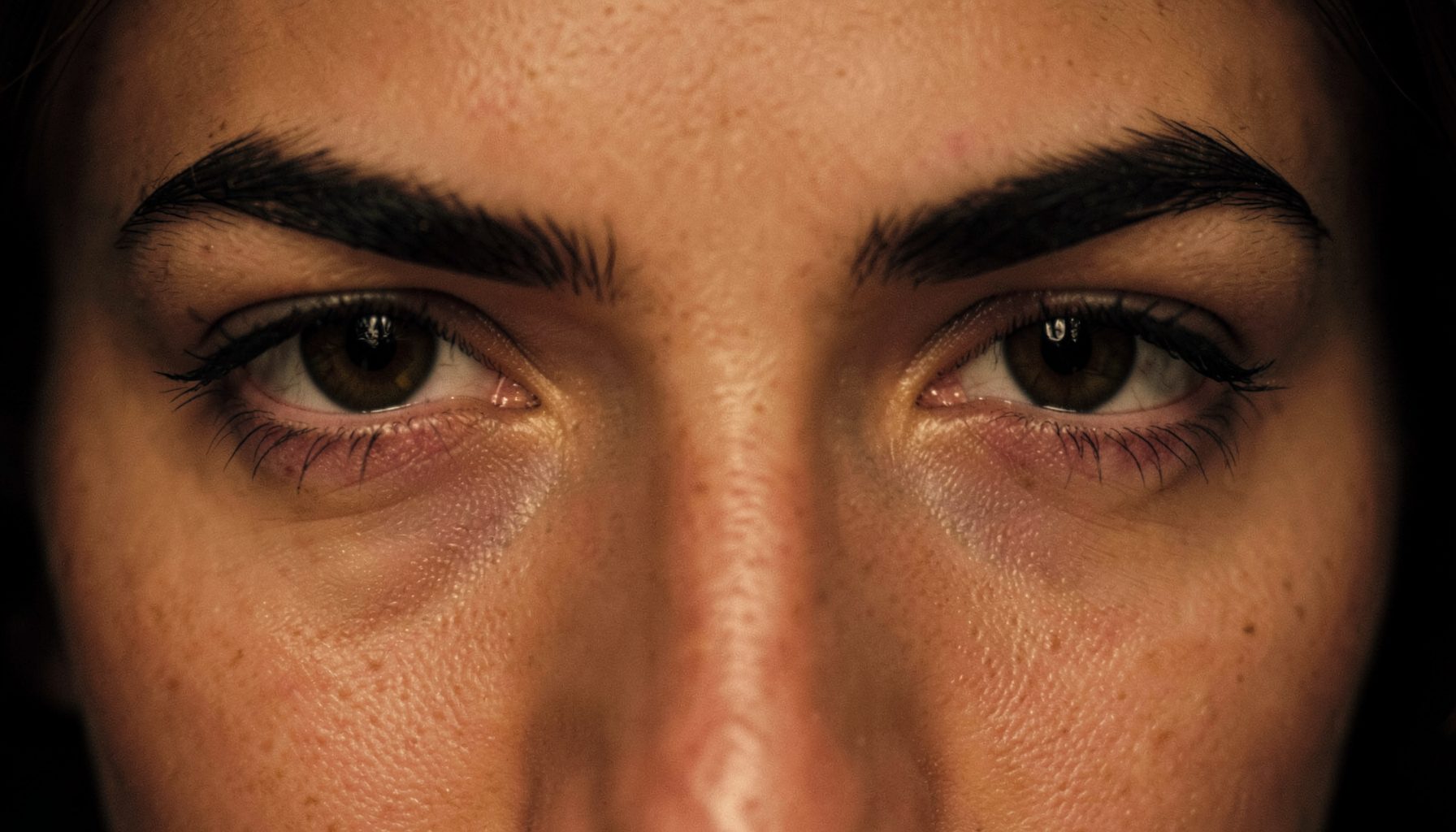
Eye Shape Guide
Understand your eye shape, master makeup techniques, and explore every treatment option — from Botox brow lifts to surgical solutions.
Explore the Site
Eyeshadow placement, blending techniques, and common mistakes to avoid for a more open, lifted look.
Explore →Winged liner, smudge prevention, and techniques that work with hooded lids to make eyes appear larger.
Explore →Non-surgical Botox brow lifts and surgical options including blepharoplasty, explained clearly.
Explore →Five false lash styles suited to hooded eyes, plus curler and mascara guidance for maximum lift.
Explore →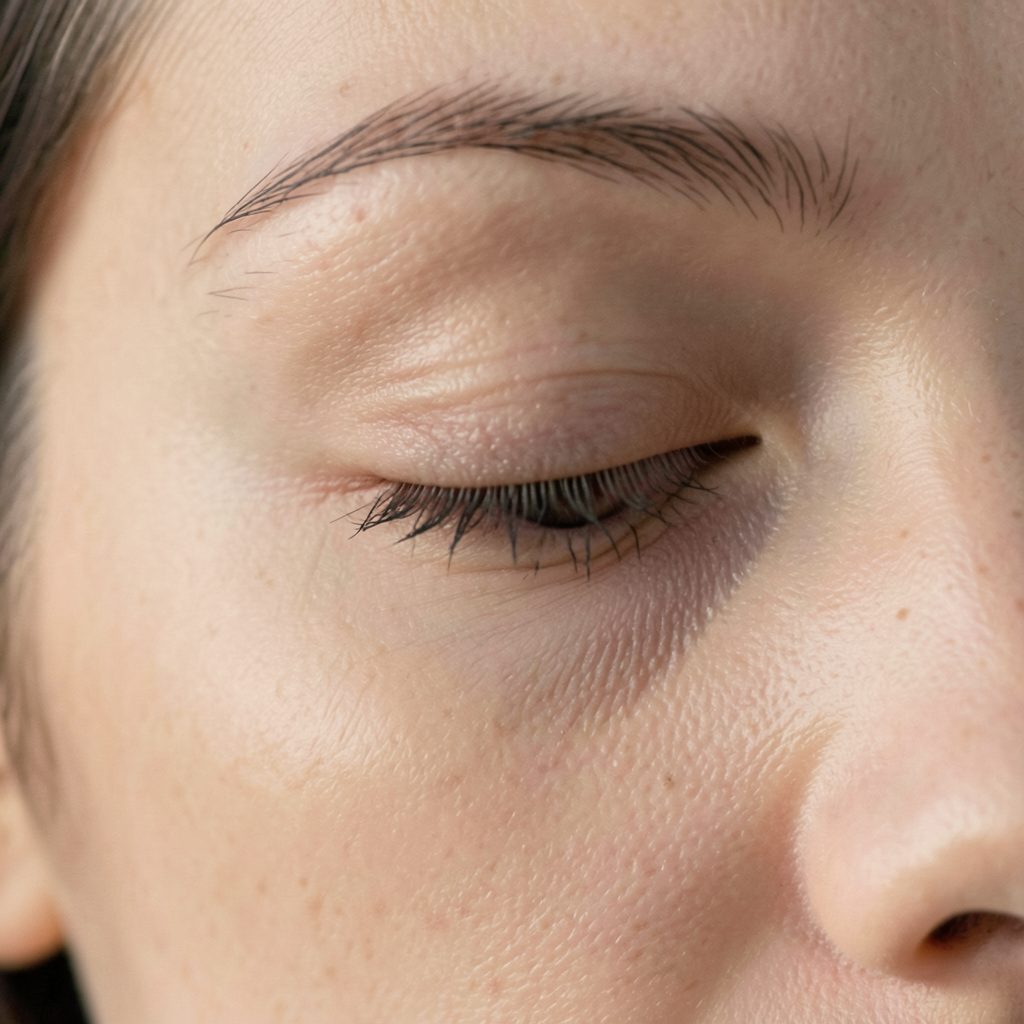
What Are Hooded Eyes?
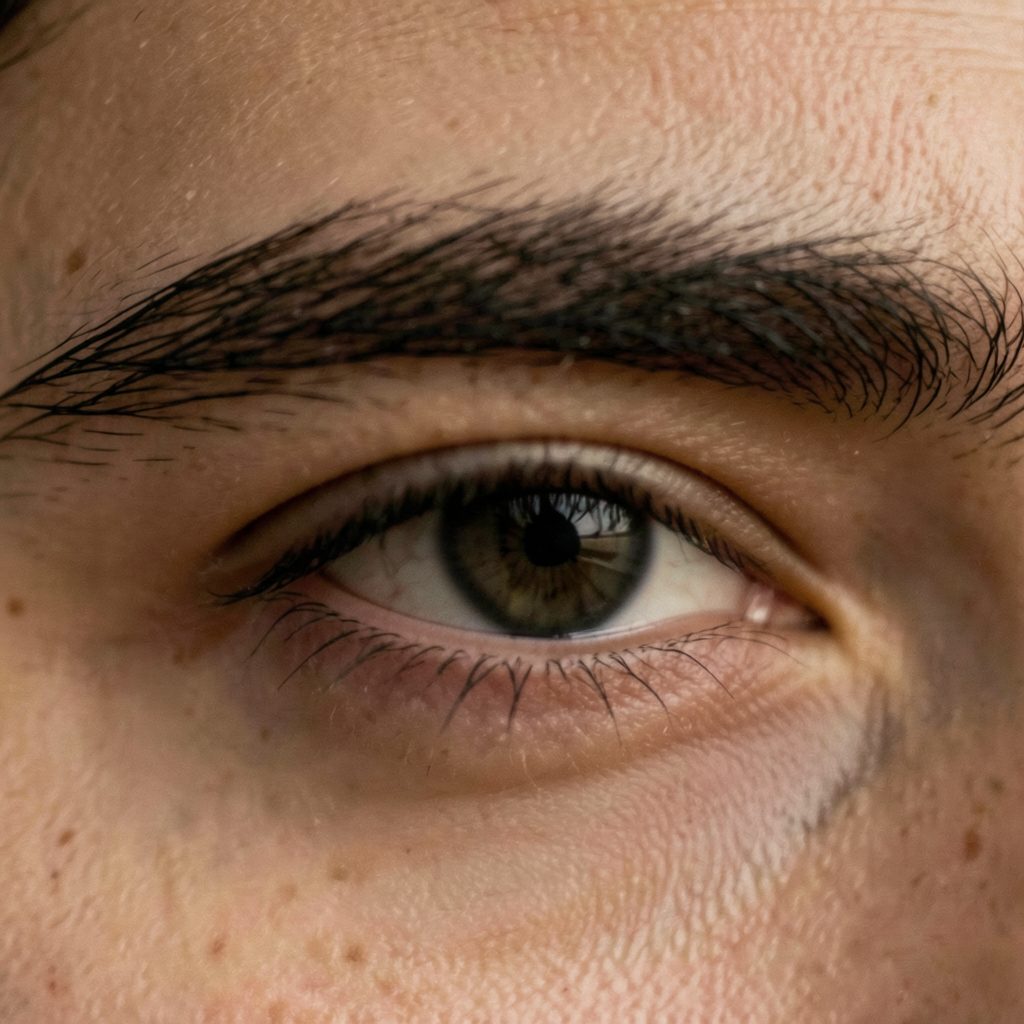
Hooded eyes are a natural eye shape where an excess piece of skin from the brow bone partially or completely covers the eyelid. The result can make eyes appear smaller or more tired than they feel.
This shape can be present from birth due to genetics, or it can develop over time. Known causes include aging, genetic traits, eye rubbing, body fatness, muscle structure, trauma, solar radiation, and sleep apnea.
Hooded eyes have a fold of skin that rests over part or all of the mobile eyelid. The amount of visible lid space can change with facial expression, sleep, age, brow position, and makeup technique. Temporary eyelid products aim to create a more defined crease for a few hours, without changing the underlying eye structure.
Double eyelid tape and eyelid glue work in different ways. Tape uses a thin adhesive strip to hold a fold in place, while glue forms a flexible bond between selected areas of skin. Both can make eyes look more open, but the result depends on skin type, lid weight, eye shape, application skill, and the finish you want.
For Australian users, climate and daily routine matter. Heat in Brisbane, summer humidity in Sydney, dry conditions in Adelaide, and long days outdoors can affect adhesion and comfort. A product that performs well in an air-conditioned Melbourne office may soften or become noticeable during a warm commute.
Temporary crease products are cosmetic aids rather than substitutes for medical treatment. They cannot remove excess skin or permanently raise a brow. For broader guidance on hooded-eye anatomy, makeup placement, and treatment choices, the hooded eyes guide provides useful background before you experiment.
A hooded lid usually has less exposed space between the lash line and the natural crease. When the eyes are open, the upper fold may cover eyeshadow, eyeliner, or the crease itself. Some people have naturally hooded eyes, while others notice increasing hooding as the brow descends or upper eyelid skin becomes less firm with age.
The ideal lift is usually subtle. A crease that is too high can look artificial, feel tight, or disappear when the eye opens fully. A strip or adhesive should support the existing fold rather than force the lid into an uncomfortable position. Looking straight ahead in a mirror is more useful than judging the shape with the brows raised.
The right position also differs between eyes. Many people have mild asymmetry, so applying identical pieces at identical heights may create an uneven result. Begin with the lower, most natural fold and adjust gradually. The goal is a balanced appearance, not a perfectly identical crease.
Eyelid tape is available as single-sided strips, double-sided strips, pre-cut arcs, mesh pieces, and rolls that can be cut to size. Double-sided tape creates a skin-to-skin fold, while single-sided tape relies more on the skin above it to form a shadowed crease. Mesh tape can be less visible under pale eyeshadow, although it may require adhesive or careful pressure to stay in place.
Tape is often easier for beginners because the position is visible before the skin is pressed together. It can provide a crisp, predictable lift and is practical when you want to remove the product quickly. The trade-off is that the strip may show when the eyes are closed, during blinking, or under glossy makeup.
Clean, dry skin is essential. Oils from moisturiser, sunscreen, eye cream, or foundation can reduce adhesion. Apply tape after skincare has settled, but before eyeshadow and eyeliner. A small pair of cosmetic scissors can help tailor the ends so they do not extend beyond the natural fold or irritate the outer corner.
Eyelid glue, sometimes called eyelid adhesive or crease-forming glue, is brushed or dabbed onto the skin. Once partly dry, the user presses the upper skin toward the desired crease with a Y-shaped applicator, rounded tool, or clean cotton bud. The adhesive then holds the fold while the eyes remain open.
Glue can create a softer, less strip-like finish, especially when the product dries clear. It may work well for irregular folds, smaller sections of skin, or users who find tape visible. It also allows more control over the length and shape of the lifted area. However, the application takes practice because too much glue can leave a shiny film or cause the skin to stick in an unnatural position.
Drying time affects the final result. If the glue is still wet, the fold may slide; if it becomes completely dry before the skin is positioned, it may lose flexibility. Use a thin layer and follow the manufacturer’s instructions. Avoid ordinary craft glue, lash glue not intended for eyelids, or products with no clear ingredient and safety information.
The delicate eyelid area is easily irritated. Patch test a small amount of adhesive on the inner forearm or behind the ear before using it near the eye, particularly if you have eczema, contact dermatitis, allergies, or sensitive skin. A patch test cannot guarantee that an eye reaction will not occur, but it can identify some obvious sensitivity.
Stop using the product if you develop burning, swelling, persistent redness, watering, rash, or blurred vision. Do not apply tape or glue over broken skin, an active stye, conjunctivitis, or recent cosmetic procedure sites. Keep applicators clean, avoid sharing products, and replace old adhesive if its smell, texture, or colour changes.
Australia’s consumer market includes products from local beauty retailers, pharmacies, Asian beauty stores, salons, and overseas websites. Check the packaging for an ingredient list, directions, batch or expiry information, and clear supplier details. Cosmetic ingredients supplied commercially in Australia fall within the framework administered by the Australian Industrial Chemicals Introduction Scheme, while sellers also have obligations under Australian Consumer Law. A product making medical claims may be subject to additional regulation, so treat dramatic promises with caution.
Start by washing the face and drying the eyelids completely. Look forward with relaxed brows, then identify where your natural fold appears. For tape, cut a small section rather than using a full-length strip immediately. Place it where the skin naturally bends, press from the centre towards the ends, and open the eye gently to check whether the crease holds.
For glue, apply a very thin line or small series of dots. Allow it to become tacky, then use the applicator to guide the skin upwards. Keep the brow relaxed while the adhesive sets. If the fold looks too high, remove the product and try again rather than pulling the skin repeatedly. Several light attempts are kinder than one thick, aggressively positioned layer.
Makeup can help disguise the transition. Matte shadow placed slightly above the visible fold gives depth, while a thin lash-line eyeliner preserves lid space. Heavy liquid liner across the entire upper lid can cover the temporary lift. A curled lash and lightweight mascara may open the eyes without adding the weight that can make hooding look heavier.
Your brow shape also changes how a temporary lift reads. A gently elevated arch can create visual space, whereas an overly rounded or heavily filled brow may make the upper eye appear crowded. The advice in brow shape guidance can help coordinate the brow, crease, and eye makeup rather than treating them as separate details.
Wear time depends on adhesive strength, perspiration, oil production, blinking, and the movement of the eyelid. Tape may last through a workday when applied to clean skin, but humidity, exercise, swimming, and tears can loosen it. Glue may remain flexible for longer, although it can become uncomfortable if the eyelid repeatedly pulls against the bond.
Avoid sleeping in either product. At the end of the day, soften tape with a gentle eye makeup remover or a small amount of an oil-based remover, then lift it slowly from the outer edge. Do not rip it away, as this can remove surface skin or tug at lashes. For glue, follow the product directions and allow the adhesive to soften before rolling or wiping it away.
Remove eye makeup with a clean cotton pad and minimal pressure. If residue remains, do not scrape it with tweezers or fingernails. Give the eyelids a break if they feel tight or sore, and use a bland, fragrance-free moisturiser away from the lash line if your skin tolerates it.
The best choice depends on the appearance you want and how much control you prefer. Tape is usually straightforward, adjustable, and useful for testing a crease position. Glue can look more seamless and adapt to uneven or changing folds, but it requires a steadier technique and greater attention to drying time.
Neither option should be treated as a permanent hood lift. Botox brow treatment may subtly raise the outer brow in suitable candidates, while upper blepharoplasty removes or repositions excess skin and fat through surgery. These options involve professional assessment, costs, recovery, and potential risks, so temporary products are useful for experimenting before considering a consultation, not for predicting a surgical result.
| Feature | Double Eyelid Tape | Eyelid Glue |
|---|---|---|
| Application | Place a pre-cut or trimmed strip | Paint on a thin layer and form the fold |
| Beginner control | Usually easier to reposition | Requires timing and practice |
| Finish | May show as a line or edge | Can appear more seamless when applied thinly |
| Best for | Testing crease height and shape | Customising uneven or smaller folds |
| Common issue | Visible strip or lifting corners | Stinging, residue, or overly tight skin |
| Heat and humidity | May loosen with sweat | May soften or become tacky |
| Removal | Soften and peel slowly | Dissolve or roll away as directed |
Temporary eyelid products work best when treated as precision makeup tools. Compare the finish in natural daylight, wear them briefly before relying on them for a wedding or long event, and remove them gently at the first sign of discomfort. With a suitable product, a relaxed brow, and careful placement, you can explore a temporary hood lift while keeping the health of the eyelid as the priority.
Surgical Option
For those seeking a more lasting result, plastic surgery — including blepharoplasty — is covered as a treatment option for hooded eyes. Surgery addresses the excess skin directly and is considered an alternative to non-surgical approaches like Botox.
The site's surgery guide explains the procedure, what to expect, and how it compares to non-surgical routes, helping readers make informed decisions about their options.
Read the Surgery Guide →Famous Faces
Hooded eyes can enhance facial expressions and contribute to a distinctive, memorable look. These ten well-known figures all share the eye shape.
Jennifer Aniston
Leonardo DiCaprio
Solange Knowles
Taylor Swift
Michelle Williams
Robert Pattinson
Blake Lively
Selena Gomez
Gigi Hadid
Benicio del Toro
Side by Side
False Lash Guide
Varied length spikes create texture and the illusion of depth without weighing down the lid.
Longer outer-corner lashes draw the eye outward and upward, counteracting the hood effect.
A uniform, moderate length that adds definition without overwhelming a hooded lid.
Applied only to the outer half, these open up the eye shape and are easier to manage on hooded lids.
A strong upward curl (D or L curl) lifts lashes away from the hood, keeping them visible throughout the day.
The guide also covers lash curlers, mascara recommendations, and step-by-step instructions for fixing false lashes on hooded eyelids.
Full Lash Guide →Get in Touch
Whether you are just beginning your makeup journey or have been experimenting with different looks for years, we are glad you are here.
General Feedback
Share your thoughts on the site or suggest topics you'd like covered.
Looking for a Specific Tip?
Ask about a particular technique or eye-shape challenge.
Product Questions
Questions about products mentioned across the site.
Human Resources or Business Inquiries
Partnership, collaboration, or business-related correspondence.