01
Makeup Tips
Eyeshadow placement, blending techniques, and common mistakes to avoid for a more open, lifted look.
Explore →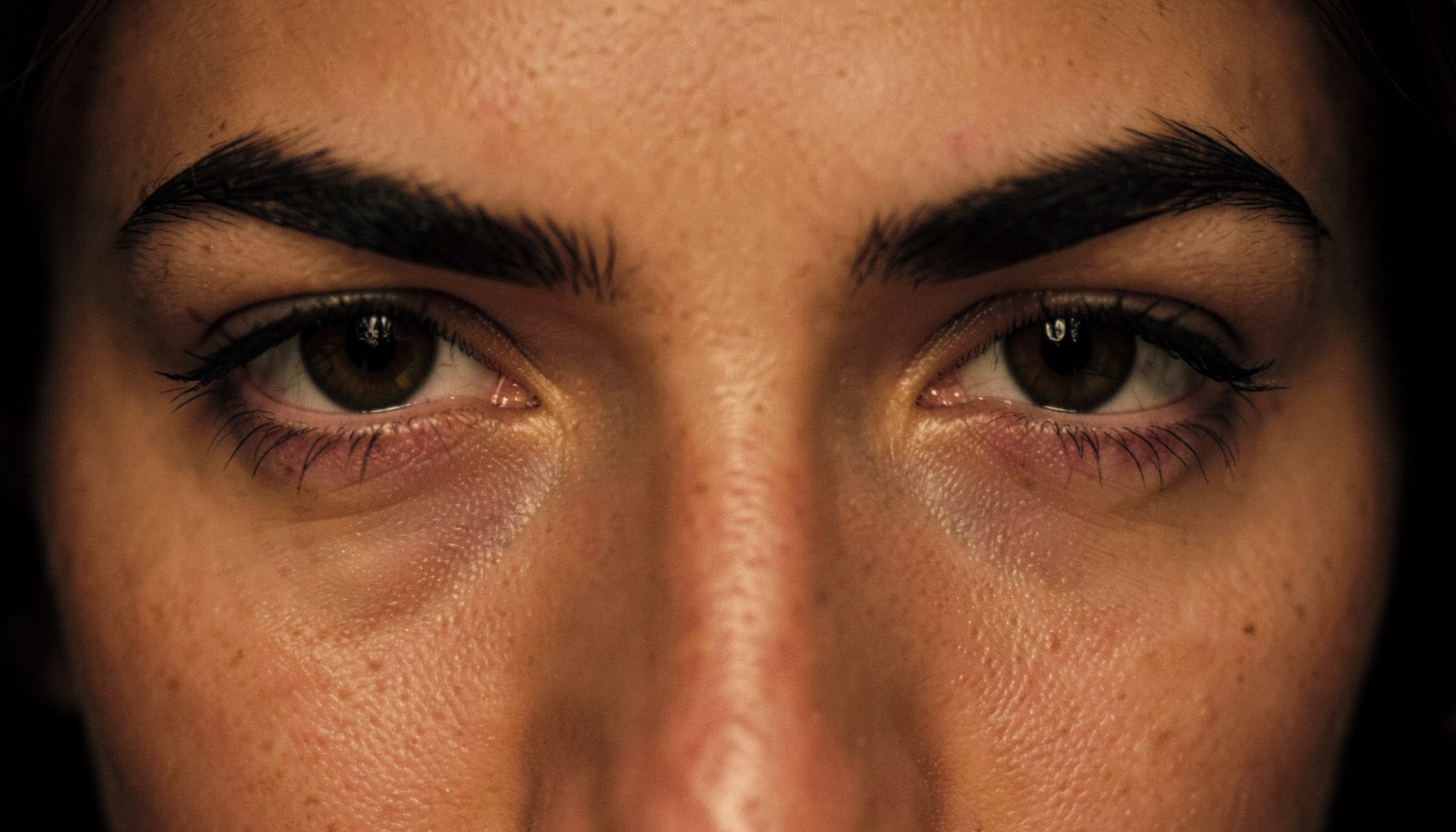
Eye Shape Guide
Understand your eye shape, master makeup techniques, and explore every treatment option — from Botox brow lifts to surgical solutions.
Explore the Site
Eyeshadow placement, blending techniques, and common mistakes to avoid for a more open, lifted look.
Explore →Winged liner, smudge prevention, and techniques that work with hooded lids to make eyes appear larger.
Explore →Non-surgical Botox brow lifts and surgical options including blepharoplasty, explained clearly.
Explore →Five false lash styles suited to hooded eyes, plus curler and mascara guidance for maximum lift.
Explore →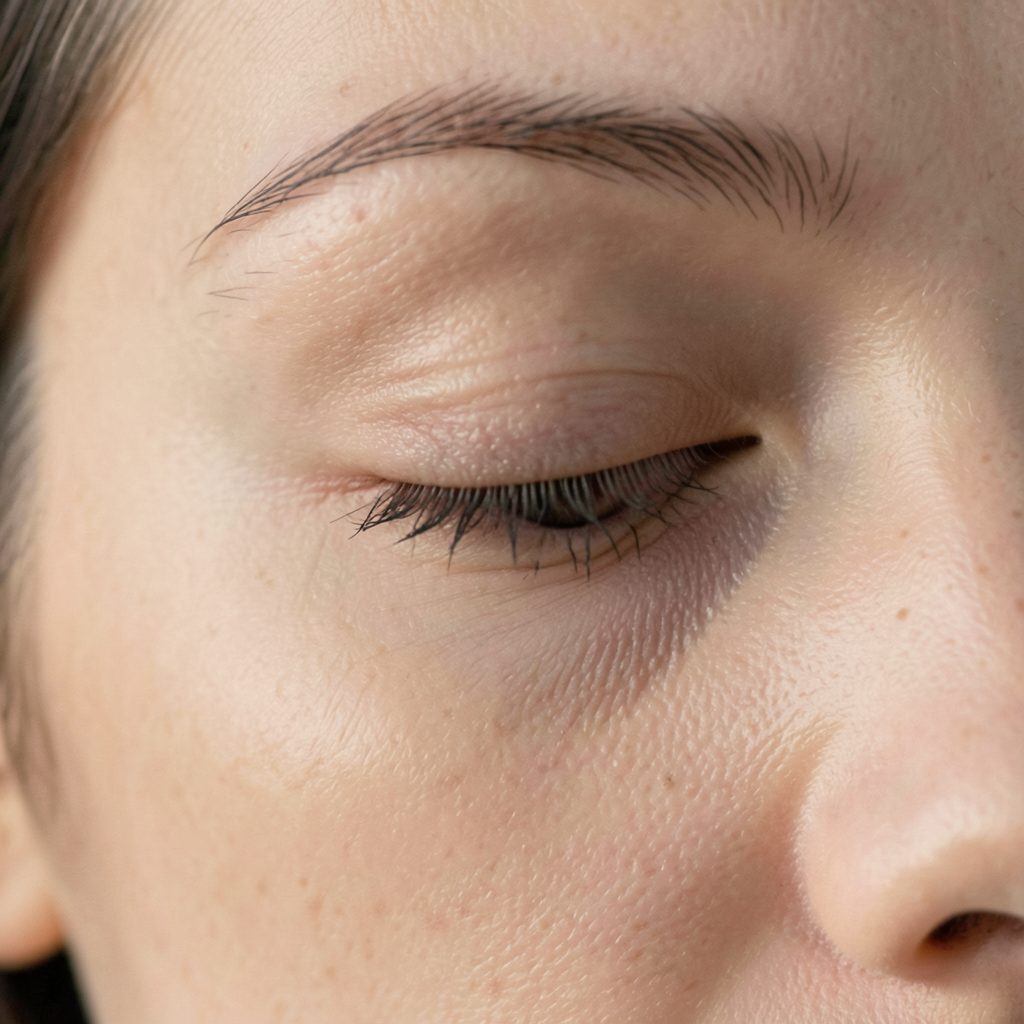
What Are Hooded Eyes?
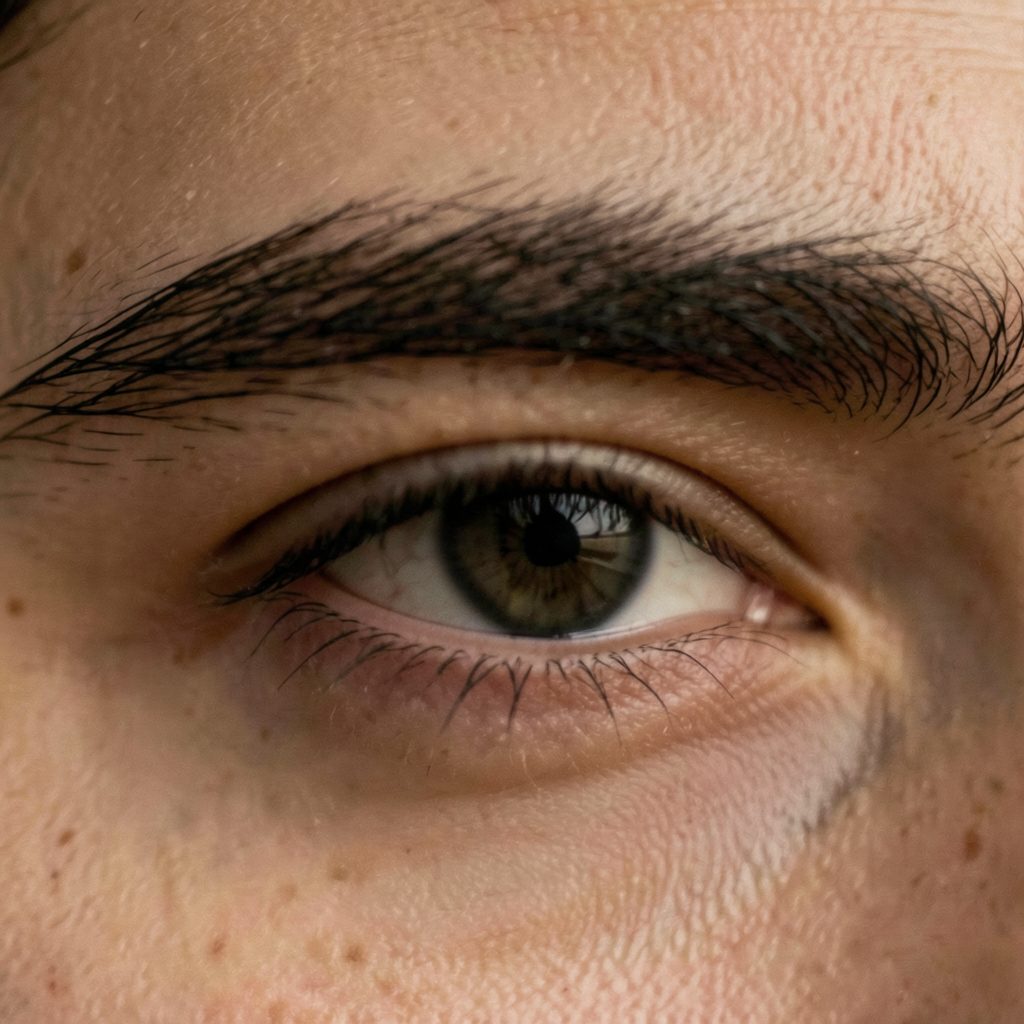
Hooded eyes are a natural eye shape where an excess piece of skin from the brow bone partially or completely covers the eyelid. The result can make eyes appear smaller or more tired than they feel.
This shape can be present from birth due to genetics, or it can develop over time. Known causes include aging, genetic traits, eye rubbing, body fatness, muscle structure, trauma, solar radiation, and sleep apnea.
Hooded eyes have a fold of skin that sits over the crease, making the mobile eyelid look smaller or less visible when the eyes are open. The amount of hooding varies widely: some people have a subtle brow-bone shadow, while others have skin that reaches close to the lash line. Your brow structure, eye spacing and natural hair growth all affect the most flattering shape.
The right brow design can create visual lift without making the face look surprised or overly sharp. A carefully placed arch opens the upper eye area, while an excessively low or rounded brow can make the lid appear heavier. The aim is balance rather than forcing every face into the same high-arched template.
Brow grooming also needs to suit everyday life. Someone commuting across Melbourne, spending time outdoors in Brisbane or managing humidity in Darwin may prefer a different level of definition and hold. Australian sunlight can make warm brow products look stronger than expected, so shade selection and blending matter as much as the outline.
Professional options are available when drooping skin or a lowered brow affects the eye area significantly. Botox brow lifts can create a subtle temporary change, while blepharoplasty addresses excess eyelid skin surgically. These treatments require individual assessment, realistic expectations and careful attention to risks, recovery and aftercare.
Hooded eyes often have a less visible natural crease, so the brow becomes an important visual boundary. If the brow sits very close to the eye or slopes downward at the outer corner, the upper face can look compressed. A slightly lifted tail and a clear, well-positioned arch usually give the eye area more space.
The brow should be assessed with the face relaxed and the eyes open naturally. Raising the forehead or lifting the brows during mapping can produce an arch that looks attractive in the mirror but sits too low once the expression returns to normal. Take photographs from the front and at a slight angle to check whether the brow shape remains balanced.
Hooding is also frequently asymmetrical. One eye may have a heavier fold, a lower brow or more visible lid than the other. Matching both brows exactly can make the face look less natural, so small differences in height and thickness are often more flattering than rigid symmetry.
Your brow bone matters as well. A pronounced brow ridge may suit a softer, elongated arch, while a flatter forehead can carry a more defined peak. Face shape, hair colour and natural brow density should guide the final design rather than a trend seen on social media.
A soft angled brow is a dependable choice for many hooded eyes. It rises gradually from the inner brow, reaches its highest point around the outer two-thirds, then tapers gently towards the temple. This shape adds lift while retaining enough fullness to avoid a drawn or severe appearance.
A straight brow with a subtle outer rise can work well when the natural brow is low or sparse. Keeping the front relatively level gives the face a modern, relaxed look, while a small lift through the tail prevents the upper eye area from appearing weighed down. Avoid extending the tail too far downwards, as this can pull the visual focus towards the outer corner.
A rounded arch may suit a naturally curved brow, but a very circular shape can make hooded eyes look smaller. Likewise, a sharply peaked arch can look harsh if the brow hairs are thick or the forehead is short. The best result usually comes from a gradual transition rather than an abrupt angle.
Thickness is part of the shape. Over-tweezing beneath the arch can remove the support that helps frame the eye, while an overly heavy brow can cast additional shadow. Keep the strongest density through the centre and arch, then taper the tail carefully. If regrowth is needed, pause frequent waxing and use a fine pencil to fill gaps temporarily.
Celebrities can offer useful comparisons, although their brow artists, lighting and makeup styling create a different context. Looking at celebrities with hooded eyes can help you notice how different arch heights and brow thicknesses alter the appearance of the same eye type.
Start by identifying three points: the beginning of the brow, the highest point of the arch and the end of the tail. The inner brow generally begins near the outer edge of the nostril, the arch often aligns with the outer edge of the iris or slightly beyond it, and the tail should finish on an upward or level path from the side of the nose through the outer eye corner.
These guidelines are starting points rather than strict measurements. Widely spaced eyes may benefit from keeping the inner brow slightly fuller, while closely set eyes can look more balanced when the inner edges are not extended too far towards the nose. A long forehead may carry a fuller brow, whereas a petite facial structure can be overwhelmed by excessive thickness.
Map the brows with a pale pencil before tweezing, threading or waxing. Mark the proposed lower edge lightly, then step back from the mirror. Check the brow while looking straight ahead, with the forehead relaxed and the mouth neutral. If you use magnifying mirrors, switch back to a normal mirror regularly because magnification encourages over-removal.
In Australia, salon preferences vary between threading, waxing and brow lamination. Threading offers precise control around the lower brow, while waxing can create a clean finish but may irritate sensitive skin. Lamination can make sparse hairs appear fuller, yet the hairs should not be brushed so high that they create an artificial vertical line above a hooded eye.
If you have very fair or grey hairs, tinting can add definition without a strong drawn-on effect. Always ask about patch testing, particularly if you have eczema, reactive skin or a history of allergies. A licensed brow professional should explain the products, timing and maintenance before treatment.
A brow shape works best when the surrounding makeup reinforces its direction. Use a fine pencil or micro-tip pen to add hair-like strokes through sparse areas, concentrating beneath the arch only where definition is genuinely missing. Brush through with a spoolie so the front remains soft and the arch does not become a solid block.
Choose a brow colour close to your natural hair rather than automatically selecting black or deep brown. Strong contrast can make a lifted brow look heavy against fair Australian complexions, especially in bright outdoor light. Taupe, neutral brown and soft ash shades often create a more believable result, while warmer tones can suit red or golden hair when applied lightly.
The inner brow should usually be the lightest and least structured section. A defined centre and softly tapered tail create shape without closing in the eye. Clear or tinted gel can hold the hairs in place, but avoid brushing every hair straight upwards if the hood is pronounced; directing the outer hairs slightly out and up can produce a more natural lift.
Eyeshadow placement should follow the brow’s architecture. A matte transition shade placed just above the visible crease can create the impression of depth, while a deeper shade kept at the outer corner adds dimension without disappearing under the fold. Shimmer is generally most effective on the centre of the mobile lid or inner corner rather than high beneath the brow.
Eyeliner needs similar restraint. A thick line across the entire lid can hide the remaining lid space, so a slim application close to the lashes is usually more flattering. A short, gently lifted wing can continue the direction of the brow; detailed guidance on hooded eyes eyeliner can help you adapt the line to your particular fold.
Curling the lashes and using a lengthening mascara can further open the eye. Waterproof formulas may be helpful during humid Queensland summers or beach days, but remove them gently to avoid tugging the delicate skin around the eyes. If your brows or lashes are sparse, build definition gradually rather than layering heavy products in one pass.
A successful brow routine should preserve your natural features while making the upper eye area look clear and balanced. Use these principles when shaping, filling or discussing your preferences with a professional:
If the brow sits low because of muscle activity, a qualified medical practitioner may discuss a Botox brow lift. The effect is temporary and depends on carefully balancing muscles around the forehead and brow. Too much product or poor placement can cause asymmetry, heaviness or difficulty raising the brows, so treatment should be approached as a medical procedure rather than a routine beauty service.
Blepharoplasty may be considered when excess upper-eyelid skin affects vision, comfort or appearance. It can change the visible lid area, but it does not replace thoughtful brow shaping and is not suitable for everyone. A consultation should cover medical history, dry-eye symptoms, scarring, healing time, potential complications and the surgeon’s Australian registration and experience.
Before choosing a salon or clinic, review qualifications, hygiene standards and clear pricing. Ask whether the practitioner has experience with hooded eyes and whether the suggested shape is based on your open-eye anatomy. In Sydney, Perth and other Australian cities, reputable providers should be willing to explain aftercare and give you time to consider treatment rather than creating pressure to book immediately.
Your most flattering brow may look different from a current trend. A balanced arch, controlled thickness and softly lifted tail can make hooded eyes appear more open while preserving expression. Begin with small adjustments, photograph the result in natural light and refine the shape gradually. Book a consultation with a qualified brow specialist or medical practitioner when professional guidance is needed, and take a clear reference photo that shows your brows and eyes in a relaxed, open position.
Surgical Option
For those seeking a more lasting result, plastic surgery — including blepharoplasty — is covered as a treatment option for hooded eyes. Surgery addresses the excess skin directly and is considered an alternative to non-surgical approaches like Botox.
The site's surgery guide explains the procedure, what to expect, and how it compares to non-surgical routes, helping readers make informed decisions about their options.
Read the Surgery Guide →Famous Faces
Hooded eyes can enhance facial expressions and contribute to a distinctive, memorable look. These ten well-known figures all share the eye shape.
Jennifer Aniston
Leonardo DiCaprio
Solange Knowles
Taylor Swift
Michelle Williams
Robert Pattinson
Blake Lively
Selena Gomez
Gigi Hadid
Benicio del Toro
Side by Side
False Lash Guide
Varied length spikes create texture and the illusion of depth without weighing down the lid.
Longer outer-corner lashes draw the eye outward and upward, counteracting the hood effect.
A uniform, moderate length that adds definition without overwhelming a hooded lid.
Applied only to the outer half, these open up the eye shape and are easier to manage on hooded lids.
A strong upward curl (D or L curl) lifts lashes away from the hood, keeping them visible throughout the day.
The guide also covers lash curlers, mascara recommendations, and step-by-step instructions for fixing false lashes on hooded eyelids.
Full Lash Guide →Get in Touch
Whether you are just beginning your makeup journey or have been experimenting with different looks for years, we are glad you are here.
General Feedback
Share your thoughts on the site or suggest topics you'd like covered.
Looking for a Specific Tip?
Ask about a particular technique or eye-shape challenge.
Product Questions
Questions about products mentioned across the site.
Human Resources or Business Inquiries
Partnership, collaboration, or business-related correspondence.