01
Makeup Tips
Eyeshadow placement, blending techniques, and common mistakes to avoid for a more open, lifted look.
Explore →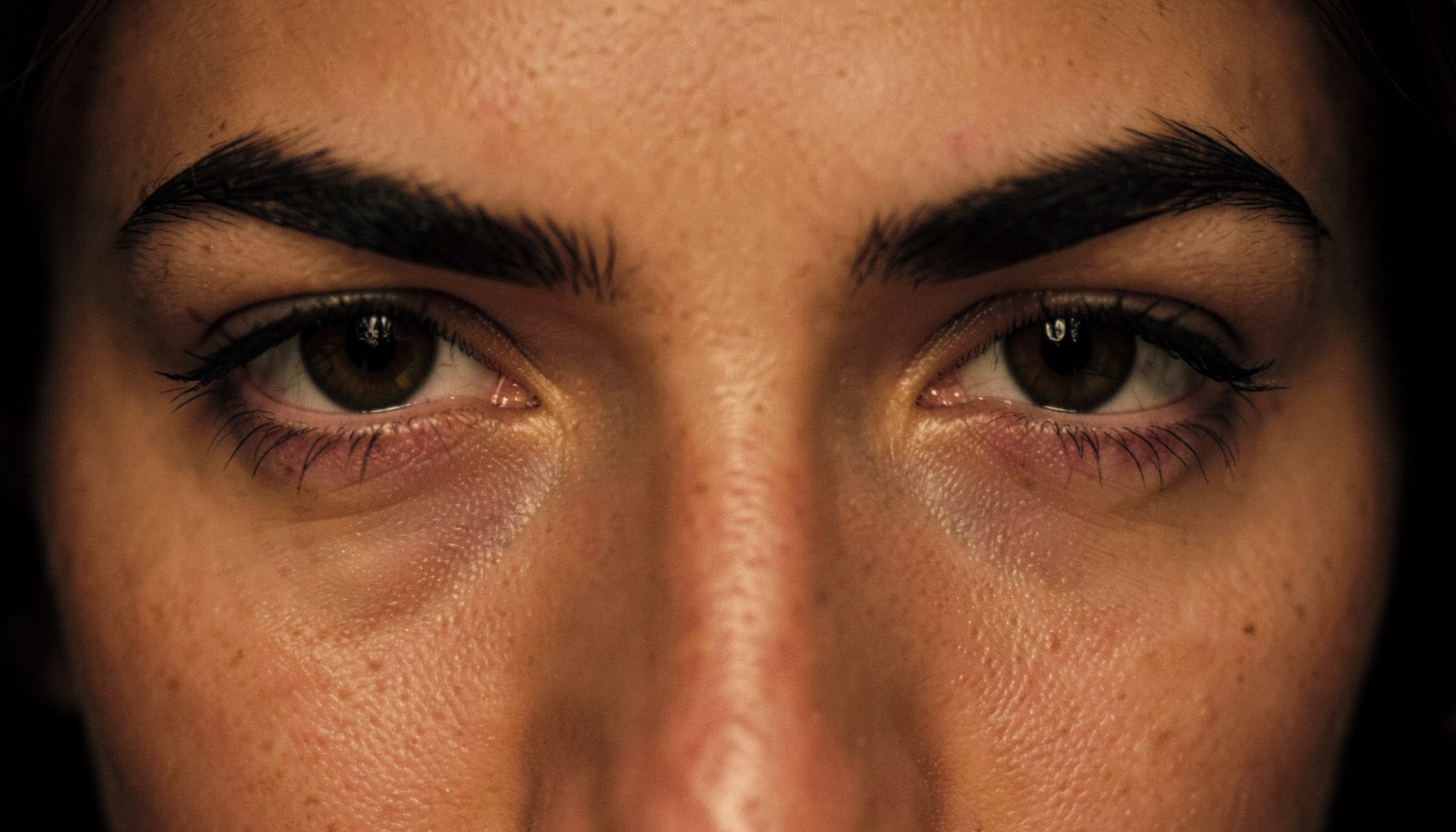
Eye Shape Guide
Understand your eye shape, master makeup techniques, and explore every treatment option — from Botox brow lifts to surgical solutions.
Explore the Site
Eyeshadow placement, blending techniques, and common mistakes to avoid for a more open, lifted look.
Explore →Winged liner, smudge prevention, and techniques that work with hooded lids to make eyes appear larger.
Explore →Non-surgical Botox brow lifts and surgical options including blepharoplasty, explained clearly.
Explore →Five false lash styles suited to hooded eyes, plus curler and mascara guidance for maximum lift.
Explore →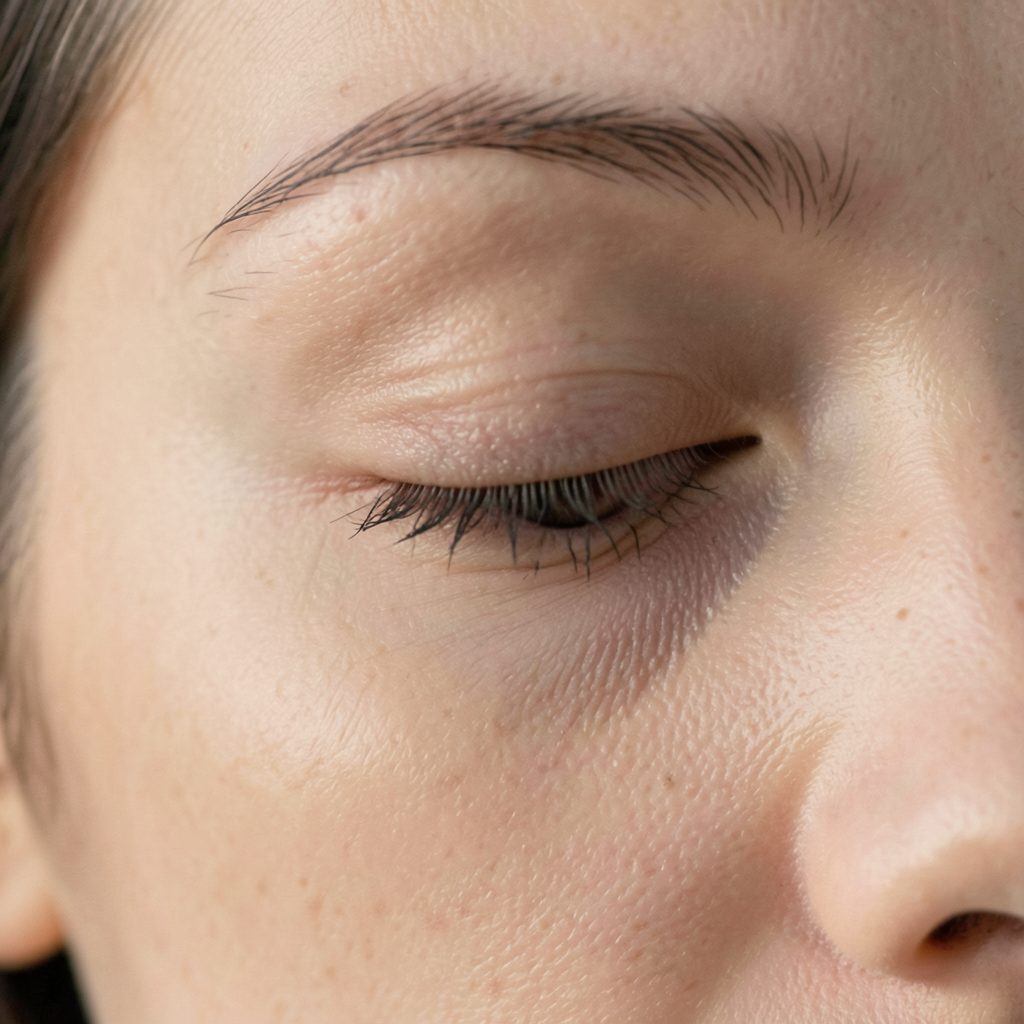
What Are Hooded Eyes?
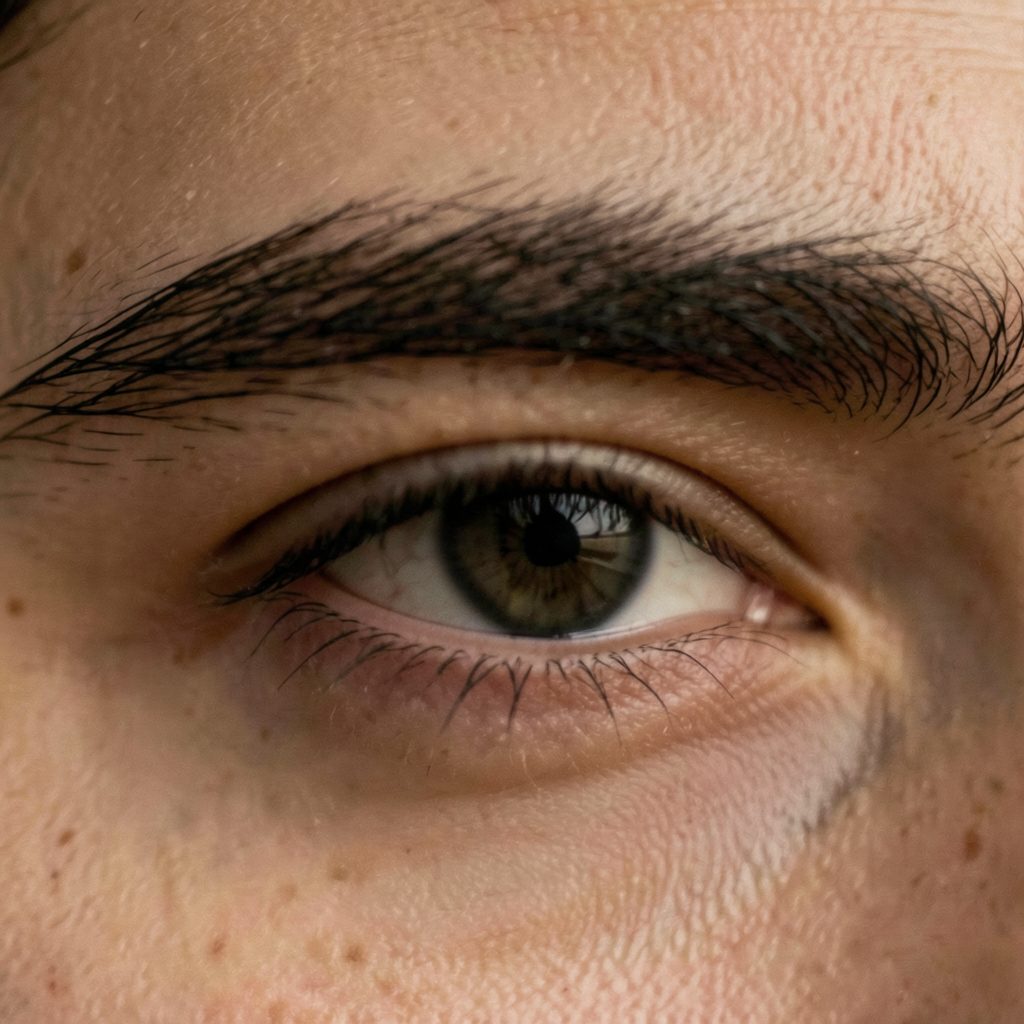
Hooded eyes are a natural eye shape where an excess piece of skin from the brow bone partially or completely covers the eyelid. The result can make eyes appear smaller or more tired than they feel.
This shape can be present from birth due to genetics, or it can develop over time. Known causes include aging, genetic traits, eye rubbing, body fatness, muscle structure, trauma, solar radiation, and sleep apnea.
Cream eyeshadow has long been the quiet achiever of eye makeup, especially for anyone whose lid folds over the mobile space. On a hooded eye, the brow bone drapes down toward the lash line, hiding most of what you paint and creating a perfect storm of creasing and transfer. Powder formulas, particularly the highly pigmented mattes, sit on top of the skin and migrate upward the moment you blink. Cream shadows, by contrast, bond to the skin and move with it. Once you learn the technique, you can build depth, blend softly, and still see the colour when your eye is open.
For Australian readers, the challenge has an extra twist. Humidity rolling in off the coast in Brisbane, salt air along the Mornington Peninsula, and the kind of UV that turns a Saturday brekkie into a sweat test by 10am all work against eye makeup. That is why the routine matters as much as the product. A cream shadow applied with proper prep, the right tools, and a finishing technique suited to our climate will hold up through a tram ride in Melbourne, a beach arvo in Noosa, and a long lunch in Surry Hills without sliding into the crease.
A hooded lid has less visible mobile space than an almond or round eye, so most of the colour you apply ends up tucked under the brow fold. Powder shadows sit on the surface rather than gripping it. When you blink, the brow bone meets the lid and any loose pigment transfers upward, leaving a soft halo above the crease. Cream formulas contain emollients and waxes that fuse to the skin and stay put as the lid moves, so the colour remains where you placed it.
Working time is a second bonus. Cream formulas stay blendable far longer than powder, giving you a proper window to soften edges before the product sets. For anyone still working out exactly where their crease sits, that extra minute is gold. It also means you can smudge a softer line close to the lash roots for definition without needing a separate pencil. Many Australian makeup artists working through bridal season in the Southern Highlands and Sydney's eastern suburbs rely on cream sticks and pots for exactly this reason.
Cream shadow also handles natural light well. The slight sheen of a satin finish catches the warm afternoon glow common to long Aussie lunches and outdoor weddings, adding depth in a way flat matte often cannot. For glasses wearers who spend long days staring at screens, cream shadow creates the illusion of more lid space behind the lenses and stops the eye from disappearing into the frame.
Prep is where most cream-shadow routines fall apart. If the lid is oily or slightly damp, the cream slides off within the hour. If the lid is too dry, the cream grabs in patches and looks cakey around the lash line. The aim is a clean, matte canvas. Wash your face as usual and wait a few minutes before touching the eye area. Skip the heavy morning eye cream on days you plan to wear cream shadow, because residual moisturiser is the main reason cream formulas crease and pill.
An eye primer designed for oily lids is non-negotiable. A pea-sized amount patted from the lash line up to the brow bone and allowed to set for a minute gives the cream something to grip. Australian beauty counters at Mecca, along with the larger Priceline and Chemist Warehouse stores, stock primers specifically labelled for hooded or oily lids that work well. If you would rather keep the routine light, a thin layer of concealer set with translucent powder can stand in, as long as the powder is fully worked in and not visible on the surface.
Blot the lid once more before you begin. A clean tissue or a single-use blotting paper pressed gently along the lash line picks up any last trace of oil. From here on, use only your ring finger or a flat synthetic brush to apply the cream. Fingers warm the product and press it into the skin, while a brush keeps things precise. Both have their place, and the next sections explain when each one earns its spot in the routine.
Shade choice on a hooded lid is less about trend and more about where the colour will actually land once your eye is open. Deep mattes such as charcoal, espresso, or oxblood can swallow the remaining lid space if packed across the whole area. Save the deepest shades for the outer corner and along the upper lash line. Lighter and mid-tone shades, such as champagne, soft bronze, warm taupe, or dusty rose, can sweep across the full visible lid and create the appearance of lift.
Finish matters too. Satin and soft-shimmer creams reflect light back toward the centre of the lid, which visually opens the eye. A high-shine metallic, by contrast, can call attention to any fine lines or creasing. For everyday wear, especially in the bright Aussie sun, a satin finish is flattering and forgiving. For a wedding or a birthday dinner at a rooftop bar in Brisbane, a controlled dab of metallic on the centre of the lid adds drama without going overboard.
Undertone plays a quiet role. Warm undertones tend to suit terracotta, peach, and bronze, while cool undertones sit well with plum, mauve, and taupe. Australian-owned brands such as Alpha-H, alongside MECCA's own-label range, offer cream shadows in both camps, and swatching them in-store before committing is half the fun. A cream stick is particularly handy for travel between Sydney and a coastal getaway, because there is no pot to spill in the carry-on.
Start by dotting the cream shadow along the centre of the mobile lid with a ring finger or a flat synthetic brush. Three small dots usually cover a hooded lid. Pat, do not swipe. Swiping lifts product off the skin and pushes it into the crease, which is the opposite of what you want. Press gently so the colour transfers evenly and begins to grip the primer underneath.
Once the colour is in place, use a clean fluffy brush to soften the edges. Blend in tiny circles, working upward into the crease rather than downward. The trick on a hooded eye is to blend above where you think the crease sits, because the skin folds and hides that area when the eye is open. Stop blending the moment the colour looks soft, since over-blurring is the fastest way to make cream shadow look muddy. If you are pairing the look with eyeliner, the hooded eyes eyeliner guide walks through how to keep the wing visible above the fold.
Set the cream lightly with a matching powder shadow only if you have very oily lids or a long day ahead. Dip a small brush into a translucent or coordinating powder, tap off the excess, and press it on. Do not sweep. Sweeping drags the cream and leaves streaks that are hard to fix on the go. For the lash work that follows, the best lashes roundup helps match the right curl and length to a soft-cream finish without weighing the lid down.
The first mistake is reaching for too much product too soon. Cream shadow builds, so a thin first layer is plenty. You can always add more, but removing colour from a hooded lid usually means starting over with a cotton bud dipped in micellar water. The second mistake is skipping the setting step on humid days, which an afternoon at Bondi or a workday commute in Adelaide will quickly expose. A bare cream lid in summer is a recipe for a smudged brow bone by 3pm.
Patchiness usually means the lid was not properly prepped, or the cream dried before you finished blending. If the product grabs too quickly, mist a brush with setting spray and go over the area once more. The spray reactivates the cream just enough to smooth the edges without lifting the colour. Another option is to switch to a cream-to-powder hybrid, which several brands now sell in stick form for travel and touch-ups.
Smudging under the eye is another common issue, particularly after a long day at a screen. Keep a pointed cotton bud dipped in micellar water in your kit for clean-up. If you are still unsure about your eye shape to begin with, the hooded eyes vs monolids guide is a useful reference for telling the difference and adjusting your routine accordingly.
Heat, humidity, and UV are a tough trio, and most of the country deals with at least two of them most of the year. In Brisbane and Darwin the humidity pushes sweat into the lid fold, while in Melbourne the four-seasons-in-a-day swings can catch you out between morning and afternoon. The fix is layering for stability rather than relying on a single product. A primer, a thin cream layer, and a barely-there powder set will hold up in most conditions. A finishing spray designed for oily skin seals everything without adding shine.
Sunglasses are part of the routine, not an afterthought. A pair of oversized sunnies protects the eye area from squint-creasing and from UV exposure that breaks down makeup faster. Polarised lenses also reduce the urge to squint in bright light, which means the lid stays smooth. Keep sunglasses on a chain around your neck on bright arvos; resting them on your head transfers oil back into the hairline and then onto the brow bone.
For anyone who spends long hours outdoors, whether at weekend markets in Fremantle, a coastal walk in Byron Bay, or a long Sunday in the garden, consider a cream shadow with built-in SPF. A small number of brands now offer mineral SPF in their eye products, which protects the delicate lid skin from sun damage. Pair this with a wide-brim hat and regular face sunscreen reapplication, and the makeup will hold up far better through the day.
A cream shadow routine that respects the hooded lid is not complicated once you get the prep right and stop fighting the formula. Pick up a primer, a single flattering cream stick from your local Mecca or Priceline, and a clean flat brush, and you have everything you need. Practice the layering step a few times before a big event so that on the day itself you are not racing the clock. The rest of the site has detailed guides on liner shapes, lash choices, and how to tell hooded eyes apart from monolids. Have a go this week, snap a quick photo in natural light, and see how the technique holds up through your usual routine.
Surgical Option
For those seeking a more lasting result, plastic surgery — including blepharoplasty — is covered as a treatment option for hooded eyes. Surgery addresses the excess skin directly and is considered an alternative to non-surgical approaches like Botox.
The site's surgery guide explains the procedure, what to expect, and how it compares to non-surgical routes, helping readers make informed decisions about their options.
Read the Surgery Guide →Famous Faces
Hooded eyes can enhance facial expressions and contribute to a distinctive, memorable look. These ten well-known figures all share the eye shape.
Jennifer Aniston
Leonardo DiCaprio
Solange Knowles
Taylor Swift
Michelle Williams
Robert Pattinson
Blake Lively
Selena Gomez
Gigi Hadid
Benicio del Toro
Side by Side
False Lash Guide
Varied length spikes create texture and the illusion of depth without weighing down the lid.
Longer outer-corner lashes draw the eye outward and upward, counteracting the hood effect.
A uniform, moderate length that adds definition without overwhelming a hooded lid.
Applied only to the outer half, these open up the eye shape and are easier to manage on hooded lids.
A strong upward curl (D or L curl) lifts lashes away from the hood, keeping them visible throughout the day.
The guide also covers lash curlers, mascara recommendations, and step-by-step instructions for fixing false lashes on hooded eyelids.
Full Lash Guide →Get in Touch
Whether you are just beginning your makeup journey or have been experimenting with different looks for years, we are glad you are here.
General Feedback
Share your thoughts on the site or suggest topics you'd like covered.
Looking for a Specific Tip?
Ask about a particular technique or eye-shape challenge.
Product Questions
Questions about products mentioned across the site.
Human Resources or Business Inquiries
Partnership, collaboration, or business-related correspondence.