01
Makeup Tips
Eyeshadow placement, blending techniques, and common mistakes to avoid for a more open, lifted look.
Explore →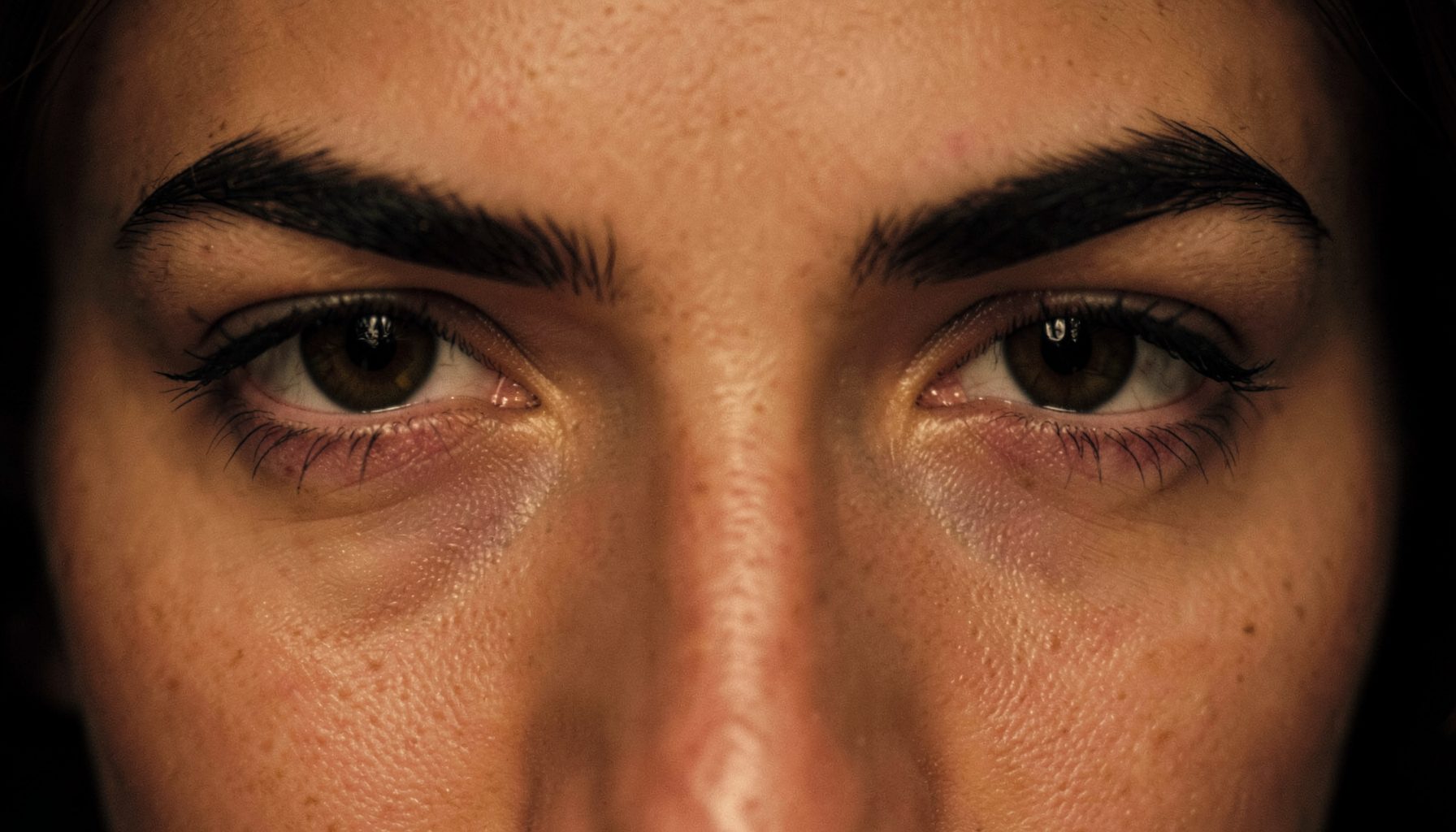
Eye Shape Guide
Understand your eye shape, master makeup techniques, and explore every treatment option — from Botox brow lifts to surgical solutions.
Explore the Site
Eyeshadow placement, blending techniques, and common mistakes to avoid for a more open, lifted look.
Explore →Winged liner, smudge prevention, and techniques that work with hooded lids to make eyes appear larger.
Explore →Non-surgical Botox brow lifts and surgical options including blepharoplasty, explained clearly.
Explore →Five false lash styles suited to hooded eyes, plus curler and mascara guidance for maximum lift.
Explore →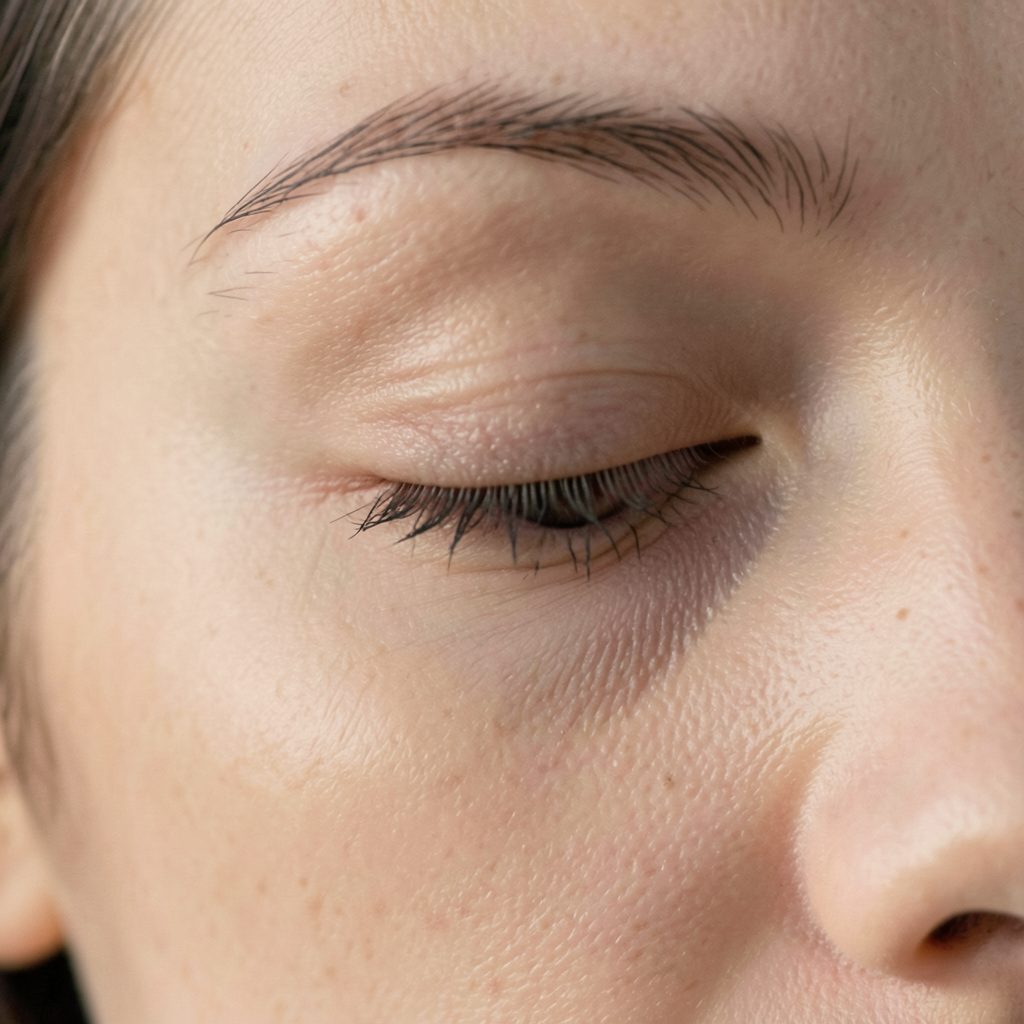
What Are Hooded Eyes?
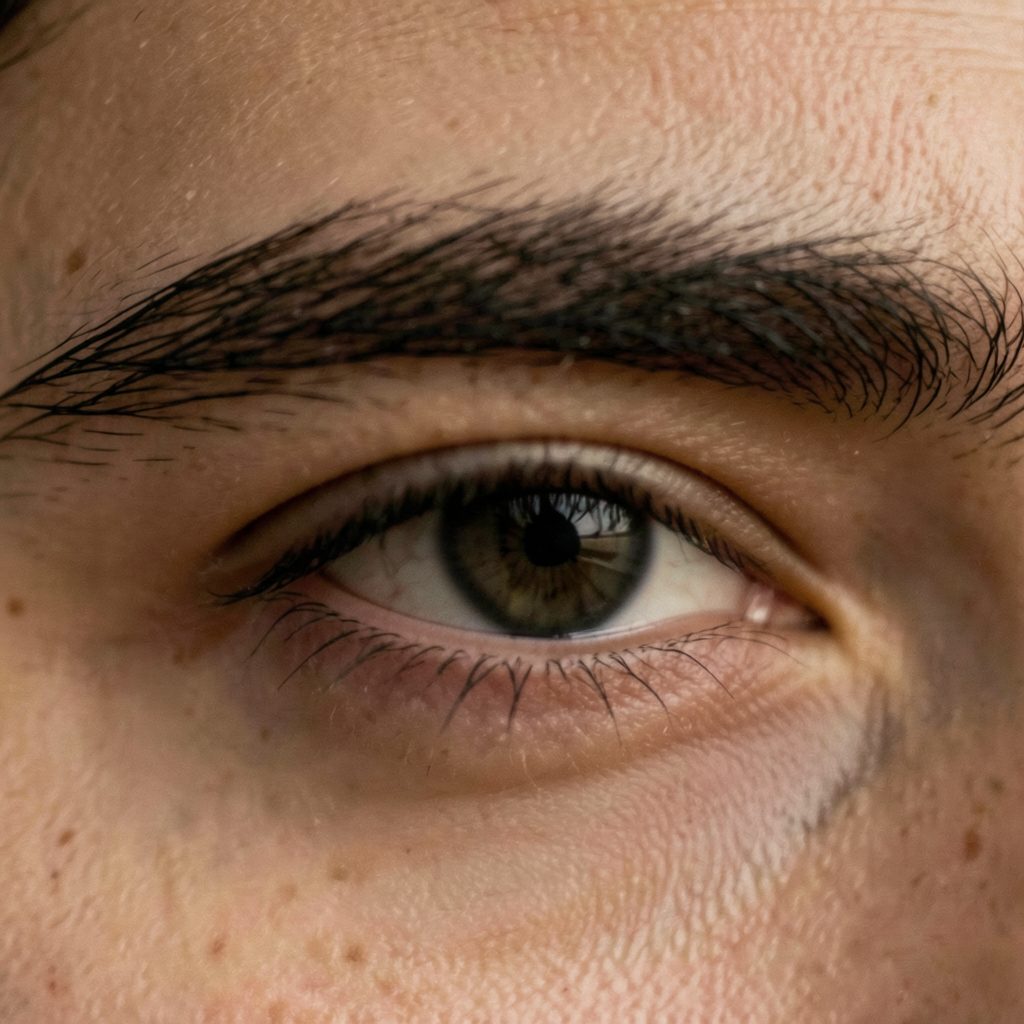
Hooded eyes are a natural eye shape where an excess piece of skin from the brow bone partially or completely covers the eyelid. The result can make eyes appear smaller or more tired than they feel.
This shape can be present from birth due to genetics, or it can develop over time. Known causes include aging, genetic traits, eye rubbing, body fatness, muscle structure, trauma, solar radiation, and sleep apnea.
Hooded eyes occur when the upper eyelid skin folds or droops over the visible crease, making the eye opening look smaller. The reason why some people develop hooded eyes after age 40 is usually a combination of inherited anatomy, gradual tissue ageing and lifestyle exposure, rather than one isolated change. Genetics can establish the crease position early, while skin elasticity, fat support and brow position influence how noticeable the hooding becomes later.
Age is a trend, not a precise deadline. Some people notice lid hooding in their late thirties, while others develop a deeper fold in their fifties. Makeup can improve the visible shape, while an eye specialist or qualified aesthetic clinician can clarify whether a brow lift, blepharoplasty or a different cosmetic approach fits the concern.
The upper eyelid crease is the visible fold above the lashes. In a hooded eye, that crease may disappear when the eye opens because the lid has descended or the fold is hidden beneath heavier skin. The outer corner can also appear to slope downward. This is commonly called upper-eyelid hooding and may sit alongside deep-set eyes, a low brow or mild brow ptosis.
Not every small-looking eye has the same cause. Temporary puffiness, allergies, tired eyes and fluid retention can narrow the eye opening, while a naturally low brow creates shadow without excess lid skin. Photographs taken with the brow lifted, then relaxed, can help a clinician distinguish brow position from true dermatochalasis, which means redundant or lax upper-eyelid skin.
In the fourth decade, collagen and elastin production begins to decline and the thin periorbital skin loses some springiness. Sun exposure accelerates this process, so creases can become sharper and the lid margin can rest lower. Age-related changes in the levator muscle, which lifts the lid, also affect how much skin and fat are displayed.
The fat around the eye is not simply disappearing. With age, upper-eyelid fat can shift forward or bulge, while weak connective tissue allows skin to drape over it. This combination of fat prolapse and dermatochalasis can produce a heavy upper lid even when the brow itself has barely moved.
Timing varies because anatomy and environment influence the rate of change. A naturally low crease or fuller age-related fat may conceal changes for years, then make them visible suddenly. Trauma, prior surgery and some medical conditions can alter the lid position, but routine ageing remains the most common background factor.
Australia’s high UV index makes daily eye-area protection especially relevant. A commute through Sydney or Brisbane, a walk along the Gold Coast or time spent outdoors in Melbourne can expose the face without anyone noticing repeated UV damage. A broad-spectrum SPF 50 or higher, sunglasses and a hat protect the eyelids, while reapplication matters during beach and sports seasons.
Everyday habits also influence the skin around the eye. Smoking accelerates collagen damage, and rubbing the eyes while wearing makeup can irritate the lid margin. Sleep may affect puffiness, although it does not create true hooded eyelids. Persistent congestion or allergy should be managed with an appropriate health professional rather than disguised with increasingly heavy concealer.
The local beauty market offers waterproof mascara, eyelid tape, lash adhesives and temporary lift products, but results depend on correct use and skin tolerance. Adhesives can irritate the lash line, particularly for contact-lens wearers. More importantly, botulinum toxin is a prescription medicine in Australia and should be administered by an appropriately qualified health professional. The Therapeutic Goods Administration regulates therapeutic goods, while the Australian Health Practitioner Regulation Agency publishes practitioner registers. Injectables should not be bought from overseas online sellers.
Celebrity imagery can make eye-shape differences easier to recognise. The site’s celebrity eye examples show how hooded, almond-shaped, deep-set and round eyes can coexist with different brow and cheek structures. The useful comparison is visual rather than diagnostic: a shadowed upper lid may suit one face because the brow is defined, while the same fold can look tired on another.
No photograph reveals the full clinical story. Makeup, camera angle, brow grooming and temporary swelling all affect appearance, so celebrity examples should inspire questions for a qualified professional rather than provide a diagnosis or expected surgical result. Comparing your eyes across lighting and at different times of day is more useful than matching a celebrity’s crease.
Begin with a thin, matte base over the visible eyelid. Heavy glitter or cream shadow can make the surface look bulky, while a small amount of concealer on the skin between the crease and lashes keeps the eye opening visually open. Avoid outlining the entire hidden fold, because that creates a dark band when the lid moves.
Use eyeshadow only where it remains visible. Sweep a soft transition shade just above the crease, keep deeper colour close to the upper lash line, and use a clean cut crease only if the technique suits your anatomy. A warm mid-tone shadow can soften the fold, but crisp placement matters more than applying a darker shade to create depth.
For eyeliner, follow the upper lash line and extend a short wing beyond the outer corner. Avoid placing a thick line above the lid, where it will disappear when the eye opens. Waterproof mascara, a clean lash curl and carefully applied false lashes can lift the eye without fighting the fold. Trim lashes to fit and keep adhesive away from the eyelid margin.
Botulinum toxin may be used for a subtle brow lift when the brow is being pulled down by muscle movement. It relaxes the depressor muscles and can expose a little more upper lid without removing skin. Results are temporary, commonly lasting several months, and the best candidates usually have mild hooding and a relatively strong lid margin. Bruising, headache, temporary brow heaviness or an uneven result can occur; blurred double vision and eyelid closure problems are uncommon but serious.
Blepharoplasty is a surgical option for excess upper-eyelid skin, herniated fat or lax muscle. A clear explanation of upper-eyelid surgery can help readers compare the procedure, recovery and risks with non-surgical choices. A surgeon should also assess brow ptosis, since lowering an already low brow may make the lid appear heavier and a separate brow procedure may be needed.
Before either treatment, expect a discussion of medical history, medicines, allergies, previous eye surgery and desired results. The clinician may take standardised photographs, examine eyelid closure and assess tear production. Do not stop blood-thinning medicines or other prescriptions without medical advice. Patients should arrange transport, avoid alcohol beforehand and stop smoking if advised, as these factors affect swelling and healing.
After Botox, avoid rubbing the area and follow the injector’s timing for makeup and exercise. After blepharoplasty, cold compresses, prescribed drops, head elevation, sunglasses and gentle cleansing support recovery. Potential surgery risks include bleeding, infection, scarring, numbness, dry eye, incomplete closure, asymmetry and revision. In Australia, purely cosmetic blepharoplasty is generally not covered by Medicare, and private insurers may apply exclusions, so request an itemised written quote and a clear aftercare policy.
Start with the appearance you want and the degree of change you are comfortable pursuing. For cosmetic-only concerns, a good makeup demonstration can often create a convincing lift. For structural hooding, seek an assessment from a clinician with specific eyelid experience before committing to a procedure.
Keep records and make informed decisions. Photographs in natural light, a list of medicines and realistic expectations give both a makeup artist and a clinician a useful baseline.
Take the next step by choosing one measurable goal: a more visible crease, a lifted brow line or less eyelid shadow. Book a professional consultation if daily makeup no longer gives you the shape you want, and use the appointment to review the risks, recovery time, maintenance and expected results before making a decision.
Surgical Option
For those seeking a more lasting result, plastic surgery — including blepharoplasty — is covered as a treatment option for hooded eyes. Surgery addresses the excess skin directly and is considered an alternative to non-surgical approaches like Botox.
The site's surgery guide explains the procedure, what to expect, and how it compares to non-surgical routes, helping readers make informed decisions about their options.
Read the Surgery Guide →Famous Faces
Hooded eyes can enhance facial expressions and contribute to a distinctive, memorable look. These ten well-known figures all share the eye shape.
Jennifer Aniston
Leonardo DiCaprio
Solange Knowles
Taylor Swift
Michelle Williams
Robert Pattinson
Blake Lively
Selena Gomez
Gigi Hadid
Benicio del Toro
Side by Side
False Lash Guide
Varied length spikes create texture and the illusion of depth without weighing down the lid.
Longer outer-corner lashes draw the eye outward and upward, counteracting the hood effect.
A uniform, moderate length that adds definition without overwhelming a hooded lid.
Applied only to the outer half, these open up the eye shape and are easier to manage on hooded lids.
A strong upward curl (D or L curl) lifts lashes away from the hood, keeping them visible throughout the day.
The guide also covers lash curlers, mascara recommendations, and step-by-step instructions for fixing false lashes on hooded eyelids.
Full Lash Guide →Get in Touch
Whether you are just beginning your makeup journey or have been experimenting with different looks for years, we are glad you are here.
General Feedback
Share your thoughts on the site or suggest topics you'd like covered.
Looking for a Specific Tip?
Ask about a particular technique or eye-shape challenge.
Product Questions
Questions about products mentioned across the site.
Human Resources or Business Inquiries
Partnership, collaboration, or business-related correspondence.