01
Makeup Tips
Eyeshadow placement, blending techniques, and common mistakes to avoid for a more open, lifted look.
Explore →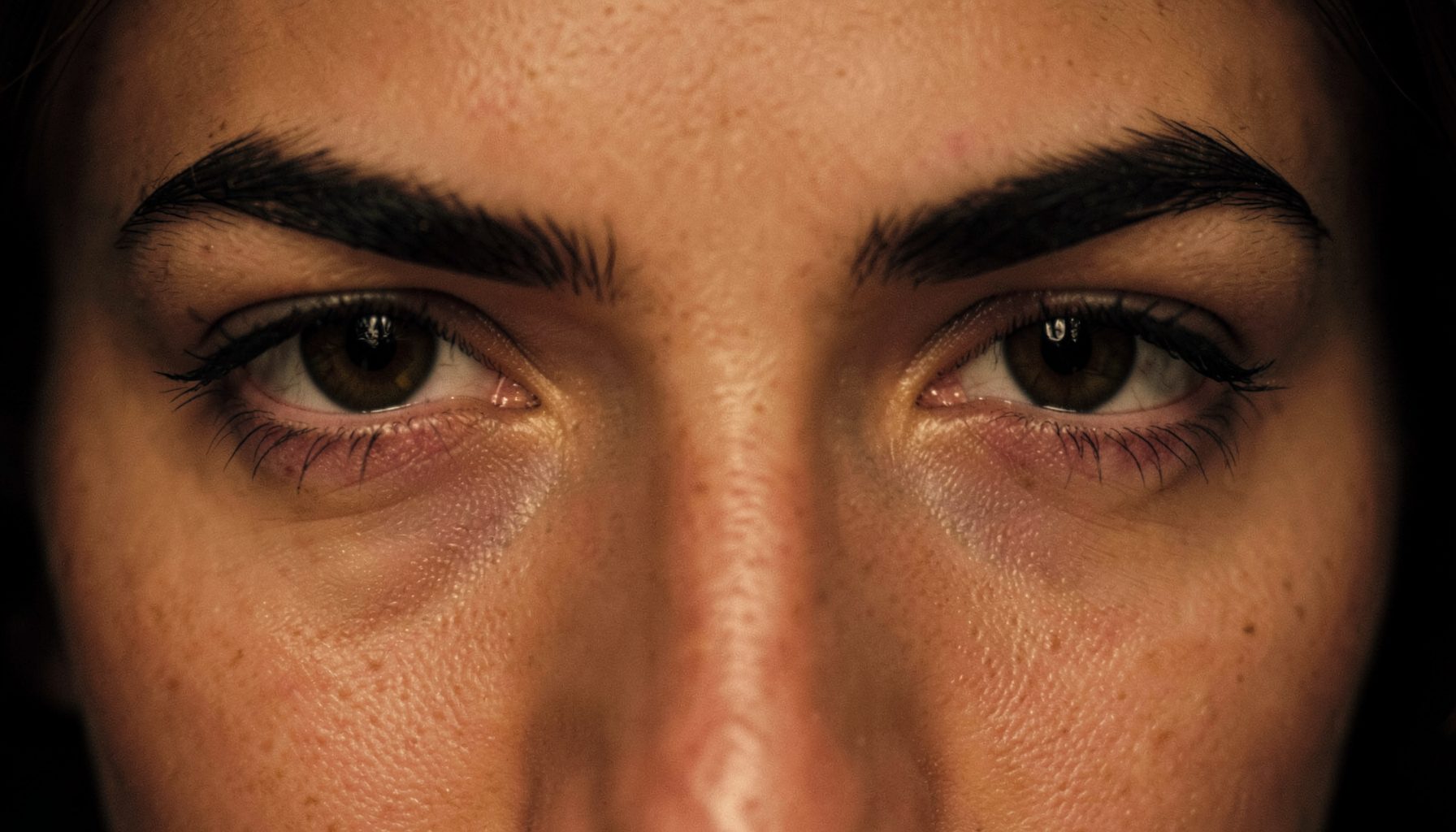
Eye Shape Guide
Understand your eye shape, master makeup techniques, and explore every treatment option — from Botox brow lifts to surgical solutions.
Explore the Site
Eyeshadow placement, blending techniques, and common mistakes to avoid for a more open, lifted look.
Explore →Winged liner, smudge prevention, and techniques that work with hooded lids to make eyes appear larger.
Explore →Non-surgical Botox brow lifts and surgical options including blepharoplasty, explained clearly.
Explore →Five false lash styles suited to hooded eyes, plus curler and mascara guidance for maximum lift.
Explore →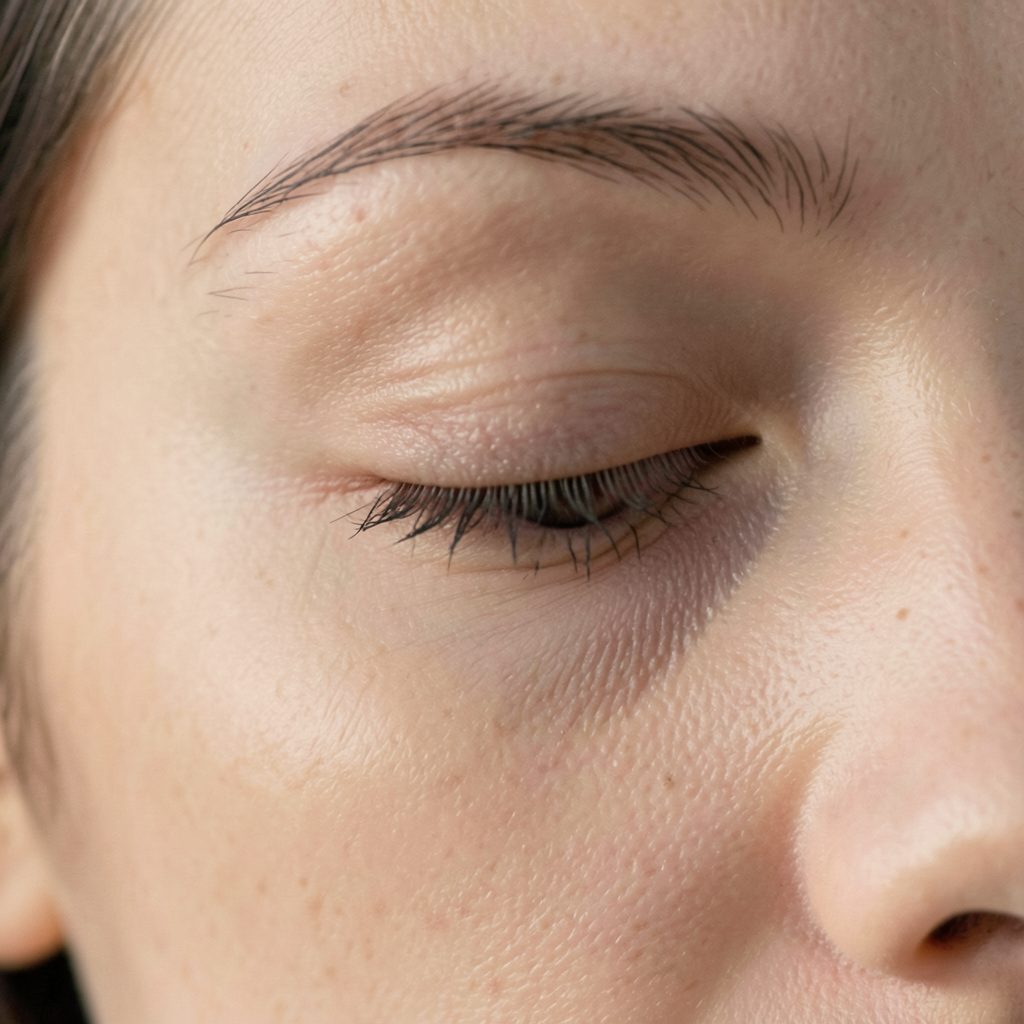
What Are Hooded Eyes?
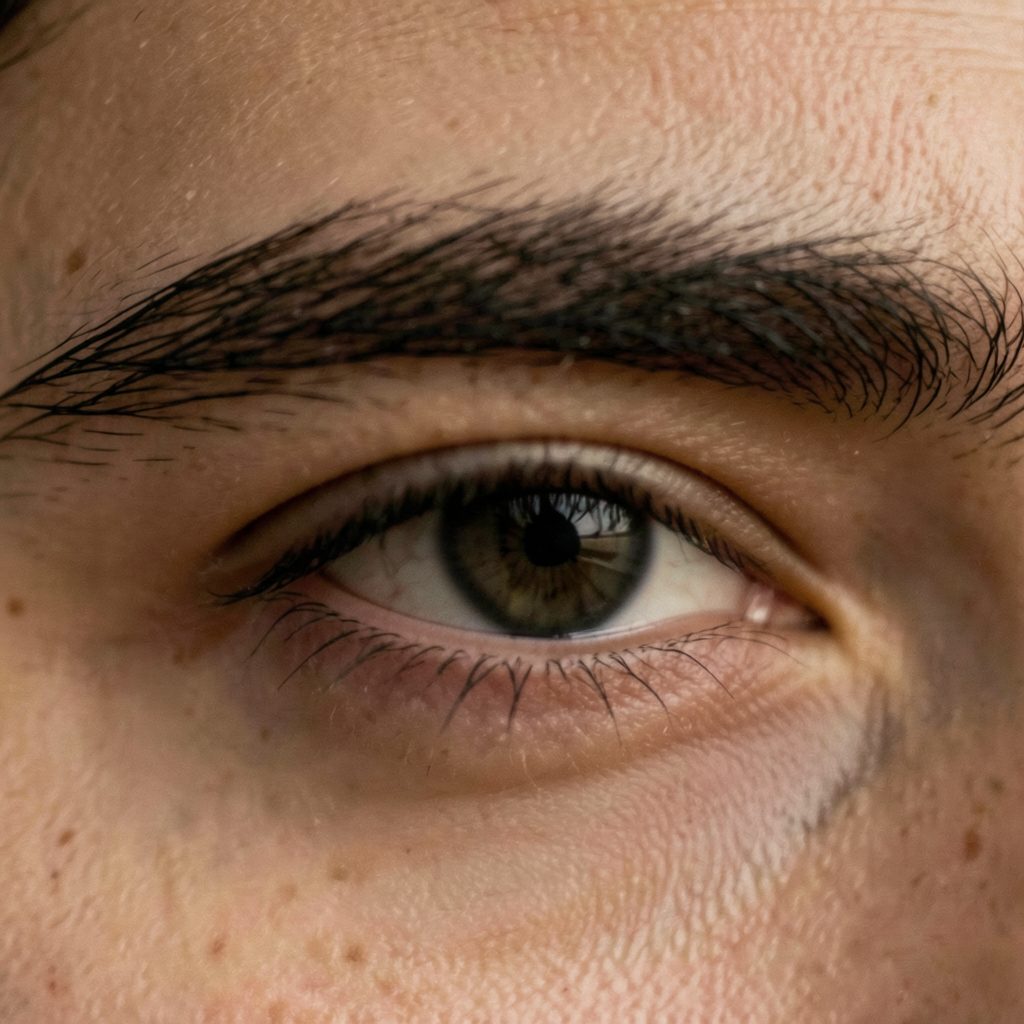
Hooded eyes are a natural eye shape where an excess piece of skin from the brow bone partially or completely covers the eyelid. The result can make eyes appear smaller or more tired than they feel.
This shape can be present from birth due to genetics, or it can develop over time. Known causes include aging, genetic traits, eye rubbing, body fatness, muscle structure, trauma, solar radiation, and sleep apnea.
Liquid eyeliner promises a crisp line, but a hooded upper lid can make that line disappear into the fold. If you have searched for why liquid eyeliner can be tricky for hooded eyes and what to use instead, you will have noticed the same pattern: the product looks fine on the back of your hand, yet it gathers in the crease, smudges, or seems to stop halfway across the lid.
The difficulty usually comes from anatomy and movement, not a lack of skill. Soft pencils, kohl, careful mascara, and well-chosen lashes can create definition without forcing a permanent line into hidden space. Your best option will depend on lid depth, brow position, natural lashes, contact-lens use, and how your eye area behaves through the day.
A hooded eye has an upper-lid fold that overlaps the visible mobile lid, reducing the space between the lashes and the top of the eyelid. The orbital crease may still appear when you look up, which can help distinguish a hooded eye from a monolid. Makeup placed across the mobile area can travel downward as the lid moves or settle into the fold.
The shape may come from genetics, brow position, age-related fat changes, or excess upper-lid skin. These causes are related but not identical. A useful guide to upper-lid dermatochalasis explains how lax upper-lid skin differs from a naturally hooded appearance and when the overlap may be more than a makeup concern.
Australian sun exposure makes skin quality worth considering, yet it does not create the same look for everyone. A fold that changes suddenly, causes vision problems, redness, pain, or difficulty closing the eye deserves an eye-health assessment rather than a new eyeliner. If the skin simply overlaps the lash line without symptoms, it may be a hooded shape that makeup can accommodate.
A narrow liquid line is unforgiving because every millimetre must land where the lid can display it. When you look down to draw, the skin stretches; when you look forward, that same section rolls beneath the fold. The tail may remain visible while the middle disappears, making the eye look unfinished even though both sides were drawn carefully.
Humidity and temperature add another layer. Brisbane and Sydney summers can encourage liner to soften or transfer, while air-conditioned Melbourne offices and shops can dry the surface before the eye area has settled. Waterproof formulas reduce movement but can still collect along a crease. Blotting with tissue is safer than rubbing, and a small amount of translucent powder over a fully dry line can help it stay put.
Tightlining along the wet waterline is especially risky for hooded eyes because the line has nowhere stable to sit and can migrate. It may also increase irritation or the chance of transferring particles to contact lenses. Keep colour on the dry upper lash line, remove eye makeup thoroughly, and give the eye a break if it feels gritty or pink. Use a damp cotton pad rather than dragging a soaked remover across the lashes.
A kohl pencil is often the most forgiving place to begin. It deposits controlled colour, can be sharpened to a fine edge, and is less likely to vanish into the fold if you keep the line close to the lashes. Soft brown or taupe creates subtle daytime definition; charcoal gives stronger contrast. Choose a waterproof or long-wearing formula for humid conditions rather than assuming the word “waterproof” means transfer-proof.
Work in short dashes from the middle of the lash line toward the outer corner, then join the spaces. Use light pressure and follow the natural curve of the lash roots. Do not pull the lid downward to make more room, because that changes the position you see in the mirror. For a softer result, smudge the outer edge with a clean fingertip or small brush; for more drama, build a narrow line above the lashes without trying to fill the entire crease.
If liquid liner is already part of your routine, a felt-tip precision pen with a flexible tip can be less harsh than a hard angled nib. Restrict it to the outer third or tail, where the lid usually displays more surface, and keep a pencil nearby for the inner line. Australian shoppers can compare kohl and gel options at Priceline, Sephora Australia, and Beauty Bay, usually in Australian dollars. Check each brand’s ingredient and removal guidance, especially if you wear contacts.
Mascara improves the visible edge of the eye even when there is little mobile-lid space. Length often matters more than dramatic volume because separated lashes create a clearer outline. A heated curler used on clean, dry lashes can lift the roots, but test the heat and keep the device away from the skin. Follow the curler with two or three thin mascara coats and comb out clumps with a clean spoolie.
For a natural result, brown mascara can soften the lash line while black creates more definition. Waterproof tubing mascaras are useful in humidity, although they can need more careful removal. Stop before the product reaches the wet waterline, and replace a dried tube that has become flaky. If mascara regularly flakes onto the hooded fold, a fresh wand and a fuller brush may be a better beauty win than layering the same tired formula.
False lashes and individual lash clusters can add length without adding colour to the hidden lid. For style choices, the hooded-eye lash guide compares styles and placement for this eye shape. Measure the natural lash band before trimming, apply a thin line of adhesive along your own lashes rather than the skin above them, and press the outer and inner corners into place. Avoid gluing lashes to the waterline, and remove them slowly so the natural lashes do not lift with the bond.
Some people want a change that makeup cannot create. A botulinum toxin brow lift can temporarily elevate a low or heavy brow, making more lid visible without removing skin. It suits people whose hooded appearance is driven mainly by brow descent, although it does not correct substantial dermatochalasis and can create more heaviness if the brow is already positioned poorly. Results commonly last several months rather than permanently.
In Australia, cosmetic botulinum toxin should be administered by a qualified health practitioner who can assess your brow, eyelid position, and any risk of eyelid droop or double vision. Ask which TGA-approved product the clinician intends to use, whether the proposed cosmetic use is on-label or off-label, and what follow-up is included. Temporary bruising or swelling can occur, and makeup timing after treatment should follow the clinician’s instructions rather than a general beauty rule.
Blepharoplasty is a surgical option that can remove excess upper-lid skin and sometimes reposition the lid or address protruding fat. It offers longer-lasting change but carries risks such as infection, scarring, asymmetry, dry eye, corneal exposure, and altered eyelid closure. A suddenly obstructing fold should be assessed by an eye specialist, while elective surgery should be discussed with a surgeon registered with AHPRA and experienced in eyelid surgery, ideally with oculoplastic training. In this market, elective blepharoplasty is commonly self-funded or privately insured, and Medicare rebates are not usually available for a purely cosmetic procedure.
Preparation and aftercare should be individualised. Your surgeon may review medicines and supplements, provide specific stop-or-continue instructions, and arrange fasting, transport, and time away from work. After surgery, follow their directions for gentle cleaning, prescribed drops or ointment, sunglasses, driving, contact lenses, and returning to eye makeup. Attend every review appointment and seek urgent care for worsening pain, discharge, reduced vision, or an eye that cannot close properly.
There is no universal winner, because a lid with a shallow fold needs a different approach from one with a deep crease or visible brow heaviness. Compare how much skin is visible when you look straight ahead, how close your lashes sit to the fold, whether you wear contacts, and how much time you have for application and removal. A product that takes five careful minutes is often more useful than one that looks sharper but does not survive the day.
| Option | Why it can suit hooded eyes | Simple use | Main caution |
|---|---|---|---|
| Kohl pencil | Soft, controllable and easy to build | Draw short dashes along the dry upper lash line | Sharpen often; keep it off the wet waterline |
| Gel pencil | More colour and usually better wear | Define the lash base and outer third | Let each small stroke dry before adding more |
| Precision liquid pen | A crisp tail with minimal product | Use mainly at the outer corner | Can disappear into the fold or transfer |
| Cream or powder shadow | Blends softly instead of drawing a hard edge | Pat or sweep close to the lashes with a small brush | Watch for fallout and avoid the eye itself |
| Mascara | Defines the lash edge without needing lid space | Lengthen, separate and comb the lashes | Clumps and flakes can expose a dirty-looking fold |
| False lashes | Adds visible length and shape | Measure, trim and anchor to the natural lash band | Adhesive must not touch the waterline |
Try one option at a time for several days, then check it in daylight and under office lighting rather than judging it only in a bathroom mirror. Take a photo without filters, and note any smudging under the eye. If one method performs well without irritating the eye, it is likely to be more reliable than constantly rebuilding a liquid line.
Make one clear change today: choose the pencil or mascara formula that matches your lashes and lifestyle, give it a proper trial, and keep the products that create clean definition without fighting your upper lid. If you are considering a brow lift or eyelid surgery, use the guidance above to prepare for a medical consultation and choose a properly qualified Australian practitioner.
Surgical Option
For those seeking a more lasting result, plastic surgery — including blepharoplasty — is covered as a treatment option for hooded eyes. Surgery addresses the excess skin directly and is considered an alternative to non-surgical approaches like Botox.
The site's surgery guide explains the procedure, what to expect, and how it compares to non-surgical routes, helping readers make informed decisions about their options.
Read the Surgery Guide →Famous Faces
Hooded eyes can enhance facial expressions and contribute to a distinctive, memorable look. These ten well-known figures all share the eye shape.
Jennifer Aniston
Leonardo DiCaprio
Solange Knowles
Taylor Swift
Michelle Williams
Robert Pattinson
Blake Lively
Selena Gomez
Gigi Hadid
Benicio del Toro
Side by Side
False Lash Guide
Varied length spikes create texture and the illusion of depth without weighing down the lid.
Longer outer-corner lashes draw the eye outward and upward, counteracting the hood effect.
A uniform, moderate length that adds definition without overwhelming a hooded lid.
Applied only to the outer half, these open up the eye shape and are easier to manage on hooded lids.
A strong upward curl (D or L curl) lifts lashes away from the hood, keeping them visible throughout the day.
The guide also covers lash curlers, mascara recommendations, and step-by-step instructions for fixing false lashes on hooded eyelids.
Full Lash Guide →Get in Touch
Whether you are just beginning your makeup journey or have been experimenting with different looks for years, we are glad you are here.
General Feedback
Share your thoughts on the site or suggest topics you'd like covered.
Looking for a Specific Tip?
Ask about a particular technique or eye-shape challenge.
Product Questions
Questions about products mentioned across the site.
Human Resources or Business Inquiries
Partnership, collaboration, or business-related correspondence.