01
Makeup Tips
Eyeshadow placement, blending techniques, and common mistakes to avoid for a more open, lifted look.
Explore →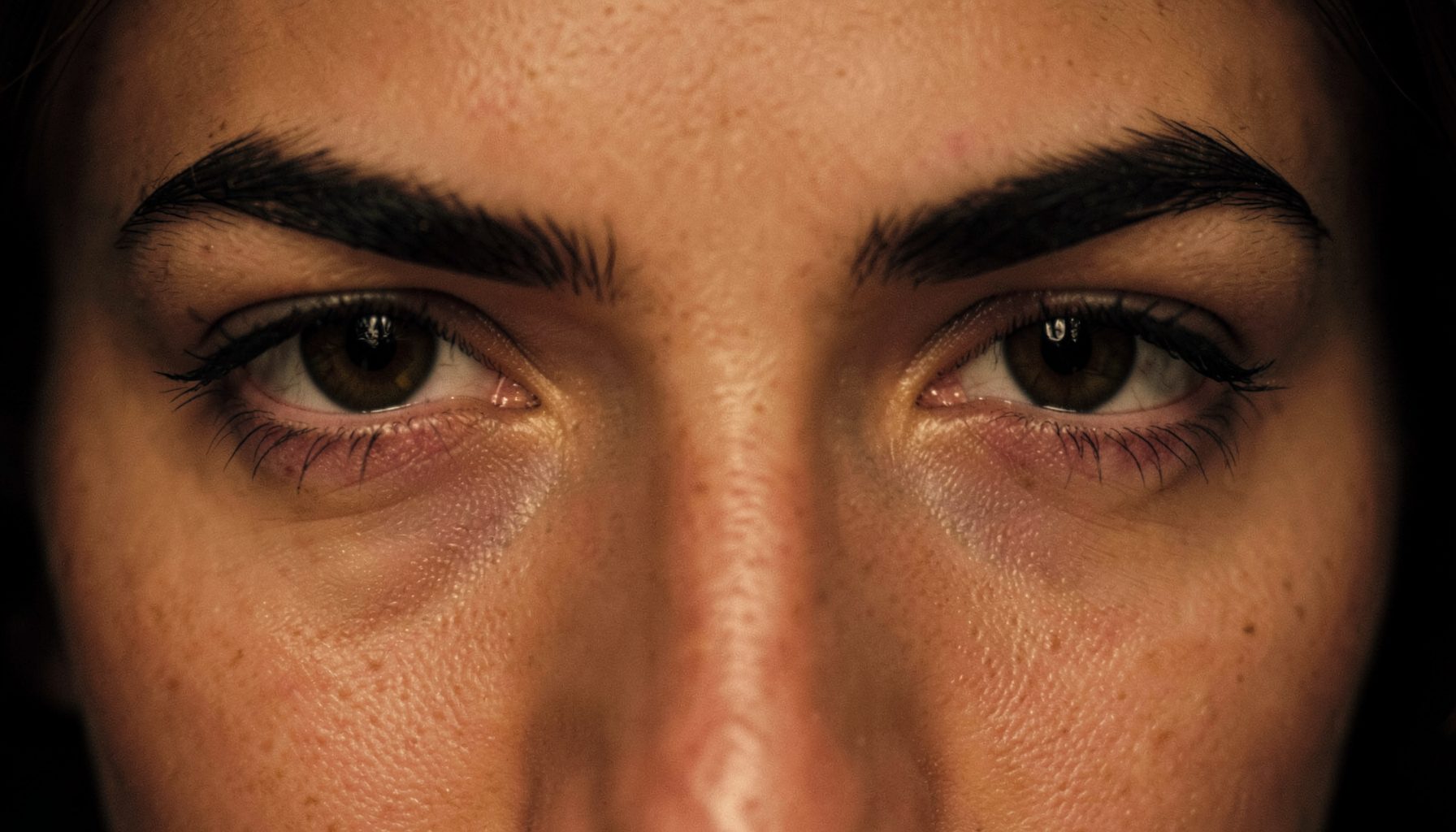
Eye Shape Guide
Understand your eye shape, master makeup techniques, and explore every treatment option — from Botox brow lifts to surgical solutions.
Explore the Site
Eyeshadow placement, blending techniques, and common mistakes to avoid for a more open, lifted look.
Explore →Winged liner, smudge prevention, and techniques that work with hooded lids to make eyes appear larger.
Explore →Non-surgical Botox brow lifts and surgical options including blepharoplasty, explained clearly.
Explore →Five false lash styles suited to hooded eyes, plus curler and mascara guidance for maximum lift.
Explore →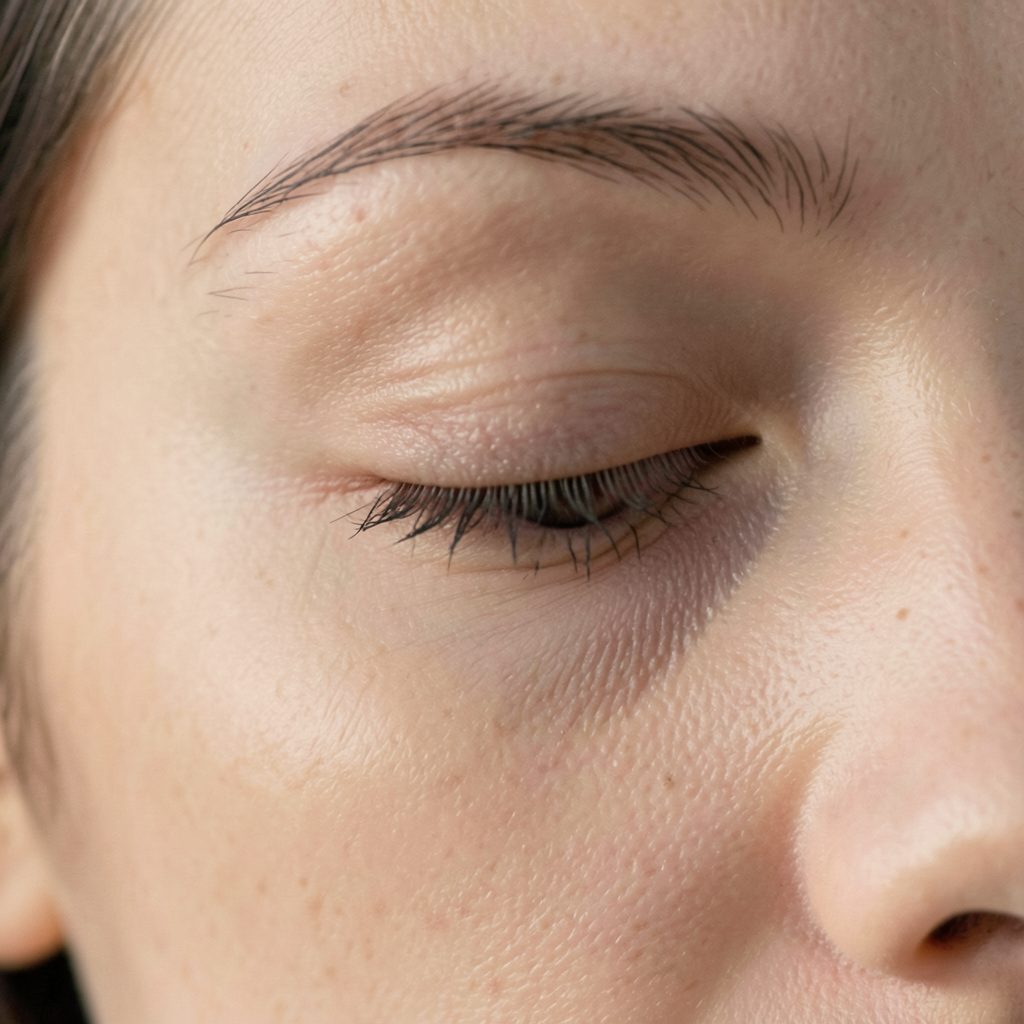
What Are Hooded Eyes?
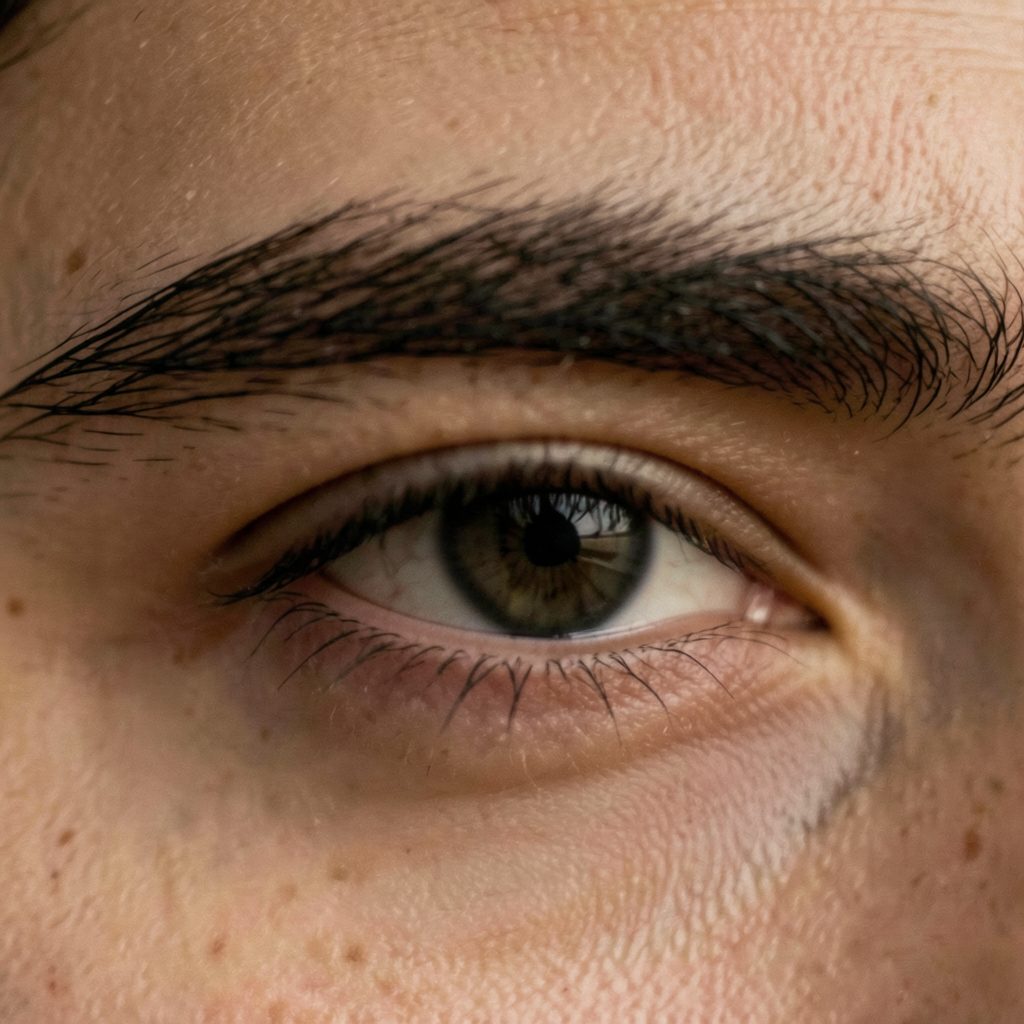
Hooded eyes are a natural eye shape where an excess piece of skin from the brow bone partially or completely covers the eyelid. The result can make eyes appear smaller or more tired than they feel.
This shape can be present from birth due to genetics, or it can develop over time. Known causes include aging, genetic traits, eye rubbing, body fatness, muscle structure, trauma, solar radiation, and sleep apnea.
Hooded eyes occur when the upper eyelid crease sits low and the fold partly covers the lid beneath it. The shape may be inherited, develop with age, or become more noticeable when puffiness and dry skin alter the skin around the eye. The goal is not to force a sharp crease, but to make the visible lid look smoother, rested and brighter.
An eye cream can temporarily tighten the appearance of hooded skin by hydrating it, reducing puffiness or creating a light film that makes the surface look firmer. It cannot remove excess skin, redistribute fat or change the muscles that control the eyelid. Those effects require makeup, professional treatment or, in some cases, surgery.
Start with a small amount of a gentle formula rather than several active products at once. Apply it with a ring finger, allow it to absorb, and wait several minutes before adding concealer or eyeshadow. Consistent use may also improve dryness and fine texture over time, although the immediate effect will usually be modest.
Australian conditions make this routine particularly relevant. High UV levels encourage daily eyelid protection, while air-conditioned offices, long commutes, humid mornings in Brisbane and warm winds in Canberra can leave the eye area tired or puffy. Pharmacy shelves, Priceline stores, beauty counters and online marketplaces also offer widely varied formulas, so reading the ingredient list matters more than relying on a dramatic label claim.
The visible fold of a hooded eye is partly structural. It depends on the position of the brow, the upper eyelid muscle and the distribution of tissue around the orbital bone. Moisturiser cannot alter these structures, but it can reduce the shadow cast by a rough or swollen lid. Smoother skin reflects light more evenly, making the eye area appear open and defined.
Hydrating ingredients such as hyaluronic acid and ceramides plump very fine dry lines temporarily. Caffeine-based formulas may reduce puffiness in some people by creating a cooling or mild astringent effect. A cool metal applicator, chilled spoon or reusable gel pad can provide a more predictable temporary de-puffing result by cooling the surrounding skin.
For background on the appearance and everyday care of hooded eyelids, understanding hooded eyes provides a useful companion to this routine. Patch-test any new cream on the outer orbital area for 24 to 48 hours, then introduce it near the brow bone rather than directly on the lash line.
Choose according to the problem you want to address rather than an ingredient list crowded with trendy actives. A fragrance-free cream containing ceramides, peptides, niacinamide or hyaluronic acid is suitable for hydration and a smoother finish. Caffeine suits puffiness, particularly when the formula also includes humectants that keep the eyelid flexible.
Retinol may improve texture and crepey-looking skin gradually, but it is not an instant tightener and can cause dryness, redness or irritation around the delicate eye area. Introduce it slowly, avoid applying it immediately after retinoids or strong acids, and follow the product directions. Vitamin derivatives and exfoliating acids can also make the eyelid more sensitive to sunlight and Australian weather.
Australian beauty shoppers can find inexpensive pharmacy formulas beside premium products from department-store beauty counters and online beauty retailers. Compare cost per gram, check the ingredient and country-of-origin information, and avoid products promoted as permanently lifting a drooping eyelid. If the seller cannot explain the formula or provides no complete ingredient list, choose a more transparent brand.
Cleanse the eye area gently and pat away excess water. A grain-sized amount is enough for each eye; too much can migrate into the eyes or leave the lid slick. Warm it between your fingertips, then tap lightly beneath the eye and along the orbital bone with your ring finger. Avoid rubbing, pulling the skin or applying product directly to the eyelashes.
For a temporary tightening effect, massage the cream in small circles towards the temple, where fluid can drain more easily. Keep pressure light and stop if the skin warms or begins to sting. A cool applicator used after absorption can reduce puffiness further. Allow five to ten minutes before applying makeup, or the cream may catch the brush and disturb the finish.
Apply richer creams at night and lightweight caffeine gels in the morning. If using a retinol, use it only at night and wear broad-spectrum SPF 50+ around the eyes the next day. Mineral sunscreens containing zinc oxide or titanium dioxide can be useful, but choose a formula that does not migrate into the eyes.
| Approach | Main visual effect | Time to appear | Typical duration | Best suited to |
|---|---|---|---|---|
| Hydrating eye cream | Plumps dry lines and smooths texture | 5–15 minutes | Until washed away | Tired, dry-looking lids |
| Caffeine gel | Temporarily reduces puffiness | 10–30 minutes | Several hours in some formulas | Morning swelling or long commutes |
| Cool spoon or eye mask | Reduces swelling through cooling | Almost immediately | 15–30 minutes | A quick pre-makeup refresh |
| Peptide or retinol cream | Improves texture over time | Several weeks to months | Requires ongoing use | Longer-term skin maintenance |
| Eye primer | Creates a smoother makeup base | Immediate | Until makeup removal | Concealer application on a mobile lid |
A well-applied eye cream gives concealer something smoother to sit on. Use a thin layer only on the visible mobile lid, extending slightly beyond the inner corner without pushing it into a crease. Choose a flexible, buildable concealer and set only where necessary, as heavy powder can make the upper lid look dry and more folded.
Keep the eyeshadow soft around the visible upper lid rather than filling the hidden crease with a harsh line. A slightly lifted outer shape or a soft brow brush can make the eye appear more open. Tightlining may define the lash line, but repeated application and removal can irritate the lid; use a gentle, non-waterline approach if the area is sensitive.
Examples of celebrities with hooded eyes show that the shape varies considerably between faces. Their appearances can provide inspiration without establishing one universal ideal. Curl and separate the lashes, brush the brows upwards, and use a waterproof mascara if heat, wind or a long day in Sydney or Melbourne could cause smudging.
An eye cream cannot correct true ptosis, in which the upper eyelid muscle weakens or the lid descends abnormally. Sudden drooping, double vision, pain, a change in vision or pronounced asymmetry requires prompt medical assessment rather than a cosmetic product. Persistent hooding that affects sight or daily comfort may also warrant discussion with a general practitioner or ophthalmologist.
A brow-lift Botox treatment temporarily relaxes muscles that pull the brow downwards, which may expose more of the upper lid. It does not tighten the skin itself, and its effects usually last several months. Blepharoplasty is a surgical procedure that alters eyelid tissue; it may address excess skin or fat but carries risks including infection, bleeding, scarring, dryness, asymmetry and changes in eyelid position.
During a consultation, the clinician should review your medical history, medications, previous procedures and desired outcome, then document the plan and obtain informed consent. After injectables, follow the clinic’s advice about rubbing, heat, exercise and makeup. After surgery, keep the area clean, use only prescribed medication, attend follow-up appointments and report increasing redness, visual changes or severe pain. No home eye cream should replace this care.
Australian consumer and health legislation makes claims worth checking. The Therapeutic Goods Administration regulates therapeutic goods and related advertising, while the Australian Consumer Law prohibits false or misleading representations. A cosmetic marketed as medically treating drooping eyelids may fall outside ordinary cosmetic rules. Verify the product, seller and claimed ingredients, and report a suspected regulated product through the appropriate TGA channel.
A seven-day trial is enough to judge whether a formula feels comfortable and produces a visible improvement. Test one product at a time, use the same lighting for comparisons and avoid relying on temporary puffiness reduction to judge the effect. Photographs taken at rest are more useful than quick checks in a brightly lit bathroom mirror.
For a special event, apply the cream early, let it settle fully and follow with lightweight concealer. Over time, keep the routine simple: moisturise consistently, protect the area from strong UV and address puffiness rather than trying to disguise every part of the eyelid. An eye cream can improve the temporary appearance of hooded skin, but its most useful result should be comfortable skin and a fresher-looking eye.
Choose one fragrance-free formula suited to your main concern, complete a seven-day trial, and record the result in consistent lighting before adding anything else to your routine.
Surgical Option
For those seeking a more lasting result, plastic surgery — including blepharoplasty — is covered as a treatment option for hooded eyes. Surgery addresses the excess skin directly and is considered an alternative to non-surgical approaches like Botox.
The site's surgery guide explains the procedure, what to expect, and how it compares to non-surgical routes, helping readers make informed decisions about their options.
Read the Surgery Guide →Famous Faces
Hooded eyes can enhance facial expressions and contribute to a distinctive, memorable look. These ten well-known figures all share the eye shape.
Jennifer Aniston
Leonardo DiCaprio
Solange Knowles
Taylor Swift
Michelle Williams
Robert Pattinson
Blake Lively
Selena Gomez
Gigi Hadid
Benicio del Toro
Side by Side
False Lash Guide
Varied length spikes create texture and the illusion of depth without weighing down the lid.
Longer outer-corner lashes draw the eye outward and upward, counteracting the hood effect.
A uniform, moderate length that adds definition without overwhelming a hooded lid.
Applied only to the outer half, these open up the eye shape and are easier to manage on hooded lids.
A strong upward curl (D or L curl) lifts lashes away from the hood, keeping them visible throughout the day.
The guide also covers lash curlers, mascara recommendations, and step-by-step instructions for fixing false lashes on hooded eyelids.
Full Lash Guide →Get in Touch
Whether you are just beginning your makeup journey or have been experimenting with different looks for years, we are glad you are here.
General Feedback
Share your thoughts on the site or suggest topics you'd like covered.
Looking for a Specific Tip?
Ask about a particular technique or eye-shape challenge.
Product Questions
Questions about products mentioned across the site.
Human Resources or Business Inquiries
Partnership, collaboration, or business-related correspondence.