01
Makeup Tips
Eyeshadow placement, blending techniques, and common mistakes to avoid for a more open, lifted look.
Explore →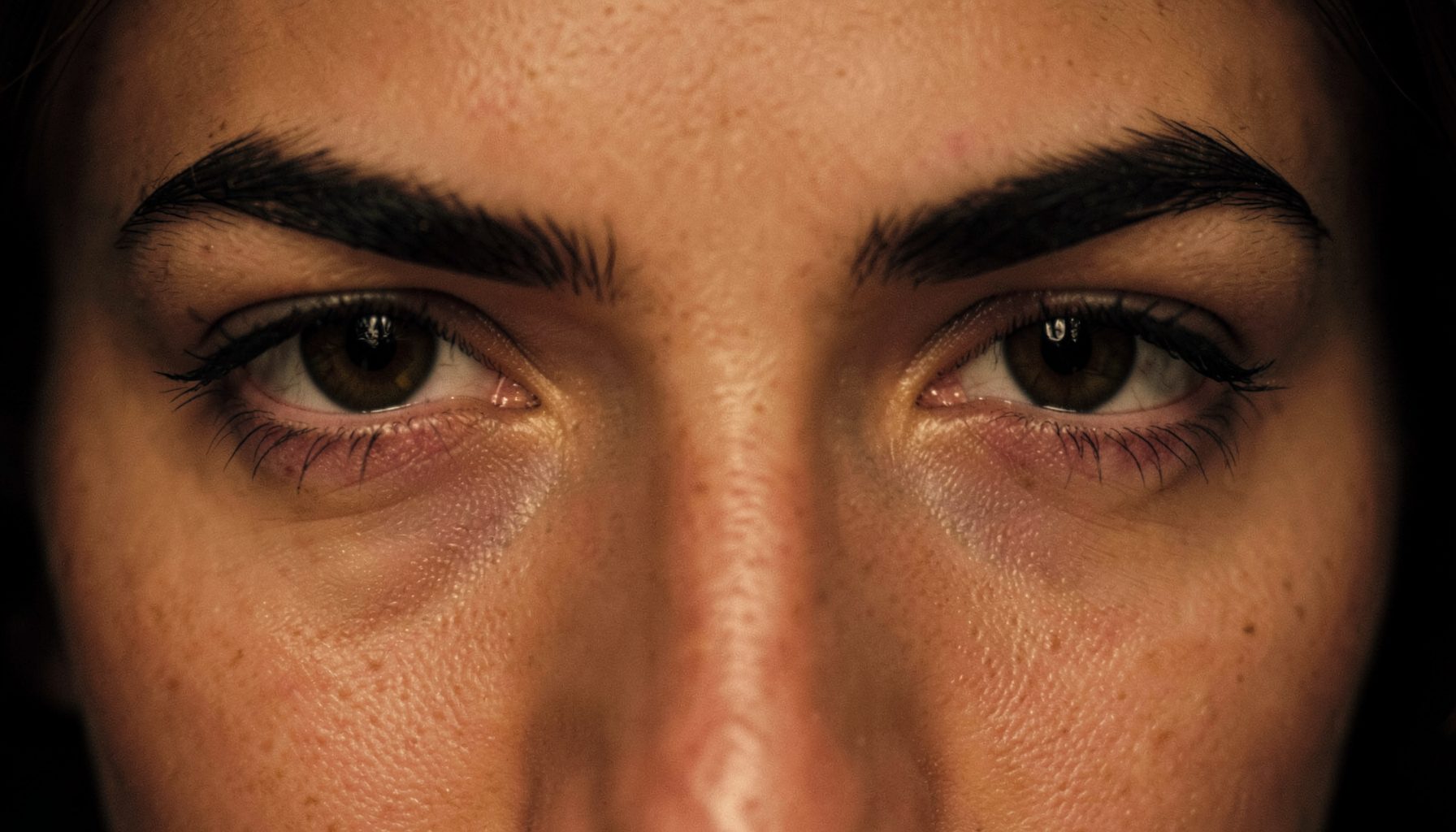
Eye Shape Guide
Understand your eye shape, master makeup techniques, and explore every treatment option — from Botox brow lifts to surgical solutions.
Explore the Site
Eyeshadow placement, blending techniques, and common mistakes to avoid for a more open, lifted look.
Explore →Winged liner, smudge prevention, and techniques that work with hooded lids to make eyes appear larger.
Explore →Non-surgical Botox brow lifts and surgical options including blepharoplasty, explained clearly.
Explore →Five false lash styles suited to hooded eyes, plus curler and mascara guidance for maximum lift.
Explore →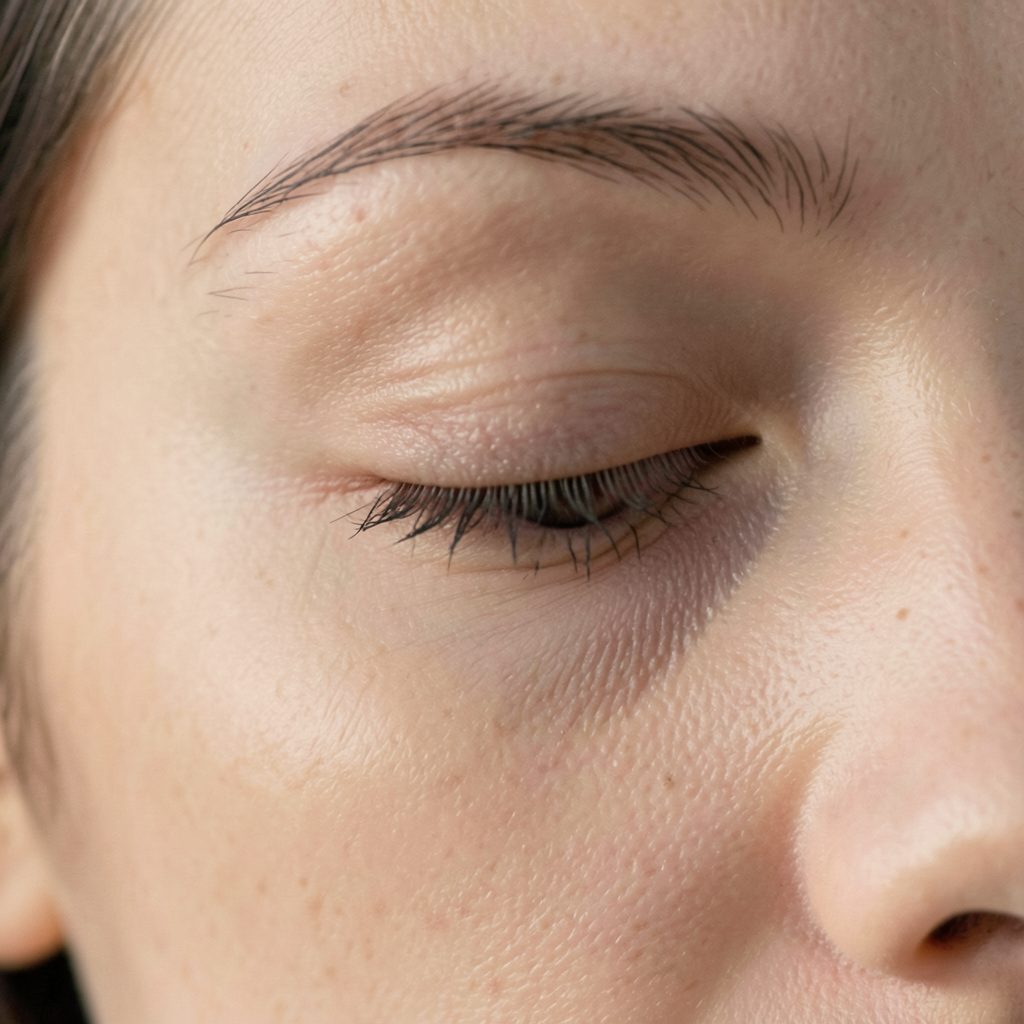
What Are Hooded Eyes?
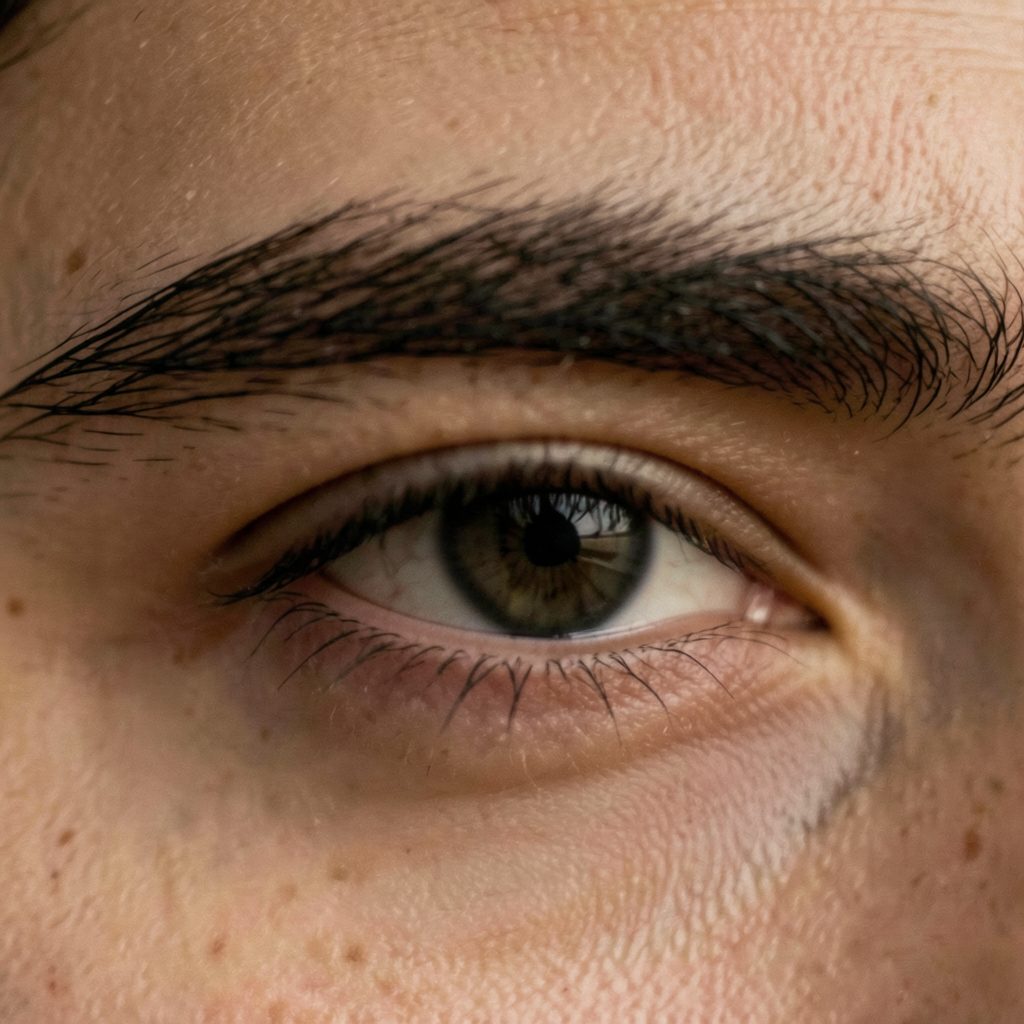
Hooded eyes are a natural eye shape where an excess piece of skin from the brow bone partially or completely covers the eyelid. The result can make eyes appear smaller or more tired than they feel.
This shape can be present from birth due to genetics, or it can develop over time. Known causes include aging, genetic traits, eye rubbing, body fatness, muscle structure, trauma, solar radiation, and sleep apnea.
Can diet and hydration improve the appearance of hooded eyes? They can help when temporary factors such as dehydration, fluid retention, allergies or an irritated skin barrier make the upper lids look heavier. They cannot remove the underlying fold of skin, muscle or fat that creates true hooding, so realistic expectations matter.
A hooded eye shape develops when the upper eyelid crease sits close to the lash line and the fold covers part of the mobile lid. Some space above the lashes remains visible, although it may be much smaller than on a round, almond-shaped or deep-set eye. The appearance can change with eyebrow position, age and the way makeup sits on the lid.
Diet has no direct method for lifting that fold. However, adequate fluid, balanced meals and enough sleep can improve the surrounding skin’s appearance, making shadows and puffiness less obvious. Cosmetic brow-lift injections and blepharoplasty address structure more directly, while makeup can create definition without a procedure.
Australian conditions add practical context. Summers in Sydney and Melbourne can bring heat, outdoor UV exposure and hours in air-conditioned offices, while Brisbane’s humidity and Perth’s dry winds can affect the eye area from one day to the next. The right approach considers climate, daily habits, skin condition and medical advice rather than promising a universal food or water cure.
True hooding is an anatomical relationship between the upper eyelid and brow. The crease is low or partly hidden, and the fold may conceal the mobile lid. Deep-set eyes can also have a narrow opening, but their crease generally remains visible; true ptosis is different again, with the upper lid itself drooping over the pupil. An eye specialist can clarify persistent lid droop when the distinction is unclear.
Ageing commonly changes the support of the brow and upper-lid tissues, while genetics determine much of a younger person’s shape. Fat beneath the brow can create a soft roll, and reduced skin elasticity can make a fold more pronounced. Temporary swelling, a heavy brow or allergies may mimic structural hooding, so comparing photographs across the day can be more useful than judging the eyes in one morning mirror.
Cosmetic descriptions also vary, making a clear reference helpful for distinguishing a full, low crease from a slightly hidden one. This visual guide to understanding hooded eyes provides a practical place to compare shapes before choosing a technique. If the lid suddenly covers the pupil, one eye changes noticeably or swelling is painful, seek prompt medical advice rather than treating it as an aesthetic concern.
Hydration supports normal skin function, but the body tightly regulates fluid, and extra water does not create a selective de-puffing effect around one set of eyes. A genuinely dehydrated person may experience dullness, irritation or more noticeable under-eye shadows; correcting that can improve how the area looks. Once fluid balance is normal, repeatedly drinking more usually adds little visible benefit.
Salt can influence temporary fluid shifts, particularly in someone already prone to puffiness, while alcohol often leaves the face swollen through vasodilation and disrupted sleep. Moderate coffee is not automatically dehydrating, but a caffeine-led routine may leave total fluid intake low. In a hot Sydney or Melbourne office, a sandwich and salty takeaway at lunch alongside several coffees can be a common pattern, even when a bottle of water remains untouched all afternoon.
A consistent routine is more dependable: drink to thirst throughout the day, keep water within reach, include it with meals and adjust for extended heat or exercise. Limit heavily salted meals, keep alcohol moderate and protect your sleep. Persistent one-sided swelling, marked redness or sudden puffiness warrants medical review; hydration is not a substitute for assessment.
Food cannot remove an upper-lid fold, but a varied diet supports collagen production, wound healing and the skin barrier. Woolworths and Coles make foods rich in protein, vitamin C, iron, zinc and unsaturated fats easy to find, from eggs and beans to leafy greens, citrus, fish and nuts. Whole foods provide the sensible starting point; supplements are unlikely to change eye shape and should be reserved for diagnosed deficiencies or professional recommendations.
A balanced plate can include the following:
Several daily habits can either reduce morning puffiness or protect the condition of the eyelid skin:
Skin care completes the routine. Moisturisers can support the skin barrier, while vitamin C, retinoids and caffeine-based eye products may brighten the surface or temporarily reduce the look of puffiness. Introduce one active product at a time to identify irritation. Daily sun protection matters in Australia, where the UV index can be extreme; broad-spectrum SPF 50+ sunscreen, a hat and sunglasses help protect eyelid skin, although sunscreen must be applied carefully near the eyes.
Makeup cannot change the lid, but it can make the visible opening look cleaner and more defined. A slightly lifted brow shape creates balance, while strategically placed eyeshadow above the visible crease stops the eye from appearing heavy. The hooded-eye makeup techniques guide explains placement for a low mobile lid and a narrow strip of available space.
Use a slim, softly tapered eyeliner line rather than a broad wing that disappears into the fold. Extend the outer corner only slightly, and keep shine away from the crease and inner corner if the lid looks crowded. Conceal and set any shadow around the eye to reduce creasing, and avoid over-plucking the outer brow, which can make the upper lid appear even heavier.
Mascara can make the lashes look longer and more lifted without adding weight to the lid. False lashes also work when their base follows the natural lash line and the style remains proportionate to the visible opening. Australian beauty retailers such as Priceline stock lengthening mascaras and lightweight lash options, allowing you to test a style before choosing a more permanent cosmetic treatment.
Before considering an injection or surgery, a lash technician can work with the space you actually have. Advice on best hooded-eye lashes can help you choose a style that lifts rather than blocks the eye opening. Ask the artist to consider your natural crease, especially if you already use makeup techniques designed for a hooded shape.
A botulinum toxin brow lift may relax muscles that pull the inner brow downward, creating a slightly more open appearance. The result is temporary, and the effect varies according to anatomy and muscle strength. Common side effects include bruising, brow asymmetry, eyelid heaviness or temporary drooping. Botulinum toxin is a prescription medicine in Australia, so check that the injector has the appropriate AHPRA registration, clinical authority and product-handling practices. Your clinician should also explain aftercare, including how long to avoid rubbing the area and when to resume makeup or exercise.
Blepharoplasty can remove excess upper-lid skin and reshape protruding fat when hooding is pronounced. It is a permanent option, but possible complications include infection, scarring, asymmetry, dry eye, excessive tearing and changes in eyelid position. Preparation generally involves a medical review, eye assessment and discussion of medications, contact lenses and smoking. After surgery, expect prescribed care, protection from rubbing, sunglasses, follow-up appointments and several weeks of visible swelling or bruising. Cosmetic blepharoplasty is usually self-funded in Australia, with possible Medicare assistance only where a clinician documents a qualifying functional problem, such as visual obstruction.
If hooded eyes are affecting your confidence, make the next step a consultation with a qualified clinician or reputable cosmetic professional. Bring reference photographs, note any medicines and allergies, and ask for a clear explanation of what each option can change. Book the assessment, choose the least invasive approach that fits your goal, and keep your preferred look while you decide.
Surgical Option
For those seeking a more lasting result, plastic surgery — including blepharoplasty — is covered as a treatment option for hooded eyes. Surgery addresses the excess skin directly and is considered an alternative to non-surgical approaches like Botox.
The site's surgery guide explains the procedure, what to expect, and how it compares to non-surgical routes, helping readers make informed decisions about their options.
Read the Surgery Guide →Famous Faces
Hooded eyes can enhance facial expressions and contribute to a distinctive, memorable look. These ten well-known figures all share the eye shape.
Jennifer Aniston
Leonardo DiCaprio
Solange Knowles
Taylor Swift
Michelle Williams
Robert Pattinson
Blake Lively
Selena Gomez
Gigi Hadid
Benicio del Toro
Side by Side
False Lash Guide
Varied length spikes create texture and the illusion of depth without weighing down the lid.
Longer outer-corner lashes draw the eye outward and upward, counteracting the hood effect.
A uniform, moderate length that adds definition without overwhelming a hooded lid.
Applied only to the outer half, these open up the eye shape and are easier to manage on hooded lids.
A strong upward curl (D or L curl) lifts lashes away from the hood, keeping them visible throughout the day.
The guide also covers lash curlers, mascara recommendations, and step-by-step instructions for fixing false lashes on hooded eyelids.
Full Lash Guide →Get in Touch
Whether you are just beginning your makeup journey or have been experimenting with different looks for years, we are glad you are here.
General Feedback
Share your thoughts on the site or suggest topics you'd like covered.
Looking for a Specific Tip?
Ask about a particular technique or eye-shape challenge.
Product Questions
Questions about products mentioned across the site.
Human Resources or Business Inquiries
Partnership, collaboration, or business-related correspondence.