01
Makeup Tips
Eyeshadow placement, blending techniques, and common mistakes to avoid for a more open, lifted look.
Explore →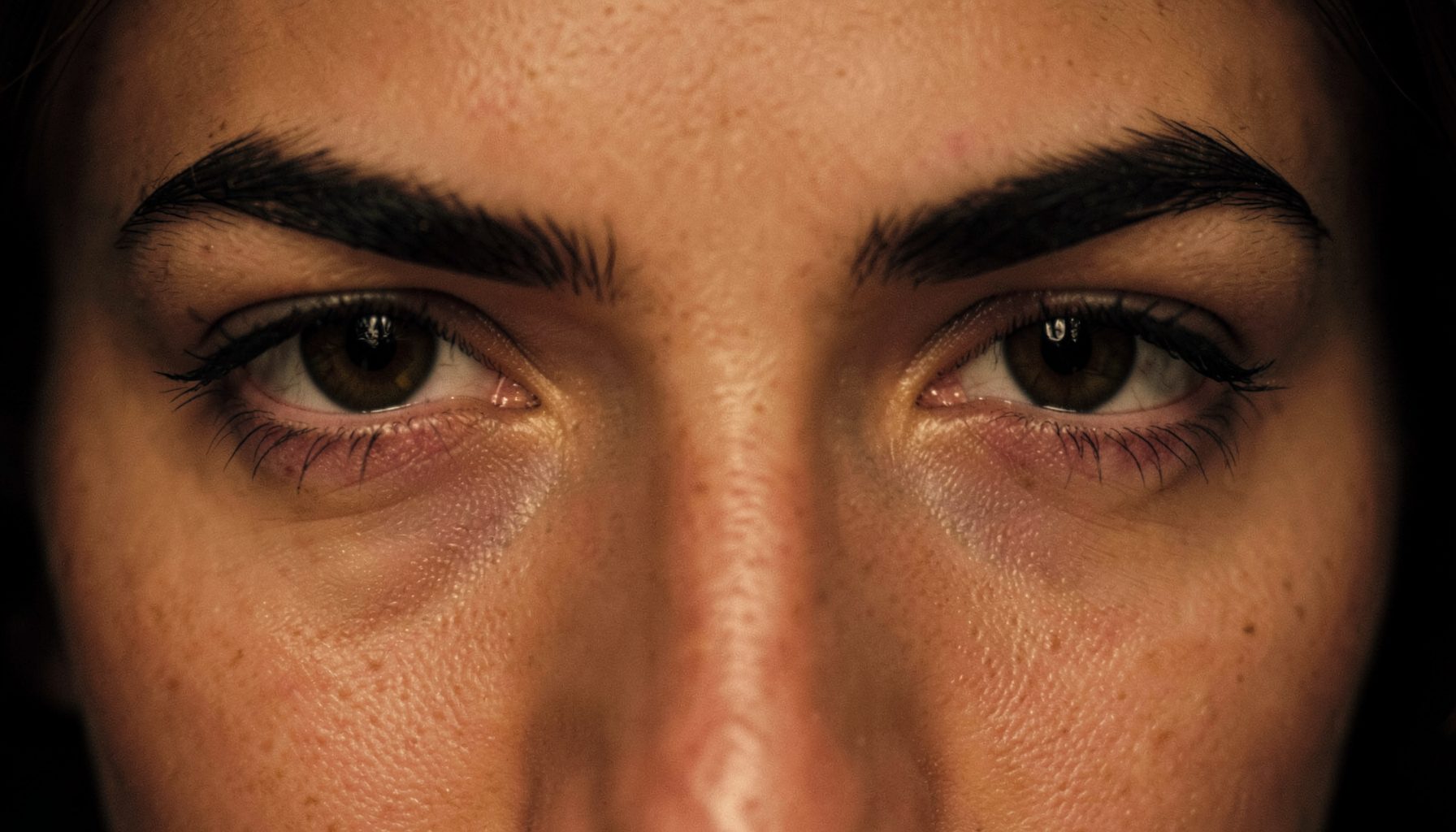
Eye Shape Guide
Understand your eye shape, master makeup techniques, and explore every treatment option — from Botox brow lifts to surgical solutions.
Explore the Site
Eyeshadow placement, blending techniques, and common mistakes to avoid for a more open, lifted look.
Explore →Winged liner, smudge prevention, and techniques that work with hooded lids to make eyes appear larger.
Explore →Non-surgical Botox brow lifts and surgical options including blepharoplasty, explained clearly.
Explore →Five false lash styles suited to hooded eyes, plus curler and mascara guidance for maximum lift.
Explore →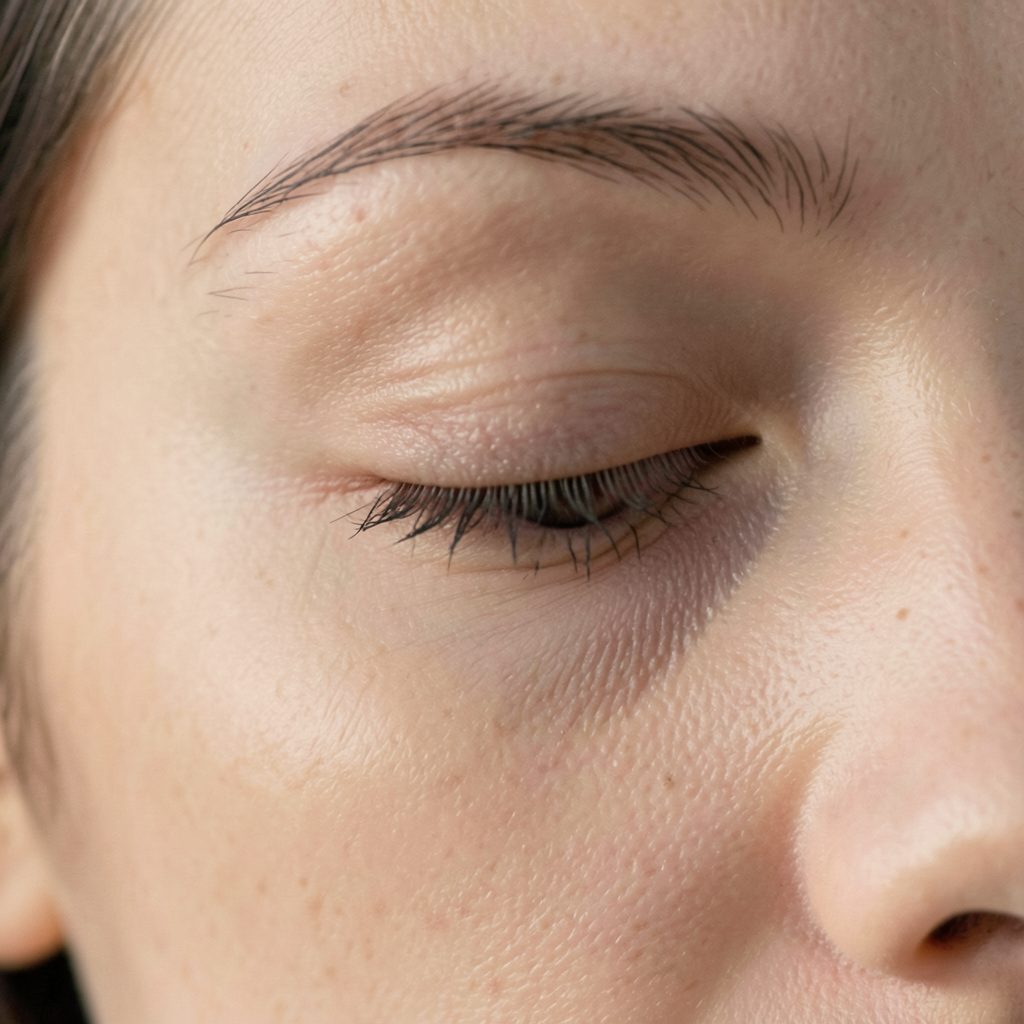
What Are Hooded Eyes?
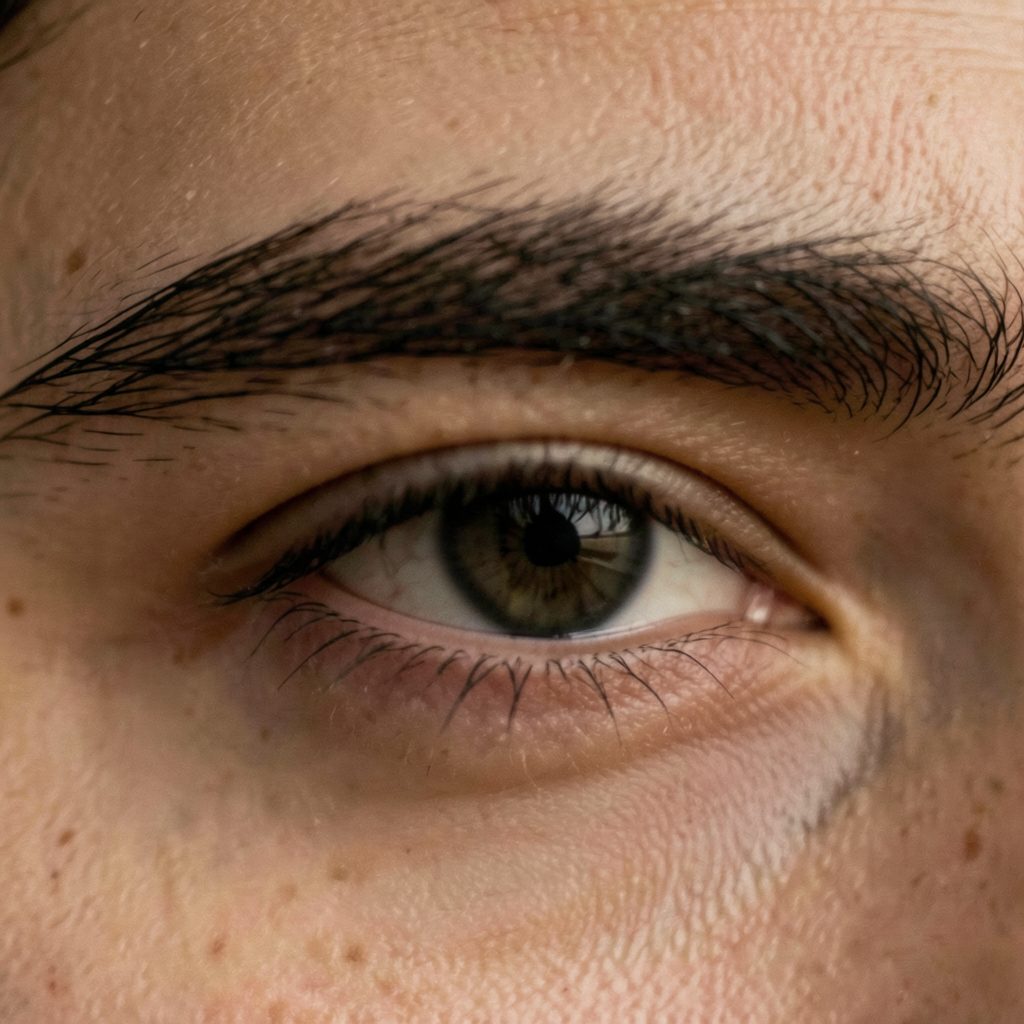
Hooded eyes are a natural eye shape where an excess piece of skin from the brow bone partially or completely covers the eyelid. The result can make eyes appear smaller or more tired than they feel.
This shape can be present from birth due to genetics, or it can develop over time. Known causes include aging, genetic traits, eye rubbing, body fatness, muscle structure, trauma, solar radiation, and sleep apnea.
Walking through the makeup aisles at MECCA in Sydney's Pitt Street Mall, many shoppers notice that one eye looks different from the other in the mirror. Hooded eyes, where the brow bone skin folds over the natural crease, are extremely common across the Australian population, but finding this look on only one side can feel puzzling and even frustrating when trying to apply eyeliner evenly. The asymmetry often becomes more visible with age, after a restless night, or following significant weight changes. Australian women in particular tend to spot the imbalance early because of the strong UV exposure that accelerates skin changes around the delicate eye area, and because the bright outdoor light makes shadows more obvious.
The causes of this unevenness range from genetics and bone structure to sleeping habits and accumulated sun damage. Understanding the reason behind single-sided hooding helps in choosing the right makeup technique, skincare routine, or in some cases, a medical consultation. Below is a closer look at why this happens, when it warrants attention, and what can be done to bring both eyes into better visual balance without losing the natural character of the features.
Hooded eyes occur when the skin between the eyebrow and the lash line droops downward, covering all or part of the mobile lid. This happens because the brow fat pad and the surrounding tissue sit lower on the orbital bone, or because the skin itself loses elasticity and folds forward over time. The natural crease, which most people rely on for eyeshadow application, becomes hidden or sits very close to the lash line, making the lid space feel small.
When this anatomy is present on both eyes, the face simply has a hooded shape, which many consider a striking feature. When it appears on just one side, however, the underlying bone structure, fat distribution, and muscle tone must be slightly different from left to right. Almost every human face has some degree of asymmetry, but it becomes truly noticeable when one brow sits lower, or when the tissue on one side sags more than its pair, drawing focus to the mismatch every time makeup is applied.
Brow bone position is passed down through families, and many Australians discover that a parent, aunt, or grandparent had a similar one-sided look. If one brow ridge sits lower or projects further forward, the skin above it will appear to fold more heavily, creating a hooded appearance on that side alone. The position of the eye socket itself can also vary slightly between sides, with one eye set a little deeper into the skull than the other, which changes how the skin drapes above it.
Soft tissue distribution adds another layer of variation. The fat pads around the brow are not always symmetrical, and small differences in volume change how the skin falls. Even the way the muscles around the eye pull during expression can differ, with one side favoured by habitual movements like squinting into the bright Australian afternoon sun, raising one brow more often, or smiling more strongly on one cheek. These tiny imbalances accumulate gradually, and over the years the heavier side begins to look noticeably hooded while the other remains relatively open.
Collagen loss affects both eyes, but the rate is rarely even, particularly in a country where the UV index regularly climbs above 10 in summer. The side of the face that catches more sunlight during driving, gardening, or beach days at popular spots like Bondi, St Kilda, or Cottesloe tends to break down elastin faster. Over years, this leads to thinner, looser skin on the more exposed side, and a deeper fold over the lash line that does not match the other eye.
Sleep position contributes as well. People who consistently sleep on their left or right side press one brow into the pillow, encouraging gravity to fold the skin in that direction night after night. Combined with repetitive facial expressions, dehydration, and the natural decline in collagen that begins in the late twenties, one brow can drop a few millimetres lower than the other. The result is a hood that seems to favour one eye only, even though both eyes are technically going through the same ageing process.
Daily routines shape the eye area more than most people realise. Heavy phone or laptop use often leads to squinting on one side, especially when reading in bed with a lamp positioned to one shoulder or when working at a screen placed off-centre. Rubbing the eyes when tired, removing makeup with firm downward strokes, or even wearing sunglasses that sit unevenly on the nose can all pull on the delicate skin above one eye more than the other over months and years.
Allergic reactions are another common culprit in Australia, given the high pollen counts in cities like Melbourne and Brisbane during spring and summer. Rubbing itchy eyes repeatedly stretches the skin and breaks the supportive fibres over time. Contact lens insertion, particularly when done in a hurry on one side first, can also tug on one brow more than the other. None of these habits cause hooding on their own, yet together they tip the scales so the asymmetry becomes visible in every mirror and every photo.
Most cases of single-sided hooding are harmless and simply a matter of anatomy and lifestyle. A sudden change should always be checked by a professional. Ptosis, where the upper eyelid muscle weakens, can create a heavy, hooded look on one side and may indicate nerve or muscle issues that need treatment. This is more common with age but can appear at any time, and an optometrist or ophthalmologist in Australia can assess the muscle function quickly and rule out anything serious.
Swelling, thyroid eye disease, or even a stubborn stye can also create the illusion of a hooded eye on one side. If the change appeared within weeks or months, if the lid feels heavy enough to block part of the vision, or if the droop seems to be getting worse, booking an appointment with a GP or eye specialist is wise. Catching neurological or structural issues early keeps any treatment straightforward and protects long-term vision, which matters far more than cosmetic symmetry.
Correcting single-sided hooding with makeup is entirely possible, and the approach starts with the brows. A well-placed tinted brow gel can lift the heavier side and add the illusion of height, making both eyes look more alike in photos and in person. Choosing a shade that matches the natural hair and brushing upward keeps the brow in place all day, even through the humidity of a Brisbane summer or a long day at the beach. Looking at tinted brow gels shows which formulas hold a curl without flaking or feeling crunchy on the skin.
Eyeshadow placement also matters when the two eyes do not match. Using a matte shade slightly above the natural crease on the more hooded eye creates a new visible crease line, balancing the two eyes in the mirror. A touch of highlighter just below the brow arch on the droopier side brings light forward, while a thin line of eyeliner tightens the lash line without overwhelming the lid space. Curling the lashes on the more hooded side and applying a lengthening mascara on the outer corners opens both eyes evenly for a more balanced finish.
A few simple changes to the daily routine can make both eyes look more balanced over time. The key is consistency, since the skin around the eyes responds gradually to better support and sun protection.
Sticking with these habits for a few weeks usually brings visible improvement. Pairing them with well-chosen lashes for hooded eyes speeds up the balancing effect, since a lifted centre keeps the heavier side from drooping in photos. Small adjustments really do add up over time, and both eyes feel less strained by the end of the day.
If one eye looks more hooded than the other, the cause is usually a blend of genetics, ageing, and everyday habits that accumulate over years. Exploring the full range of guides on thehoodedeyes.com helps pinpoint the right routine, from brow gels and lash choices to professional treatment options and aftercare advice. Bookmark the site for fresh tips and return whenever a new question pops up about working with hooded eyes on one side or both.
Surgical Option
For those seeking a more lasting result, plastic surgery — including blepharoplasty — is covered as a treatment option for hooded eyes. Surgery addresses the excess skin directly and is considered an alternative to non-surgical approaches like Botox.
The site's surgery guide explains the procedure, what to expect, and how it compares to non-surgical routes, helping readers make informed decisions about their options.
Read the Surgery Guide →Famous Faces
Hooded eyes can enhance facial expressions and contribute to a distinctive, memorable look. These ten well-known figures all share the eye shape.
Jennifer Aniston
Leonardo DiCaprio
Solange Knowles
Taylor Swift
Michelle Williams
Robert Pattinson
Blake Lively
Selena Gomez
Gigi Hadid
Benicio del Toro
Side by Side
False Lash Guide
Varied length spikes create texture and the illusion of depth without weighing down the lid.
Longer outer-corner lashes draw the eye outward and upward, counteracting the hood effect.
A uniform, moderate length that adds definition without overwhelming a hooded lid.
Applied only to the outer half, these open up the eye shape and are easier to manage on hooded lids.
A strong upward curl (D or L curl) lifts lashes away from the hood, keeping them visible throughout the day.
The guide also covers lash curlers, mascara recommendations, and step-by-step instructions for fixing false lashes on hooded eyelids.
Full Lash Guide →Get in Touch
Whether you are just beginning your makeup journey or have been experimenting with different looks for years, we are glad you are here.
General Feedback
Share your thoughts on the site or suggest topics you'd like covered.
Looking for a Specific Tip?
Ask about a particular technique or eye-shape challenge.
Product Questions
Questions about products mentioned across the site.
Human Resources or Business Inquiries
Partnership, collaboration, or business-related correspondence.