01
Makeup Tips
Eyeshadow placement, blending techniques, and common mistakes to avoid for a more open, lifted look.
Explore →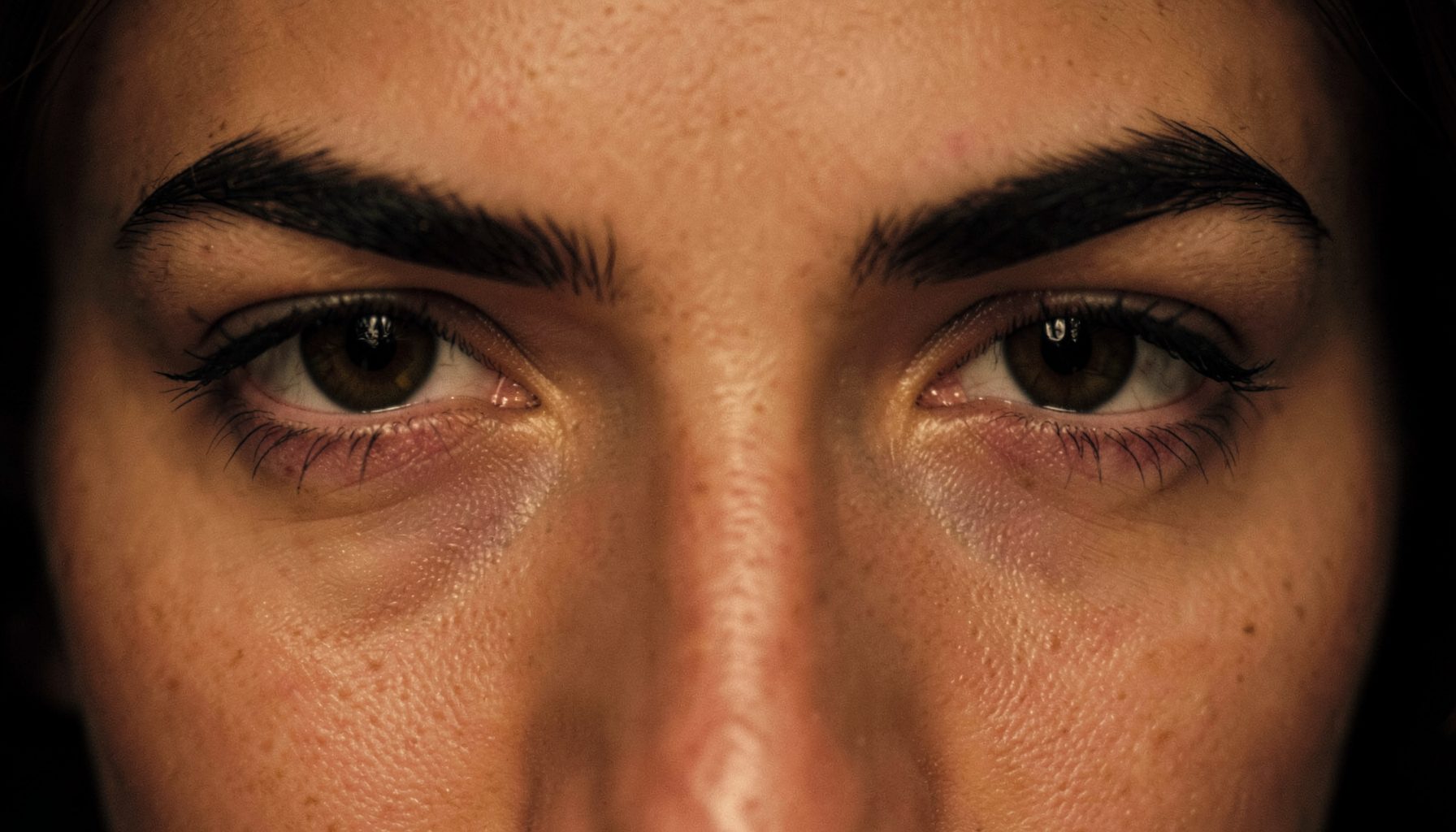
Eye Shape Guide
Understand your eye shape, master makeup techniques, and explore every treatment option — from Botox brow lifts to surgical solutions.
Explore the Site
Eyeshadow placement, blending techniques, and common mistakes to avoid for a more open, lifted look.
Explore →Winged liner, smudge prevention, and techniques that work with hooded lids to make eyes appear larger.
Explore →Non-surgical Botox brow lifts and surgical options including blepharoplasty, explained clearly.
Explore →Five false lash styles suited to hooded eyes, plus curler and mascara guidance for maximum lift.
Explore →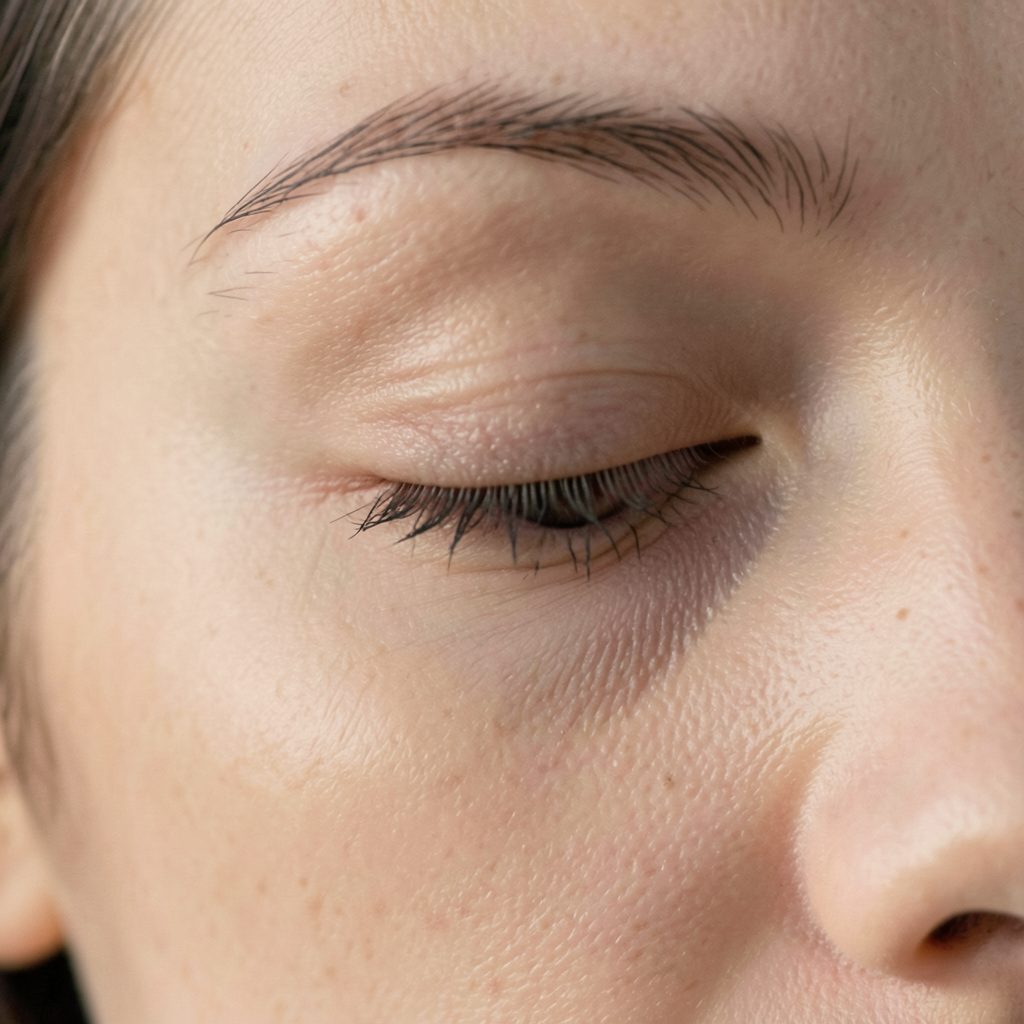
What Are Hooded Eyes?
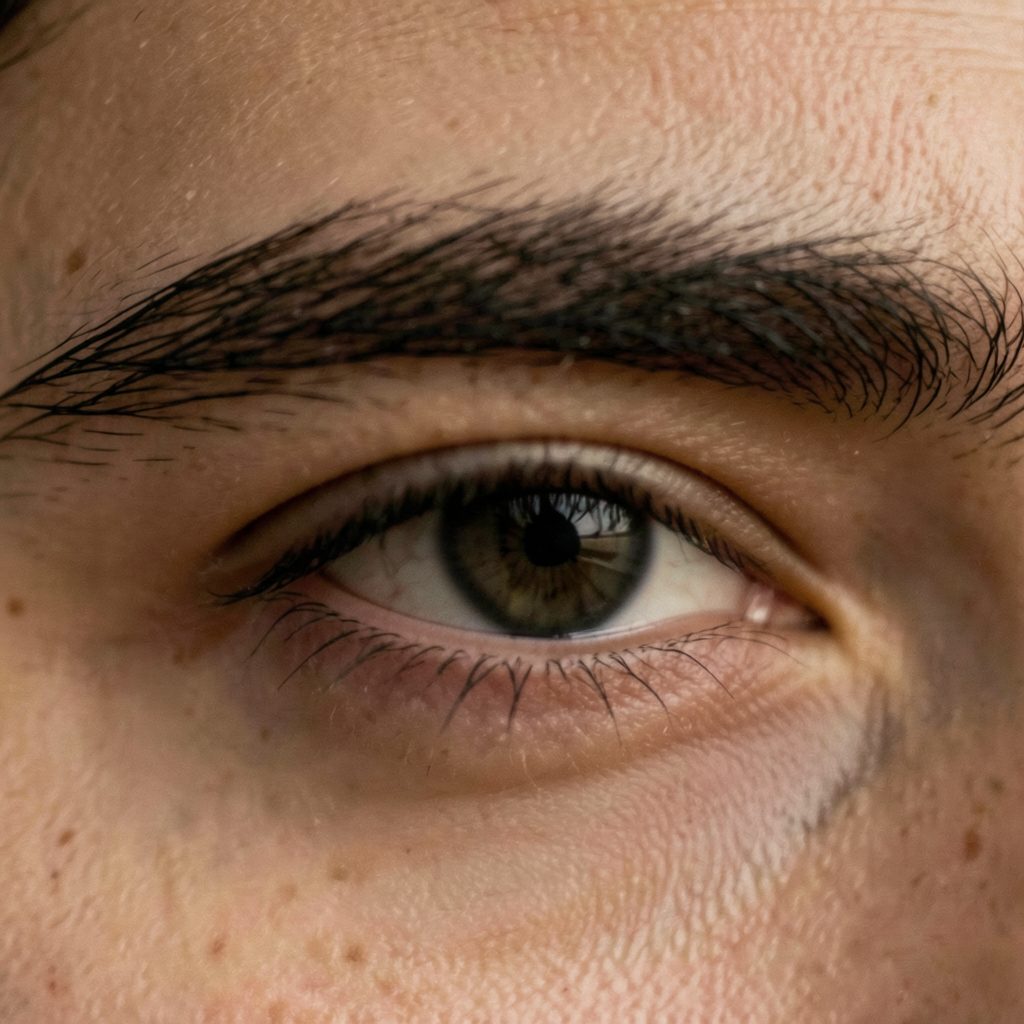
Hooded eyes are a natural eye shape where an excess piece of skin from the brow bone partially or completely covers the eyelid. The result can make eyes appear smaller or more tired than they feel.
This shape can be present from birth due to genetics, or it can develop over time. Known causes include aging, genetic traits, eye rubbing, body fatness, muscle structure, trauma, solar radiation, and sleep apnea.
Hooded eyes are a normal facial feature in which excess upper-eyelid skin, a low brow position, or the natural eye socket structure partly covers the crease. They can be present from childhood, become more noticeable with age, or appear different as the forehead and eyelid tissues change. Having hooded eyes does not automatically mean that surgery is appropriate.
Blepharoplasty is an operation that removes or adjusts excess skin and, in some cases, fat or muscle around the eyelids. An upper-eyelid procedure may be considered for functional concerns, cosmetic preferences, or both. A consultation is the step that clarifies whether the problem comes from the eyelid, the brow, the surrounding muscles, or another eye-health issue.
Makeup can help you work with the shape while you decide whether professional advice is worthwhile. Techniques such as placing eyeshadow above the natural fold, using a fine eyeliner line, and curling the lashes can make the eyes look more open; this hooded-eye makeup tips resource explains practical options for everyday wear.
| Sign or concern | What it may mean | Why an assessment helps |
|---|---|---|
| Skin rests on the lashes | Upper-eyelid skin may be excessive | A clinician can check whether it affects the visual field |
| A tired or heavy appearance | Eyelid, brow, or forehead changes may be involved | The source of the heaviness can be identified |
| Makeup transfers or disappears | The fold may be low or covered | Non-surgical and surgical options can be compared |
| Difficulty reading or driving | Drooping may have a functional effect | Visual field and eye examinations may be appropriate |
| Uneven eyelids | Natural asymmetry, brow position, or muscle activity may contribute | A tailored plan can address realistic symmetry |
| Dryness or irritation | Eyelid position may affect the eye surface | Eye-health causes should be assessed before surgery |
One of the clearest reasons to arrange a blepharoplasty consultation is a change in your upper field of vision. You may notice that eyelid skin seems to hang over the lashes, that you lift your eyebrows to see more clearly, or that you tilt your head when reading, using a computer, or watching television. Some people become aware of the issue while driving, particularly when looking towards overhead signs or judging movement around them.
A visual obstruction can come from upper-eyelid skin, a low brow, or a combination of both. It can also have other causes, including eyelid muscle weakness or changes around the eye that require medical investigation. A qualified practitioner can examine the eyelids and brows, assess eye movement and surface health, and arrange visual-field testing when indicated. Functional surgery may be treated differently from purely cosmetic surgery, so documentation matters.
In Australia, Medicare or private health insurance coverage is not automatic. Cosmetic blepharoplasty is generally self-funded, while an operation for a documented functional problem may be considered under specific criteria. Ask the clinic about item numbers, referrals, out-of-pocket costs, and insurer rules before making financial decisions.
A heavy sensation around the eyes can be a sign that the upper eyelid or brow is working harder than usual. You may find yourself raising your forehead throughout the day, rubbing your eyes, or developing tension across the brow. Photographs can show a gradual change that is difficult to notice in the mirror, especially when the change has developed slowly.
This feeling does not prove that excess skin is the cause. Allergies, dry eye, contact-lens irritation, lack of sleep, migraine, and medication effects can create similar discomfort. Some people have a low brow rather than excess eyelid skin, and removing eyelid tissue alone would not address the main concern. A consultation should therefore focus on diagnosis and proportion rather than simply removing as much skin as possible.
Bring a list of symptoms and any relevant eye history to the appointment. Mention previous eye surgery, glaucoma, thyroid disease, allergies, contact-lens use, and medicines that affect bleeding or healing. Clear information helps the surgeon decide whether an ophthalmologist, optometrist, or another specialist should be involved.
Changes in how cosmetics behave can be an early, everyday sign that the eyelid area has altered. Eyeshadow may vanish when your eyes are open, eyeliner may transfer onto the upper fold, and mascara may mark the brow bone or lid. These effects are especially noticeable when the eyelid crease is covered or the lash line points downwards.
Cosmetic frustration alone is not a medical reason for surgery. Many people with hooded eyes achieve the look they want with a thin liner, a water-resistant formula, strategic lash curling, or shadow placed where it remains visible with the eyes open. A hooded eyes guide can help you understand the difference between a naturally covered crease and changes that may warrant professional assessment.
A consultation becomes more relevant when makeup difficulties occur alongside heaviness, visual obstruction, irritation, or a noticeable change in photographs. Discuss the result you want in practical terms, such as a more visible lid space or less transfer, rather than assuming that a particular operation will create a specific eye shape. Surgeons should explain what surgery can and cannot change.
Mild facial asymmetry is common. One upper eyelid may sit slightly lower, one brow may arch differently, or one eye may naturally have a deeper crease. Ageing, previous injury, nerve changes, contact-lens habits, and differences in muscle activity can make this unevenness more obvious over time.
A new or rapidly developing droop deserves medical attention rather than a routine cosmetic booking. Sudden eyelid drooping, double vision, unequal pupils, severe headache, facial weakness, or loss of vision can signal an urgent health problem. Seek prompt medical care in those circumstances; elective eyelid surgery is not the first step.
For gradual asymmetry, a specialist can compare the brow, eyelid crease, lash position, and amount of skin on each side. Perfect symmetry is not a realistic surgical promise, because the underlying bones, muscles, and soft tissues are naturally different. Good planning aims for balance while preserving comfortable eyelid closure and a natural expression.
Loose upper-eyelid skin, fine lines, under-eye fullness, and a lower brow can make the face look tired, sad, or more aged than you feel. These changes often develop over several years as skin elasticity decreases and the tissues around the eyes shift. Sun exposure can accelerate visible ageing, which is relevant in Australian cities such as Brisbane, Perth, Sydney, and Darwin, where strong ultraviolet exposure is part of everyday life.
Upper blepharoplasty may address selected excess skin, while lower blepharoplasty involves different structures and risks. A brow lift may be more appropriate when the brow has descended, and non-surgical treatments such as anti-wrinkle injections may have a limited role in selected cases. Botox brow lifting can subtly alter brow position, but it does not remove extra eyelid skin and requires careful injection planning.
Ask for an assessment that considers the whole upper third of the face. A surgeon should discuss scars, possible revision, changes in brow position, dry eye, difficulty closing the eyes, infection, bleeding, and temporary or persistent visual problems. The aim is a safe, proportionate result rather than an artificially wide-eyed appearance.
You may be ready for a consultation simply because you have been thinking about eyelid surgery and want reliable information. A consultation does not obligate you to proceed. It should give you time to describe your concerns, review suitable alternatives, understand recovery, and decide whether the likely benefit justifies the cost and risks.
In Australia, check that the practitioner is registered with the Australian Health Practitioner Regulation Agency and that the clinic provides clear information about the surgeon’s qualifications, hospital or accredited-facility arrangements, fees, follow-up, and emergency contact process. Cosmetic procedure advertising is subject to Australian rules, so be cautious with guaranteed results, pressure to book quickly, heavily filtered images, or claims that minimise risk. Before-and-after photographs should be viewed as examples, not promises.
Preparation may include stopping or adjusting certain medicines only under medical guidance, arranging transport, organising time away from work, and planning for swelling and bruising. Recovery varies, but many people need several days of reduced activity and longer for swelling to settle fully. In Melbourne or Canberra, cooler weather may make recovery more comfortable for some people, while anyone working outdoors should plan carefully around sun exposure and protective eyewear.
A useful appointment includes questions about the proposed technique, whether the brow contributes to the problem, what happens if the eyelids remain asymmetrical, and how complications are managed. You should receive written consent information and a cooling-off period where applicable. Do not proceed until you understand the total price, aftercare arrangements, and realistic outcome.
If your eyelids interfere with seeing, cause persistent strain, or have changed enough to affect your confidence and daily routine, arrange an assessment with an appropriately qualified eye or cosmetic specialist. Take recent photographs, a medication list, and notes about symptoms to the appointment. A careful consultation can distinguish natural hooding from a functional problem and help you make a considered decision about blepharoplasty or another option.
Surgical Option
For those seeking a more lasting result, plastic surgery — including blepharoplasty — is covered as a treatment option for hooded eyes. Surgery addresses the excess skin directly and is considered an alternative to non-surgical approaches like Botox.
The site's surgery guide explains the procedure, what to expect, and how it compares to non-surgical routes, helping readers make informed decisions about their options.
Read the Surgery Guide →Famous Faces
Hooded eyes can enhance facial expressions and contribute to a distinctive, memorable look. These ten well-known figures all share the eye shape.
Jennifer Aniston
Leonardo DiCaprio
Solange Knowles
Taylor Swift
Michelle Williams
Robert Pattinson
Blake Lively
Selena Gomez
Gigi Hadid
Benicio del Toro
Side by Side
False Lash Guide
Varied length spikes create texture and the illusion of depth without weighing down the lid.
Longer outer-corner lashes draw the eye outward and upward, counteracting the hood effect.
A uniform, moderate length that adds definition without overwhelming a hooded lid.
Applied only to the outer half, these open up the eye shape and are easier to manage on hooded lids.
A strong upward curl (D or L curl) lifts lashes away from the hood, keeping them visible throughout the day.
The guide also covers lash curlers, mascara recommendations, and step-by-step instructions for fixing false lashes on hooded eyelids.
Full Lash Guide →Get in Touch
Whether you are just beginning your makeup journey or have been experimenting with different looks for years, we are glad you are here.
General Feedback
Share your thoughts on the site or suggest topics you'd like covered.
Looking for a Specific Tip?
Ask about a particular technique or eye-shape challenge.
Product Questions
Questions about products mentioned across the site.
Human Resources or Business Inquiries
Partnership, collaboration, or business-related correspondence.